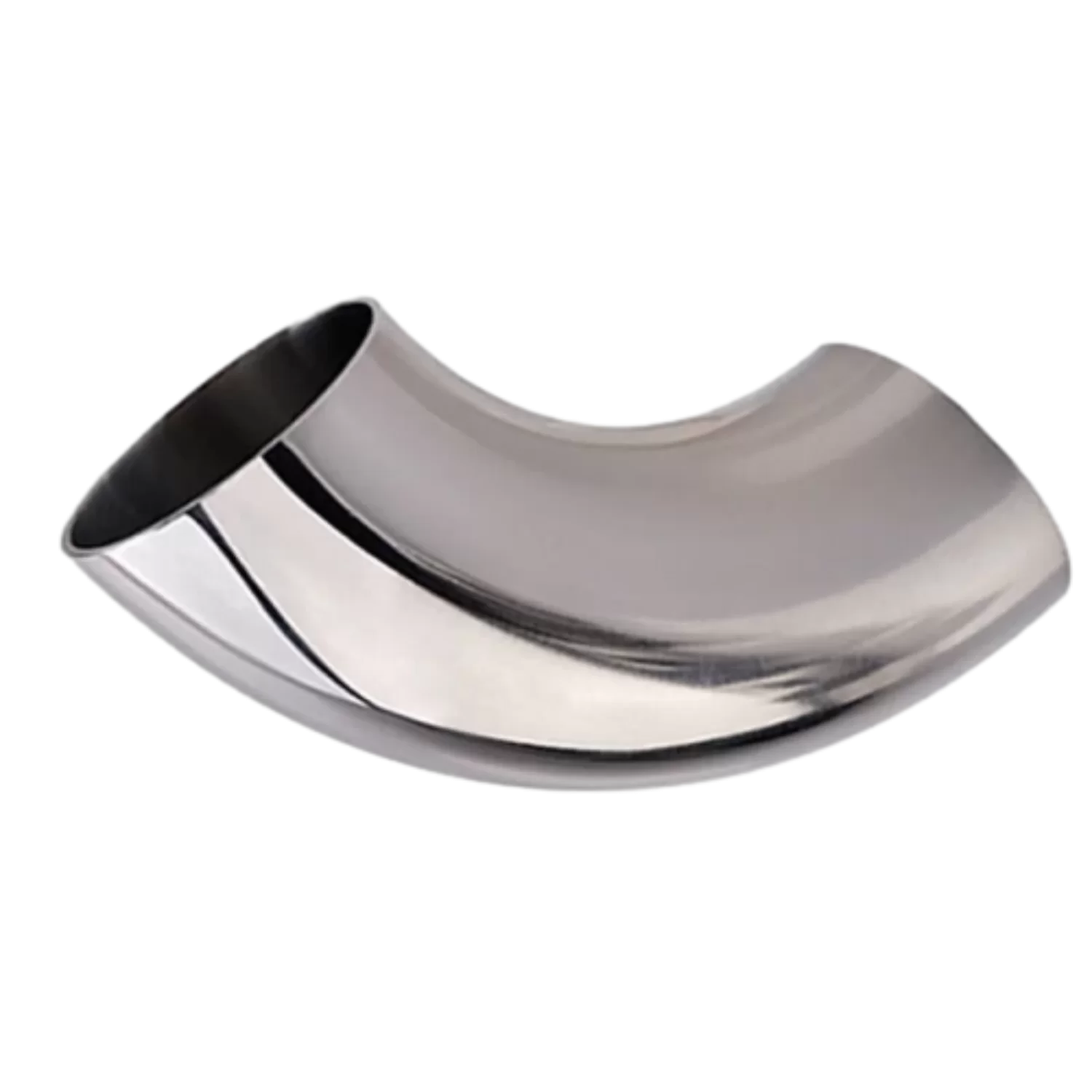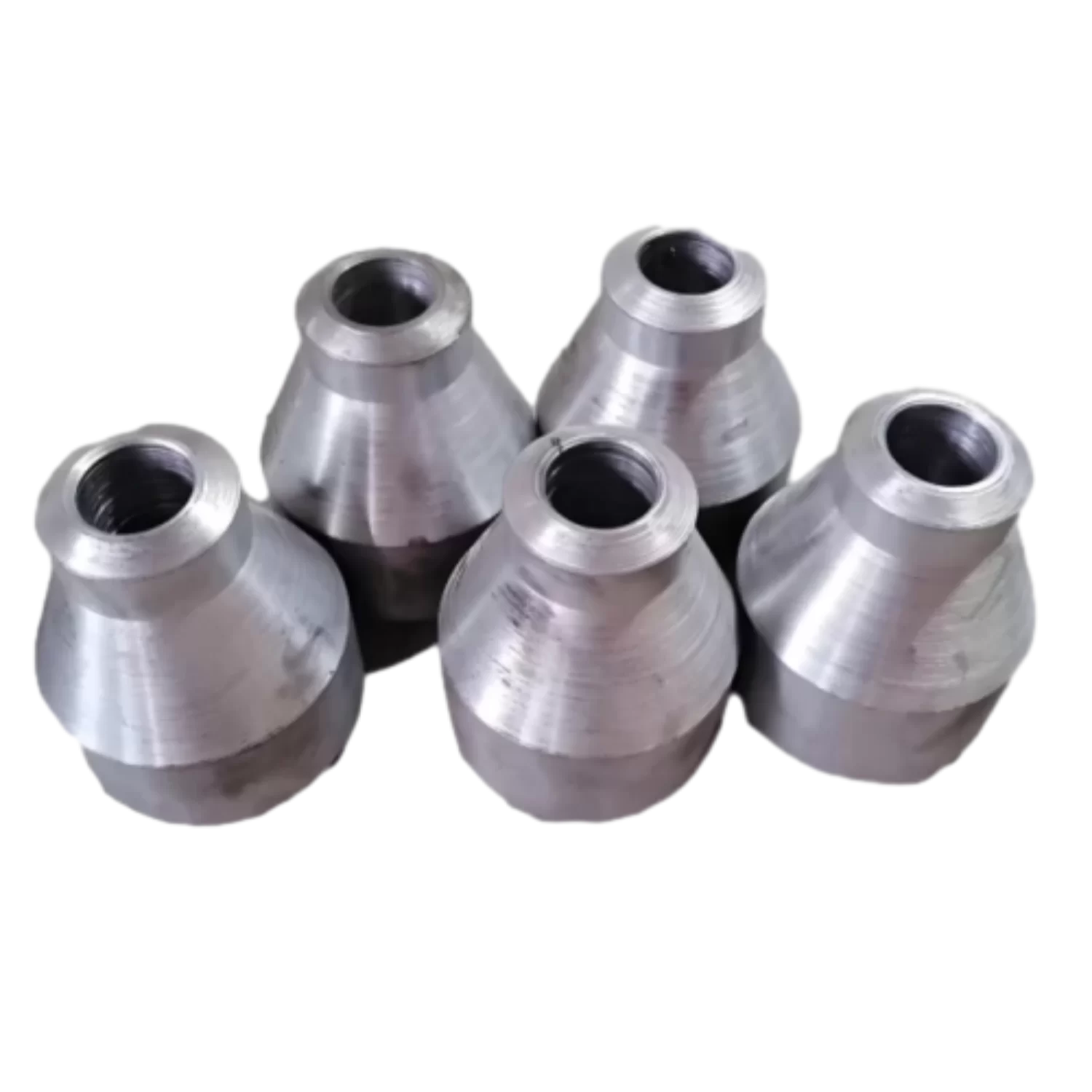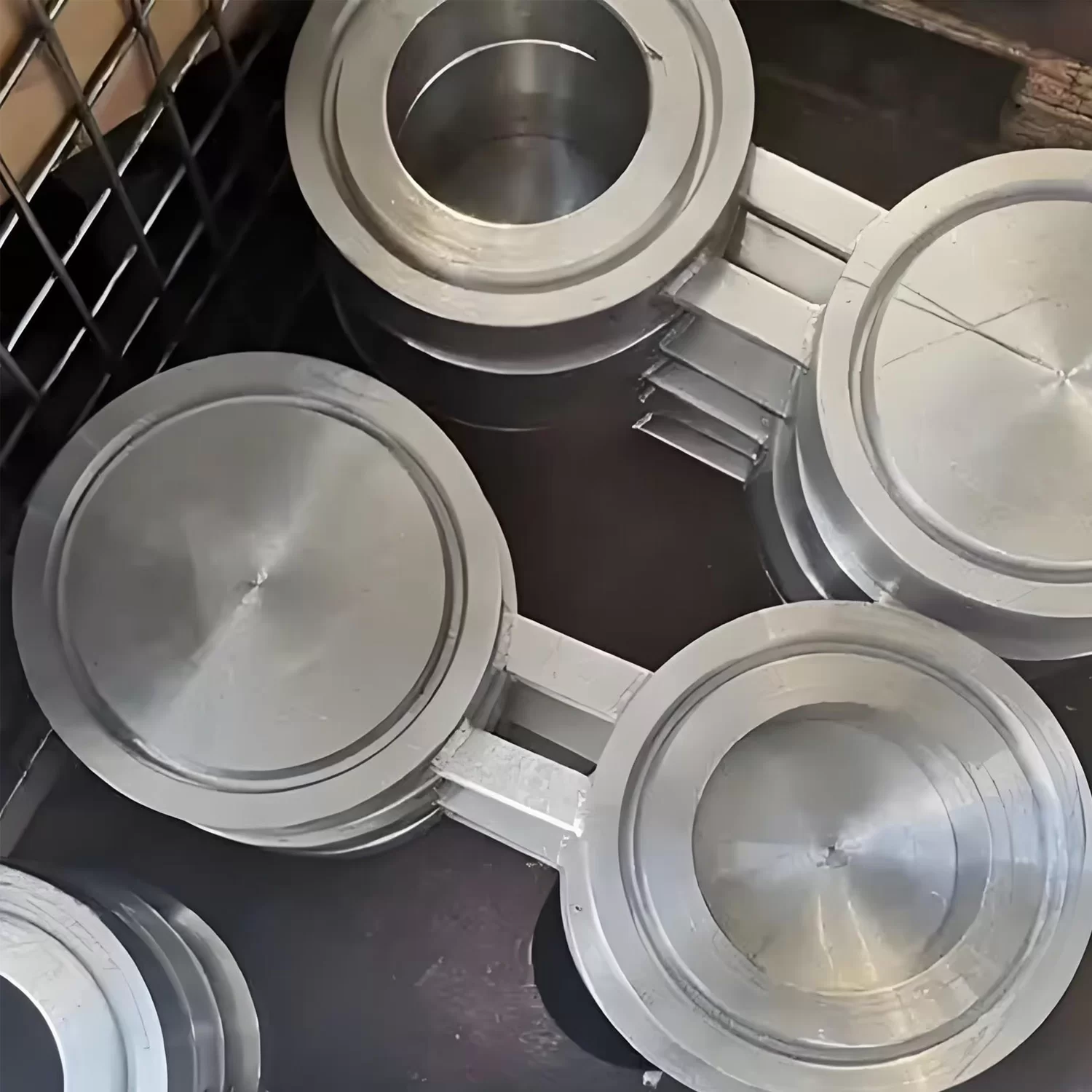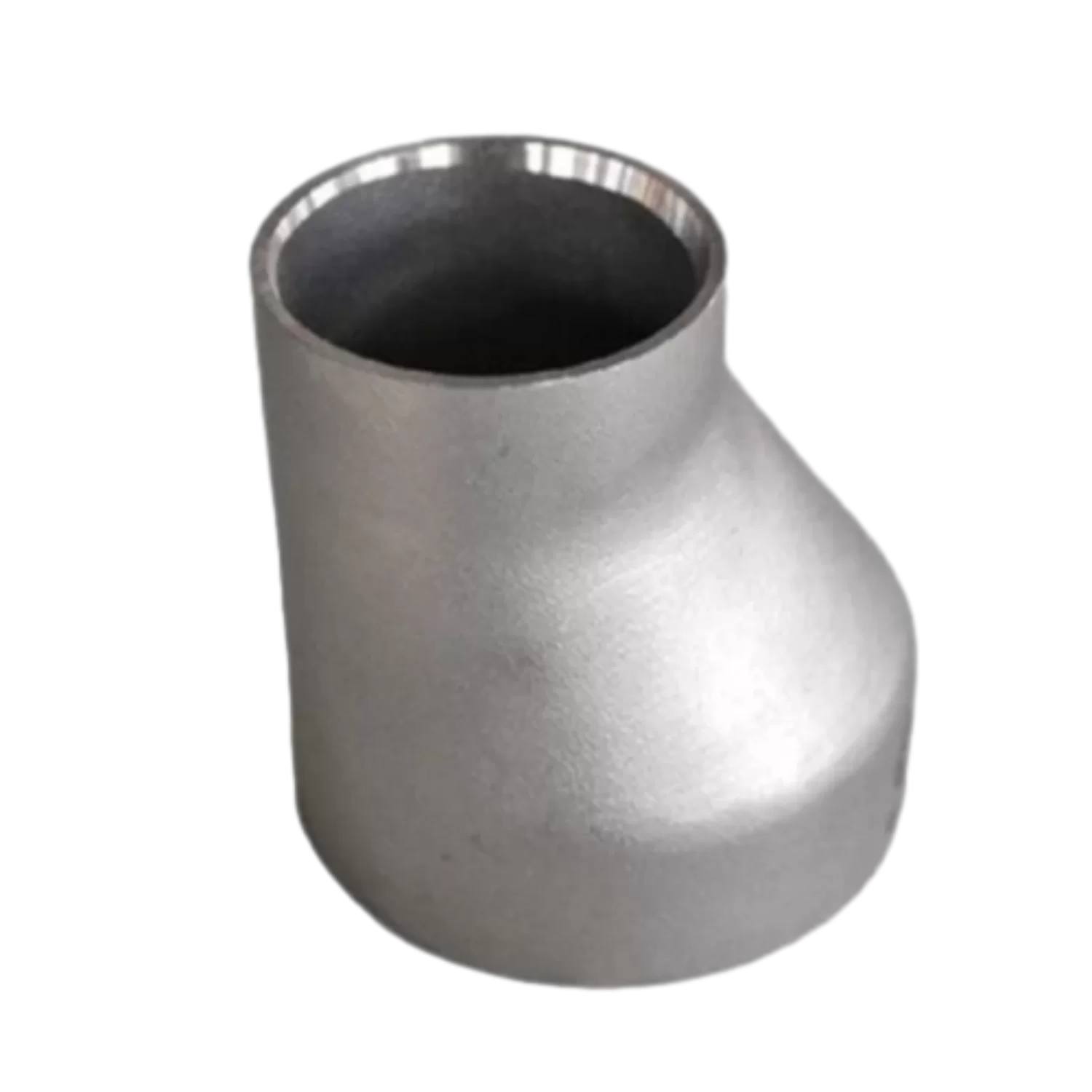
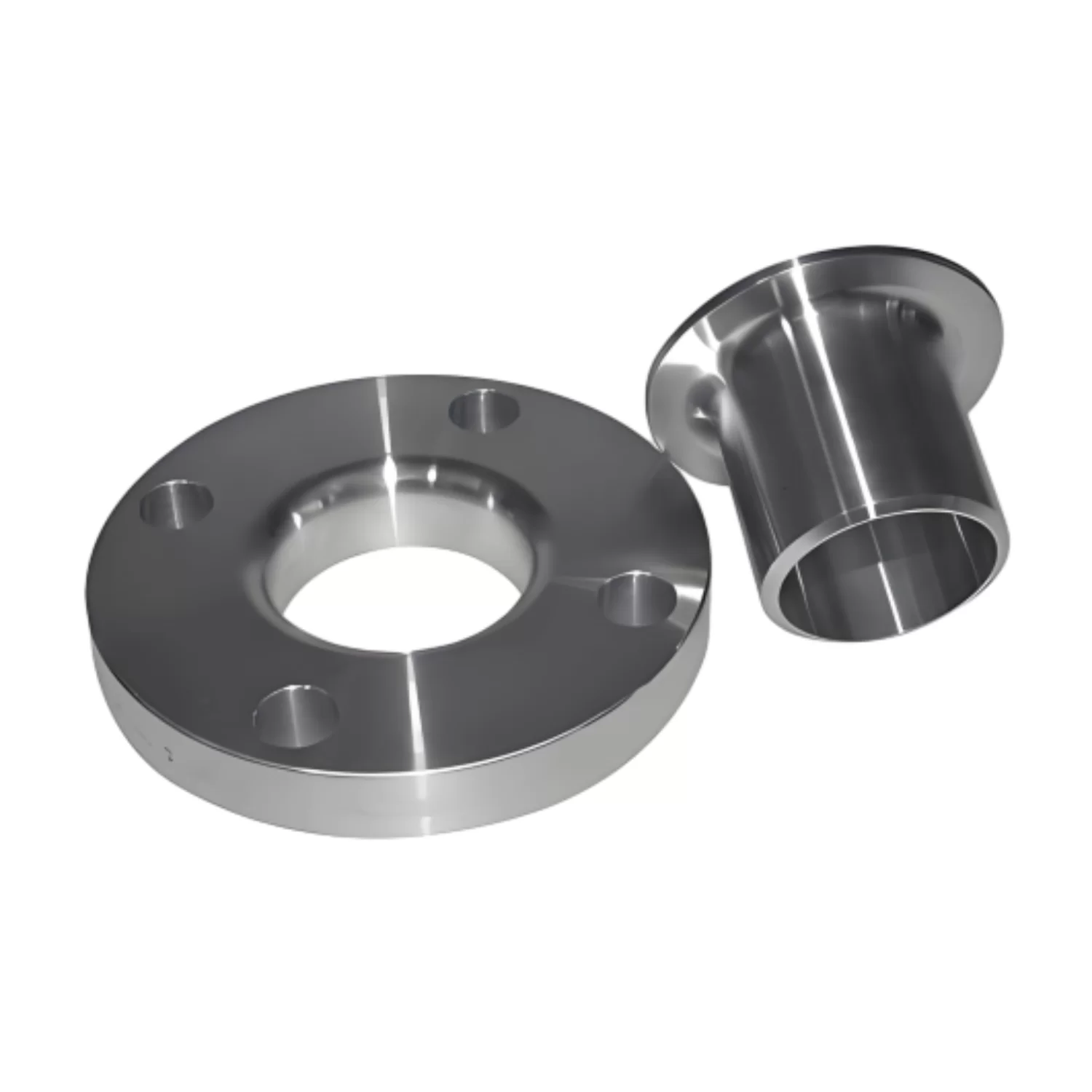
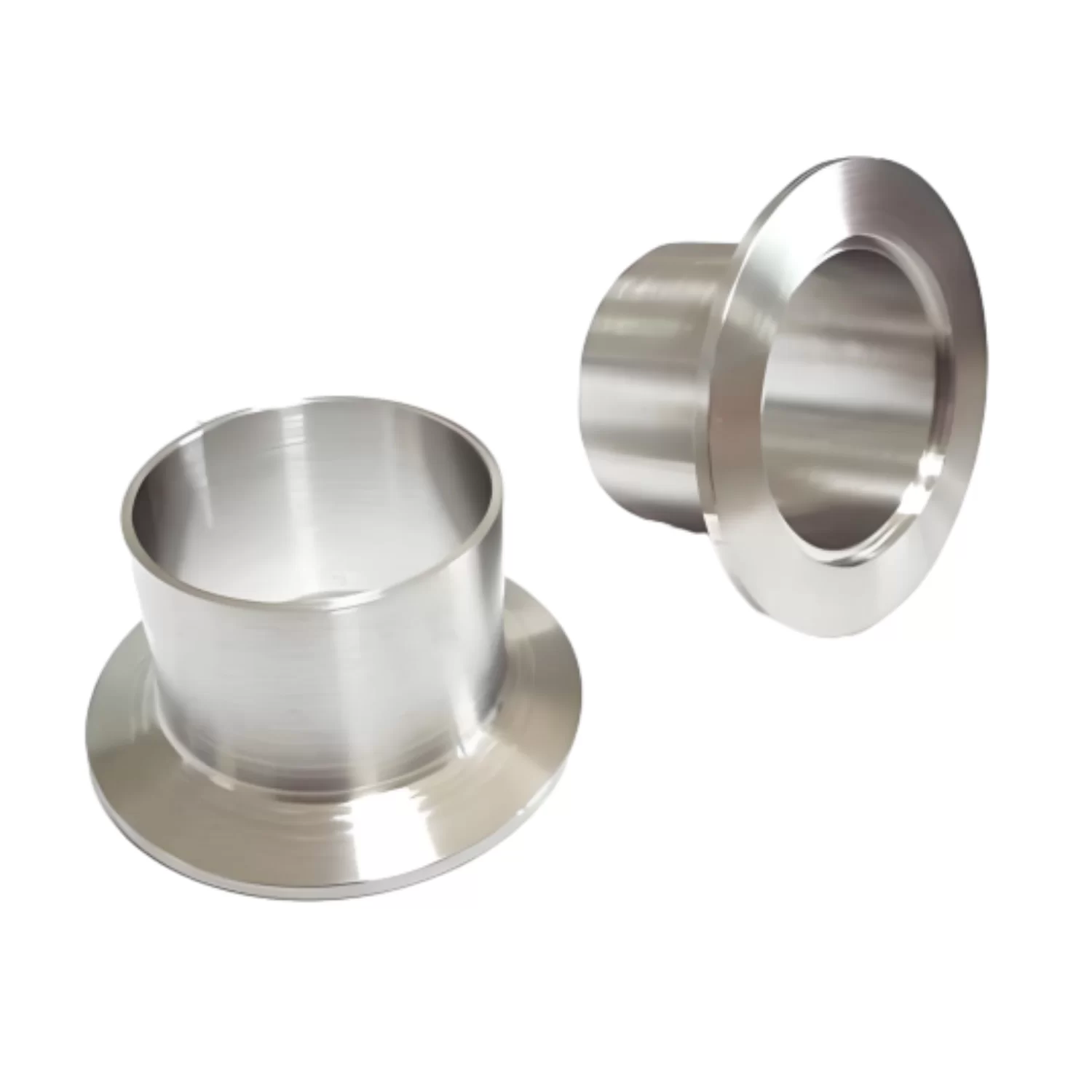
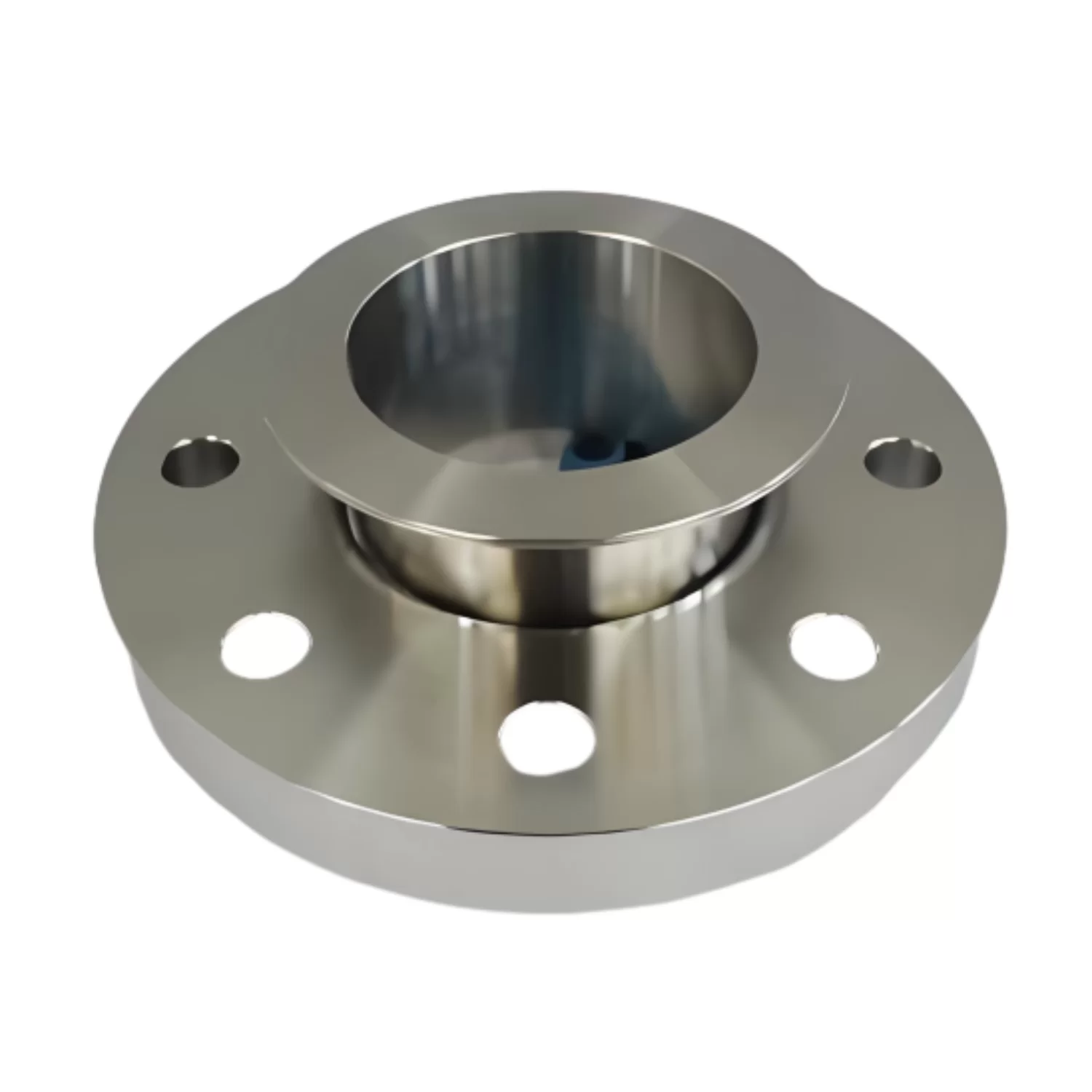
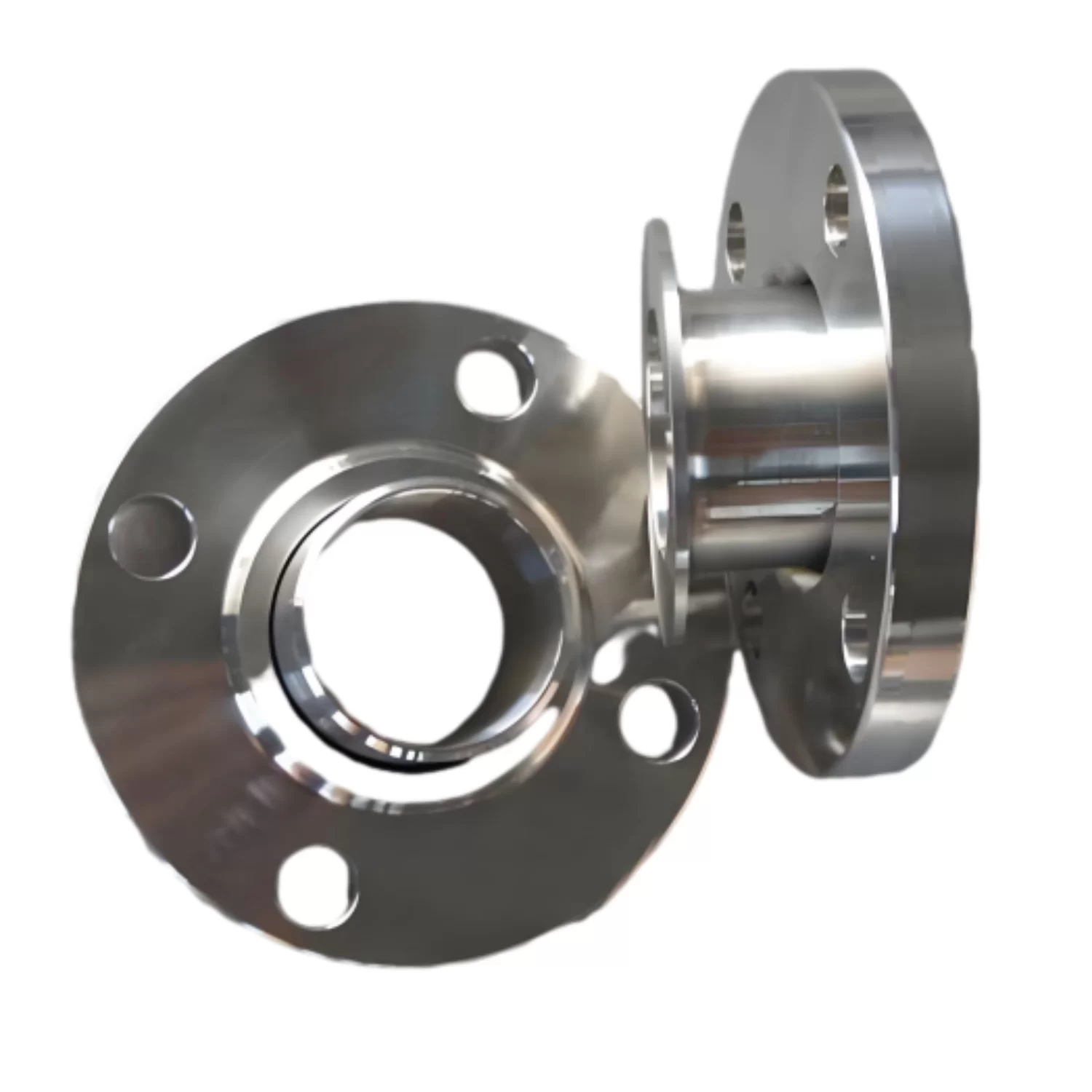
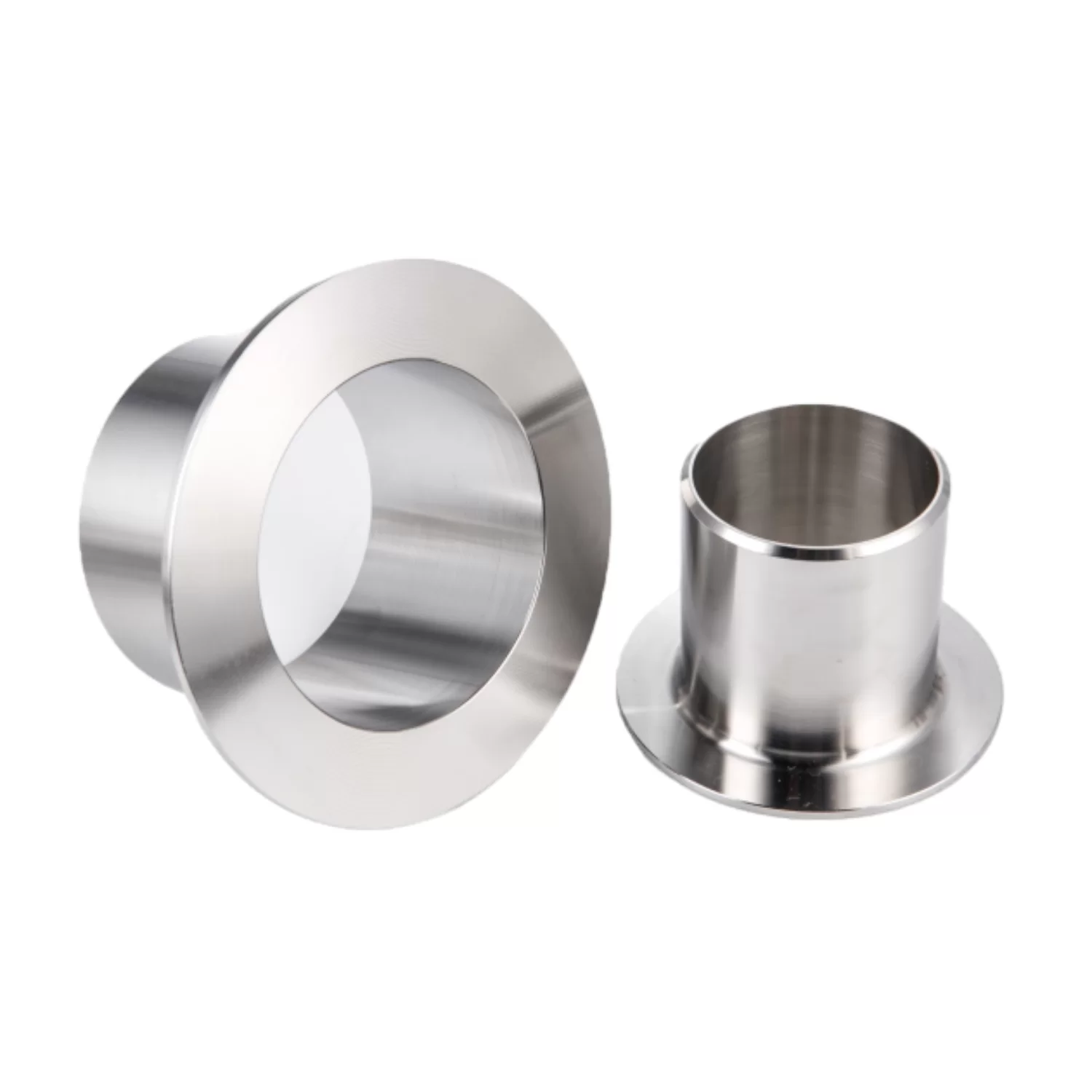
The slip-on flange (ASME B16.5 Slip-on Flange) is a pipe fitting consisting of two core components: a flange disc and a sleeve (or lap joint stub end). The inner diameter of the flange disc is slightly larger than the outer diameter of the pipe. It is fixed to the pipe by welding the sleeve to the pipe—while the flange disc itself is not directly welded to the pipe, but achieves pipe connection through bolt fastening. This "loose-fit" design allows the pipe to undergo axial expansion/contraction or angular deflection within a certain range, effectively relieving stress caused by thermal expansion and contraction, and simplifying the installation and disassembly processes.
I. Product Definition & Structural Features
The slip-on flange (ASME B16.5 Slip-on Flange) is a pipe fitting consisting of two core components: a flange disc and a sleeve (or lap joint stub end). The inner diameter of the flange disc is slightly larger than the outer diameter of the pipe. It is fixed to the pipe by welding the sleeve to the pipe—while the flange disc itself is not directly welded to the pipe, but achieves pipe connection through bolt fastening. This "loose-fit" design allows the pipe to undergo axial expansion/contraction or angular deflection within a certain range, effectively relieving stress caused by thermal expansion and contraction, and simplifying the installation and disassembly processes.
II. Executive Standards & Material Selection
1. Executive Standards
●Design Standard: ASME B16.5 *Pipe Flanges and Flanged Fittings
(covering pressure ratings Class 150 to Class 2500, nominal sizes NPS 1/2 to NPS 24);
●Material Standards: Carbon steel (e.g., ASTM A105, A350 LF2), stainless steel (ASTM A182 F304/F316), alloy steel (ASTM A182 F11/F22), etc. Material selection shall be based on media characteristics, temperature, and pressure rating;
●Sealing Face Standard: Default to Raised Face (RF); optional Flat Face (FF), Ring Type Joint (RTJ), etc.
2. Material Properties
●Carbon Steel Flanges: Low cost, high strength, suitable for non-corrosive media such as water and steam. Operating temperature ≤425℃;
●Stainless Steel Flanges: Excellent corrosion resistance (especially 316 grade with acid and alkali resistance), applicable to chemical, food, and pharmaceutical industries. Temperature range: ●270℃ to 816℃;
●Alloy Steel Flanges: High temperature resistance (e.g., F22 alloy can withstand temperatures above 600℃), commonly used in high-temperature and high-pressure scenarios such as thermal power generation and oil refining.
III. Application Scenarios & Core Advantages
1. Typical Application Fields
●Water Supply and Drainage Engineering: Urban water supply networks and sewage treatment systems, utilizing the loose-fit structure to compensate for pipe settlement and displacement;
●Petrochemical Industry: Pipe connections for transporting crude oil, natural gas, and acid-alkali solutions, adapting to the corrosion resistance requirements of stainless steel materials;
●HVAC Systems: Air conditioning water circulation systems, relieving pipe thermal expansion and contraction caused by temperature changes;
●Marine and Offshore Engineering: Hull piping systems, adapting to vibration and impact loads during ship navigation.
2. Core Advantages
●Easy Installation: Only the sleeve needs to be welded to the pipe; the flange disc can flexibly adjust the angle, reducing requirements for pipe welding precision;
●Stress Compensation: The loose-fit structure allows ±3° angular deflection and ±5mm axial displacement, reducing stress concentration caused by rigid pipe connections;
●Controllable Cost: Compared with integral flanges, the loose-fit design reduces the usage of high-grade materials (e.g., stainless steel), especially suitable for large-diameter pipelines;
●Good Maintainability: No need to cut the pipe during disassembly—only loosen the bolts to replace the flange or gasket, lowering maintenance costs.
IV. Technical Parameters
Parameter | Description |
Nominal Pipe Size (NPS) | Corresponding to pipe outer diameter (e.g., NPS 2 corresponds to pipe outer diameter 60.3mm). Range: 1/2" to 24" (custom large-diameter specifications available); |
Pressure Rating (Class) | 150 (2.0MPa), 300 (5.0MPa), 600 (10.0MPa), etc., shall match the system operating pressure; |
Flange Thickness (t) | Increases with pressure rating (e.g., Class 150 NPS 2 flange thickness is 12.7mm, Class 300 is 19.1mm); |
Number and Diameter of Bolt Holes | Arranged according to standards (e.g., Class 150 NPS 2 flange has 4 Φ18 bolt holes, bolt specification M16). |
V. Quality Control & Certification
●Production Standards: Complies with ISO 9001 quality management system; key processes (e.g., forging, heat treatment) are fully recorded;
●Inspection Items: Prior to delivery, dimensional inspection (diameter, thickness, bolt hole position), mechanical property testing (tensile strength, hardness), and non-destructive testing (ultrasonic testing, UT—ensuring no inclusions/porosity internally) are performed;
●Certification Requirements: Export products shall provide ASME U Stamp and PED 2014/68/EU certification; domestic projects shall meet compatibility requirements with standards such as GB/T 9119.
Dec 02,25
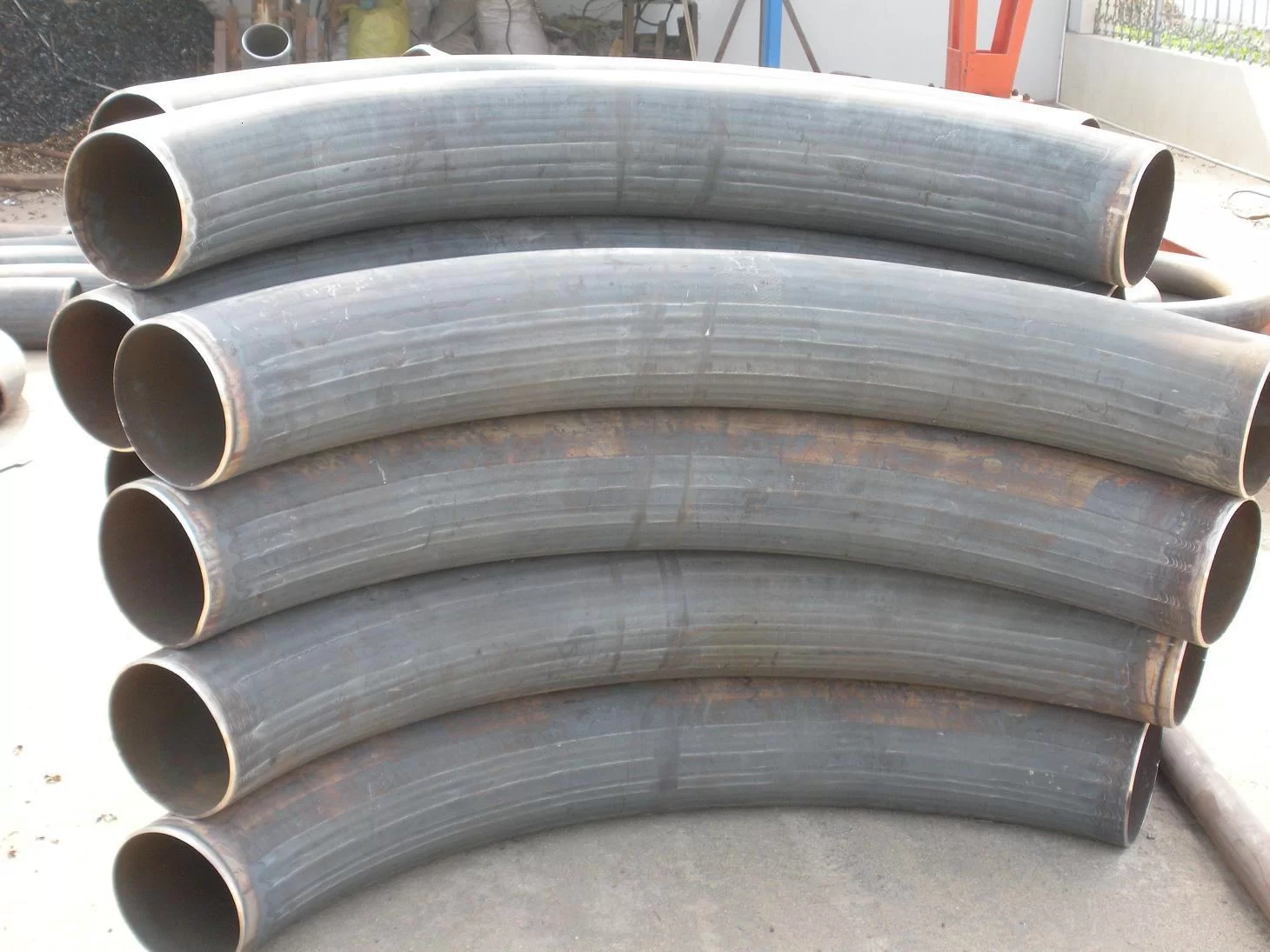
Characteristics And Common Applications Of Carbon Steel Bending Pipe
The use of bent piping is an essential practice in industrial construction, allowing fluid transfer lines to navigate complex routes, compensate for thermal expansion, and eliminate the need for numerous welded elbow fittings.
Dec 02,25
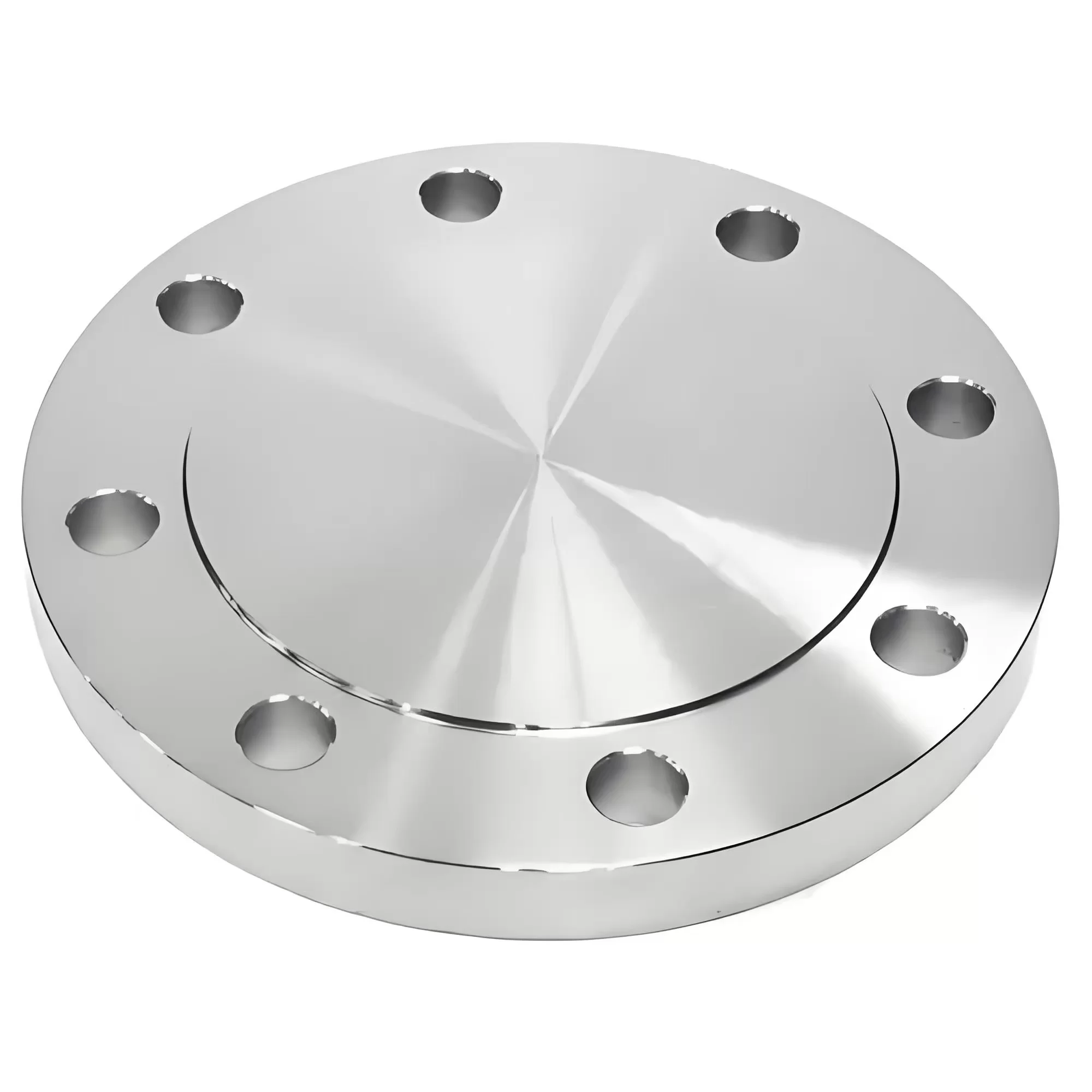
Corrosion-Resistant Flanges For Chemical And Marine Industries
Flanges are indispensable components in piping systems, serving as the critical junctions that allow for connections, maintenance, and isolation of flow.
Dec 02,25
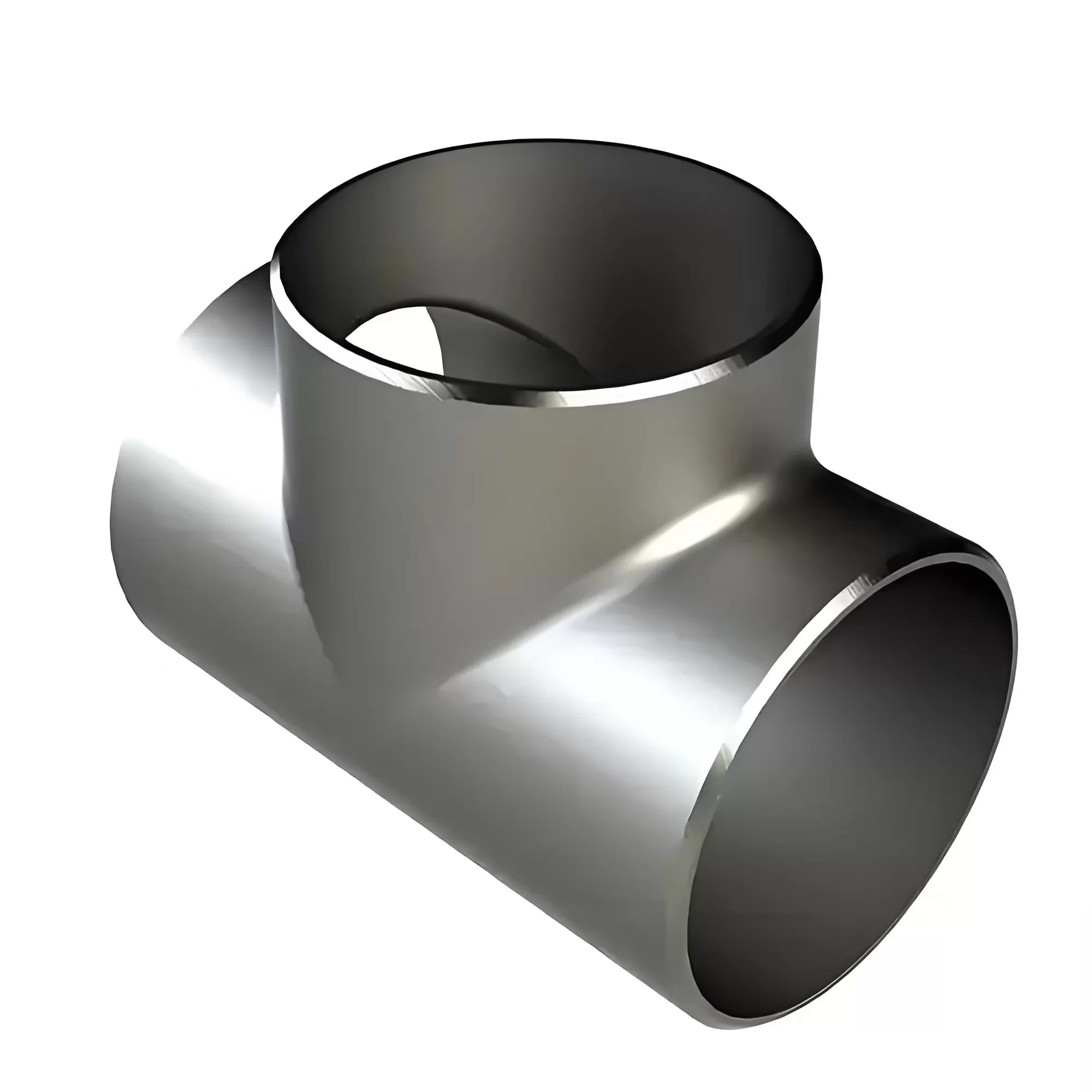
The Core Role Of The Tee In Pipeline Systems
In the complex architecture of modern pipeline systems—spanning petrochemical plants, municipal waterworks, HVAC networks, and power generation facilities—the tee fitting is arguably one of the most critical and universally employed components.
SUBSCRIBE NEWSLETTER