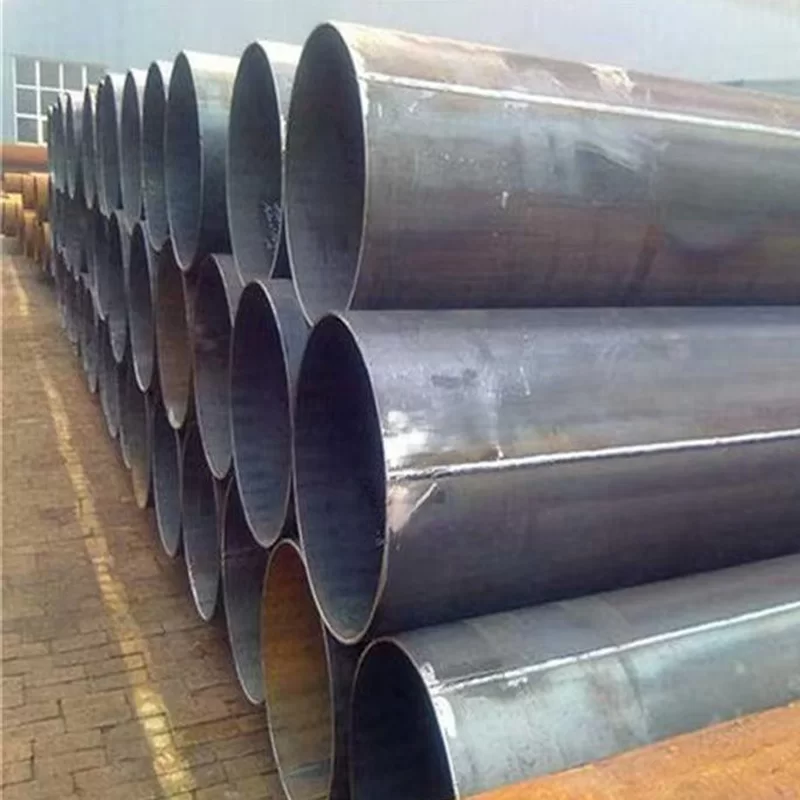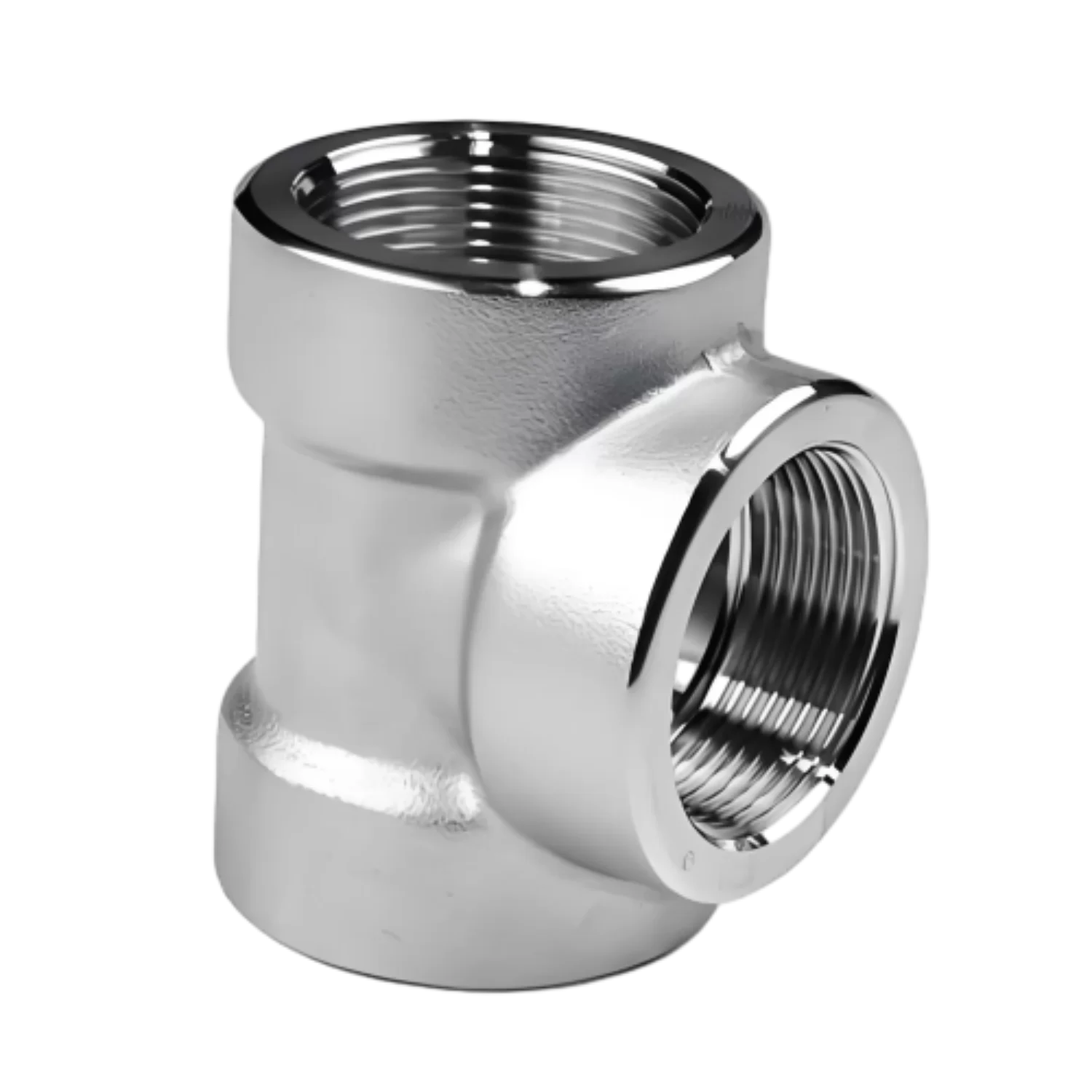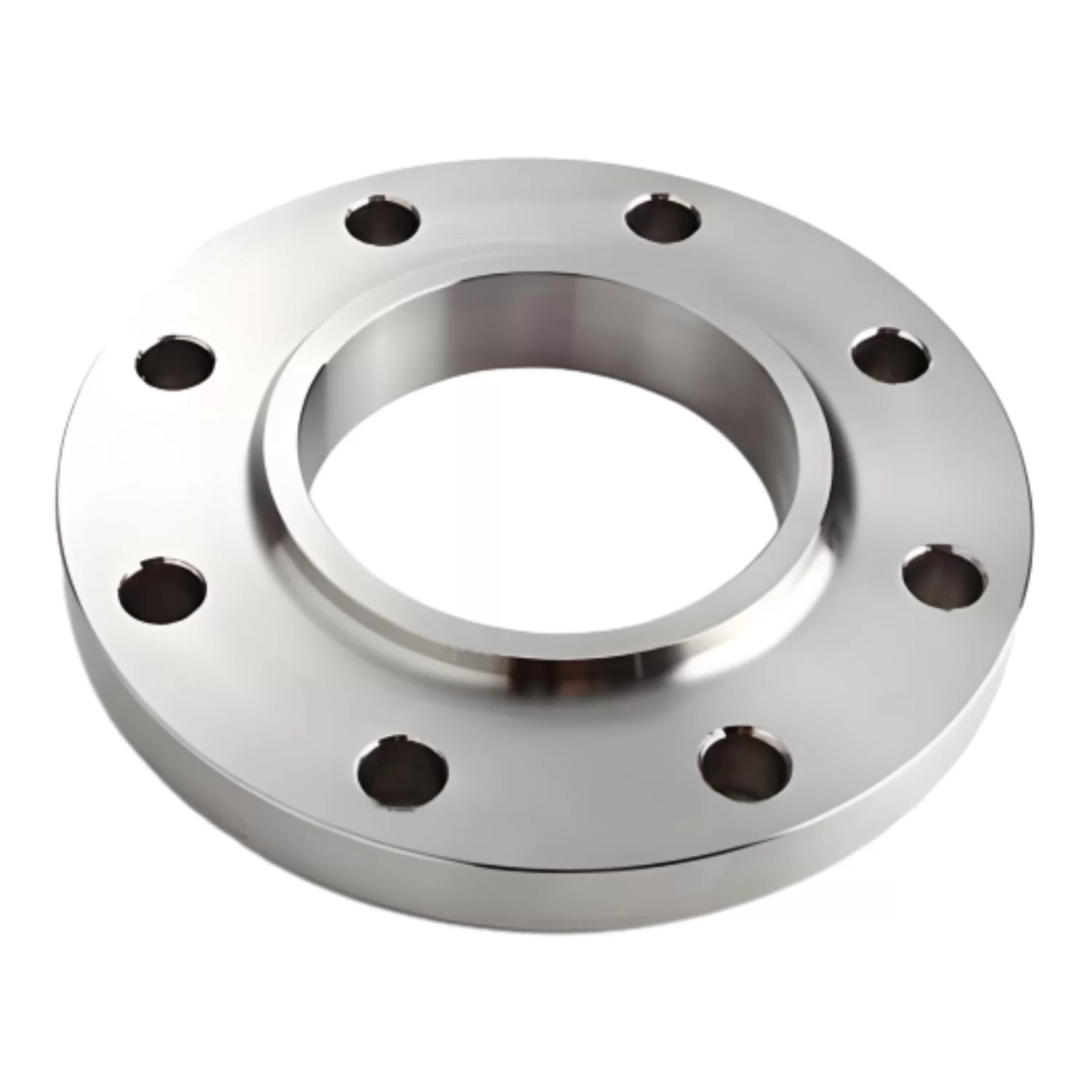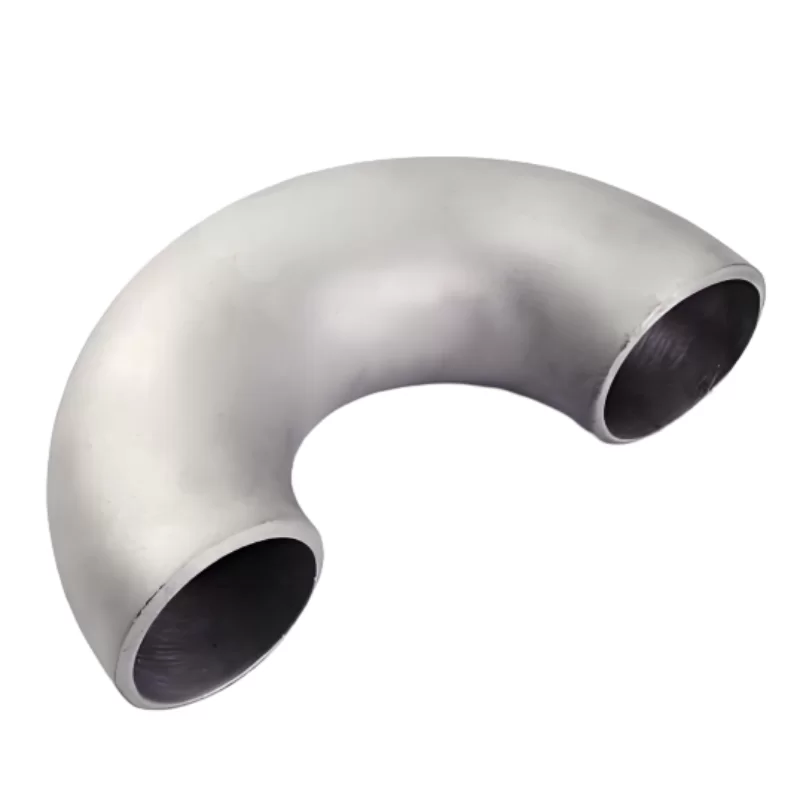
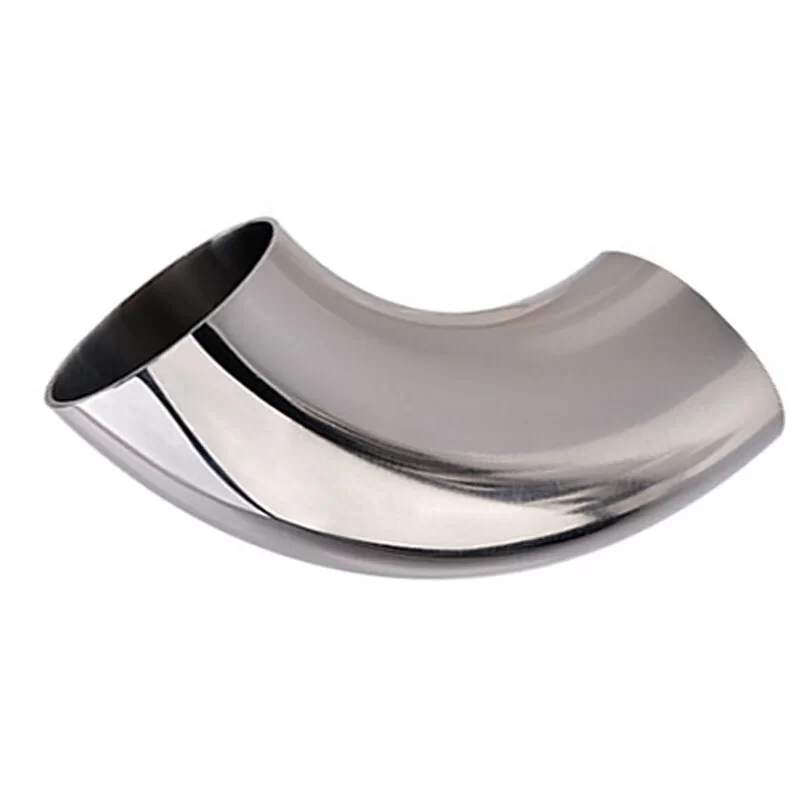
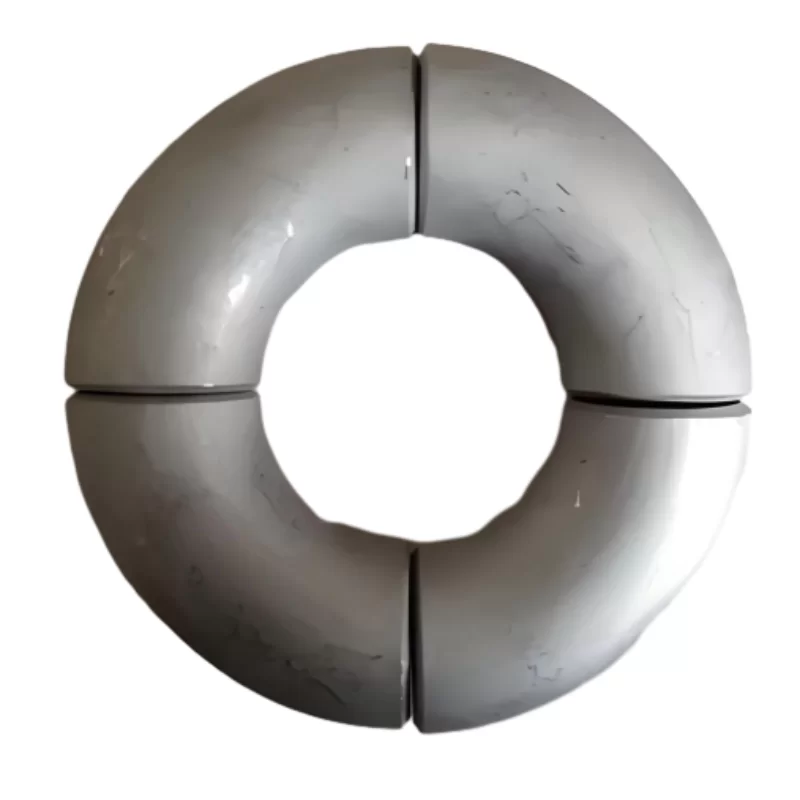
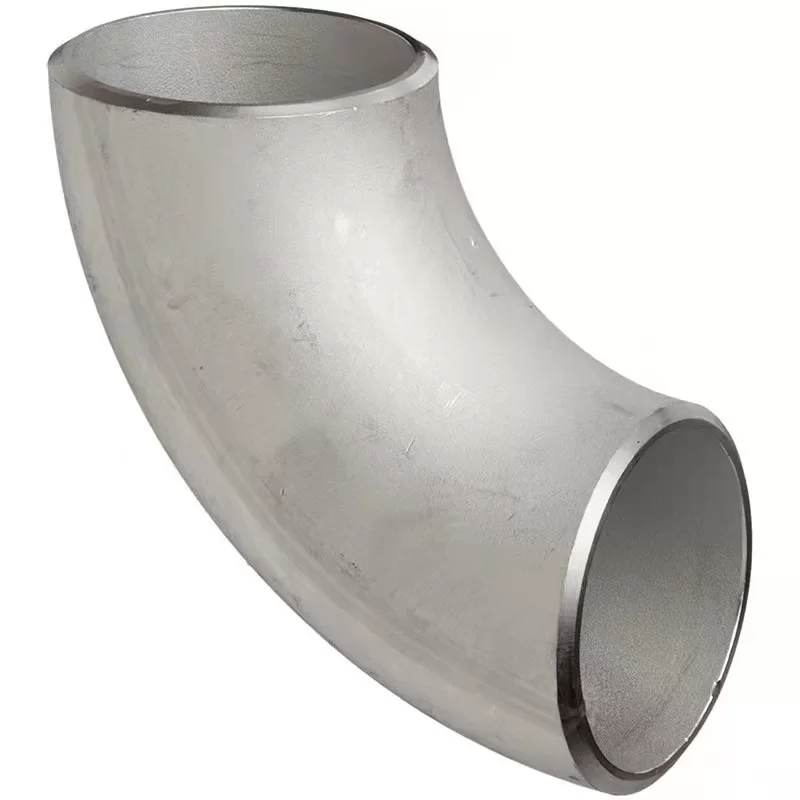
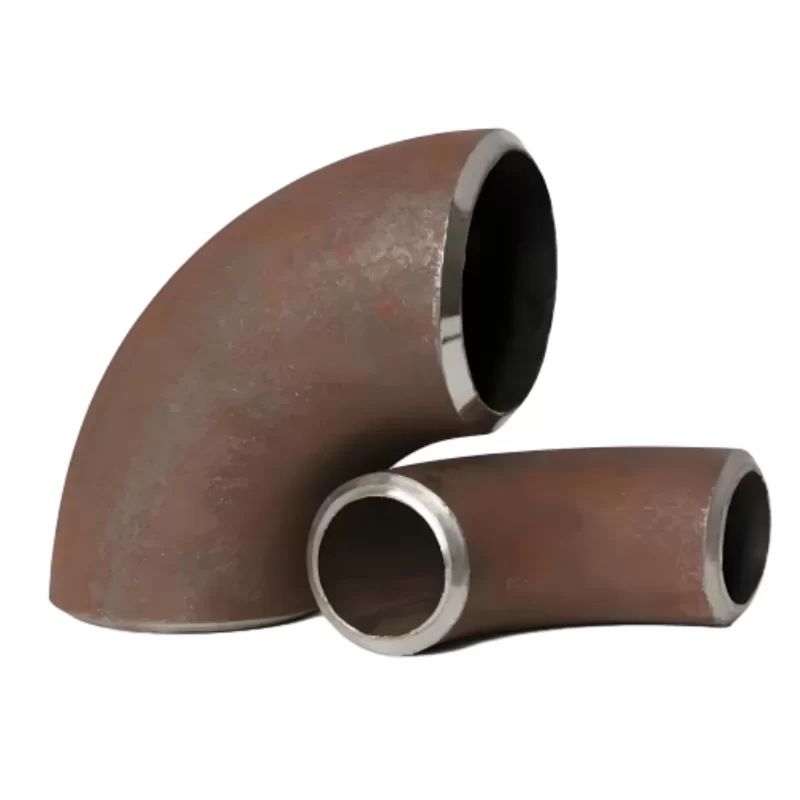
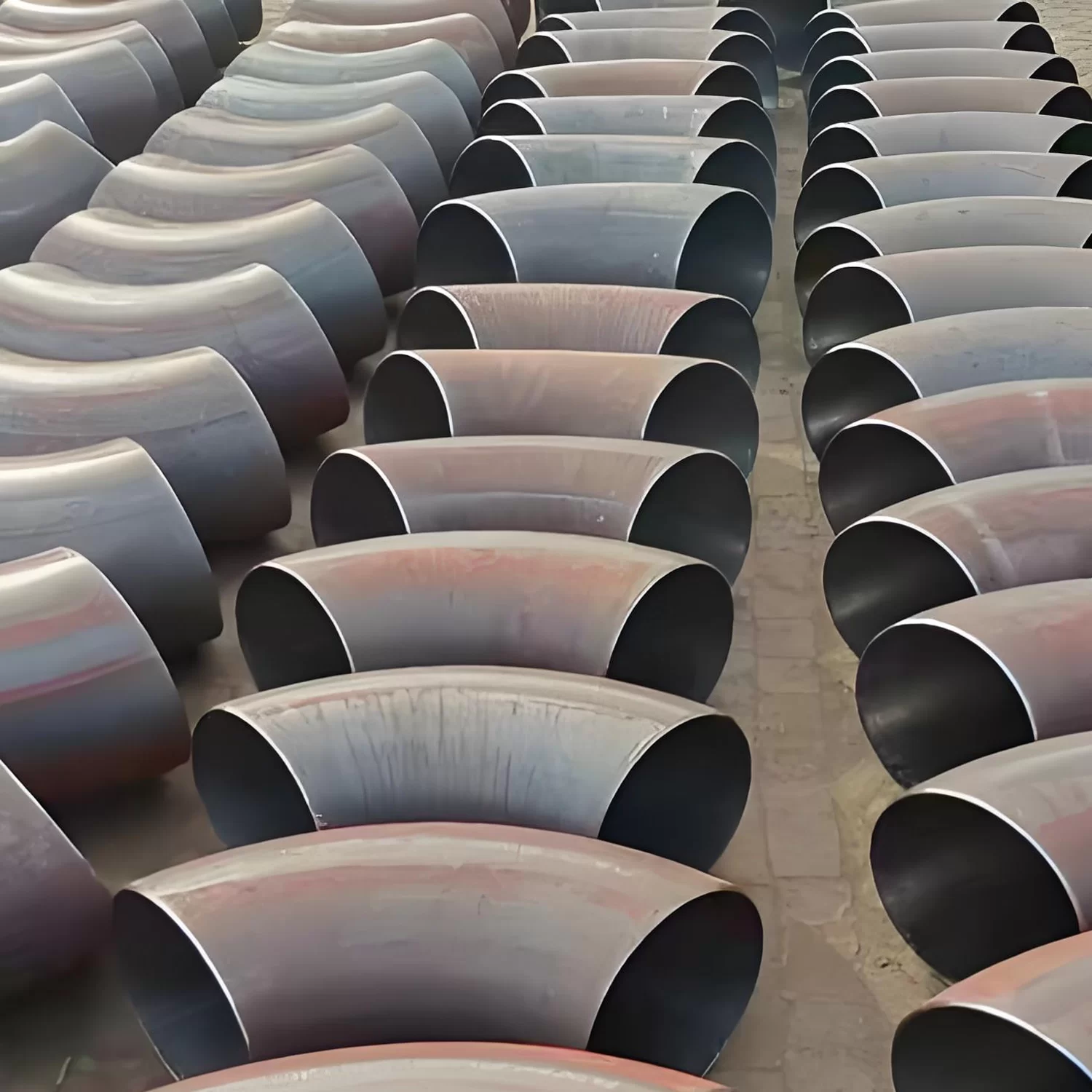
The ASME 90° Elbow is a pipe fitting engineered for 90-degree directional changes in pipeline systems. Manufactured in strict compliance with American national standards (e.g., ASME B16.9, ASME B16.28), it finds extensive applications in industrial sectors including petroleum, petrochemical, natural gas, water treatment, power generation, and shipbuilding. Its core function is to connect two pipe sections (with identical or different nominal diameters), redirect fluid flow, while guaranteeing the pipeline system's sealing integrity and pressure-bearing capability.
Product Overview
The ASME 90° Elbow is a pipe fitting engineered for 90-degree directional changes in pipeline systems. Manufactured in strict compliance with American national standards (e.g., ASME B16.9, ASME B16.28), it finds extensive applications in industrial sectors including petroleum, petrochemical, natural gas, water treatment, power generation, and shipbuilding. Its core function is to connect two pipe sections (with identical or different nominal diameters), redirect fluid flow, while guaranteeing the pipeline system's sealing integrity and pressure-bearing capability.
Executive Standards
2.1 Design Standards
Adheres to ASME B16.9 (*Factory-Made Wrought Buttwelding Fittings*) and ASME B16.28 (*Wrought Steel Buttwelding Short-Radius Elbows and Returns*), ensuring structural dimensions and pressure ratings are fully compatible with the global industrial framework.
2.2 Material Standards
Materials are selected based on the properties of the conveyed medium. Common material grades include:
●Carbon Steel: A234 WPB, A420 WPL6 (for low-temperature service);
●Stainless Steel: A403 WP304/304L, WP316/316L (for corrosion-resistant applications);
●Alloy Steel: A234 WP11/WP22 (for high-temperature and high-pressure pipelines).
2.3 Pressure Ratings
Classified in accordance with ASME B16.5 or ASME B16.47, covering Class 150, 300, 600, 900, 1500, and 2500, to accommodate diverse working pressure environments.
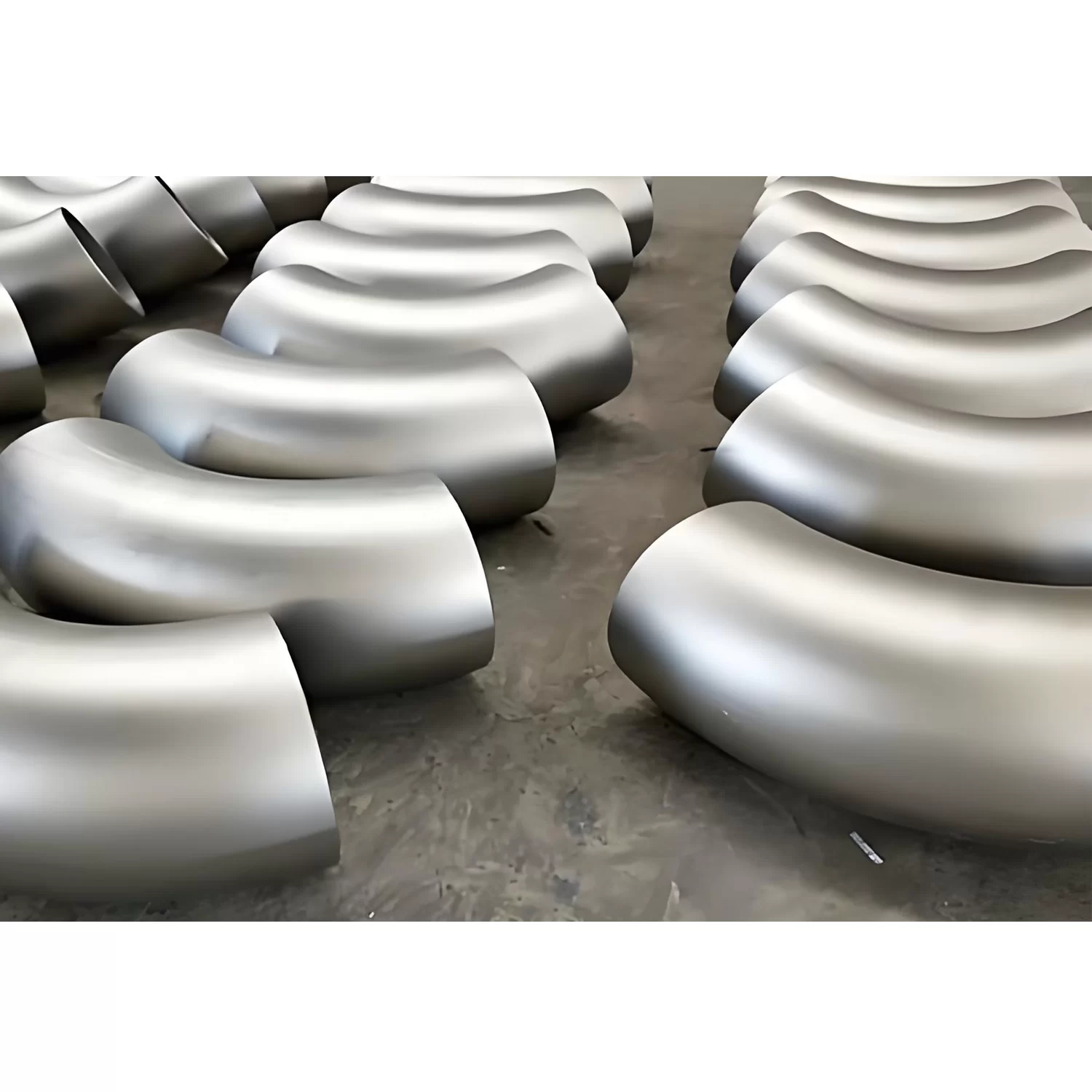
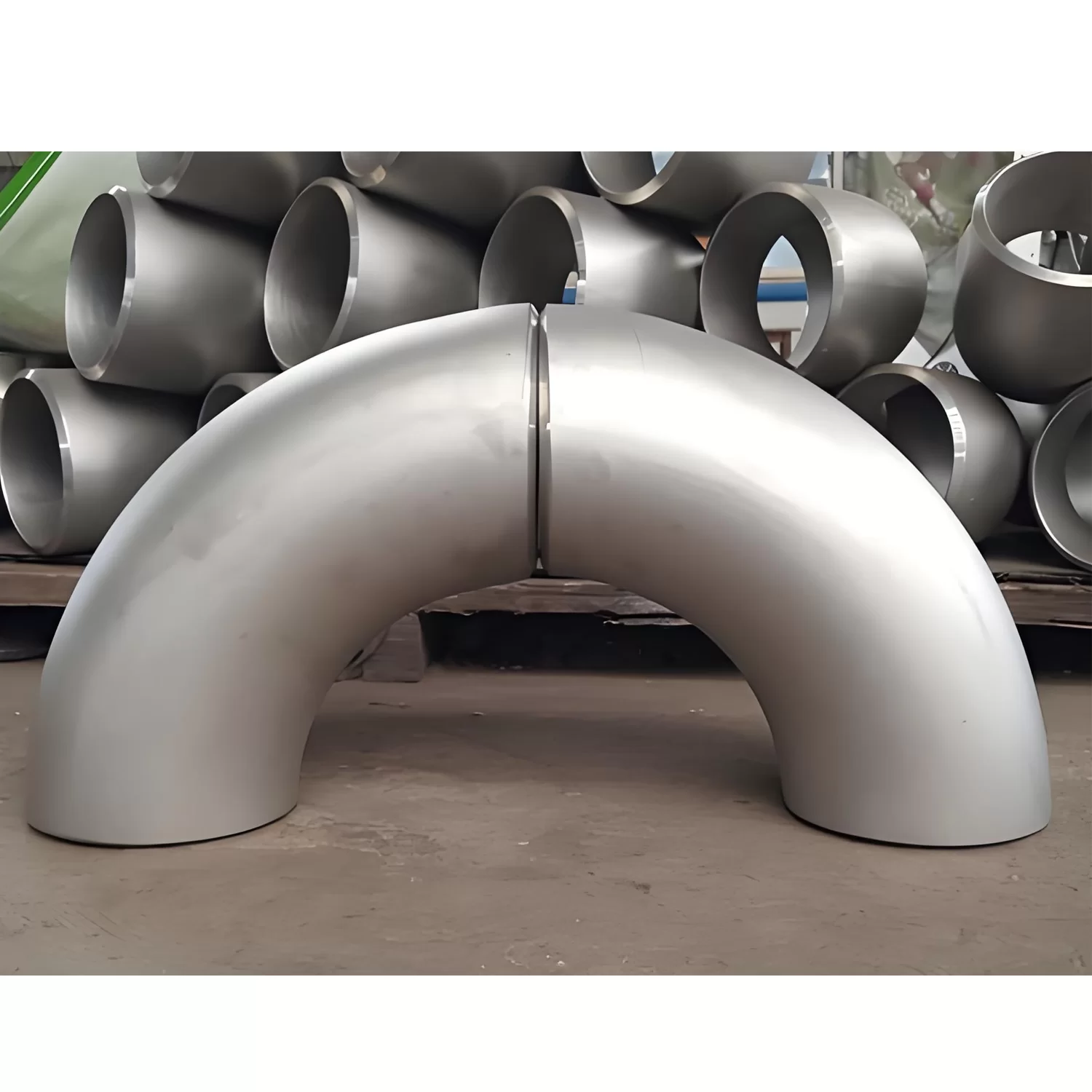
Structural Features
3.1 Angle Precision
The 90° turning angle tolerance is controlled within ≤ ±1°, ensuring accurate pipeline alignment post-installation and minimizing fluid resistance.
3.2 Radius of Curvature
Available in two configurations: Long Radius (LR) and Short Radius (SR):
●Long Radius (LR) Elbow: Radius of curvature R = 1.5DN (DN = Nominal Diameter). Features low fluid resistance, suitable for conventional low-resistance systems;
●Short Radius (SR) Elbow: Radius of curvature R = 1.0DN. Compact structure saves installation space, ideal for space-constrained areas or applications permitting higher resistance.
3.3 Connection Methods
Predominantly Butt Weld (BW) connection. Pipe ends are machined with bevels (conforming to ASME B16.25) to ensure weld strength and sealing performance. Threaded (NPT/BSPT) or flange connections are available for small-diameter products.
3.4 Wall Thickness Schedules
Corresponds to wall thickness schedules including Sch40, Sch80, Sch160, and XXS, meeting strength requirements under varying pressure and corrosion conditions.
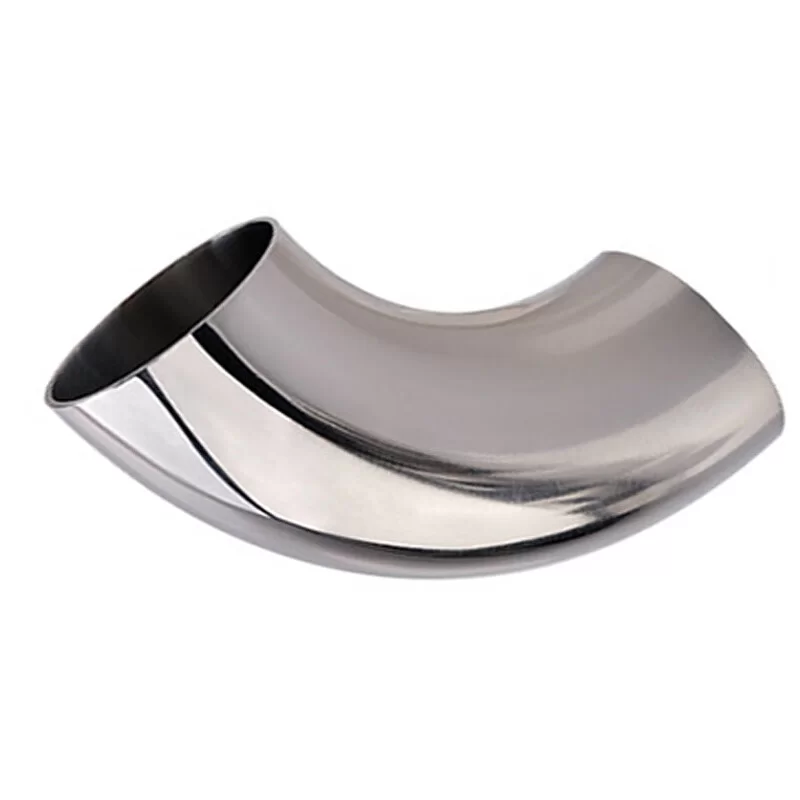
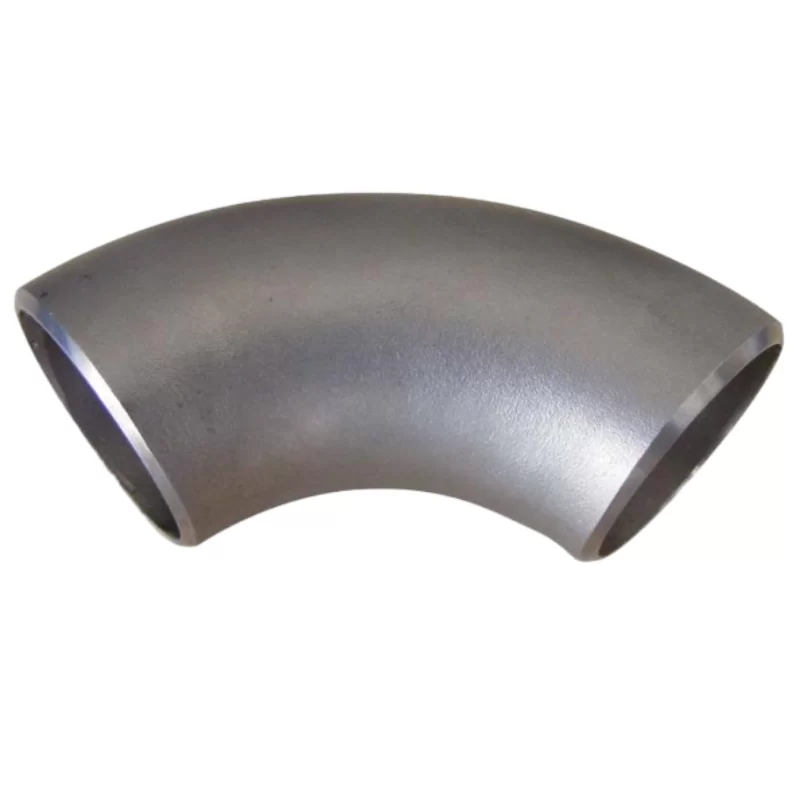
Application Scenarios
●Petrochemical Industry: Directional changes in crude oil, refined oil, and chemical feedstock pipelines;
●Power Energy Sector: Flow redirection in steam pipelines of thermal power plants and cooling systems of nuclear power plants;
●Municipal Engineering: Urban water supply/drainage and natural gas pipeline networks;
●Marine & Offshore Engineering: Ship piping systems and oil-gas transportation on offshore platforms;
●Food & Pharmaceutical Industry: Stainless steel elbows for clean fluid conveyance, complying with hygienic standards.
Dec 02,25
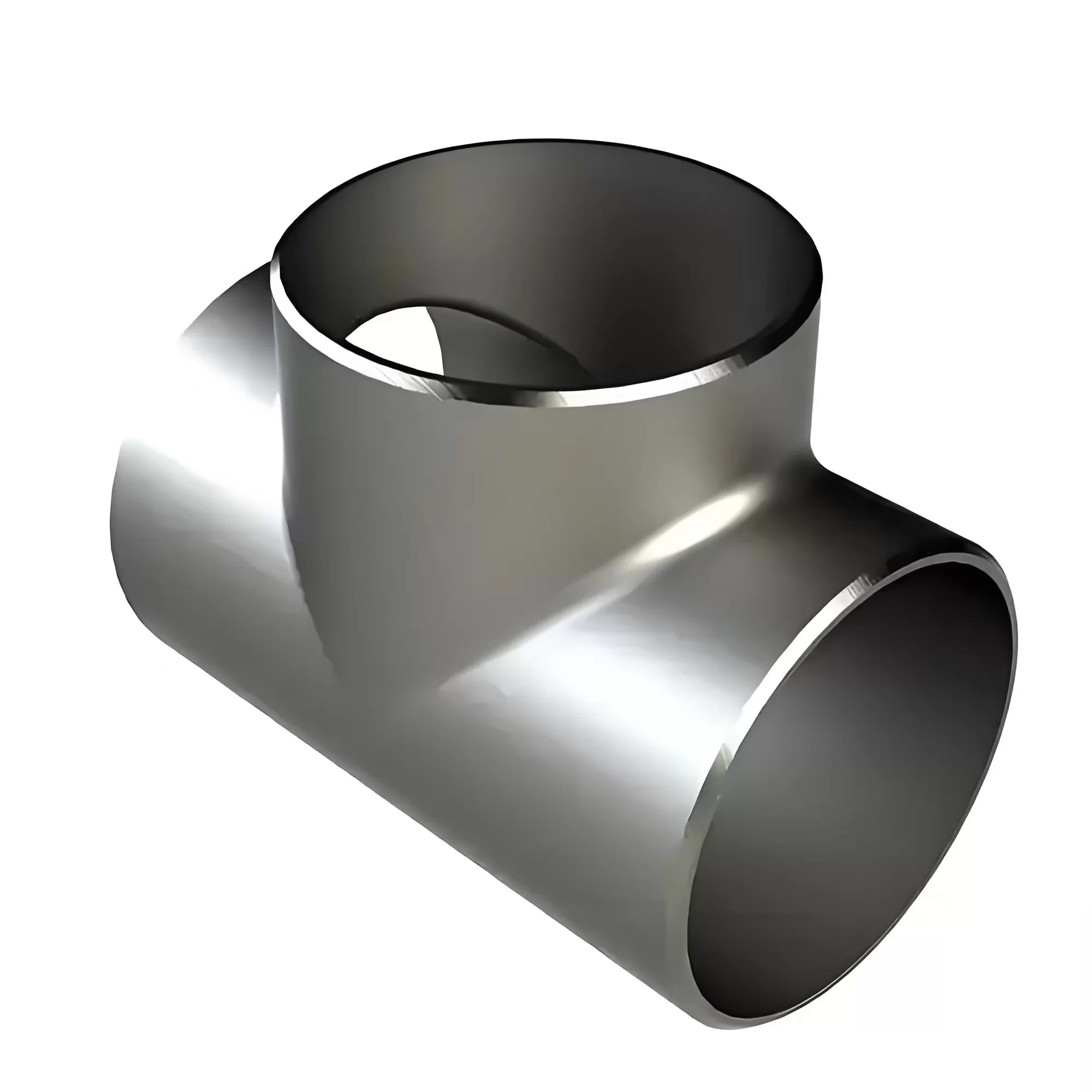
The Core Role Of The Tee In Pipeline Systems
In the complex architecture of modern pipeline systems—spanning petrochemical plants, municipal waterworks, HVAC networks, and power generation facilities—the tee fitting is arguably one of the most critical and universally employed components.
Dec 02,25
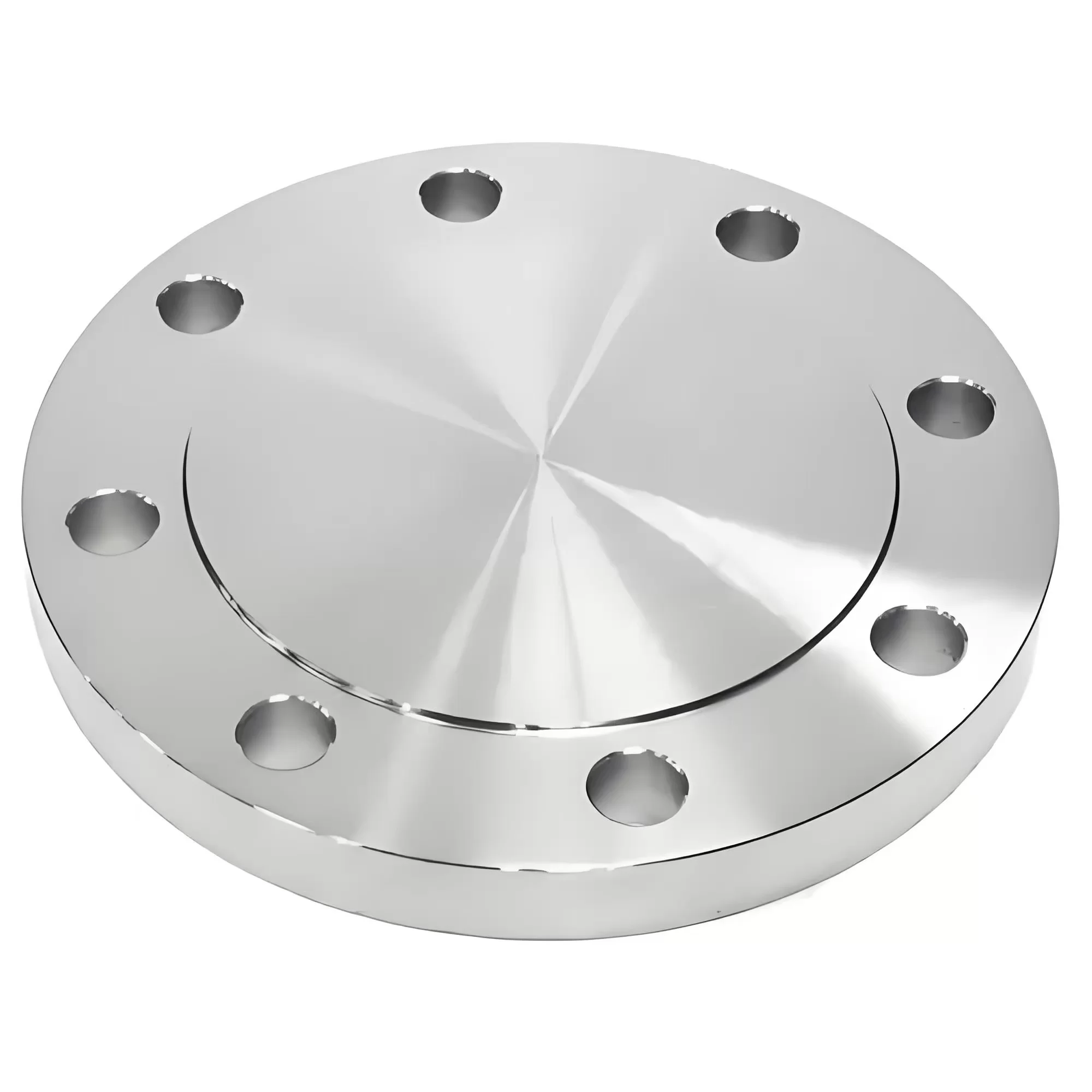
Corrosion-Resistant Flanges For Chemical And Marine Industries
Flanges are indispensable components in piping systems, serving as the critical junctions that allow for connections, maintenance, and isolation of flow.
Dec 02,25
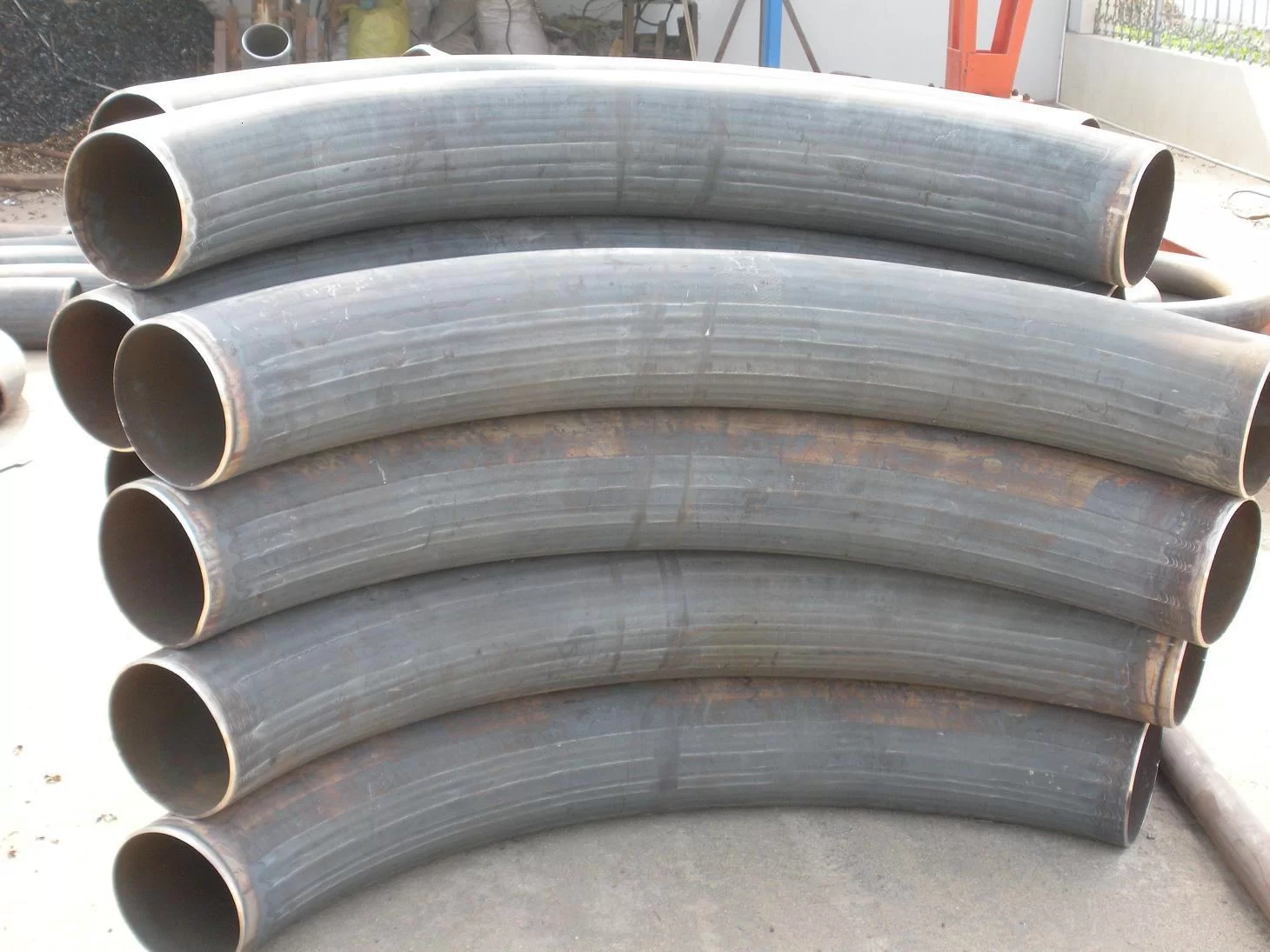
Characteristics And Common Applications Of Carbon Steel Bending Pipe
The use of bent piping is an essential practice in industrial construction, allowing fluid transfer lines to navigate complex routes, compensate for thermal expansion, and eliminate the need for numerous welded elbow fittings.
SUBSCRIBE NEWSLETTER