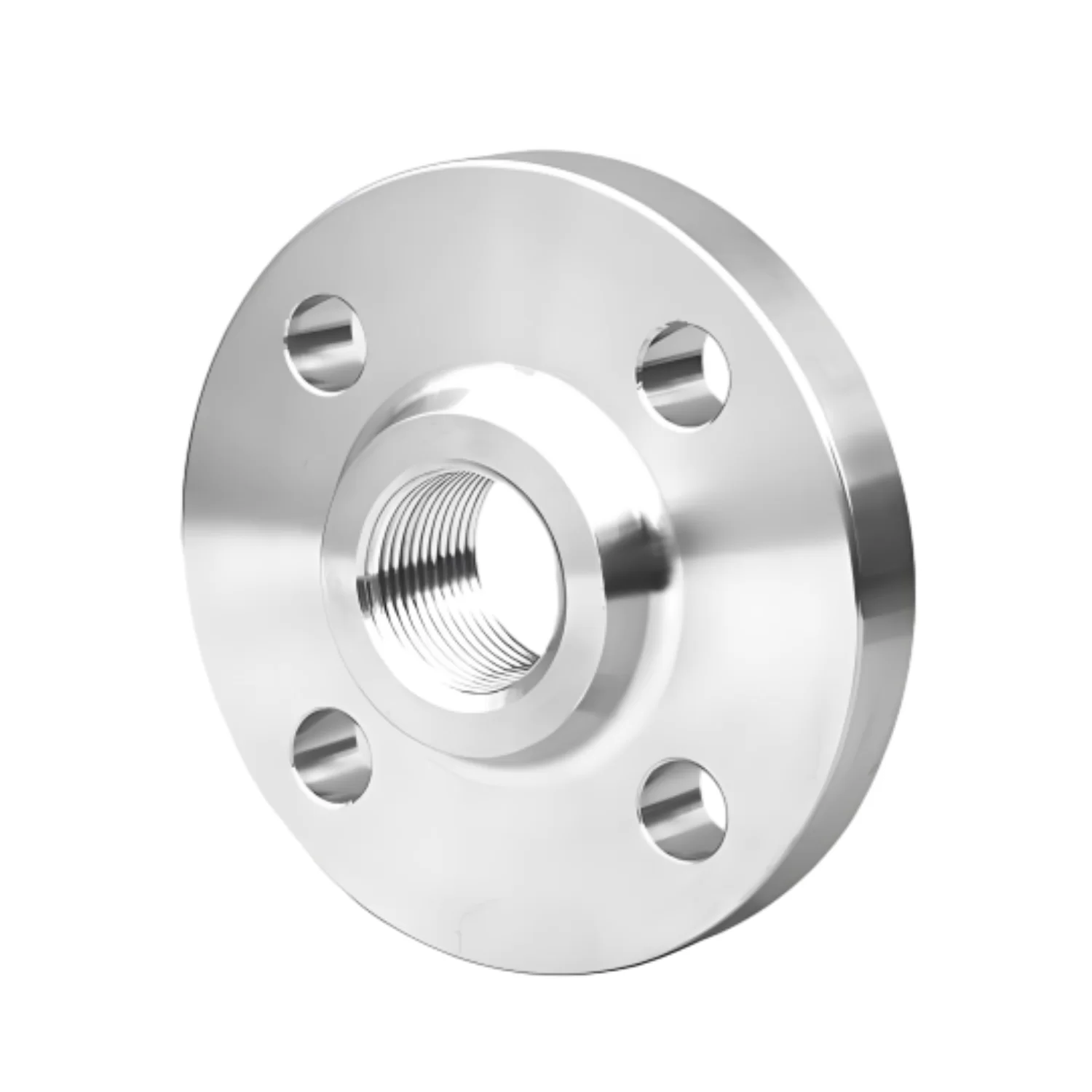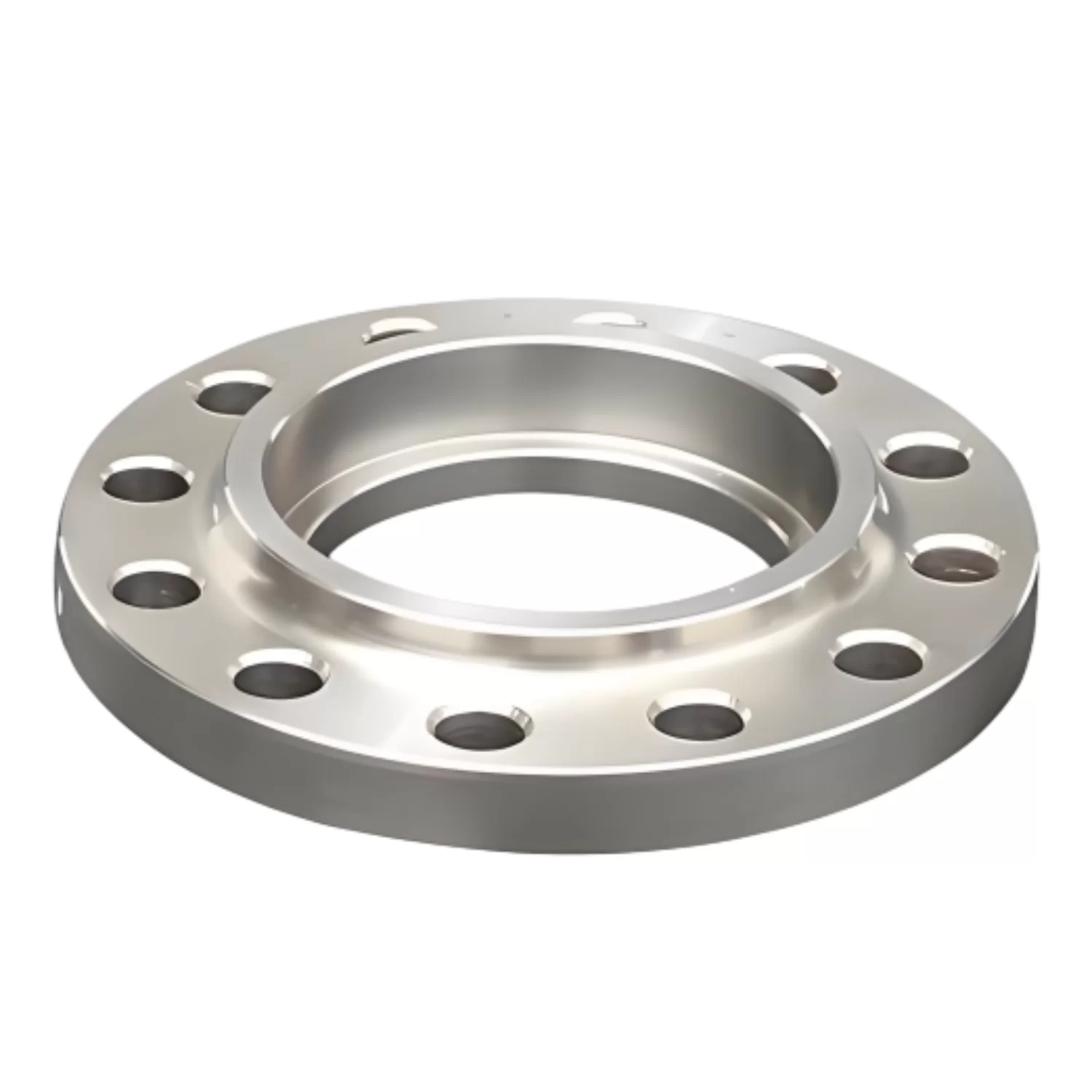
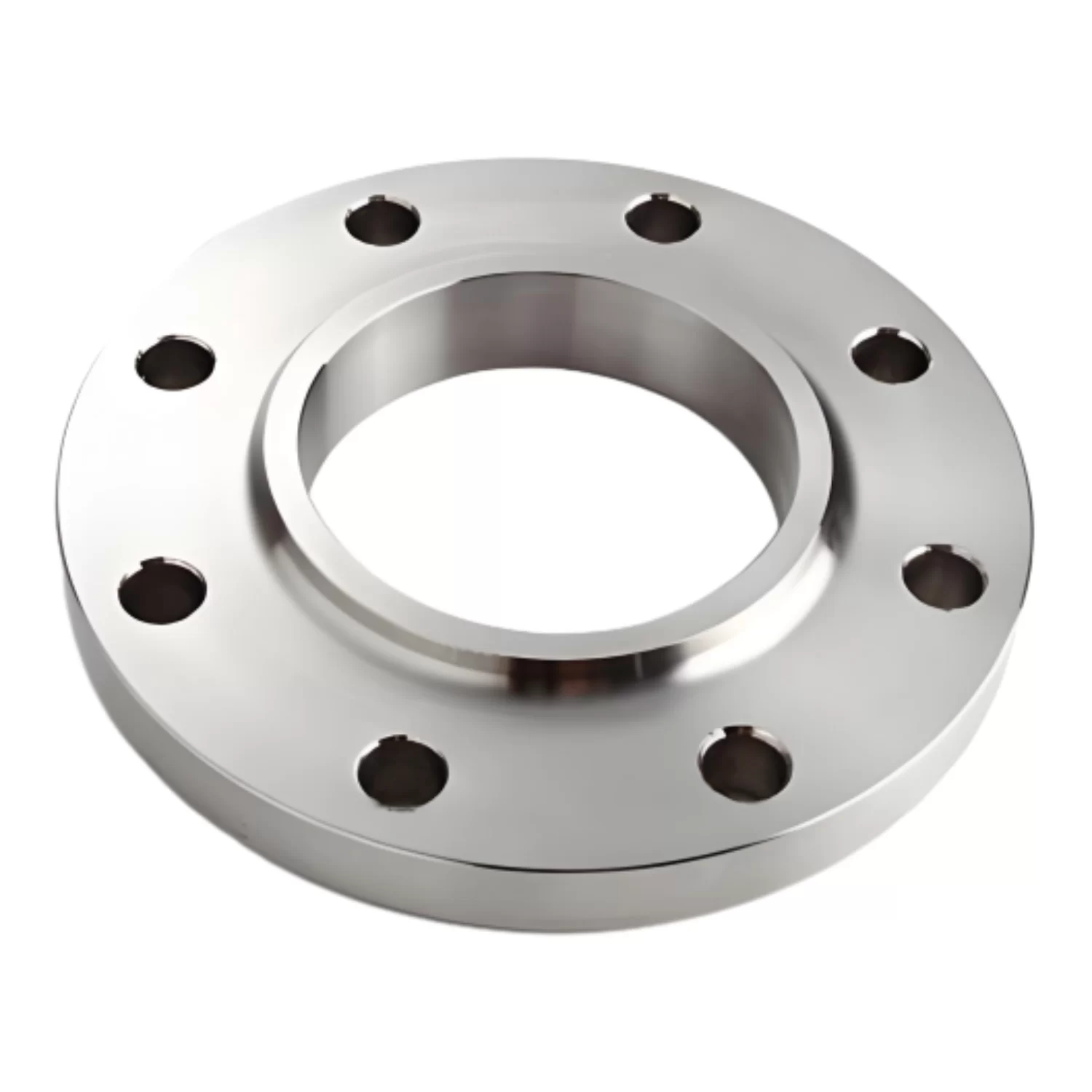
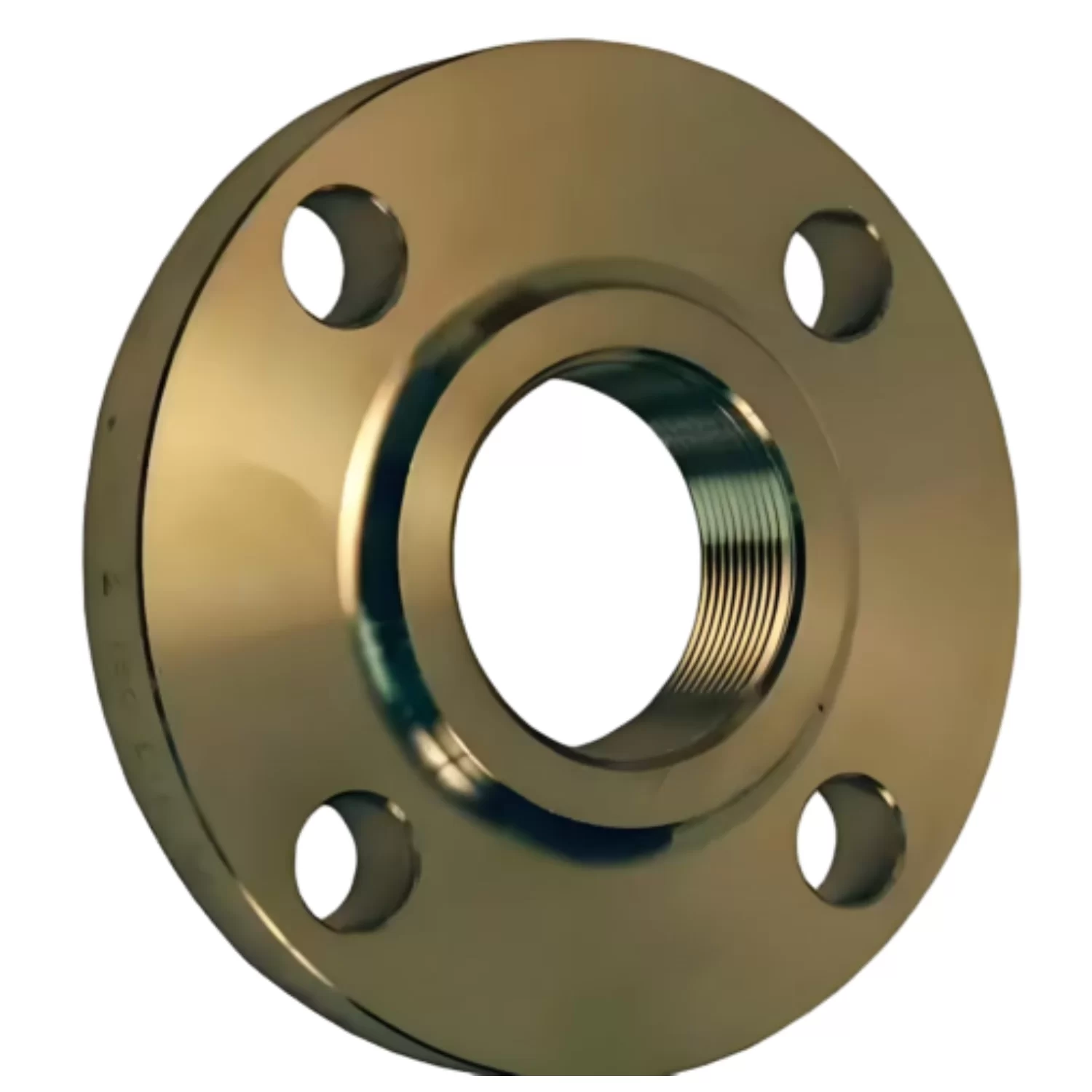
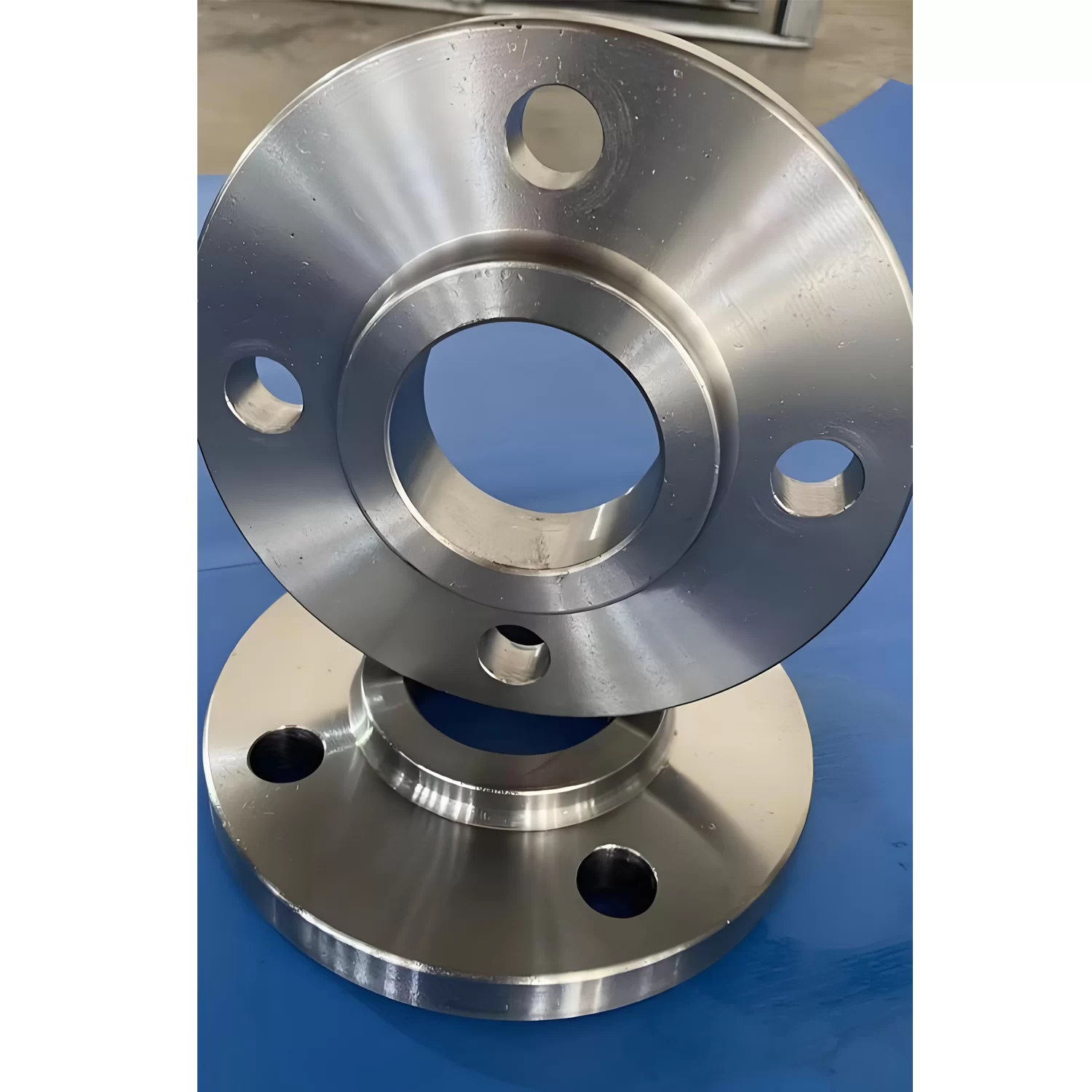
Flange Standards: ANSI/ASME B16.5 Pipe Flanges and Flanged Fittings (covering pressure ratings Class 150 to Class 2500); ASME B16.47 Large Diameter Steel Flanges (Class 75 to Class 900).
Material Standards: Carbon steel (ASTM A105/A516), stainless steel (ASTM A182 F304/F316), alloy steel (ASTM A350 LF2), etc., meeting requirements for different media corrosiveness and temperature conditions.
I. Standards & Specification Parameters
1. Executive Standards
●Flange Standards: ANSI/ASME B16.5 Pipe Flanges and Flanged Fittings (covering pressure ratings Class 150 to Class 2500); ASME B16.47 Large Diameter Steel Flanges (Class 75 to Class 900).
●Material Standards: Carbon steel (ASTM A105/A516), stainless steel (ASTM A182 F304/F316), alloy steel (ASTM A350 LF2), etc., meeting requirements for different media corrosiveness and temperature conditions.
2. Key Parameters
●Pressure Rating: Class 150 (PN2.0MPa), Class 300 (PN5.0MPa), Class 600 (PN11.0MPa), etc., corresponding to different thicknesses and sealing face designs.
●Nominal Pipe Size (NPS): 1/2" (15mm) to 60" (1500mm), compatible with outer diameters of seamless or welded pipes (e.g., NPS 2" corresponds to pipe outer diameter 60.3mm).
●Sealing Face Type: Common types include Flat Face (FF) and Raised Face (RF); Male-Female Face (MFM) or Tongue-Groove Face (TG) are available for Class 600 and above to enhance high-pressure sealing performance.
●Flange Thickness: Increases with pressure rating. For example, NPS 4" Class 150 flange has a thickness of 12.7mm, while NPS 4" Class 300 flange has a thickness of 19.1mm.
II. Material Selection & Application Scenarios
1. Materials & Properties
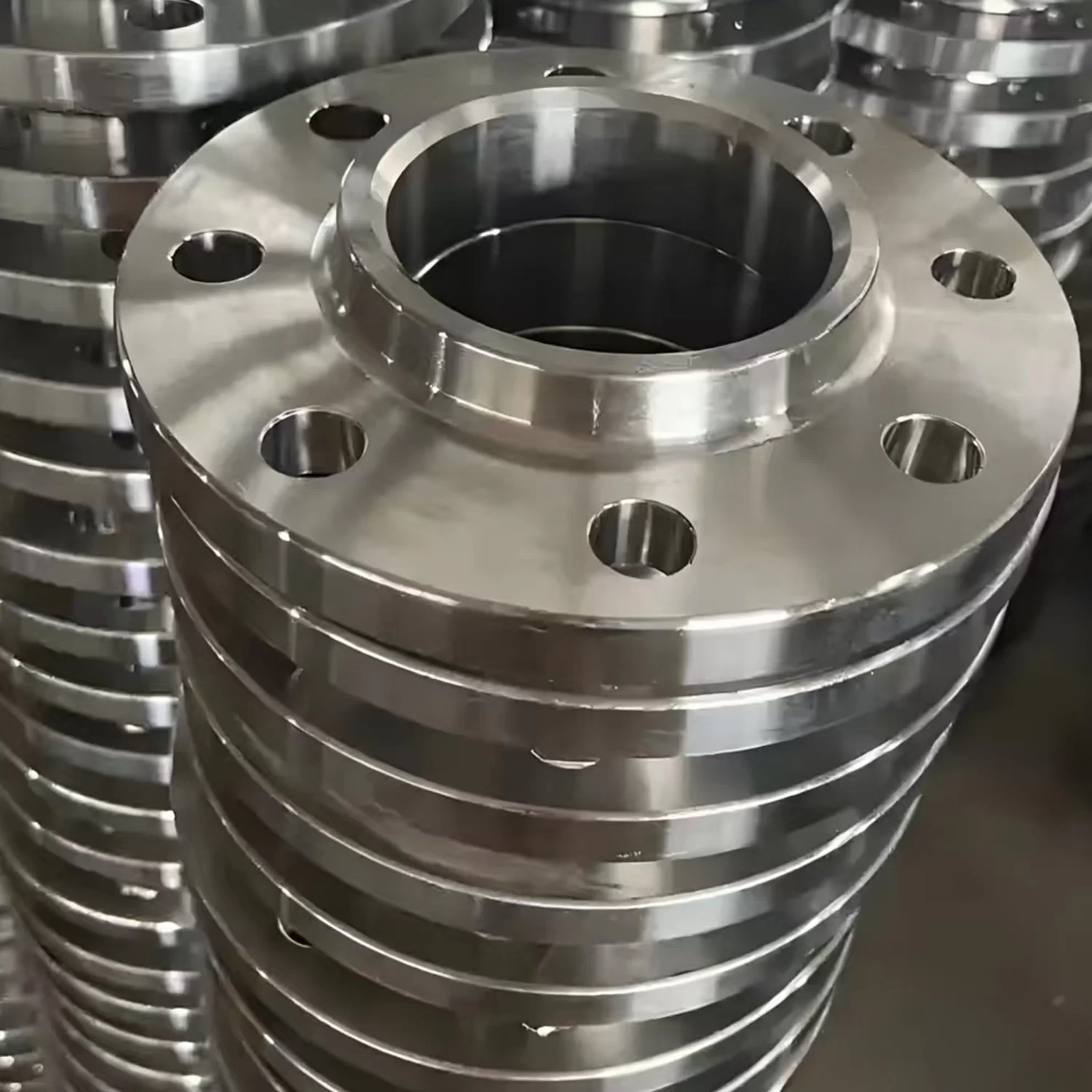
●Carbon Steel (ASTM A105): Low cost, high strength, suitable for ambient temperature, low-pressure, non-corrosive media (e.g., tap water, natural gas). Temperature range: -29℃ to 427℃.
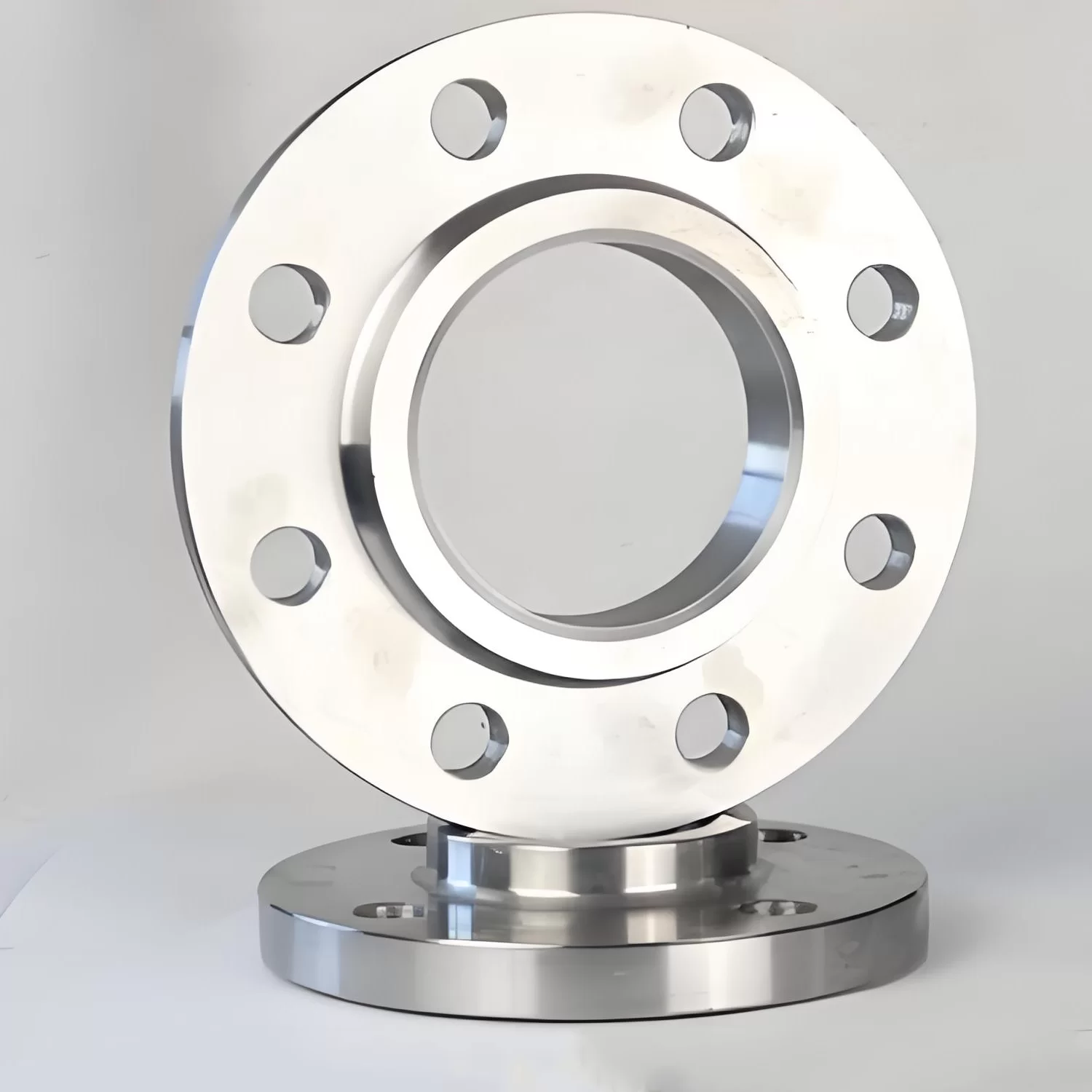
●Stainless Steel (ASTM A182 F304): Contains Cr-Ni alloy, resistant to acid and alkali corrosion (pH 2-12), applicable to chemical solutions and seawater treatment systems. Maximum temperature resistance: 870℃.
●Alloy Steel (ASTM A350 LF2): Excellent low-temperature toughness (impact energy ≥27J at -46℃), used in low-temperature pipelines (e.g., LNG, liquid nitrogen) or high-temperature high-pressure steam systems (e.g., NPS 10" Class 900 flange).
2. Application Scenarios
●Carbon Steel Flanges: Urban water supply and drainage, heating pipelines, etc.
●Stainless Steel Flanges: Atmospheric and vacuum distillation units in refineries, reactor feed pipelines, etc.
●Alloy Steel Flanges: Circulating water systems in thermal power plants, etc.
III. Manufacturing Process & Quality Control
1. Production Process
●Raw Material Inspection: Spectral analysis to verify material composition (e.g., Cr content ≥18% for 304 stainless steel); ultrasonic testing (UT) to eliminate internal cracks.
●Forming: Carbon steel flanges adopt open die forging (NPS ≤12") or steel plate cutting and welding (NPS ≥14") to ensure no folding defects in the flange neck.
●Machining: CNC lathe processing of sealing faces (flatness ≤0.05mm/m) and bolt holes (positional tolerance ±0.3mm); threaded holes comply with ASME B1.1 Unified National Coarse (UNC) thread standard.
●Heat Treatment: Carbon steel flanges undergo normalization (holding at 890-920℃ followed by air cooling) to eliminate welding stress; stainless steel flanges undergo solution annealing (water quenching at 1050℃) to enhance corrosion resistance.
2. Quality Standards
●Non-Destructive Testing (NDT): 100% magnetic particle testing (MT) for flange neck welds; ultrasonic testing (UT) required for high-pressure flanges (Class 1500).
●Dimensional Inspection: Flange outer diameter deviation ±1.6mm; bolt circle diameter (BCD) tolerance ≤±0.76mm (for NPS 10" and above).
●Pressure Testing: Sampling hydrostatic test before delivery (1.5 times design pressure, 30-minute pressure holding with no leakage) or helium mass spectrometry leak detection (for vacuum system flanges).
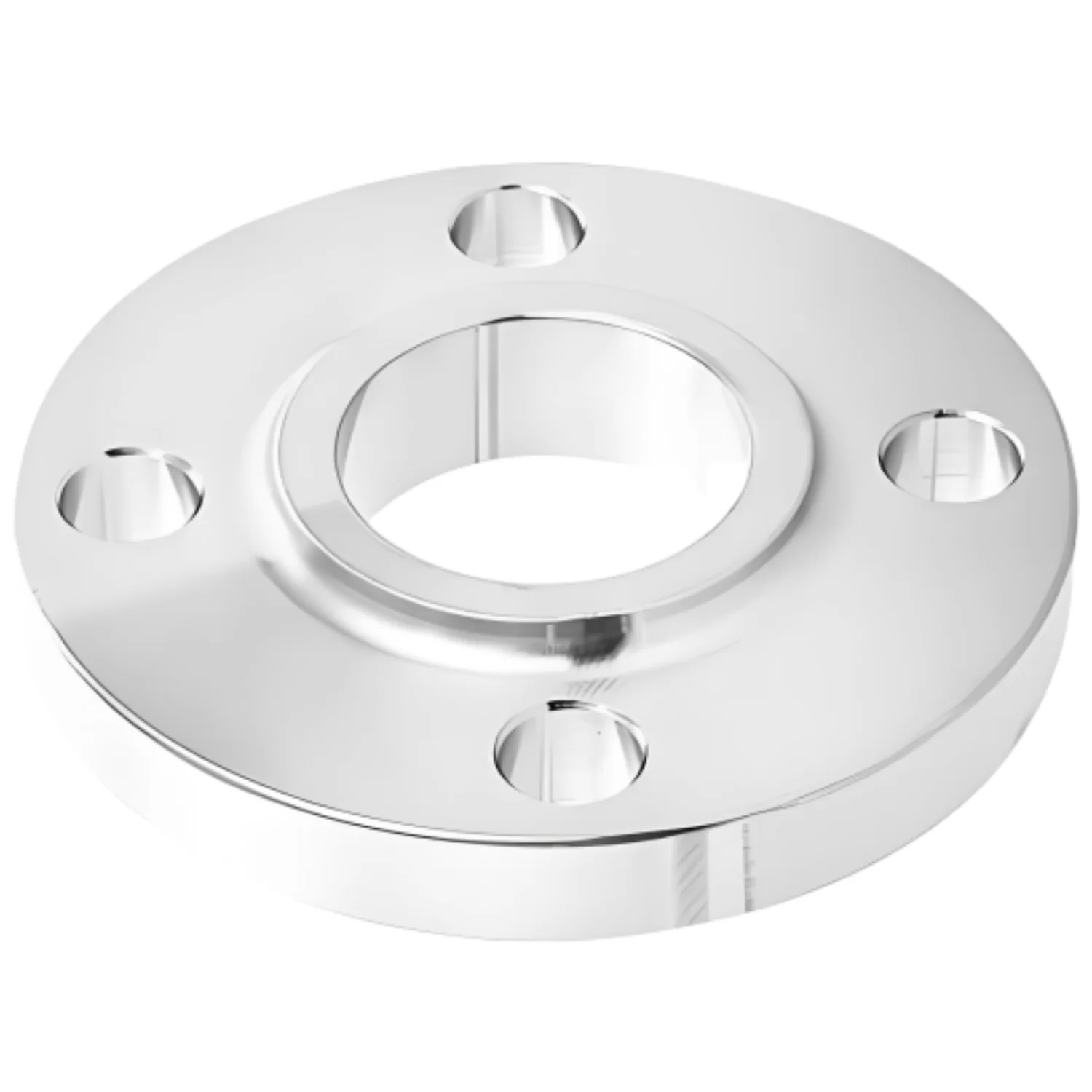
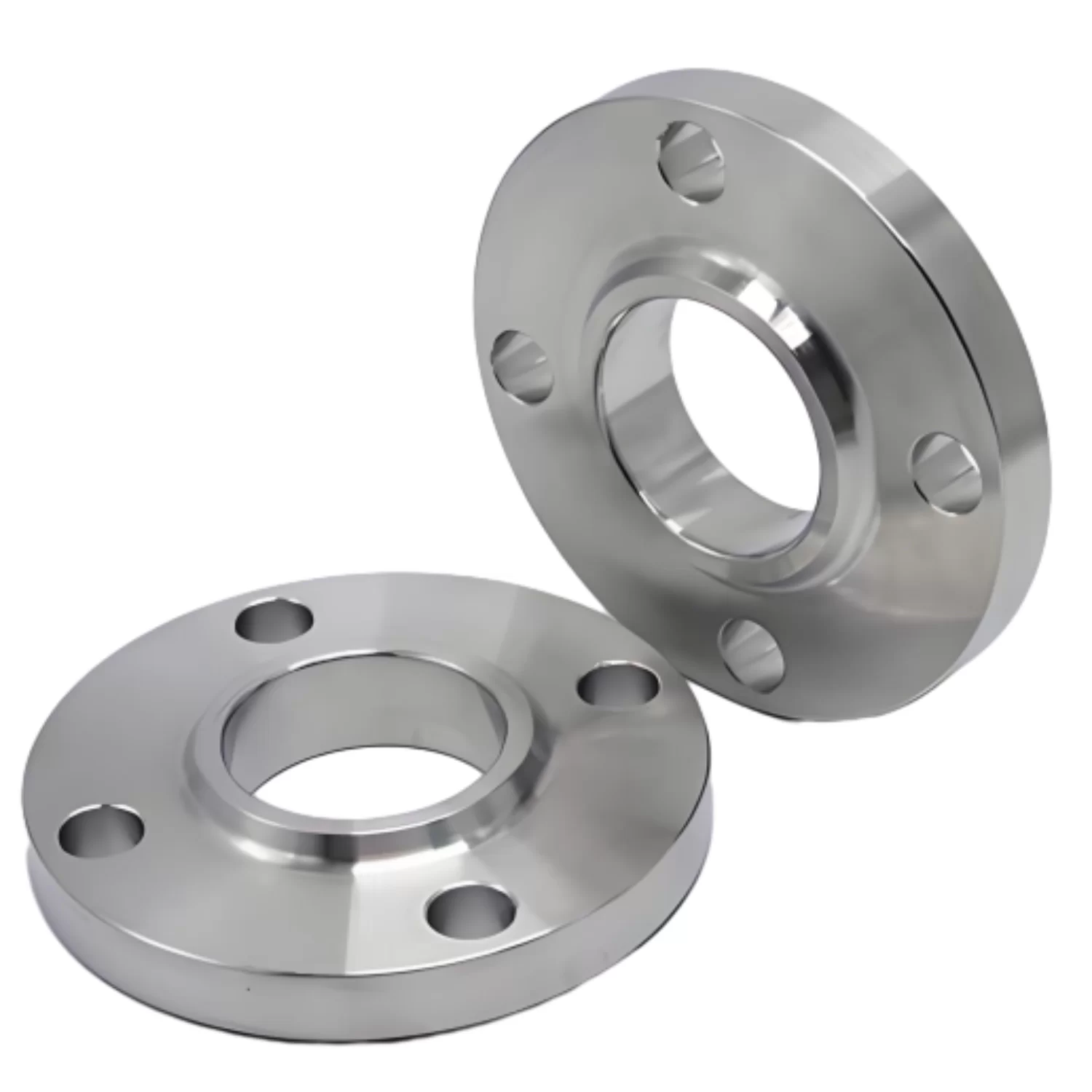
IV. Comparison Between Slip-On Flange (SO) and Weld Neck Flange (WN)
Index | Slip-On Flange (SO) | Weld Neck Flange (WN) |
Welding Difficulty | Low (outer fillet weld) | High (full penetration groove weld, X-ray inspection required) |
Applicable Pressure | ≤Class 600(PN11MPa) | ≥Class 300(up to Class 2500) |
Cost | Low (less material, simple processing) | High (long neck structure, high welding cost) |
Sealing Performance | Medium (relies on gasket compression) | High (flange neck fused with pipe, no dead ends) |
Typical Scenarios | Low-pressure water systems, compressed air pipelines | High-pressure steam pipelines, main oil and gas transmission pipelines |
Dec 02,25
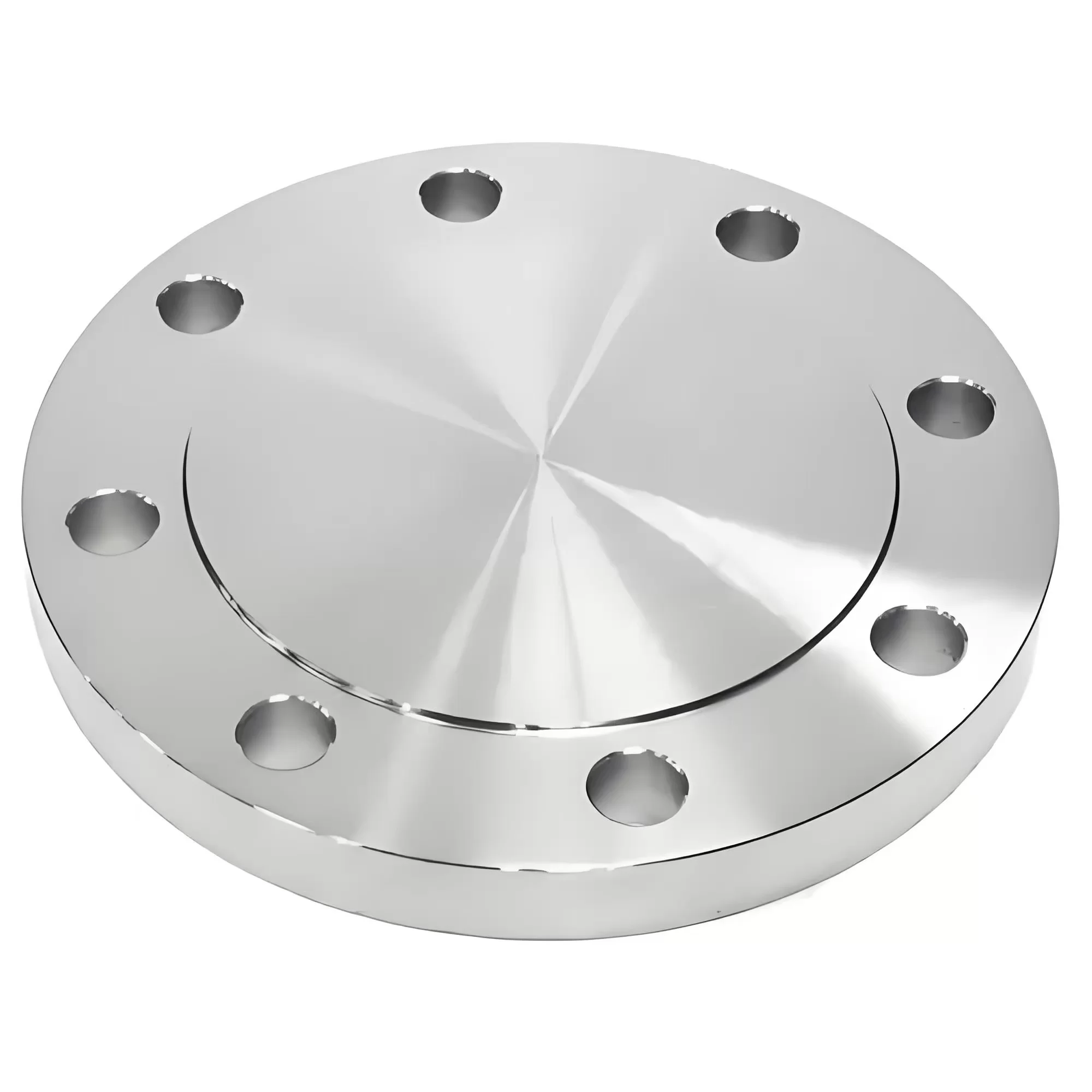
Corrosion-Resistant Flanges For Chemical And Marine Industries
Flanges are indispensable components in piping systems, serving as the critical junctions that allow for connections, maintenance, and isolation of flow.
Dec 02,25
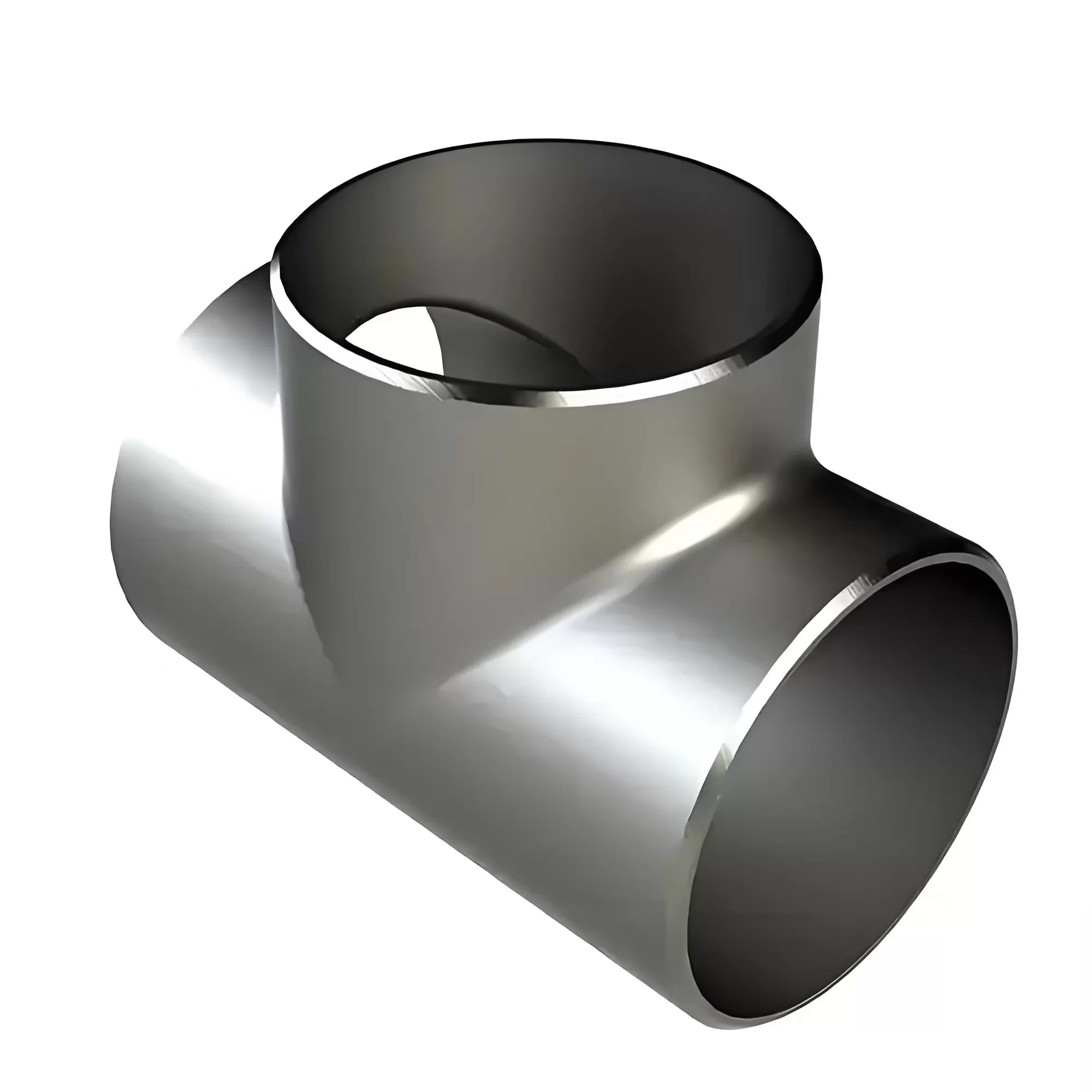
The Core Role Of The Tee In Pipeline Systems
In the complex architecture of modern pipeline systems—spanning petrochemical plants, municipal waterworks, HVAC networks, and power generation facilities—the tee fitting is arguably one of the most critical and universally employed components.
Dec 02,25
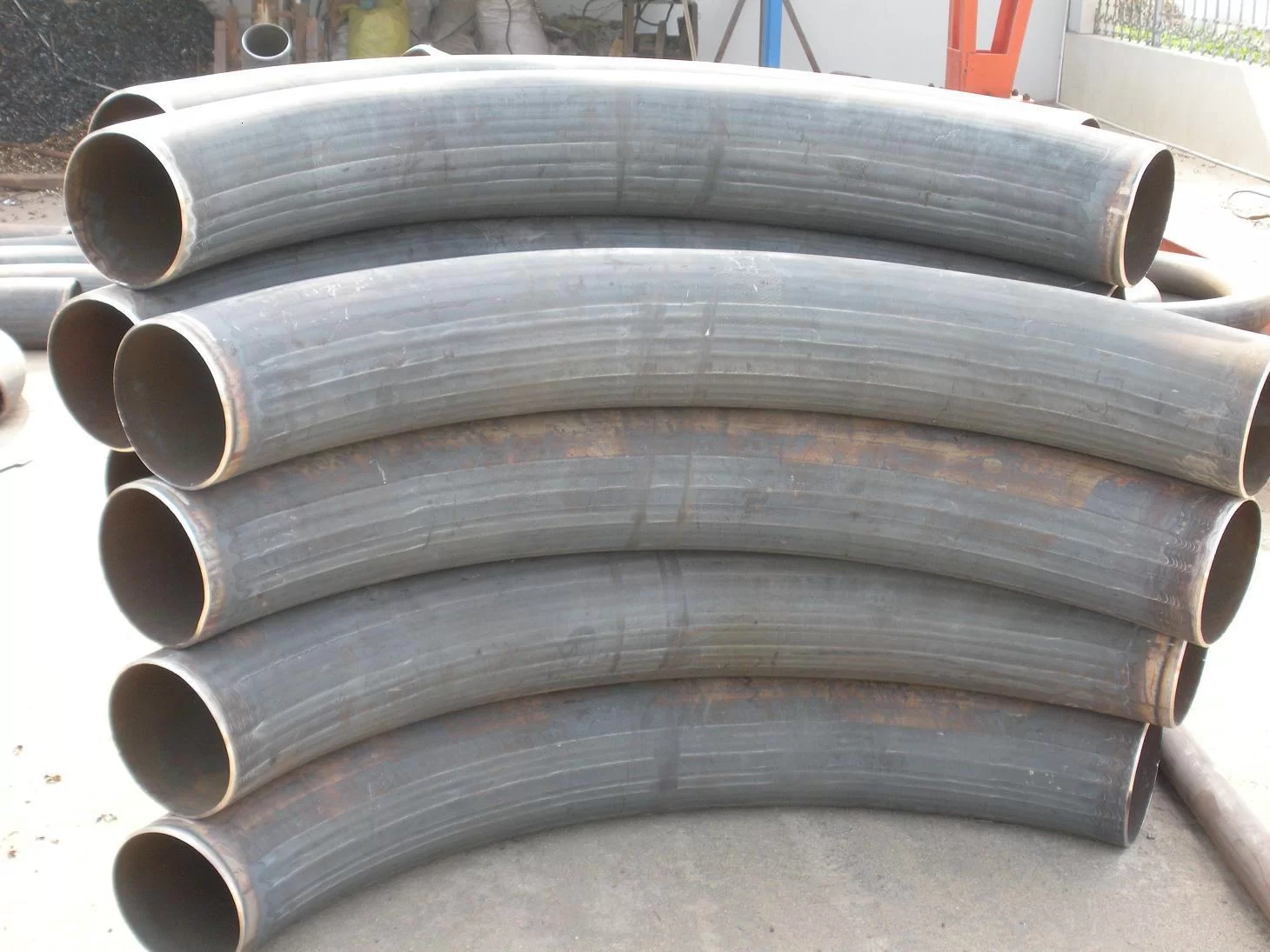
Characteristics And Common Applications Of Carbon Steel Bending Pipe
The use of bent piping is an essential practice in industrial construction, allowing fluid transfer lines to navigate complex routes, compensate for thermal expansion, and eliminate the need for numerous welded elbow fittings.
SUBSCRIBE NEWSLETTER