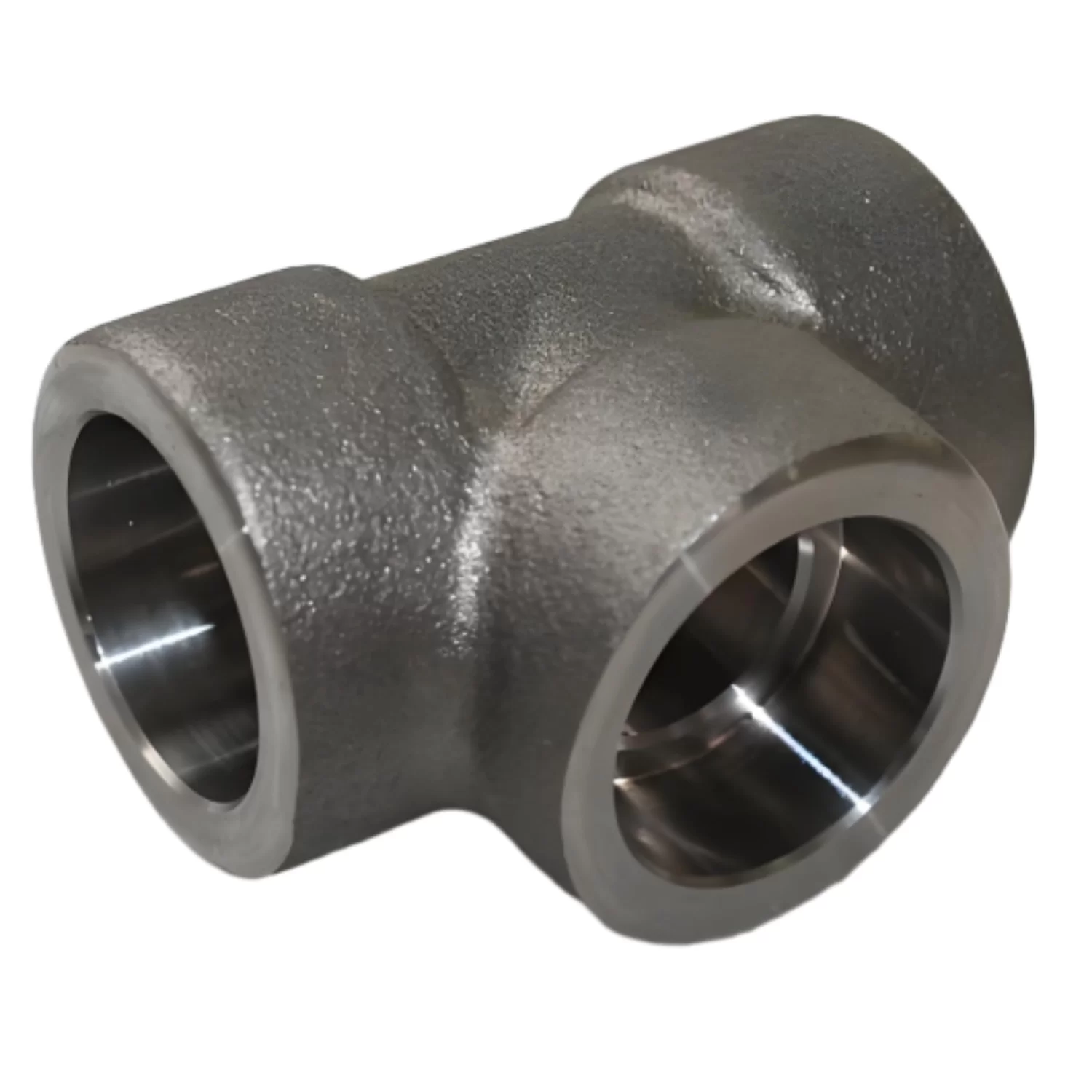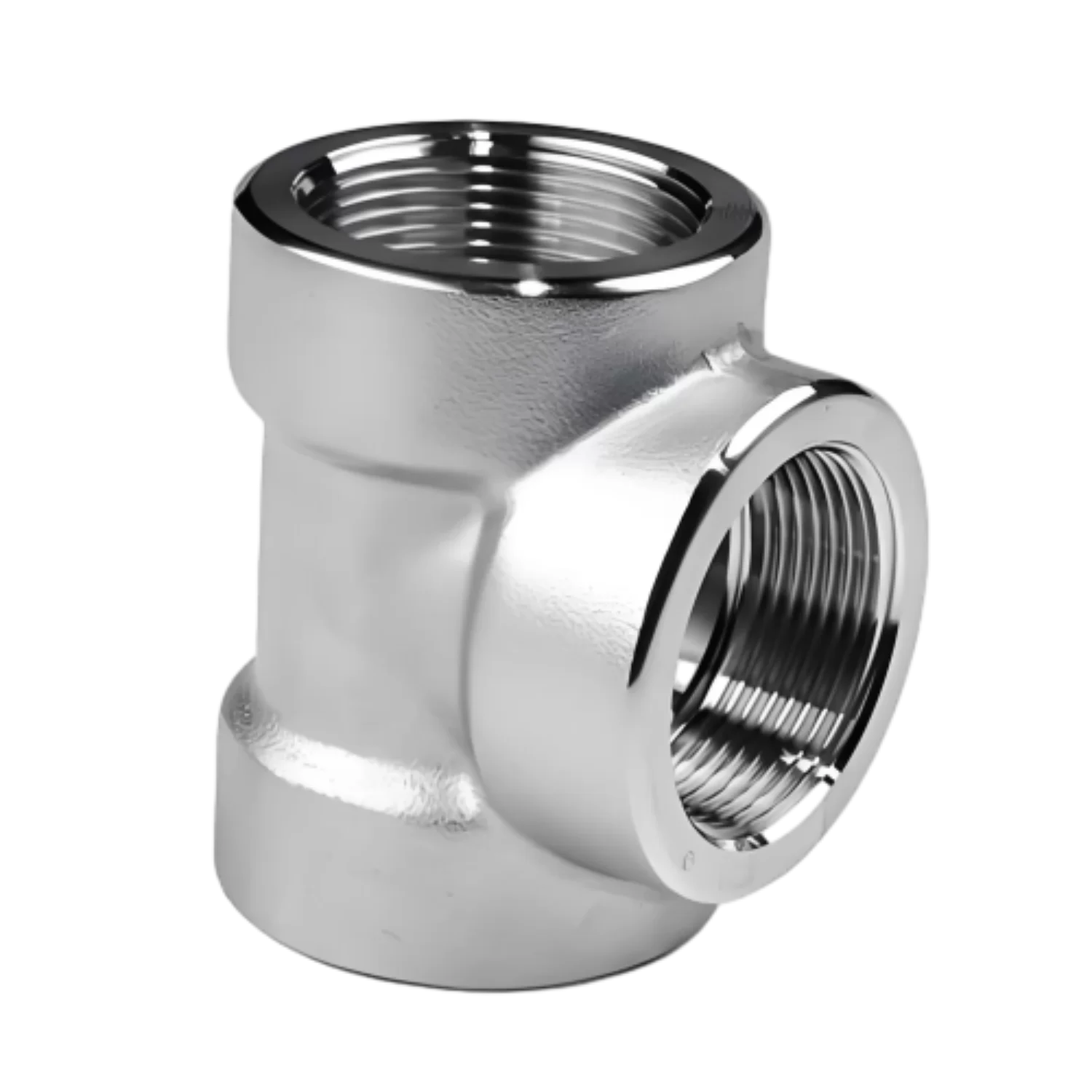
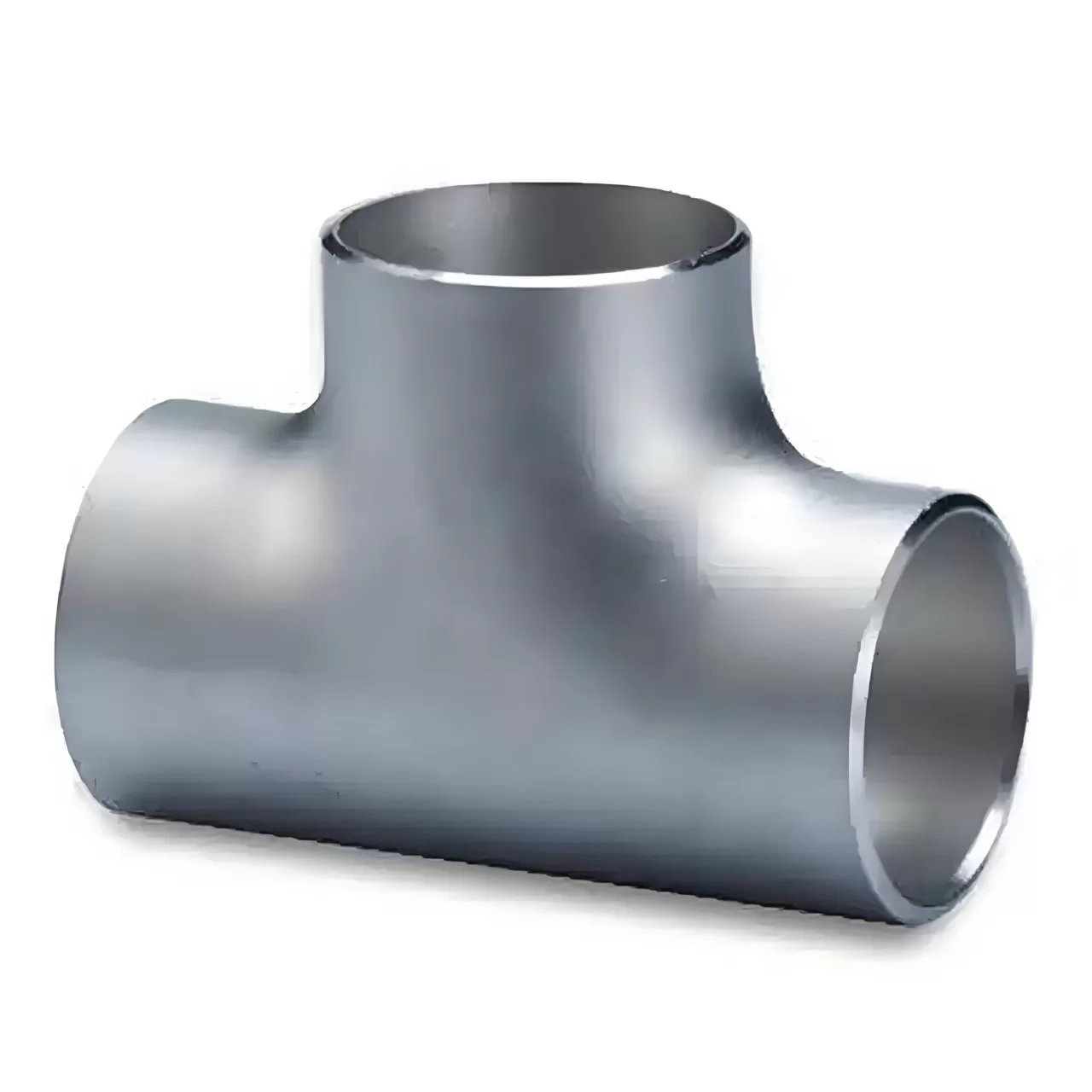
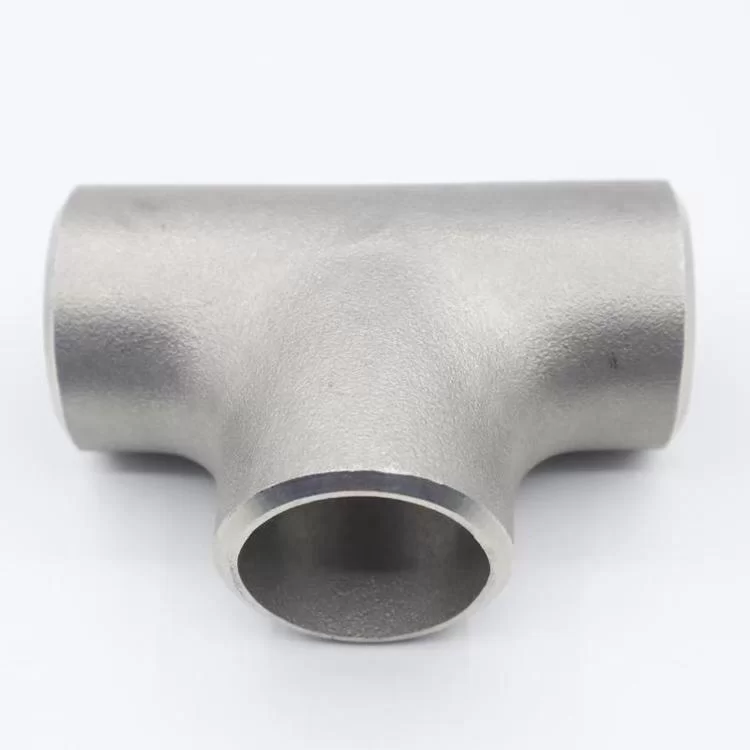
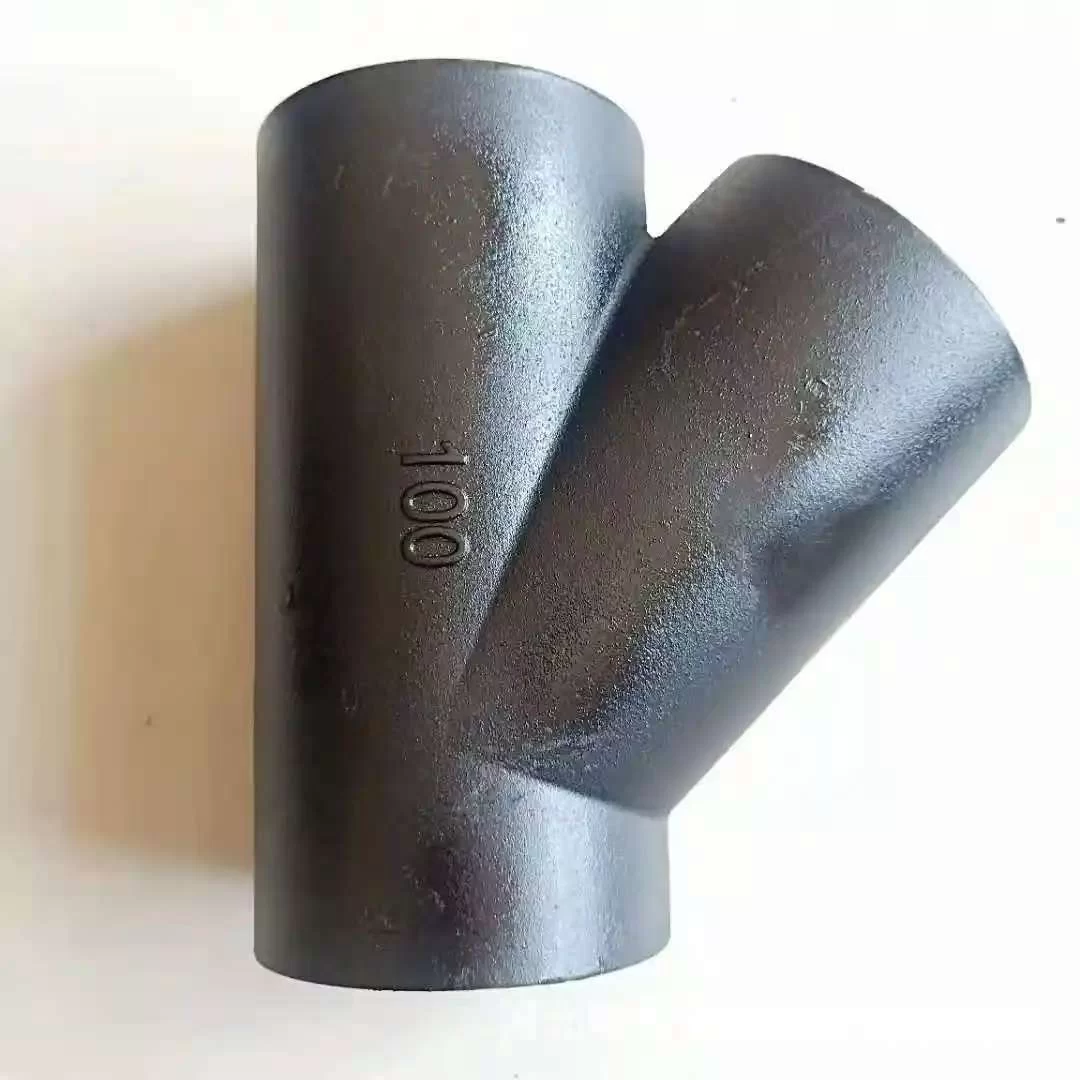
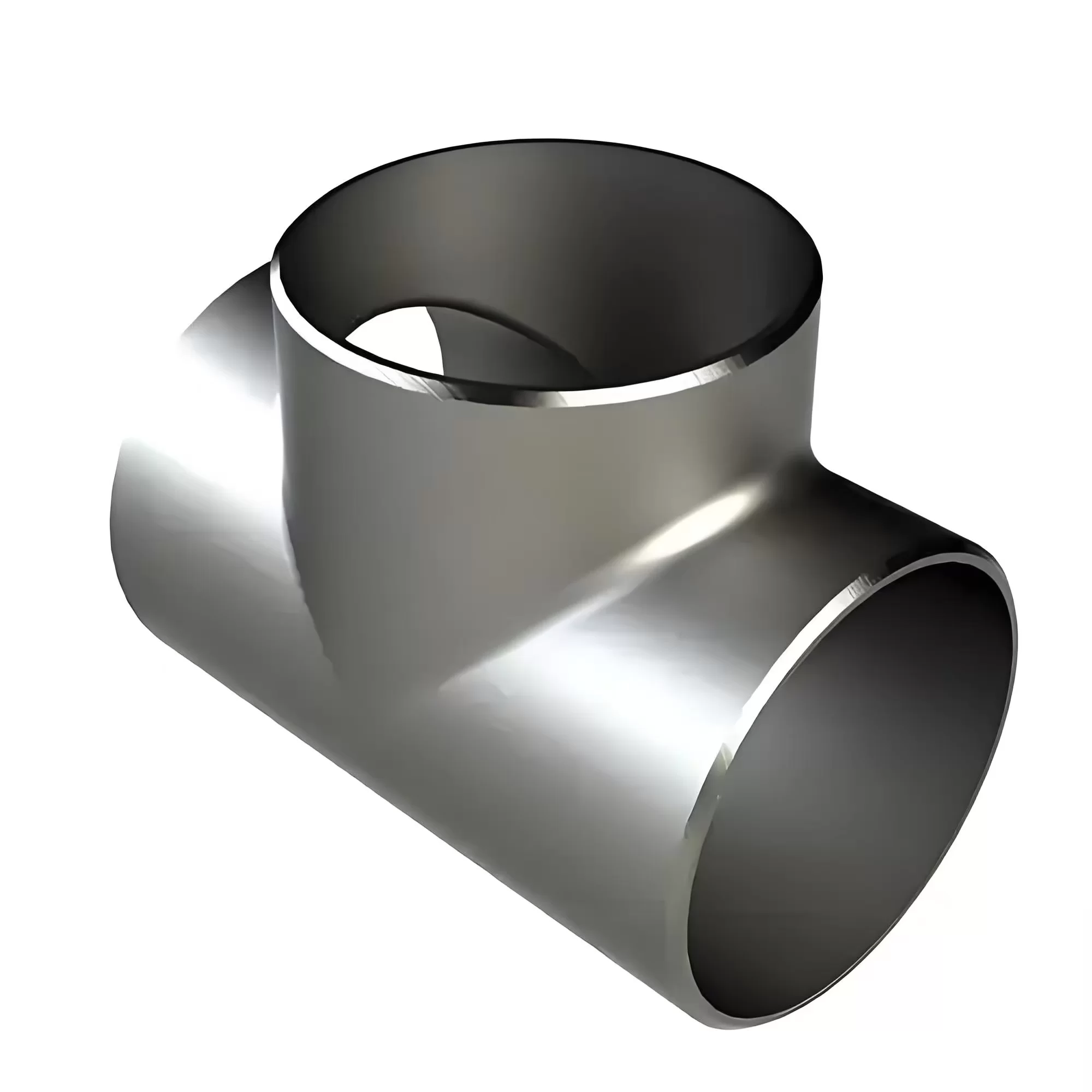
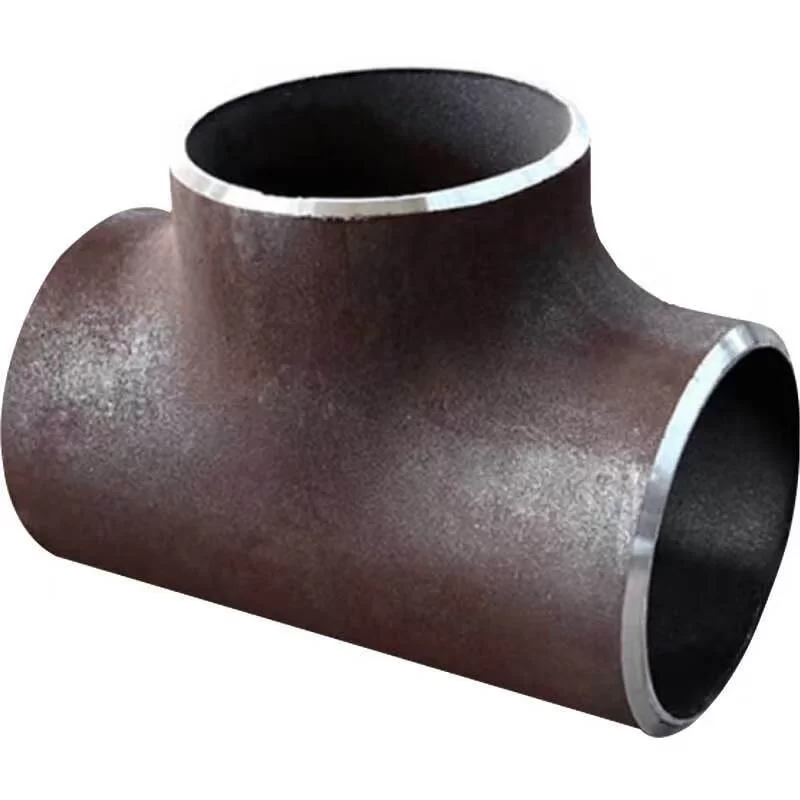
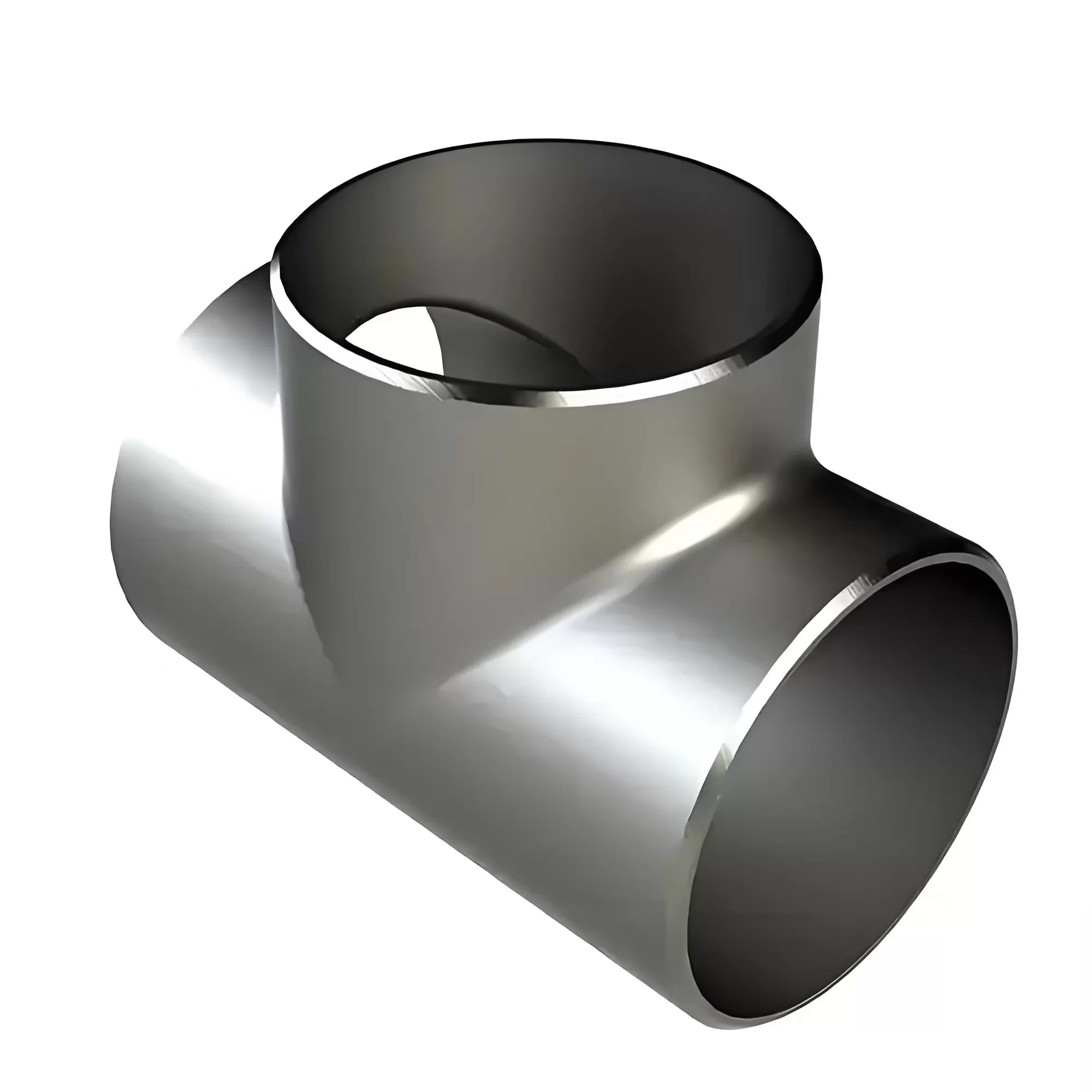
Welded tees are manufactured via integral forging or casting processes, featuring high structural strength, low flow resistance, and excellent sealing performance. Available materials include carbon steel (e.g., A234 WPB, A420 WPL6), stainless steel (e.g., A403 WP304/304L, WP316/316L), and alloy steel (e.g., A234 WP11, WP22, WP91), meeting the service requirements of different media (water, steam, oil, corrosive fluids, etc.) and operating conditions (high temperature, high pressure, low temperature). The connection method is butt welding: both ends are welded to the main pipe, and the branch pipe is welded to the branch line, ensuring the overall sealing and stability of the pipeline system.
I. Product Overview
Welded tees are manufactured via integral forging or casting processes, featuring high structural strength, low flow resistance, and excellent sealing performance. Available materials include carbon steel (e.g., A234 WPB, A420 WPL6), stainless steel (e.g., A403 WP304/304L, WP316/316L), and alloy steel (e.g., A234 WP11, WP22, WP91), meeting the service requirements of different media (water, steam, oil, corrosive fluids, etc.) and operating conditions (high temperature, high pressure, low temperature). The connection method is butt welding: both ends are welded to the main pipe, and the branch pipe is welded to the branch line, ensuring the overall sealing and stability of the pipeline system.
II. Main Technical Parameters
1. Executive Standard: Complies with ASME B16.9 Factory-Made Wrought Steel Butt-Welding Fittings. Size range typically covers 1/2 inch to 48 inches, with pressure ratings corresponding to wall thickness schedules such as Sch5s, Sch10s, Sch20, Sch30, Sch40s, STD, Sch60, Sch80s, XS, Sch100, Sch120, Sch140, Sch160, XXS. Specific wall thickness is determined by pipe diameter and pressure rating.
2. Nominal Diameter (DN/NPS): The nominal diameters of the main pipe and branch pipe can be the same (equal tee) or different (reducing tee). For reducing tees, the branch pipe diameter is usually smaller than the main pipe diameter, e.g., DN100×DN80 (NPS 4×NPS 3), DN150×DN100 (NPS 6×NPS 4), etc.
3. Applicable Temperature: Wide temperature range based on material:
●Carbon steel: Typically -29℃ to 425℃;
●Stainless steel: Up to -196℃ to over 600℃;
●Alloy steel: Suitable for higher temperature applications.
4. Pressure Rating: Compatible with pressure ratings such as Class 150, 300, 600, 900, 1500, 2500 in accordance with ASME B16.5 or B16.47 standards, ensuring safe operation under corresponding pressures.
III. Structural Features
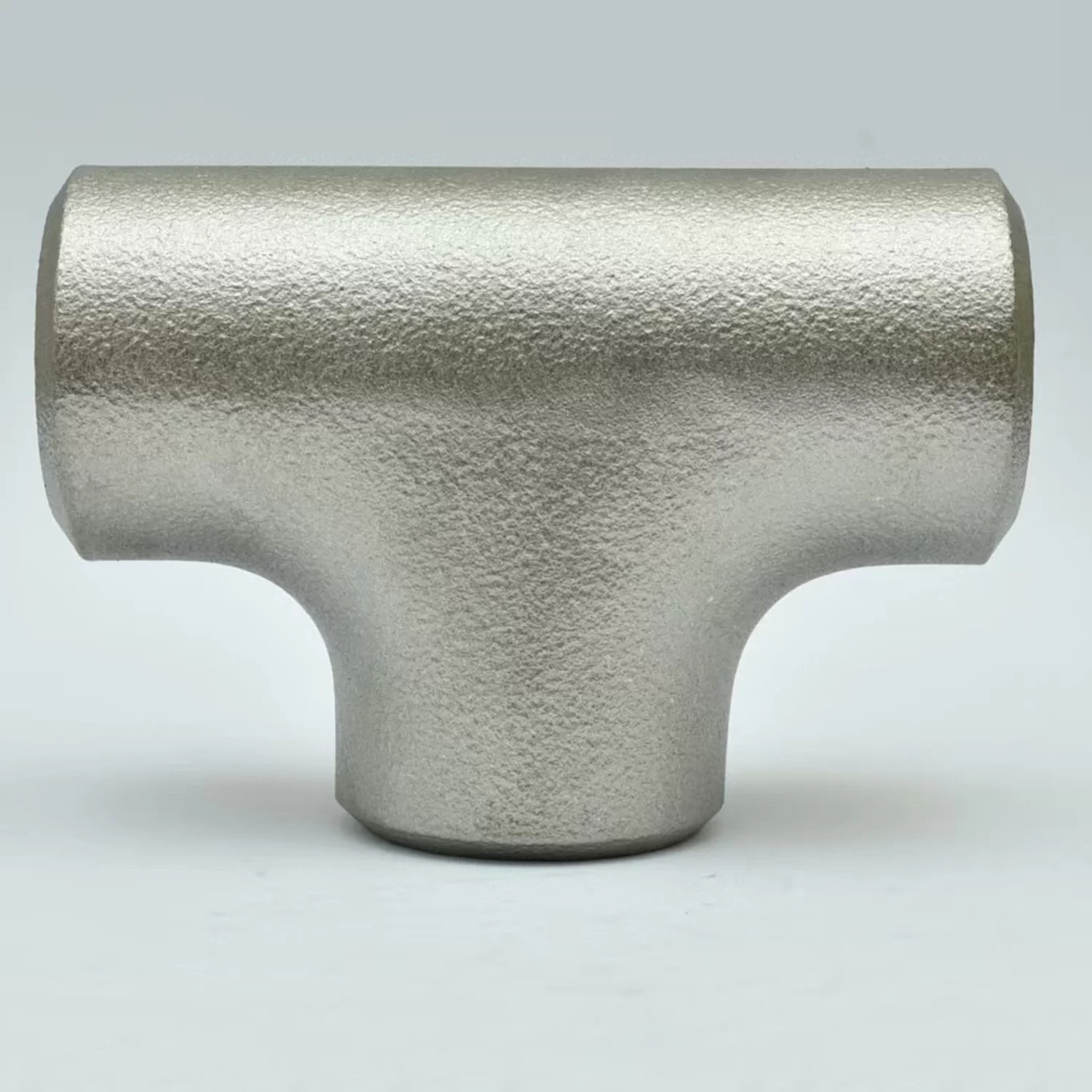
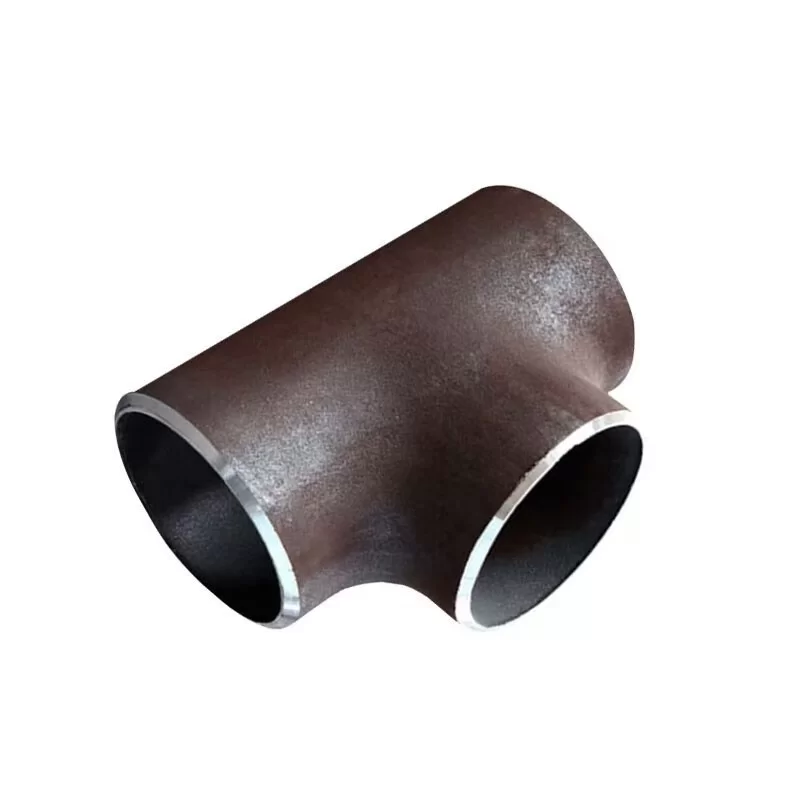
1. Streamlined Design: The internal structure of the tee adopts a smooth transitional streamline, reducing flow resistance and vortex during medium transportation, lowering pressure loss, and improving the transmission efficiency of the pipeline system.
2. Weld End Treatment: Bevels (e.g., V-bevel) are machined at both ends and the branch pipe weld end. The bevel angle and root face dimension comply with welding standards, facilitating precise butt joint with pipes, ensuring welding quality, and avoiding welding defects.
3. High Overall Strength: Adopts integral forming process without spliced welds, eliminating stress concentration caused by weld splicing. It has superior compressive and impact resistance, suitable for harsh working conditions such as high pressure and high flow rate.
4. High Dimensional Accuracy: Strictly controls key dimensions such as outer diameter, wall thickness, and length, ensuring interchangeability with pipes and installation precision, and reducing on-site installation errors.
IV. Application Scope
Welded tees are widely used in pipeline systems across industrial fields including petroleum, chemical, natural gas, power, marine, metallurgy, and water treatment. They are particularly suitable for scenarios requiring high product quality and performance, such as high-pressure pipelines, high-temperature steam pipelines, and corrosive medium transmission pipelines. In large-scale petrochemical plants, thermal power plants, long-distance pipeline projects, and other projects, welded tees are key components for realizing pipeline branch connections.
Dec 02,25
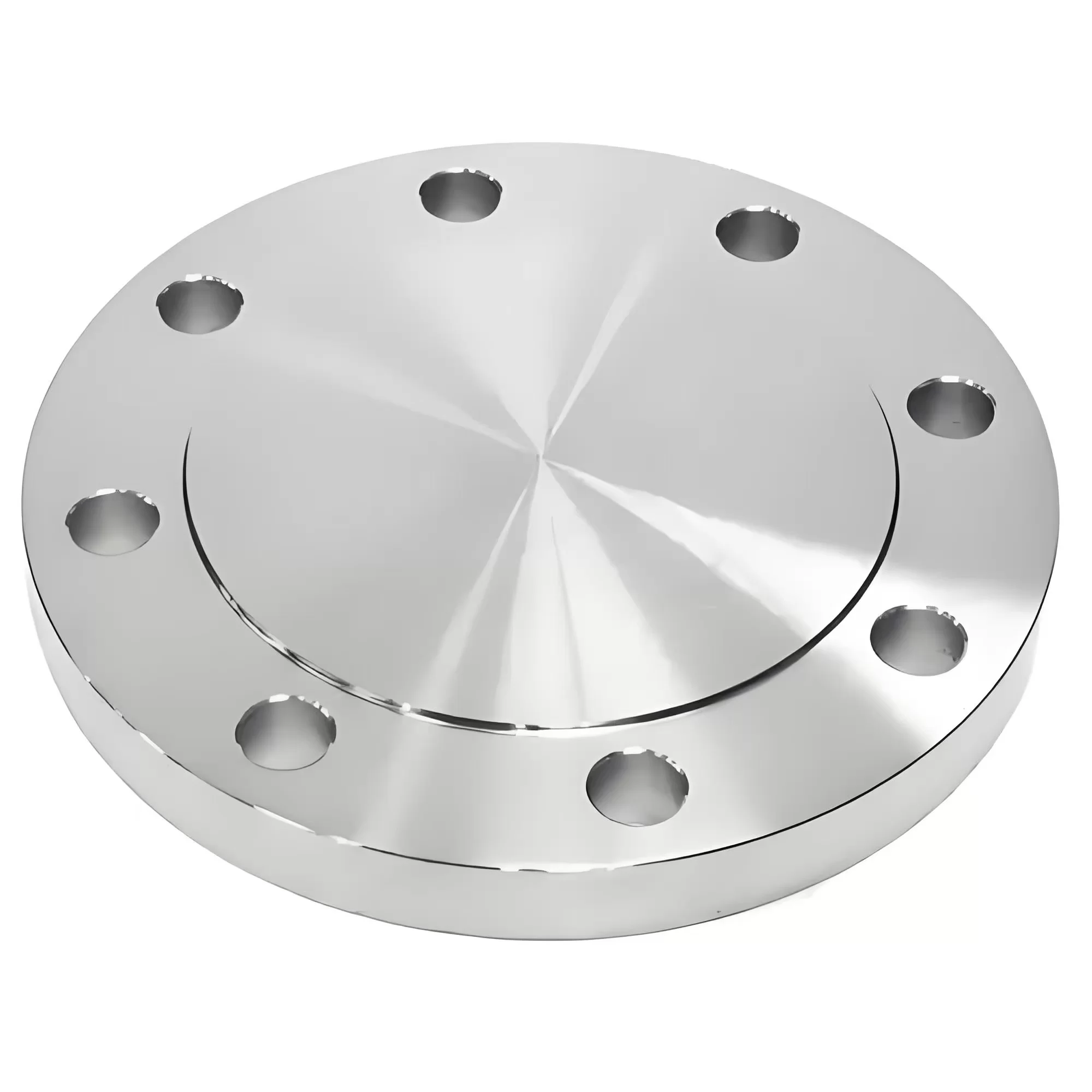
Corrosion-Resistant Flanges For Chemical And Marine Industries
Flanges are indispensable components in piping systems, serving as the critical junctions that allow for connections, maintenance, and isolation of flow.
Dec 02,25
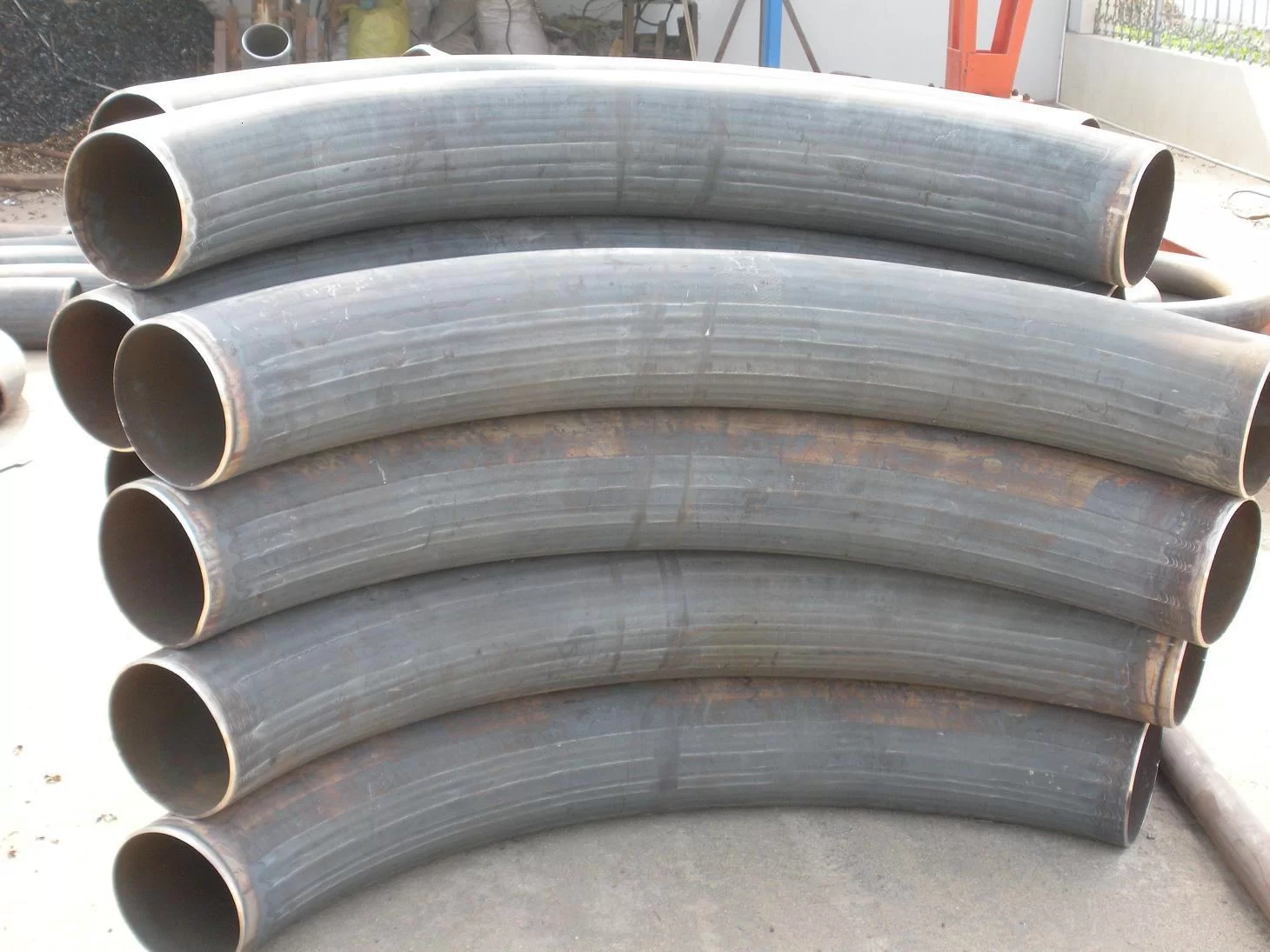
Characteristics And Common Applications Of Carbon Steel Bending Pipe
The use of bent piping is an essential practice in industrial construction, allowing fluid transfer lines to navigate complex routes, compensate for thermal expansion, and eliminate the need for numerous welded elbow fittings.
Dec 02,25
The Core Role Of The Tee In Pipeline Systems
In the complex architecture of modern pipeline systems—spanning petrochemical plants, municipal waterworks, HVAC networks, and power generation facilities—the tee fitting is arguably one of the most critical and universally employed components.
SUBSCRIBE NEWSLETTER