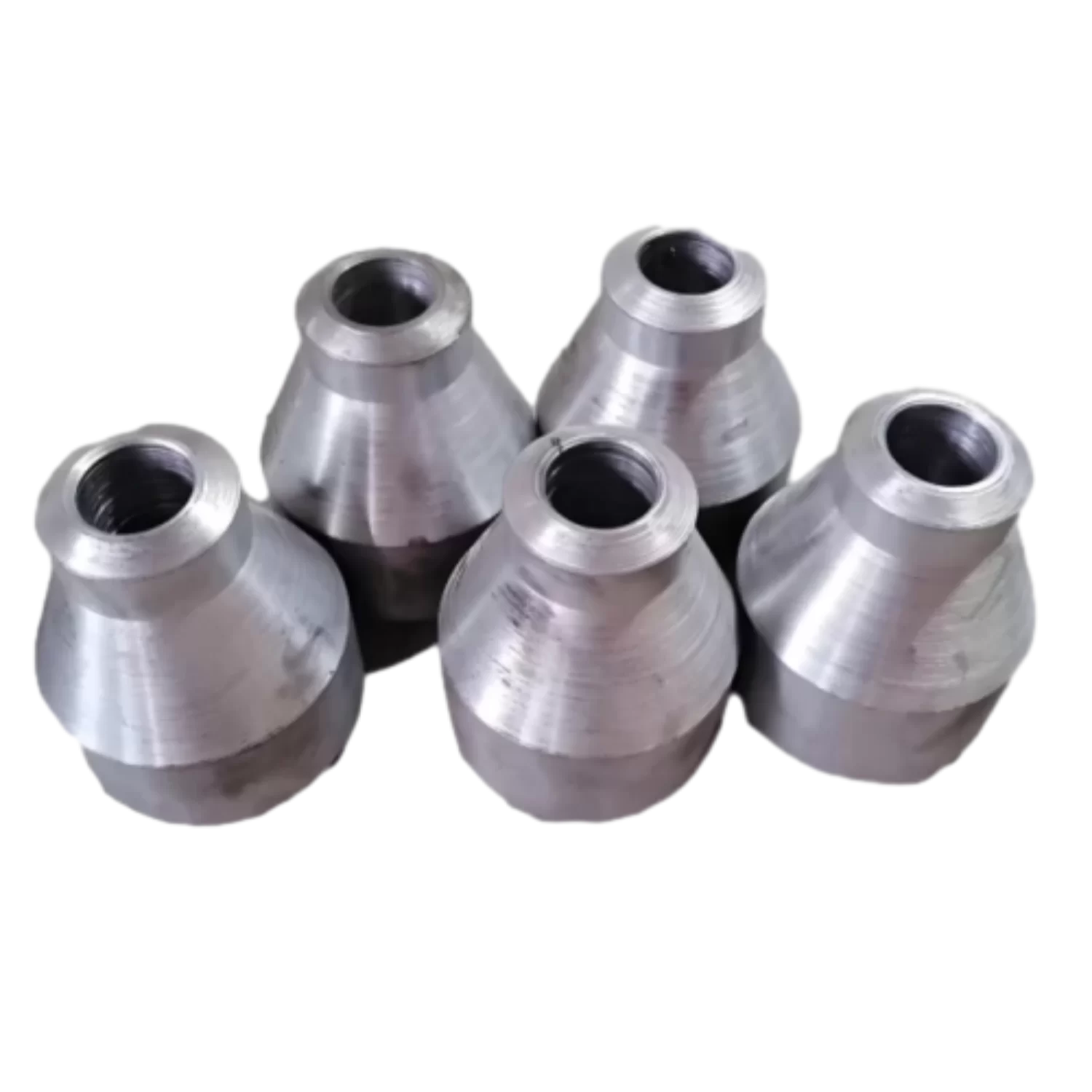
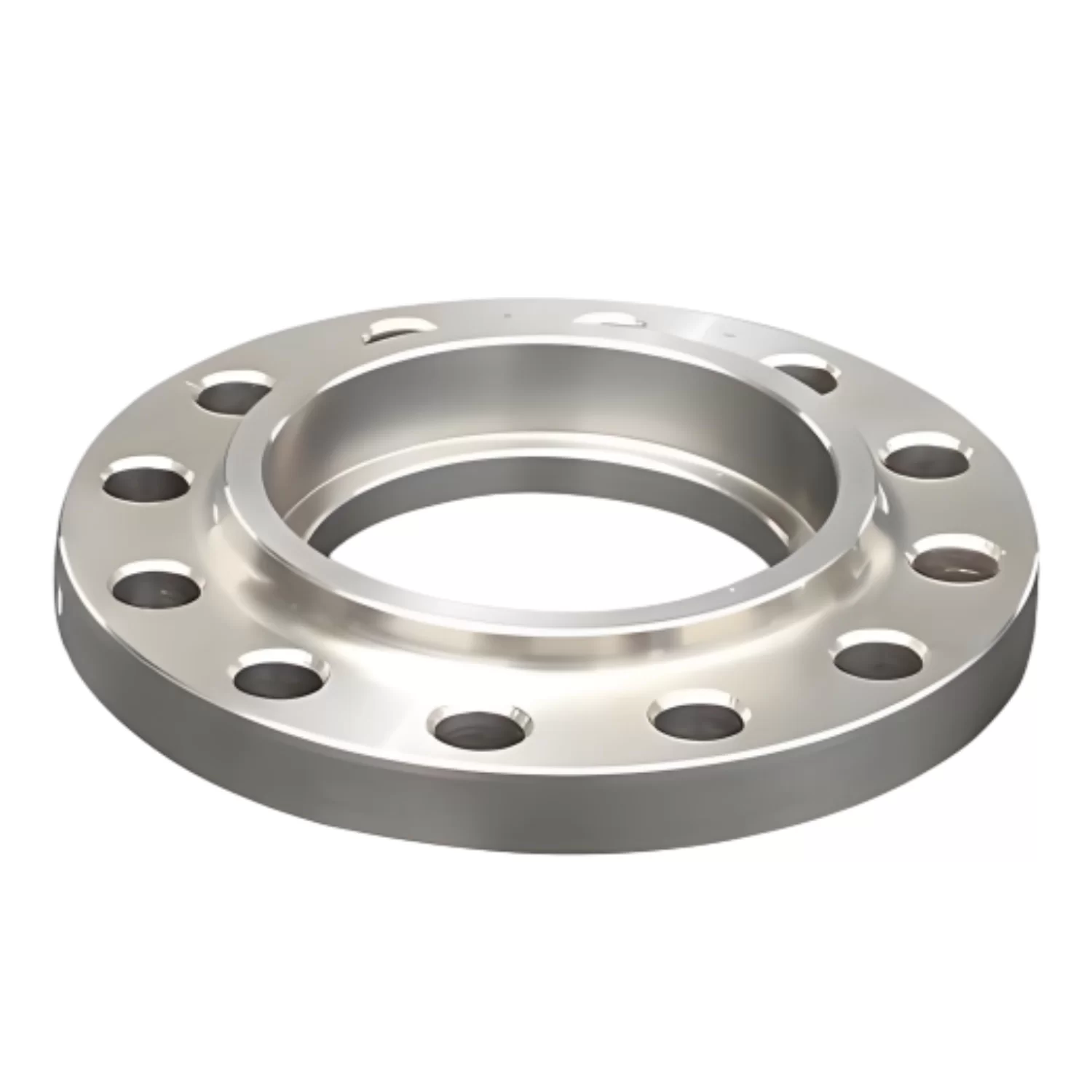
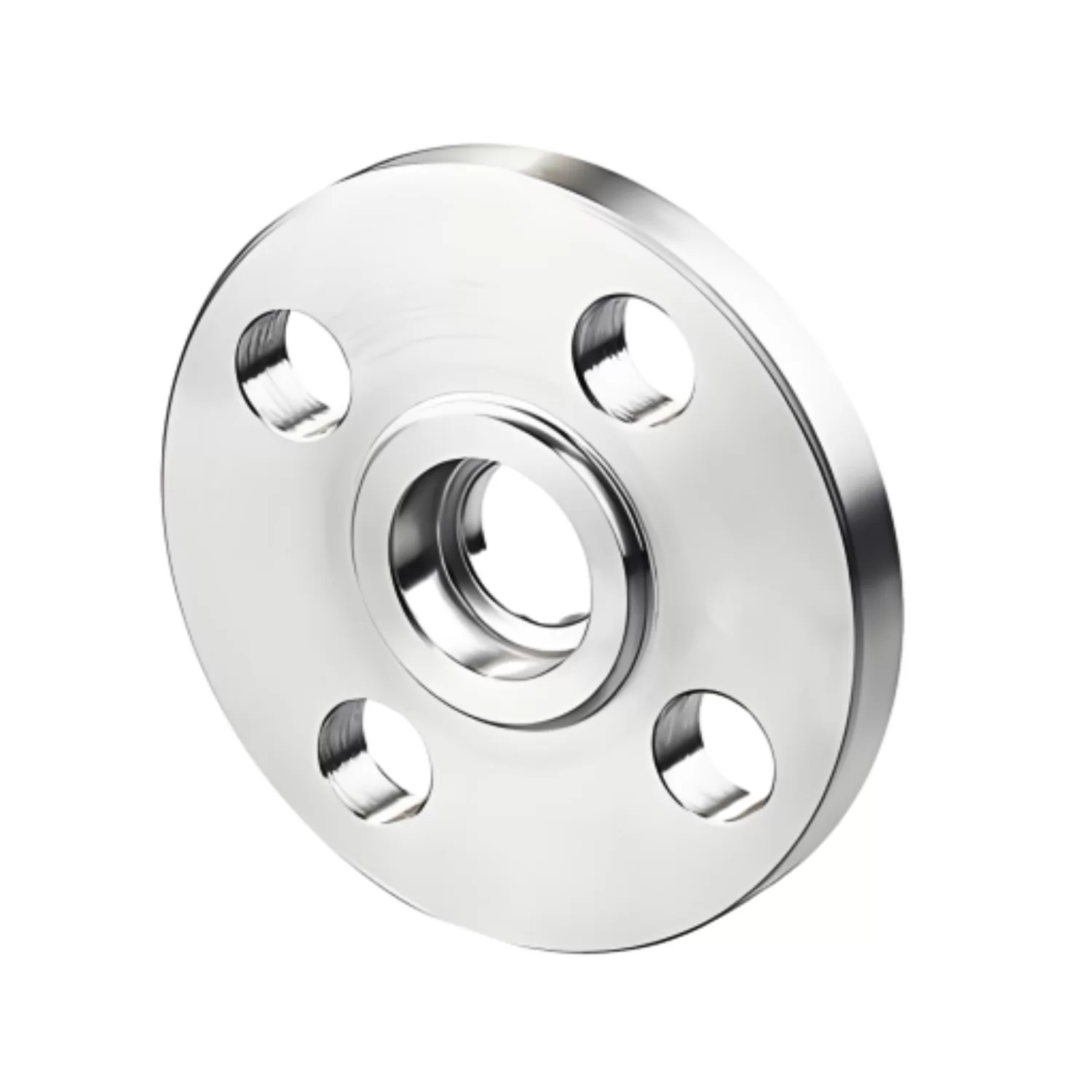
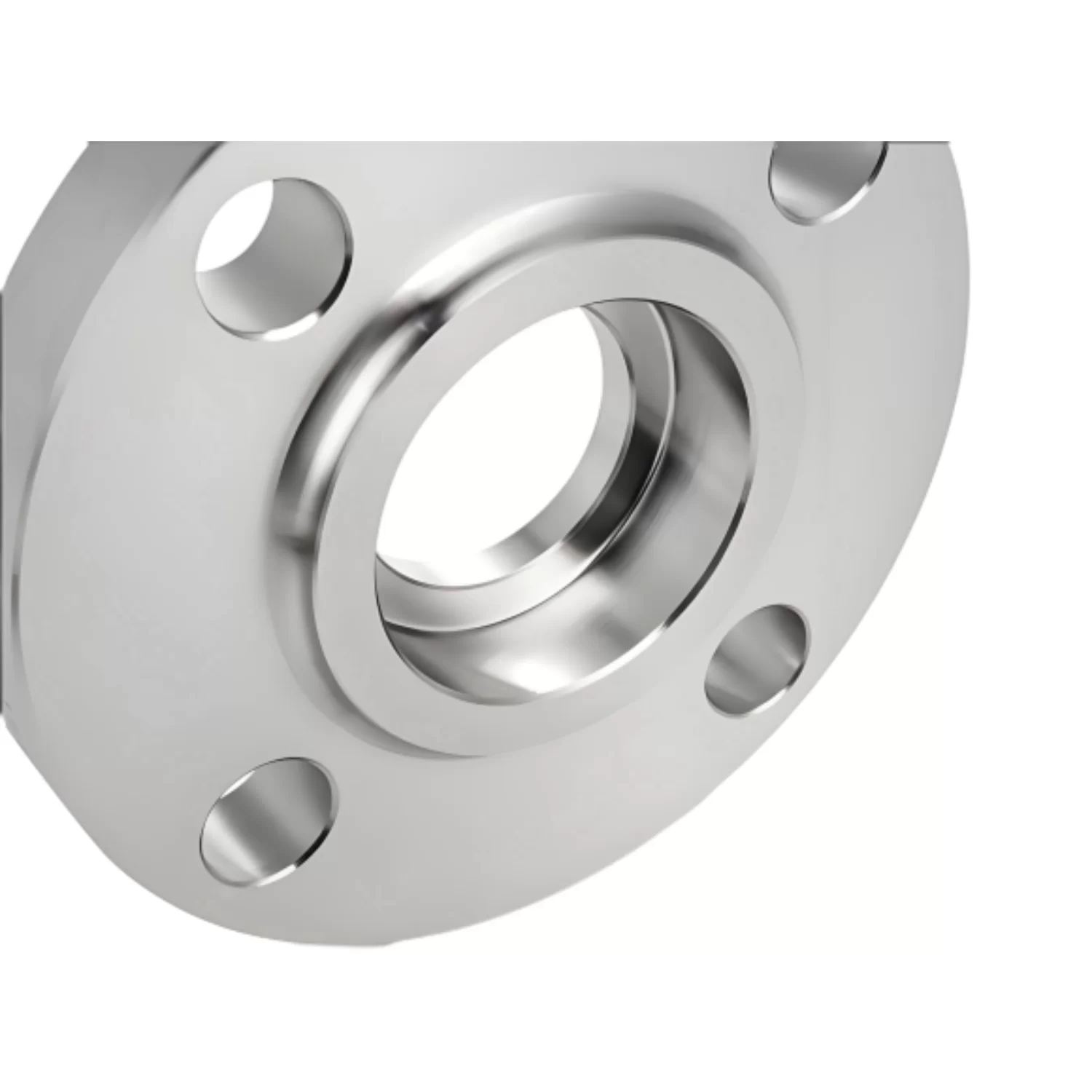
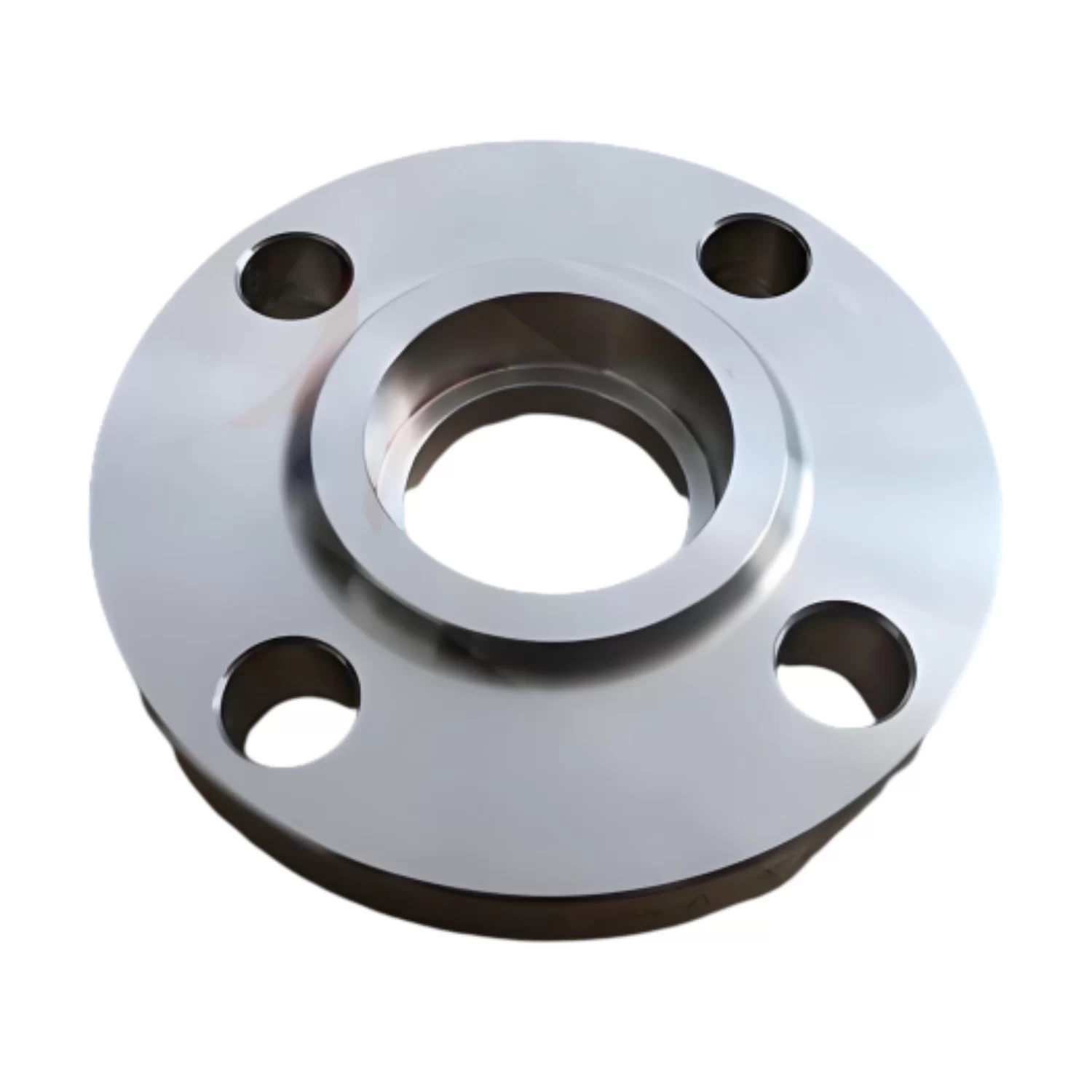
The socket weld flange typically consists of a flange disc, a neck (included in some types), and a short pipe section (socket) for receiving the pipeline. The flange disc is machined with bolt holes for connection to the mating flange; the inner diameter of the socket matches the outer diameter of the pipeline to be connected. After inserting the pipeline into the socket, welding is performed at the annular gap between the socket and the outer wall of the pipeline to form a seal and secure the connection. Flanges feature various sealing face types, with common ones including Raised Face (RF), Male-Female Face (MFM), and Tongue-Groove Face (TG), which can be selected based on sealing requirements and operating conditions.
I. Product Structure
The socket weld flange typically consists of a flange disc, a neck (included in some types), and a short pipe section (socket) for receiving the pipeline. The flange disc is machined with bolt holes for connection to the mating flange; the inner diameter of the socket matches the outer diameter of the pipeline to be connected. After inserting the pipeline into the socket, welding is performed at the annular gap between the socket and the outer wall of the pipeline to form a seal and secure the connection. Flanges feature various sealing face types, with common ones including Raised Face (RF), Male-Female Face (MFM), and Tongue-Groove Face (TG), which can be selected based on sealing requirements and operating conditions.
II. Material Selection
The material selection of socket weld flanges requires comprehensive consideration of factors such as the operating pressure, temperature, and media characteristics (corrosiveness, toxicity, etc.) of the pipeline system, as well as economic efficiency. Common materials include:
- Carbon Steel: e.g., A105, A350 LF2. Suitable for pipeline systems with ambient temperature, medium-low pressure, and non-corrosive or weakly corrosive media, offering low cost.
- Stainless Steel: e.g., 304, 316, 304L, 316L. Possesses excellent corrosion resistance and oxidation resistance, applicable to corrosive media (e.g., acids, alkalis, salt solutions) or applications requiring high cleanliness (e.g., food and pharmaceutical industries).
- Alloy Steel: e.g., A182 F11, F22, F91. Designed for harsh operating conditions such as high temperature, high pressure, or low temperature, featuring high strength and toughness.
III. Pressure Rating
Socket weld flanges comply with the ASME B16.5 standard, with common pressure ratings including Class 150, 300, 600, 900, 1500, and 2500. Different pressure ratings correspond to varying flange thicknesses, bolt specifications, and quantities to ensure safe and reliable operation under the respective pressures. Higher pressure ratings indicate greater structural strength, making the flanges suitable for high-pressure pipeline systems.
IV. Applicable Media
Socket weld flanges are compatible with a wide range of media, including water, steam, air, natural gas, petroleum products (crude oil, gasoline, diesel, etc.), chemical solvents, and acid-base solutions. They are widely used in medium and high-pressure pipeline systems across industrial sectors such as petroleum, chemical engineering, natural gas, power generation, and shipbuilding.
V. Key Advantages
1. High Connection Strength: The socket weld joint forms an integral connection between the pipeline and the flange, boasting high weld strength, excellent resistance to pressure and vibration, and reliable connectivity.
2. Superior Sealing Performance: The tight welded joint effectively prevents media leakage, making it particularly suitable for medium and high-pressure pipeline systems transporting toxic, flammable, or explosive media.
3. Compact Structure: Compared to weld neck flanges, socket weld flanges have a shorter neck (or no neck in some types), featuring a more compact design, occupying less space, and facilitating easy installation.
4. Cost-Effectiveness: For small and medium-diameter pipelines (typically DN50 and below), socket weld flanges offer lower processing costs and simple installation, reducing the overall project cost.
5. Wide Applicability: Suitable for various pressure, temperature, and media conditions, meeting the pipeline connection needs of different industrial fields.
With its reliable connection performance, excellent sealing effect, and broad applicability, the socket weld flange is extensively used in industrial pipeline systems. During selection and installation, relevant standards and specifications must be strictly followed to ensure the safe and stable operation of the pipeline system.
Dec 02,25
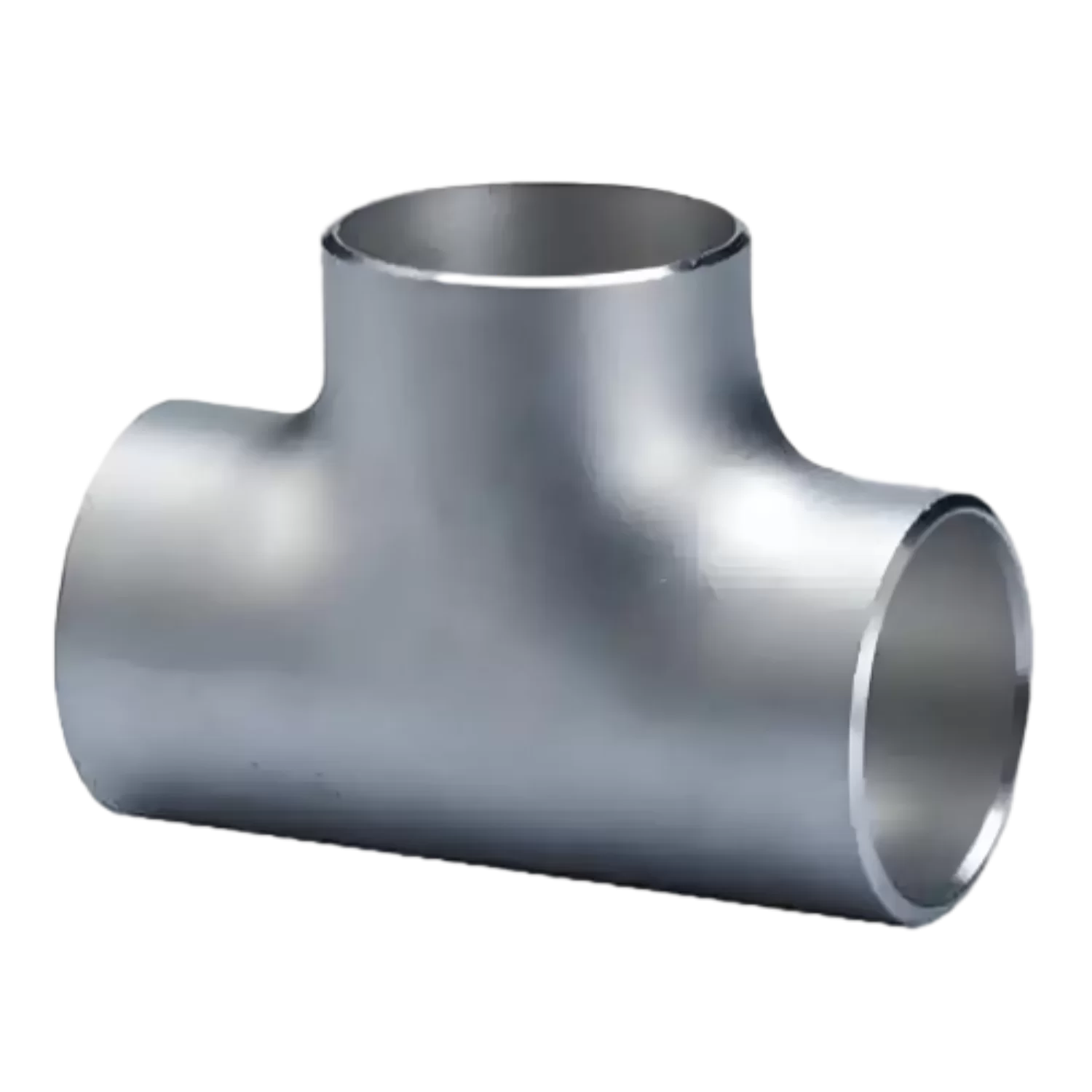
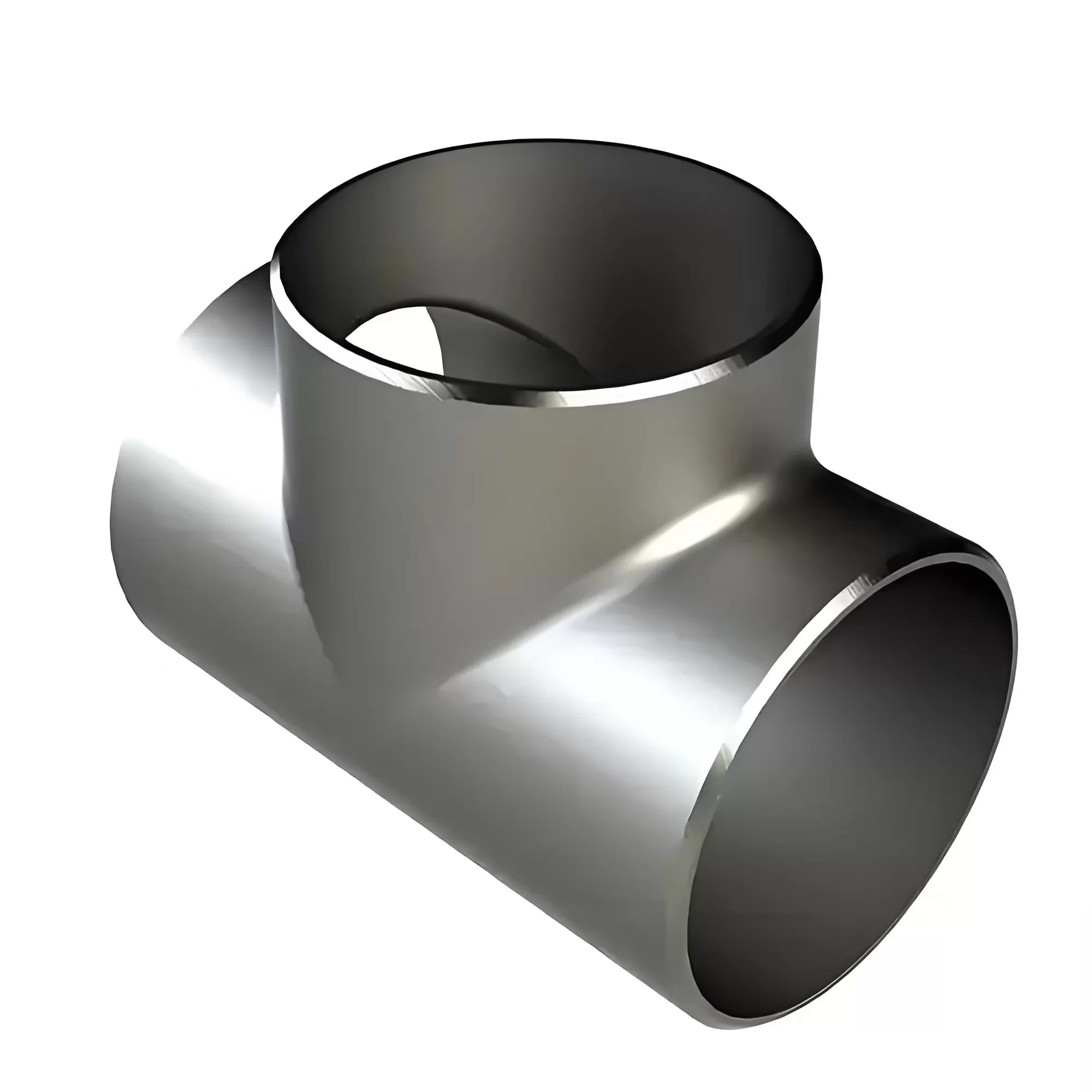
The Core Role Of The Tee In Pipeline Systems
In the complex architecture of modern pipeline systems—spanning petrochemical plants, municipal waterworks, HVAC networks, and power generation facilities—the tee fitting is arguably one of the most critical and universally employed components.
Dec 02,25
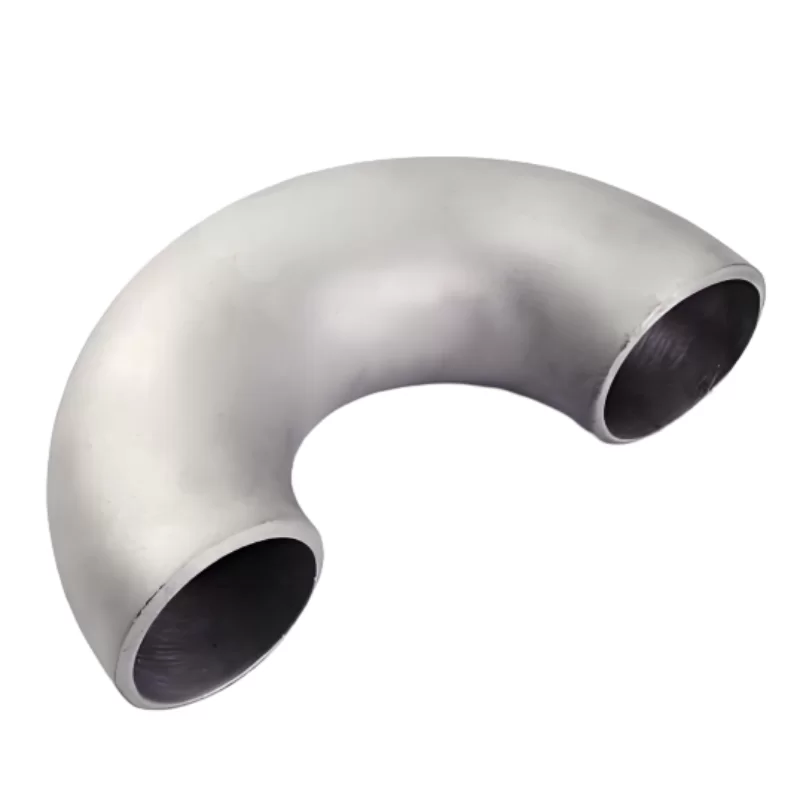
Characteristics And Common Applications Of Carbon Steel Bending Pipe
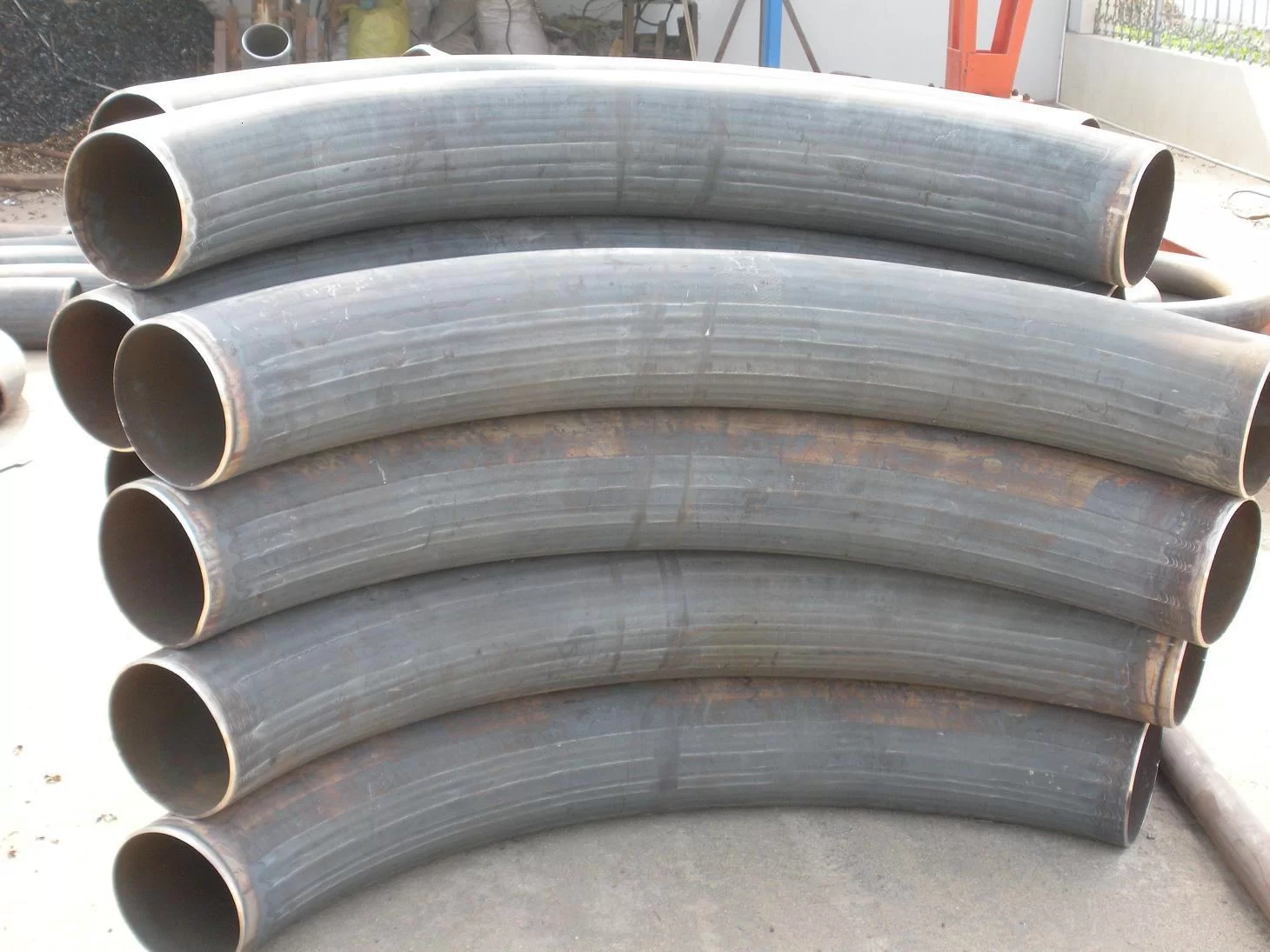
The use of bent piping is an essential practice in industrial construction, allowing fluid transfer lines to navigate complex routes, compensate for thermal expansion, and eliminate the need for numerous welded elbow fittings.
Dec 02,25
Corrosion-Resistant Flanges For Chemical And Marine Industries
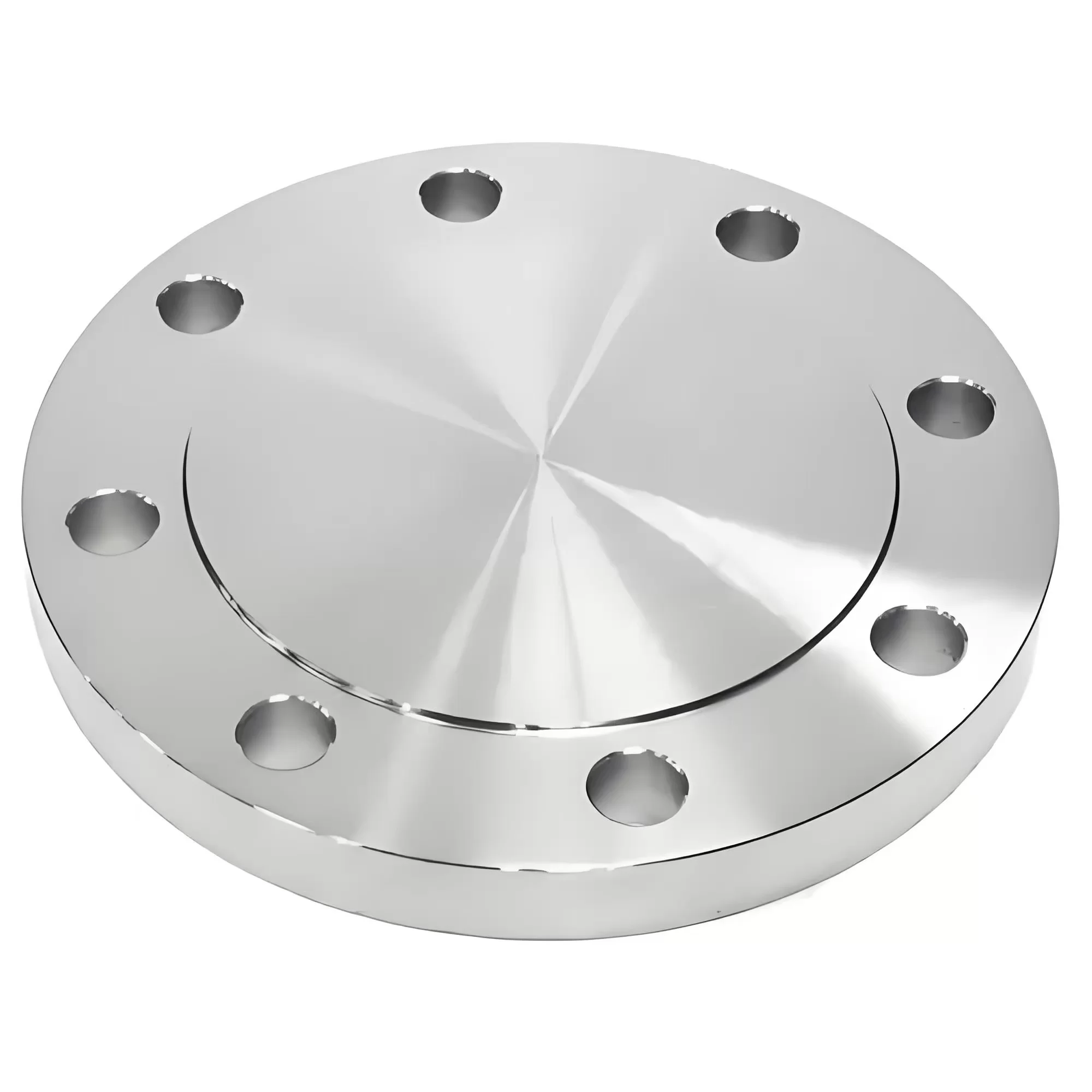
Flanges are indispensable components in piping systems, serving as the critical junctions that allow for connections, maintenance, and isolation of flow.
SUBSCRIBE NEWSLETTER