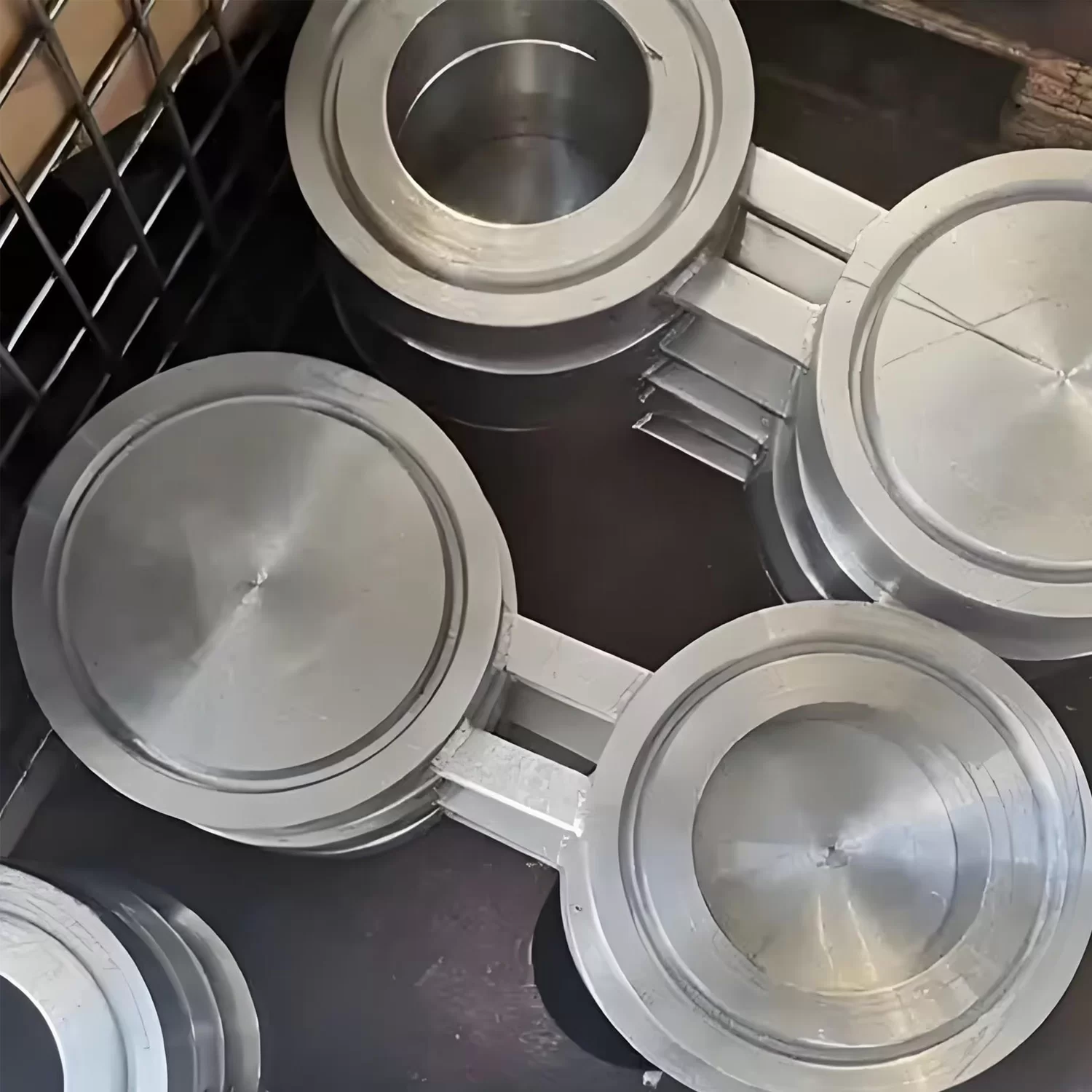
Corrosion-Resistant Flanges For Chemical And Marine Industries
Flanges are indispensable components in piping systems, serving as the critical junctions that allow for connections, maintenance, and isolation of flow. In the highly aggressive environments of the chemical and marine industries, where exposure to corrosive chemicals, high salinity, and extreme temperatures is the norm, standard carbon steel flanges are rapidly compromised. The integrity of these systems relies entirely on the selection and application of corrosion-resistant flanges. These specialized components are engineered using high-performance alloys to ensure safety, minimize downtime, and guarantee the long-term operational integrity of crucial infrastructure.
The Corrosive Challenge: Why Standard Flanges Fail
The operating conditions in chemical processing plants and marine environments present a unique and severe set of corrosion mechanisms that rapidly degrade conventional materials:
Chemical Industry: Flanges are exposed to acids (e.g., sulfuric, hydrochloric), strong bases, chlorides, and volatile organic compounds (VOCs). These substances induce several forms of localized attack, including pitting corrosion, crevice corrosion, and intergranular attack, which can lead to catastrophic failure.
Marine Industry: Seawater is a highly corrosive electrolyte due to its high chloride content and oxygen saturation. Flanges on offshore platforms, shipbuilding, and coastal facilities face accelerated general corrosion, galvanic corrosion (when dissimilar metals are joined), and stress corrosion cracking (SCC) driven by cyclic loading and the aggressive chloride environment.
To counteract these threats, corrosion-resistant flanges must possess an inherently stable and protective surface chemistry.
Material Selection: The Cornerstone of Corrosion Resistance
The foundation of a corrosion-resistant flange lies in its material composition. The choice depends on a precise match between the operating fluid (corrosive agent), temperature, pressure, and cost constraints.
1. Stainless Steels (SS)
Stainless steels are the entry-level choice for moderate corrosion environments, owing their resistance to the formation of a stable, passive chromium oxide layer.
300 Series (Austenitic): Types 304 and 316 are common. 316/316L is the benchmark for marine and general chemical service due to the addition of molybdenum, which significantly improves resistance to pitting and crevice corrosion, particularly against chlorides.
Duplex and Super Duplex: Alloys like 2205 (Duplex) and 2507 (Super Duplex) offer a major leap in performance. Their mixed ferrite-austenite microstructure provides both high strength (reducing flange thickness requirements) and exceptional resistance to chloride SCC and pitting. They are frequently used in seawater piping, desalination plants, and chemical reactors dealing with high chloride concentrations.
2. Nickel Alloys (Superalloys)
For the most aggressive and high-temperature chemical environments, nickel-based alloys are indispensable. Their high nickel content, combined with chromium, molybdenum, and often tungsten, provides resistance far superior to stainless steels.
Monel (Ni-Cu Alloys): Excellent for hydrofluoric acid and marine applications due to superior resistance to rapidly flowing seawater and biofouling.
Inconel and Hastelloy (Ni-Cr-Mo Alloys): These are the workhorses of the petrochemical and chemical industries. Hastelloy C-276, for example, is highly resistant to a vast range of chemical environments, including wet chlorine gas, hypochlorites, and strong oxidizing acids. These alloys form a stable, protective oxide layer even at elevated temperatures, making them ideal for reactors and heat exchangers.
3. Specialty Materials (Titanium)
Titanium is specified for environments involving strong oxidizing agents or high-velocity seawater. It forms an extremely durable oxide layer, providing near-total immunity to general corrosion and SCC in seawater. Titanium flanges are used in high-performance marine systems and specific chemical processes, such as those involving chlorine dioxide.
Flange Design and Specification for Durability
Selecting the right material is only the first step. The flange design must also account for the corrosive environment to maximize service life.
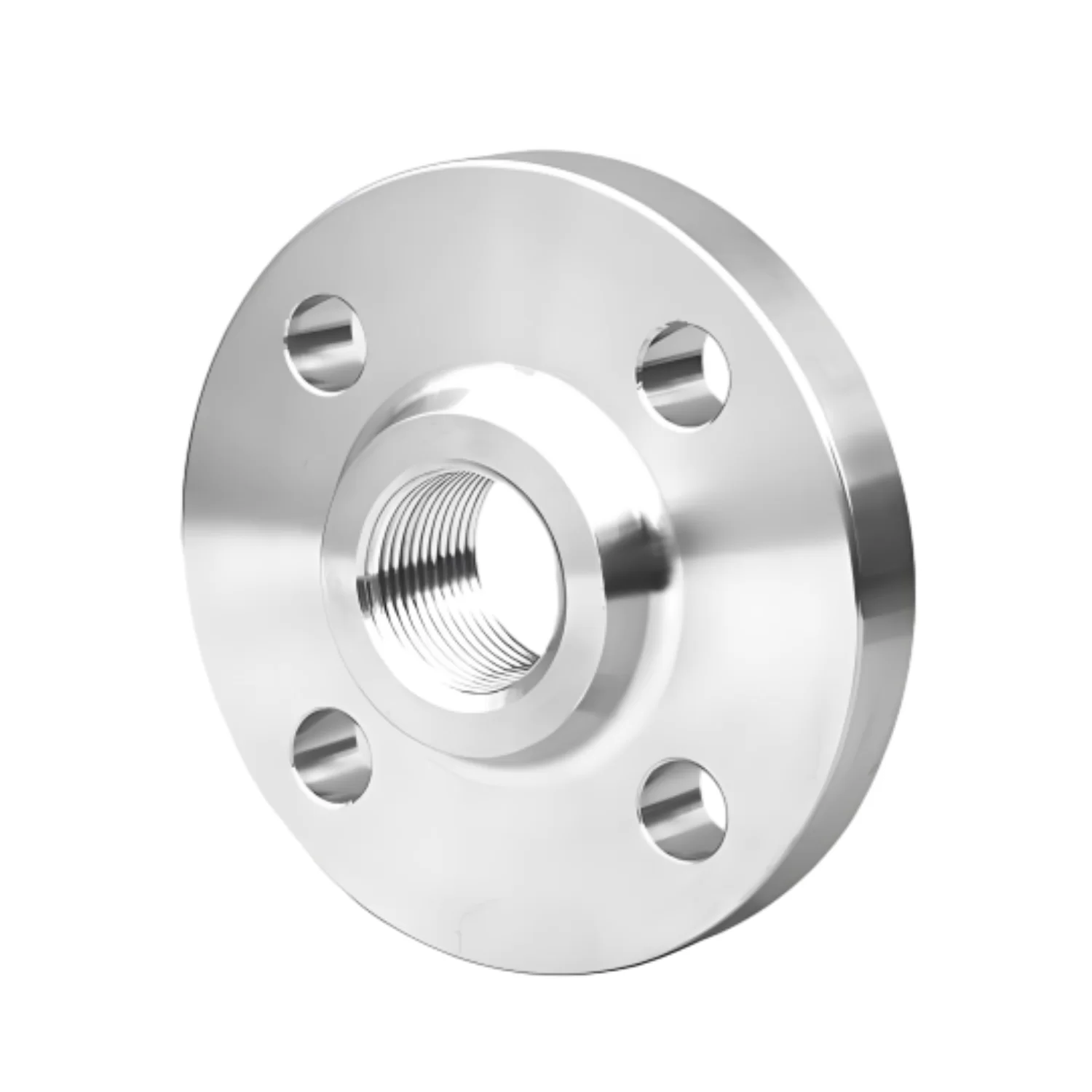
Gasket Surface Finish (FF/RF): The standard flat face (FF) or raised face (RF) designs must maintain extremely tight tolerances to ensure a perfect seal. In corrosive service, the gasket contact area must be flawless to prevent leakage that could initiate localized attack on the flange face or adjacent equipment.
Cladding and Lining: For extremely large or complex flanges where the bulk cost of a superalloy is prohibitive, the base carbon steel body may be lined or clad with a thinner layer of corrosion-resistant material (e.g., Inconel or Titanium). This provides the structural strength of steel with the surface immunity of the specialty alloy.
Welding Procedures: Welding corrosion-resistant flanges requires stringent control. Special filler metals must be used that match or exceed the corrosion resistance of the base metal. Techniques must be employed to minimize heat input, thereby preventing sensitization (depletion of chromium at grain boundaries), which makes stainless steels susceptible to intergranular corrosion.
Quality Control and Certification in Corrosive Service
Given the potential consequences of failure (environmental hazards, explosion, system shutdown), the manufacturing and quality assurance of corrosion-resistant flanges are heavily regulated.
ASME and ASTM Standards: Flanges must comply with industry standards such as ASME B16.5 (for flanges up to 24 inches) and ASTM material specifications.
Non-Destructive Testing (NDT): Testing is mandatory to detect flaws that could initiate corrosion. This includes Ultrasonic Testing (UT) to check for internal defects and Liquid Penetrant Testing (PT) or Magnetic Particle Testing (MT) to ensure the integrity of the flange face and weld preparation areas.
Positive Material Identification (PMI): Before installation, PMI testing (typically using X-ray Fluorescence, XRF) is often required to confirm the precise alloy composition of the flange. A deviation from the specified alloy, even a minor one, can lead to unpredictable corrosion in a harsh chemical environment.
The deployment of corrosion-resistant flanges is a critical engineering decision that dictates the safety and financial viability of operations in the chemical and marine sectors. The selection process demands meticulous attention to the specific corrosive agents, requiring movement beyond basic stainless steels to advanced Duplex, Super Duplex, and Nickel superalloys. By adhering to strict standards in material selection, design specification, and rigorous quality control (including NDT and PMI), engineers can ensure that these vital pipe junctions withstand the relentless assault of extreme environments, guaranteeing pipeline integrity for years of reliable service.