The Core Role Of The Tee In Pipeline Systems
Far from being a simple connector, the tee is an engineering marvel designed to perform the core function of fluid division and convergence. Its essential role in a pipeline system is to facilitate branching, ensure flow balancing, and maintain the structural integrity required to operate under rigorous pressure and temperature conditions.
The Foundational Function: Branching and Flow Dynamics
The primary and most recognizable function of the tee is to allow a single run of piping to split into two separate paths, usually at a 90-degree angle to the main line. This branching capability is essential for creating complex networks from simple linear runs.
1. Fluid Diversion and Distribution
A tee allows the fluid stream (liquid, gas, or slurry) to be diverted to feed secondary processes, connect parallel equipment, or distribute media across a wide area.
Process Plants: Tees are used extensively to tap into main headers to feed distillation columns, heat exchangers, or reactor vessels. The size of the branch opening dictates how much of the flow is diverted, which is a critical design variable.
Utility Networks: In municipal water or gas distribution grids, tees are the components that branch off the main transmission line to feed neighborhood distribution lines or individual service connections.
2. Flow Convergence and Mixing
Equally important, a tee can function in reverse, serving to converge two fluid streams into a single main line. This is crucial for applications requiring fluid mixing or collection.
Mixing: In chemical processes, a tee can be used as a low-cost, in-line static mixer where two different streams are brought together under turbulent conditions to initiate a reaction or create a blended product.
Collection: Tees are used to collect effluent or product streams from multiple lines back into a primary header for transport to storage tanks or treatment facilities.
Types of Tees: Balancing Flow and Pressure
The core function of branching is handled by several specialized types of tees, each designed to manage flow and pressure dynamics differently.
1. Equal Tee vs. Reducing Tee
The most basic classification is based on the diameter of the branch port relative to the main line:
Equal Tee (Straight Tee): All three ports (the two run ports and the branch port) have the same nominal diameter. This is used when the diverted flow requires the full capacity of the main line.
Reducing Tee: The diameter of the branch port is smaller than the diameter of the main run ports. This is the most common type, as it allows for smaller feeder lines to tap into large main headers without drastically affecting the pressure or velocity in the main line. The reduction minimizes the pressure drop across the branch itself.
2. Lateral Tee and Wye Fittings
While the standard tee branches at 90 degrees, certain applications demand a more gradual transition to minimize pressure loss and fluid turbulence:
Lateral Tee: This fitting branches at an angle less than 90 degrees (typically 45 or 60 degrees). It is often used to ensure a smoother transition for flow, which is beneficial in high-velocity or abrasive services (like slurry transport) where sharp turns can cause excessive erosion.
Wye Fitting: Similar to a lateral tee, the wye fitting divides the flow more gently, reducing hydraulic shock and friction loss. Wyes are particularly prevalent in low-pressure drainage systems and waste lines where gravity flow is dominant and a smooth, non-turbulent junction is necessary to prevent clogs.
Structural Integrity and Connection Methods
The tee is a point of stress concentration because it changes the direction and velocity of the fluid. Therefore, the structural integrity and the method of connection are paramount.
1. Reinforcement and Stress
When a piping system is subjected to internal pressure, the tee is the point that experiences the highest hoop and longitudinal stress concentrations. Properly engineered tees, especially those created through fabricated branches (o-lets), must include adequate reinforcement to prevent rupture. This reinforcement is critical for high-pressure, high-temperature service.
2. Connection Types
The choice of connection method determines the tee's ease of installation, required joint integrity, and cost:
Welded Tees (Butt-Weld and Socket-Weld):
Butt-Weld Tees are used in high-integrity, large-diameter systems where permanent, leak-proof connections are required. The tee is welded directly to the pipe ends, creating a robust, one-piece system.
Socket-Weld Tees are used for smaller diameters and high-pressure applications where the pipe is inserted into a recessed area of the tee before welding.
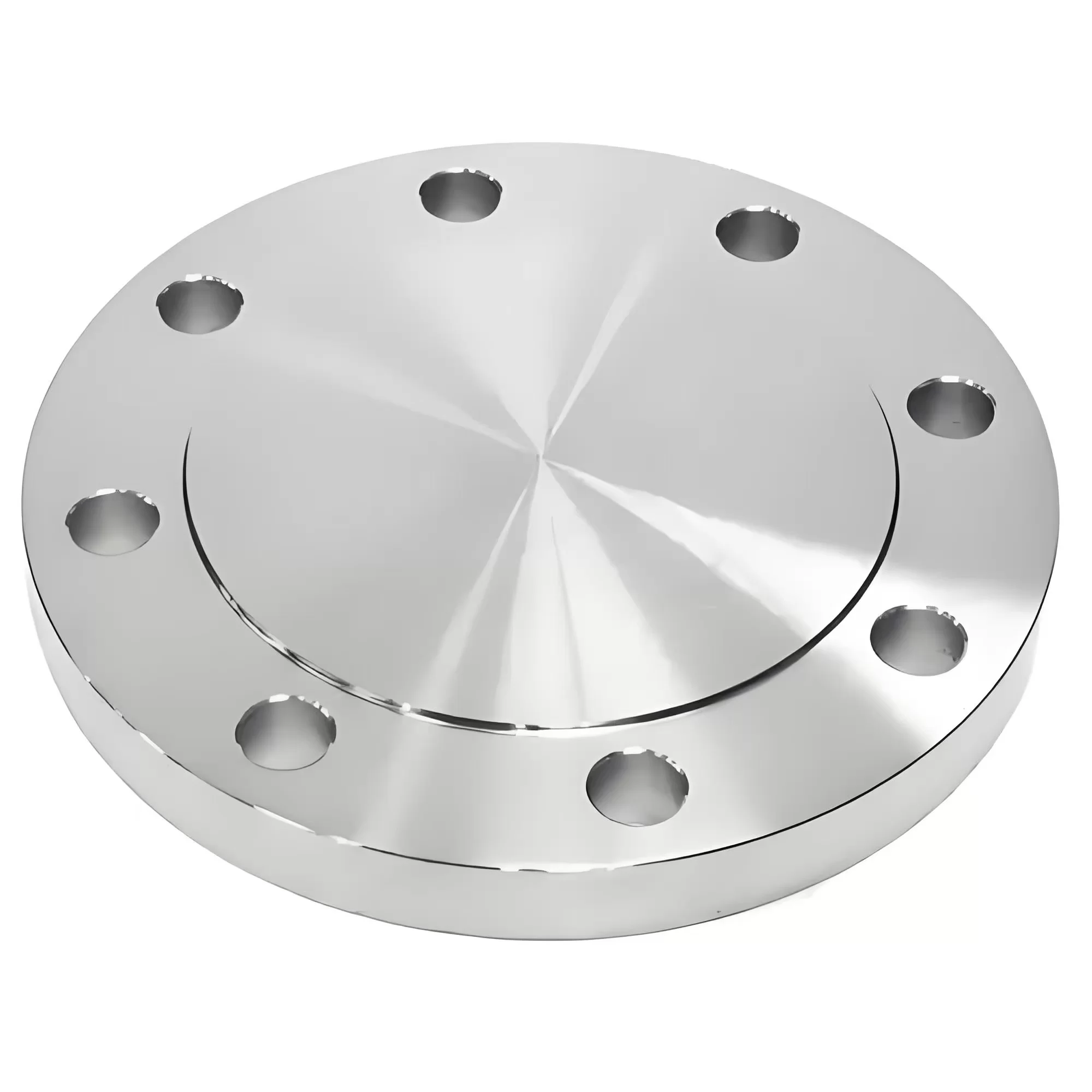
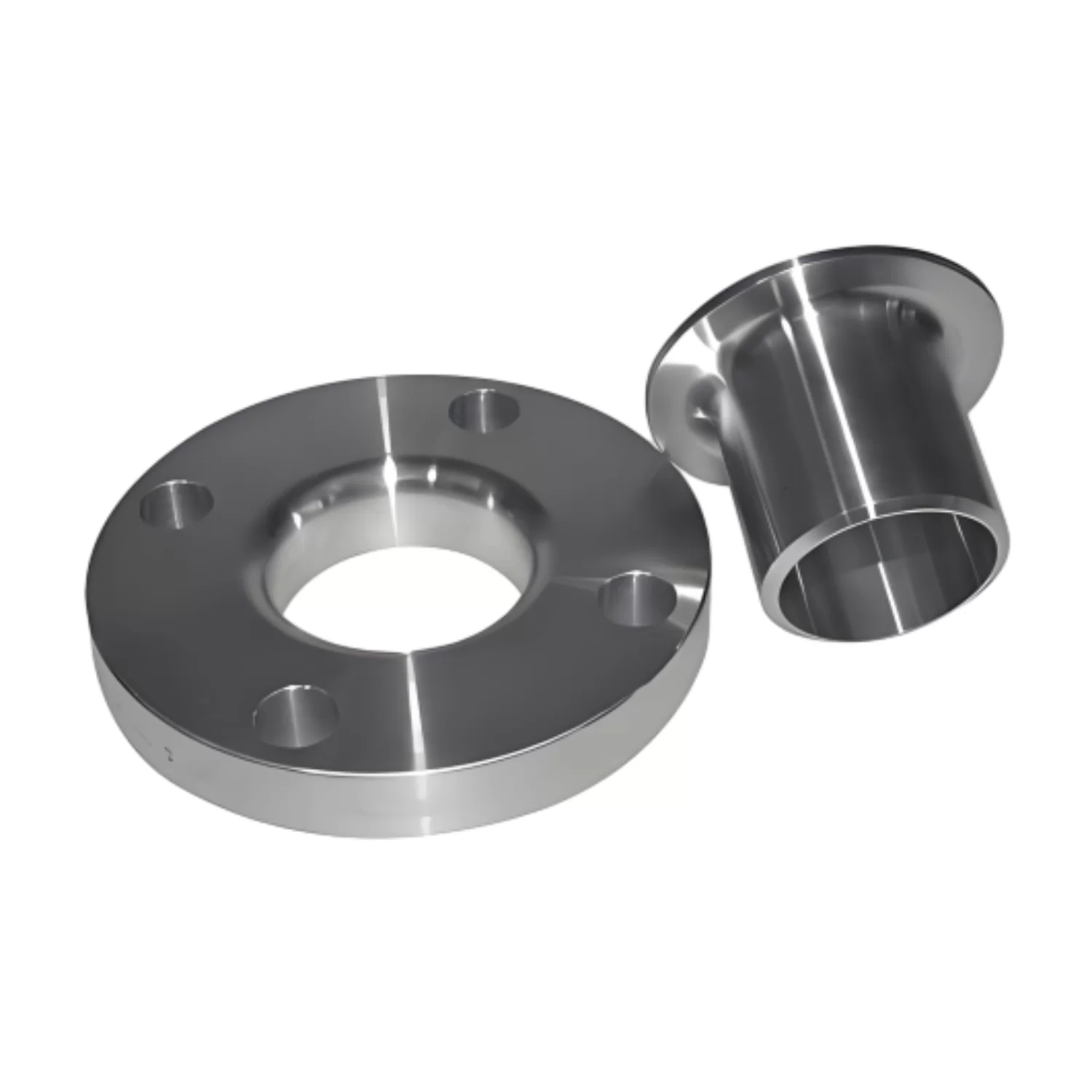
Flanged Tees: Used in systems requiring frequent maintenance, disassembly, or access. The tee has flanges cast onto its ports, which are then bolted to matching pipe flanges. This provides a strong, high-pressure connection that can be broken without cutting the pipe.
Threaded Tees: Used primarily in utility lines, low-pressure applications, and smaller pipe sizes (typically 2 inches or less). They offer quick, simple installation but are generally not suitable for high-vibration or critical service.
The Tee's Role in Maintenance and Isolation
Beyond flow management, the tee serves a crucial indirect role in the maintenance and operability of the entire pipeline network.
Instrumentation Taps: Small-bore tees or specialized fittings (like weldolets) are often welded onto the main line specifically to serve as "taps" for pressure gauges, temperature probes, and sampling ports. These tees allow engineers to monitor critical process conditions without interrupting the main flow.
Bypass and Isolation Points: Tees are used to create permanent bypass loops around major equipment (pumps, filters, heat exchangers). This configuration allows a faulty piece of equipment to be isolated, shut down, and repaired while the overall process continues to flow through the bypass line, ensuring minimal operational downtime.
Vents and Drains: At the highest and lowest points of a pipe run, small tees are installed to attach vent valves (to release trapped air or gas) and drain valves (to remove residual fluid for inspection or repair), ensuring safe and complete system maintenance.
The tee fitting is a foundational component that underpins the complexity and functionality of every major pipeline system. Its core role extends far beyond simple connection; it is a meticulously engineered device critical for efficient fluid division and convergence, pressure management, and structural integrity. Whether specified as a reducing tee in a chemical plant's manifold or a heavy-duty butt-weld tee on an offshore platform, its successful operation is essential for maintaining flow dynamics, facilitating maintenance, and ultimately guaranteeing the safety and reliability of the entire fluid transport network.