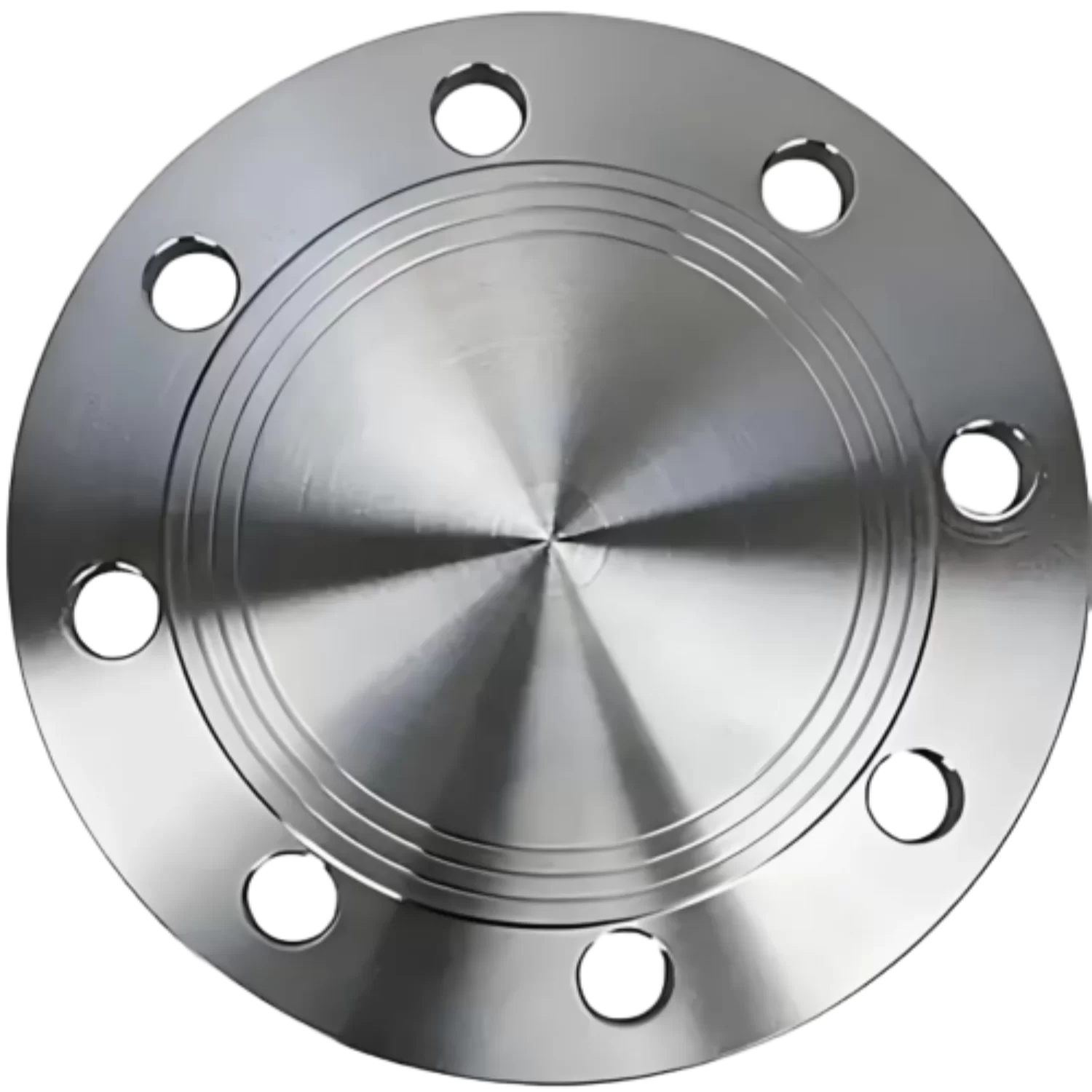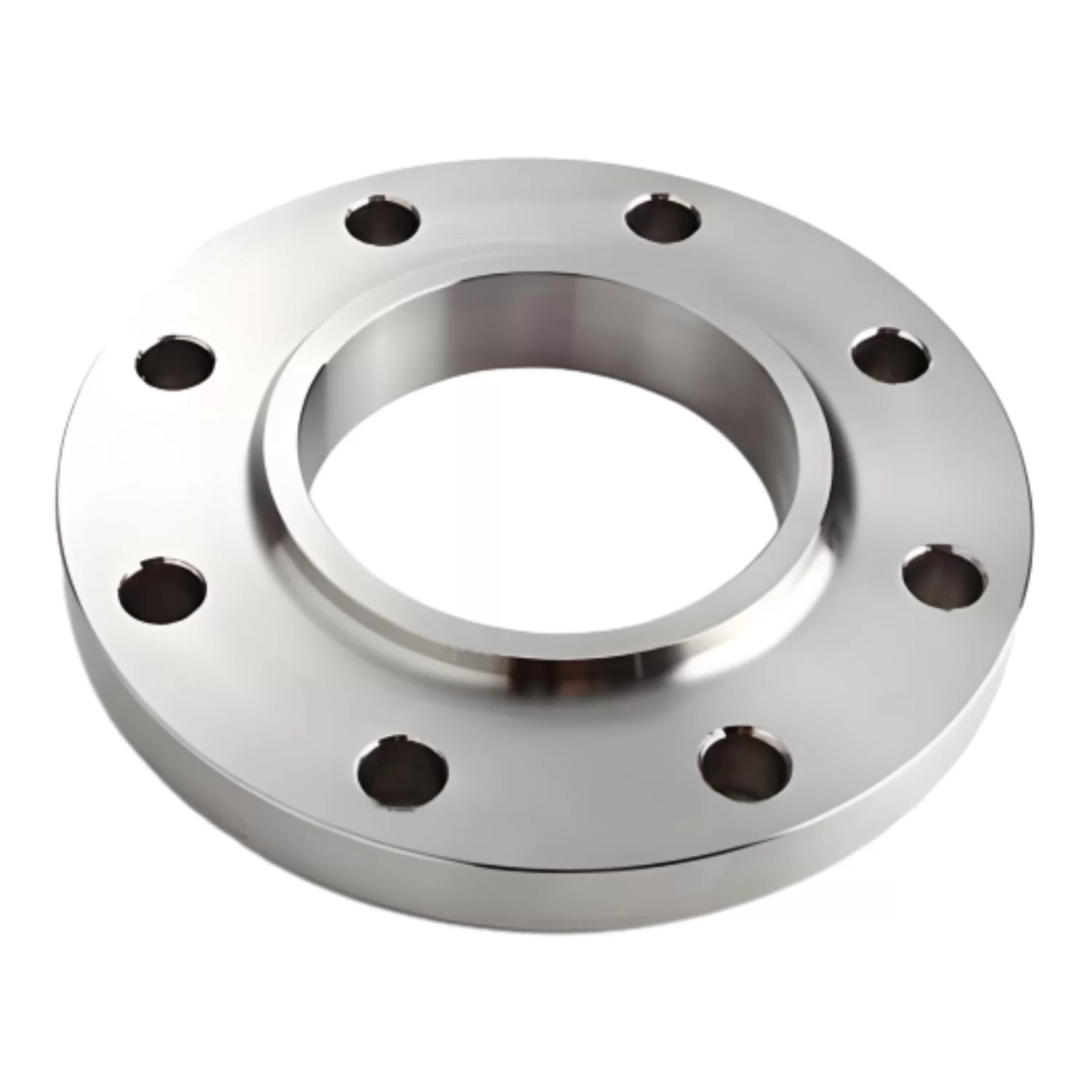
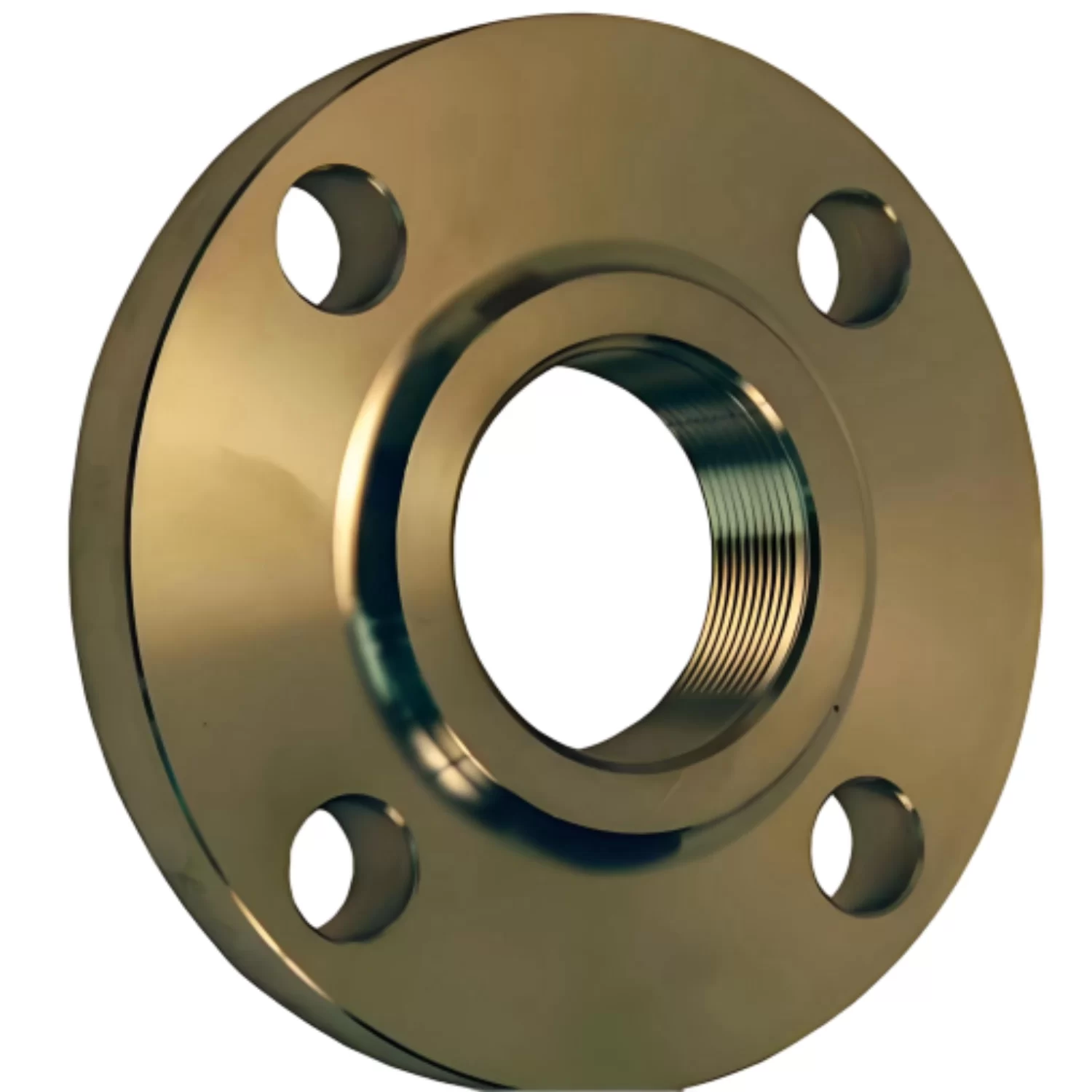
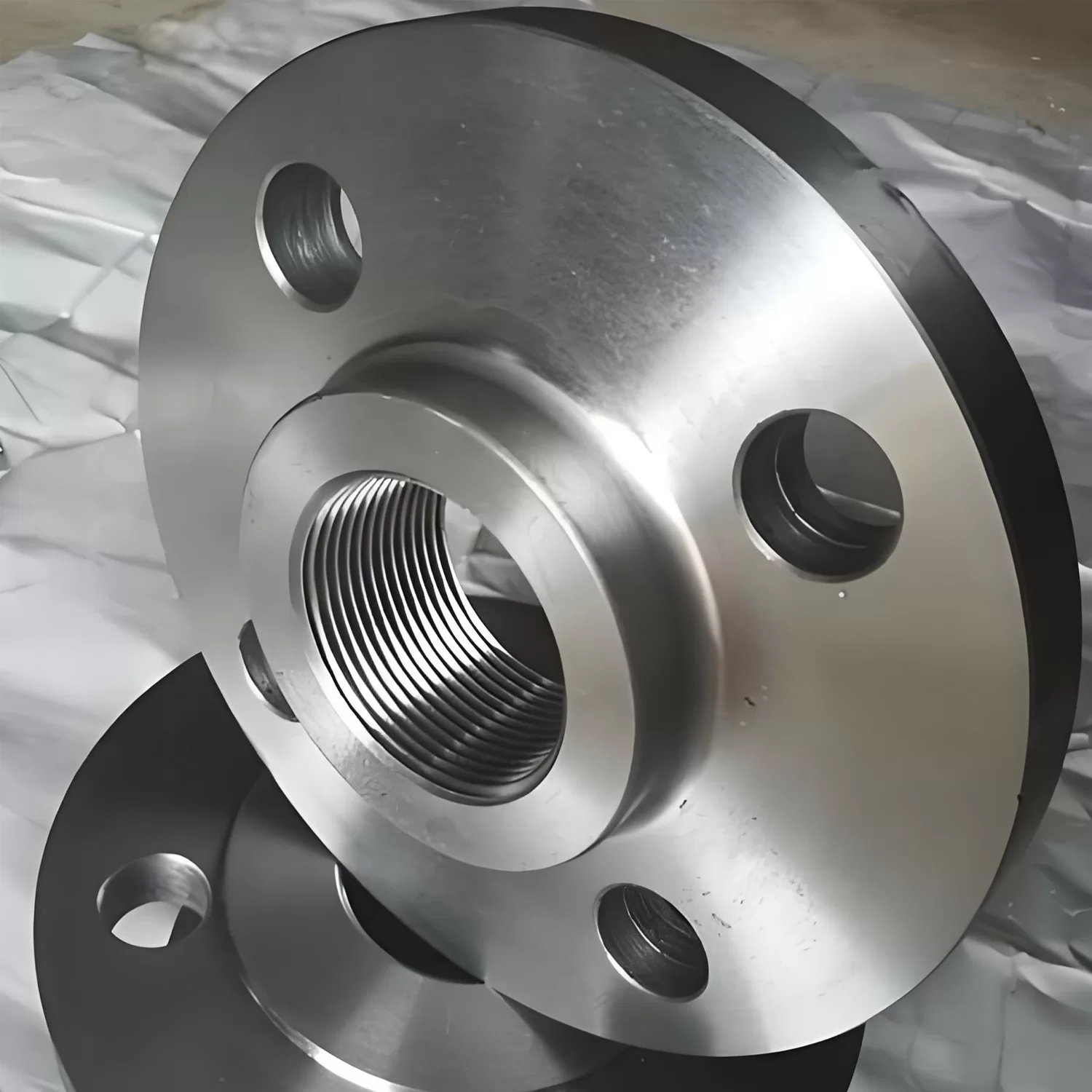
A threaded flange (ASME B16.5 Threaded Flange) is a pipe fitting that achieves connection by screwing the internal thread of the flange with the external thread of the pipe, requiring no welding. It is widely used in pipeline systems with moderate pressure ratings that demand frequent disassembly or maintenance. Composed of a flange disc, sealing face, threaded bore, and connecting bolt holes, it features easy installation, reliable sealing, and cost-effectiveness, making it suitable for transporting various media such as water, oil, and gas.
I. Product Overview
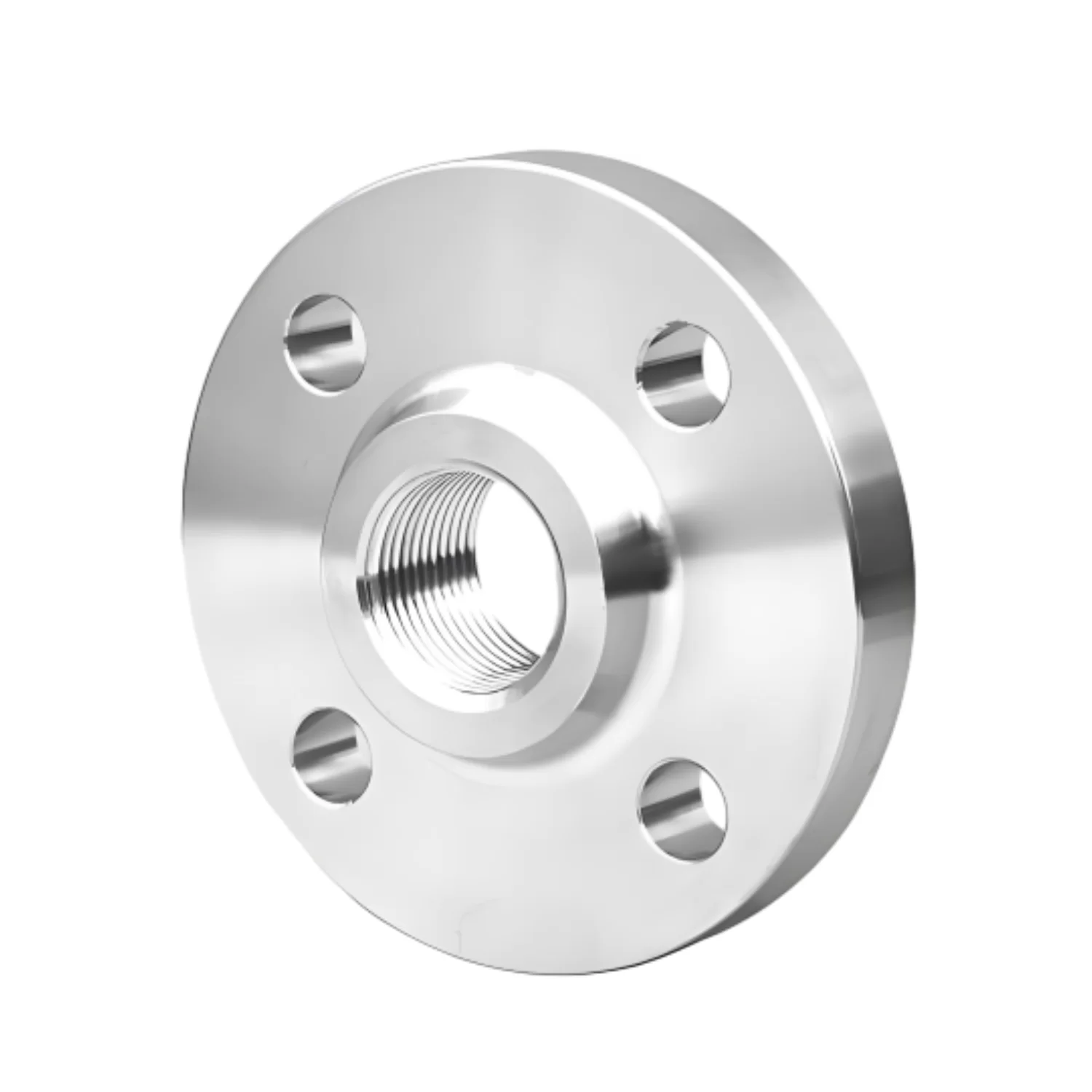
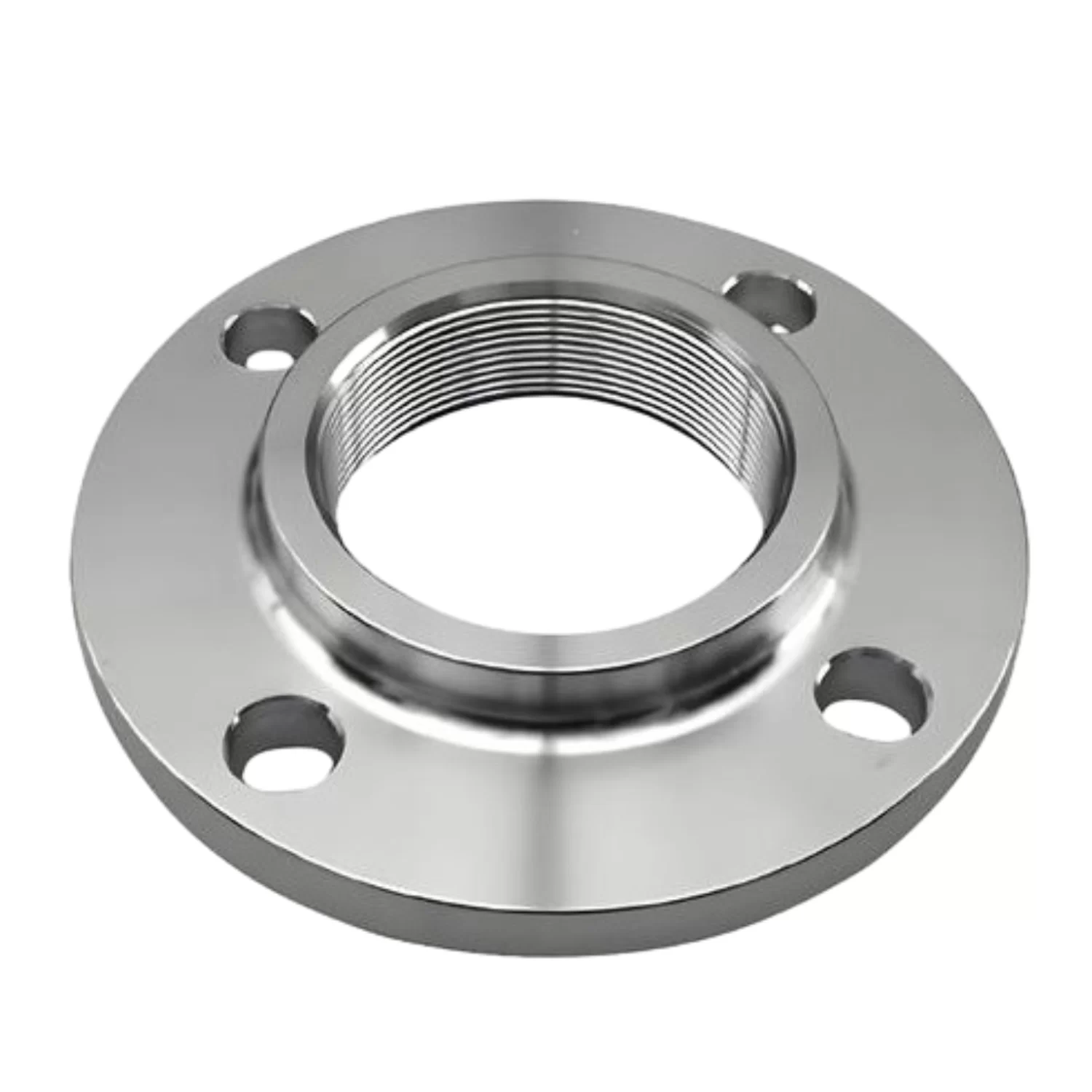
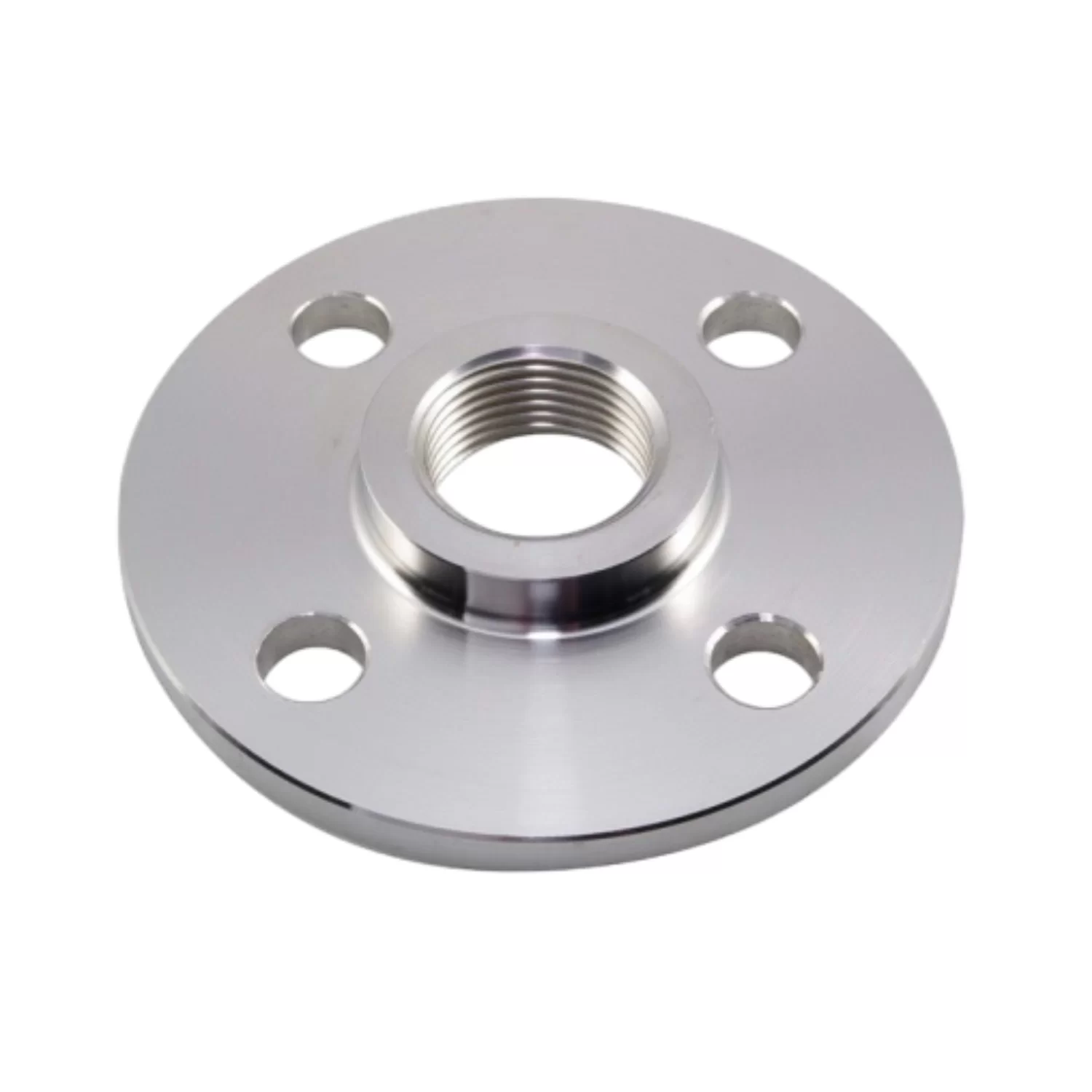
A threaded flange (ASME B16.5 Threaded Flange) is a pipe fitting that achieves connection by screwing the internal thread of the flange with the external thread of the pipe, requiring no welding. It is widely used in pipeline systems with moderate pressure ratings that demand frequent disassembly or maintenance. Composed of a flange disc, sealing face, threaded bore, and connecting bolt holes, it features easy installation, reliable sealing, and cost-effectiveness, making it suitable for transporting various media such as water, oil, and gas.
II. Executive Standards
1. Design Standard: Complies with ASME B16.5 Pipe Flanges and Flanged Fittings, covering pressure ratings (Class 150, 300, 600, 900, 1500, 2500), size range (1/2" to 24", with some specifications up to 48"), and material requirements.
2. Thread Standard: Internal threads typically adopt NPT (National Pipe Tapered Thread) with a taper of 1:16, ensuring sealing through thread profile after screwing. For some low-pressure scenarios, NPSM (National Pipe Straight Mechanical) threads can be used with gaskets.
3. Material Standard: Common materials include carbon steel (A105, A350 LF2), stainless steel (304, 316, 321), and alloy steel (F11, F22). Material selection should be based on media characteristics (corrosiveness, temperature, pressure) and operating conditions, with material performance complying with relevant ASTM or ASME specifications.
III. Structural Features
1. Threaded Connection Design: The flange bore is processed with continuous tapered or straight threads, which directly screw into the external threads of the pipe. This eliminates the need for welding, avoiding the impact of high welding temperatures on pipe material—especially suitable for thin-walled pipes or non-ferrous metal pipes.
2. Sealing Face Types: Depending on pressure ratings and sealing requirements, sealing faces can be Raised Face (RF), Flat Face (FF), Male-Female Face (MFM), etc., with RF being the most commonly used.
3. Flange Disc & Bolt Holes: The outer diameter of the flange disc, as well as the number and diameter of bolt holes, strictly adhere to ASME B16.5 specifications to ensure interchangeability with flange covers, valves, and other fittings of the same standard. Bolt holes are symmetrically distributed in a circular pattern to facilitate uniform force tightening and prevent sealing face deformation.
IV. Technical Parameters
Item | Technical Indicators |
Pressure Rating | Class 150 (PN2.0MPa) to Class 2500 (PN42.0MPa). The specific rated pressure decreases with increasing temperature (refer to ASME B16.5 Pressure-Temperature Rating Tables). |
Applicable Temperature Range | -29℃ to +650℃ (depending on material: e.g., carbon steel ≤425℃, stainless steel ≤600℃, alloy steel can withstand higher temperatures). |
Nominal Diameter (DN/NPS) | 1/2" (DN15) to 24" (DN600); custom special specifications available. |
Thread Precision | Complies with ANSI/ASME B1.20.1 (for NPT threads) or B1.20.3 (for NPSM threads), with a thread profile angle of 60°. |
Surface Treatment | Carbon steel flanges typically undergo galvanization (hot-dip galvanization/electrogalvanization) or painting for rust prevention; stainless steel flanges can be pickled and passivated or mirror-polished. |
V. Application Scenarios
1. Industrial Pipeline Systems: In industries such as petroleum, chemical engineering, power generation, and water treatment, it is used for pipe branches and valve connections that require regular maintenance (non-high temperature and high pressure), such as instrumentation pipelines, sampling pipelines, and temporary pipelines.
2. Construction & Civilian Fields: HVAC (Heating, Ventilation, and Air Conditioning), fire protection pipelines, and gas transmission. Its easy installation makes it suitable for on-site rapid construction and later maintenance/renovation.
3. Special Operating Conditions: Not applicable to scenarios with severe vibration or frequent displacement (threads may loosen), nor recommended for highly corrosive media (corrosion-resistant materials and sealing measures are required). For high-pressure conditions (Class 900 and above), strict control of thread machining precision and tightening torque is necessary.
VI. Advantages & Limitations
Advantages
●No welding equipment required for installation, ensuring high construction efficiency.
●Easy disassembly, facilitating maintenance and replacement.
●Strong adaptability to pipe materials, reducing the risk of welding defects.
Limitations
●Sealing reliability is significantly affected by thread machining precision and installation techniques; not suitable for high-pressure (above Class 2500) or cyclic load conditions.
●Threaded joints have poor vibration resistance—additional supports or threaded flanges with stop devices should be used in vibrating environments.
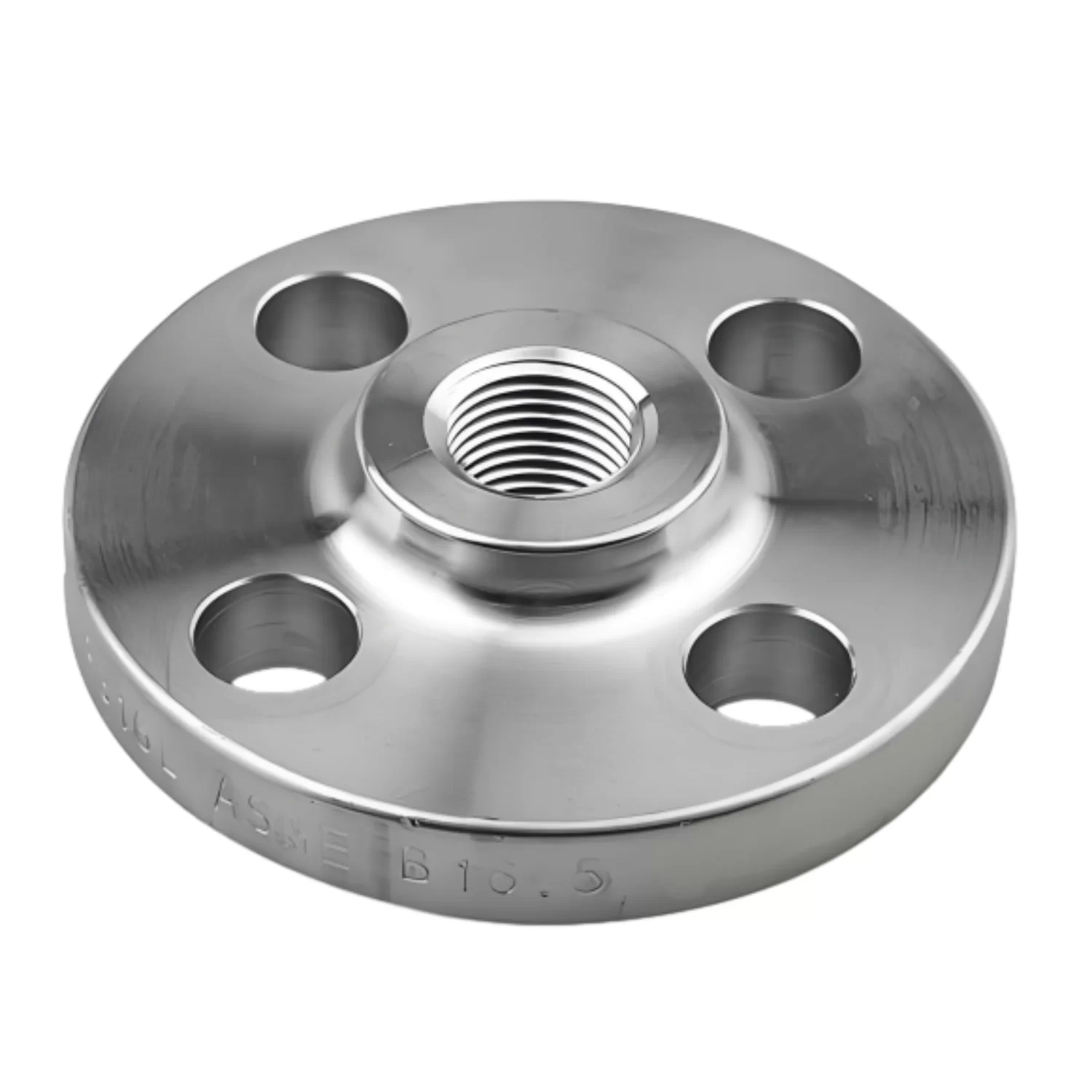
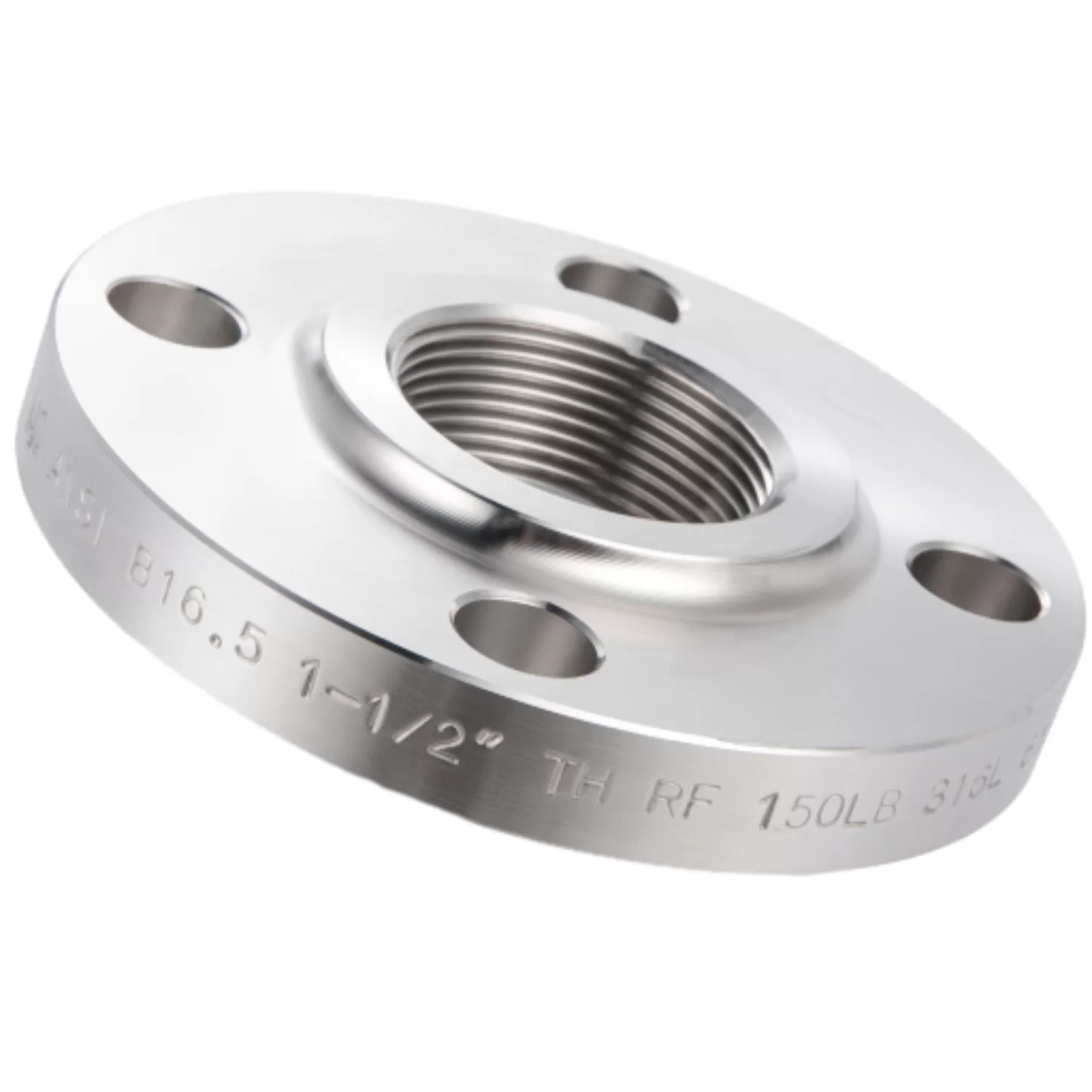
With these characteristics, threaded flanges, due to their flexibility and cost-effectiveness, are an ideal choice for pipe connections in small-to-medium diameters and non-extreme operating conditions, widely serving global industrial and civilian pipeline systems.
Dec 02,25
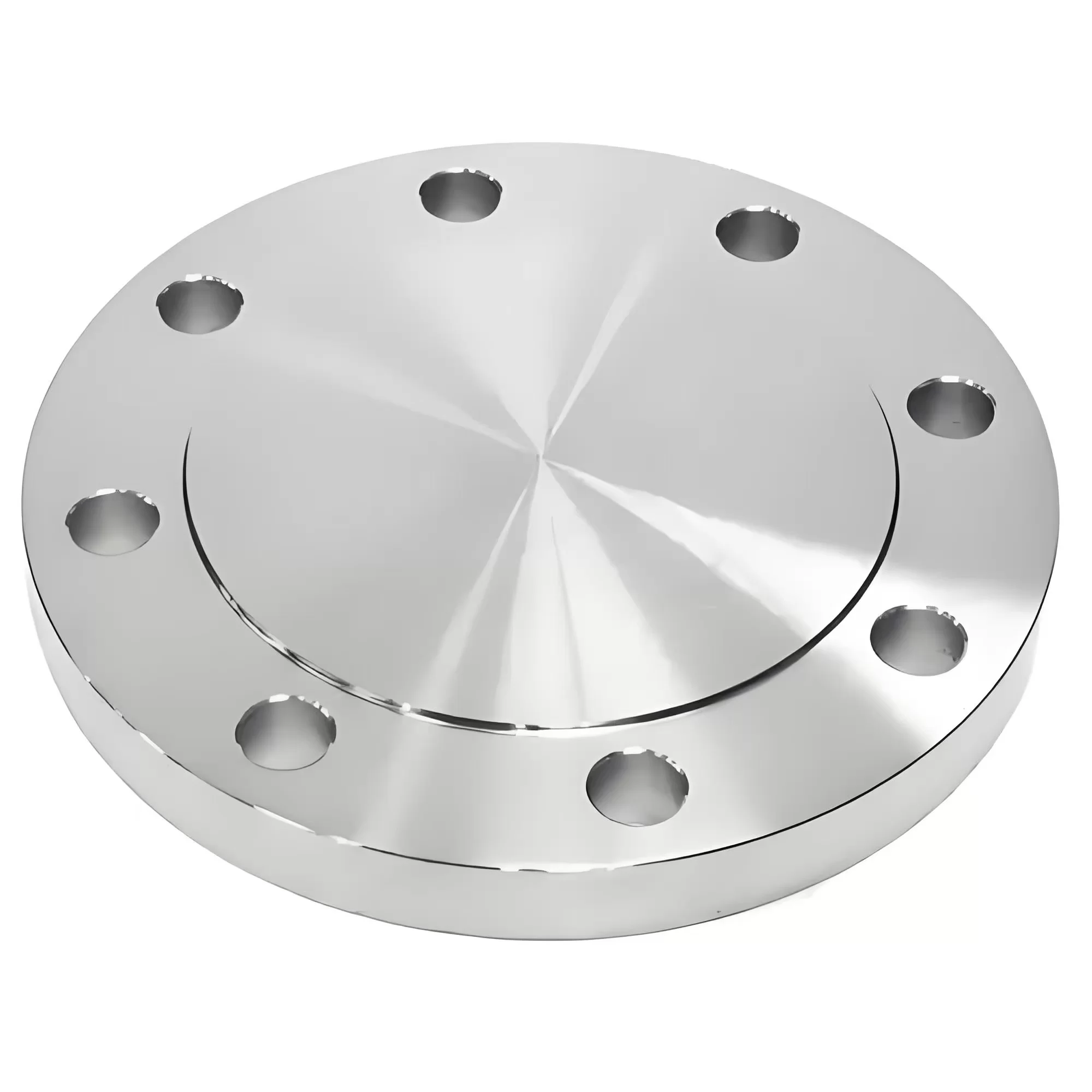
Corrosion-Resistant Flanges For Chemical And Marine Industries
Flanges are indispensable components in piping systems, serving as the critical junctions that allow for connections, maintenance, and isolation of flow.
Dec 02,25
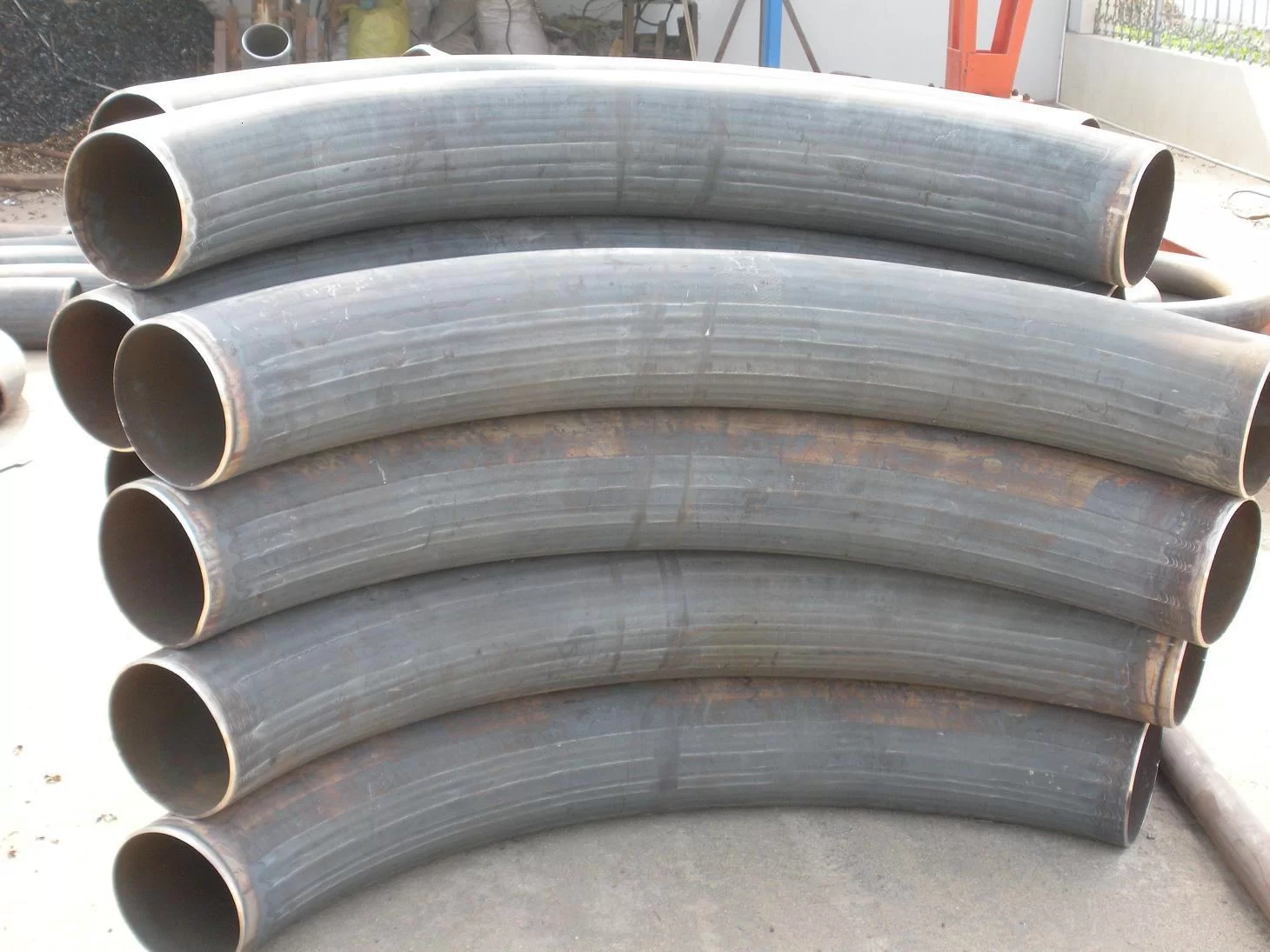
Characteristics And Common Applications Of Carbon Steel Bending Pipe
The use of bent piping is an essential practice in industrial construction, allowing fluid transfer lines to navigate complex routes, compensate for thermal expansion, and eliminate the need for numerous welded elbow fittings.
Dec 02,25
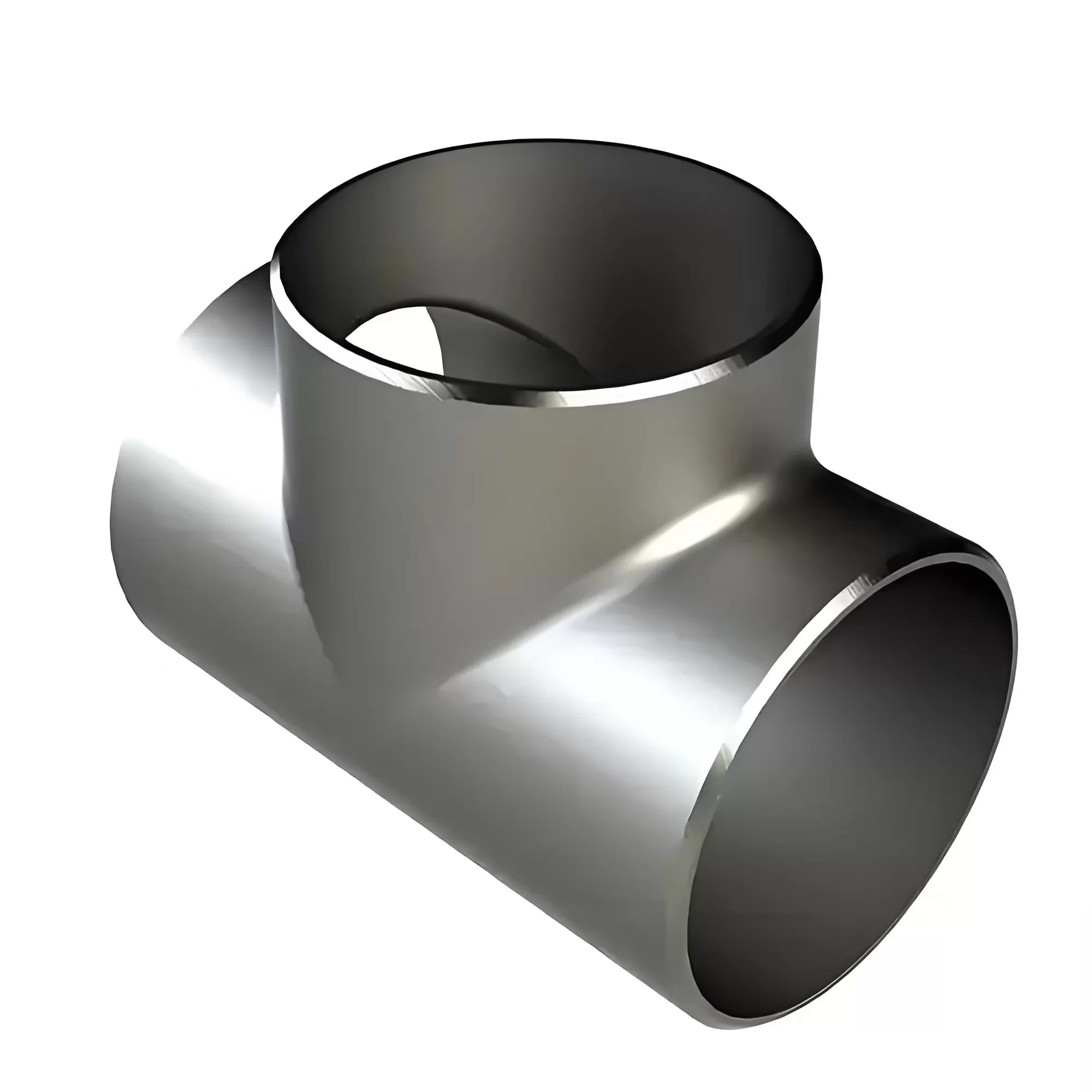
The Core Role Of The Tee In Pipeline Systems
In the complex architecture of modern pipeline systems—spanning petrochemical plants, municipal waterworks, HVAC networks, and power generation facilities—the tee fitting is arguably one of the most critical and universally employed components.
SUBSCRIBE NEWSLETTER