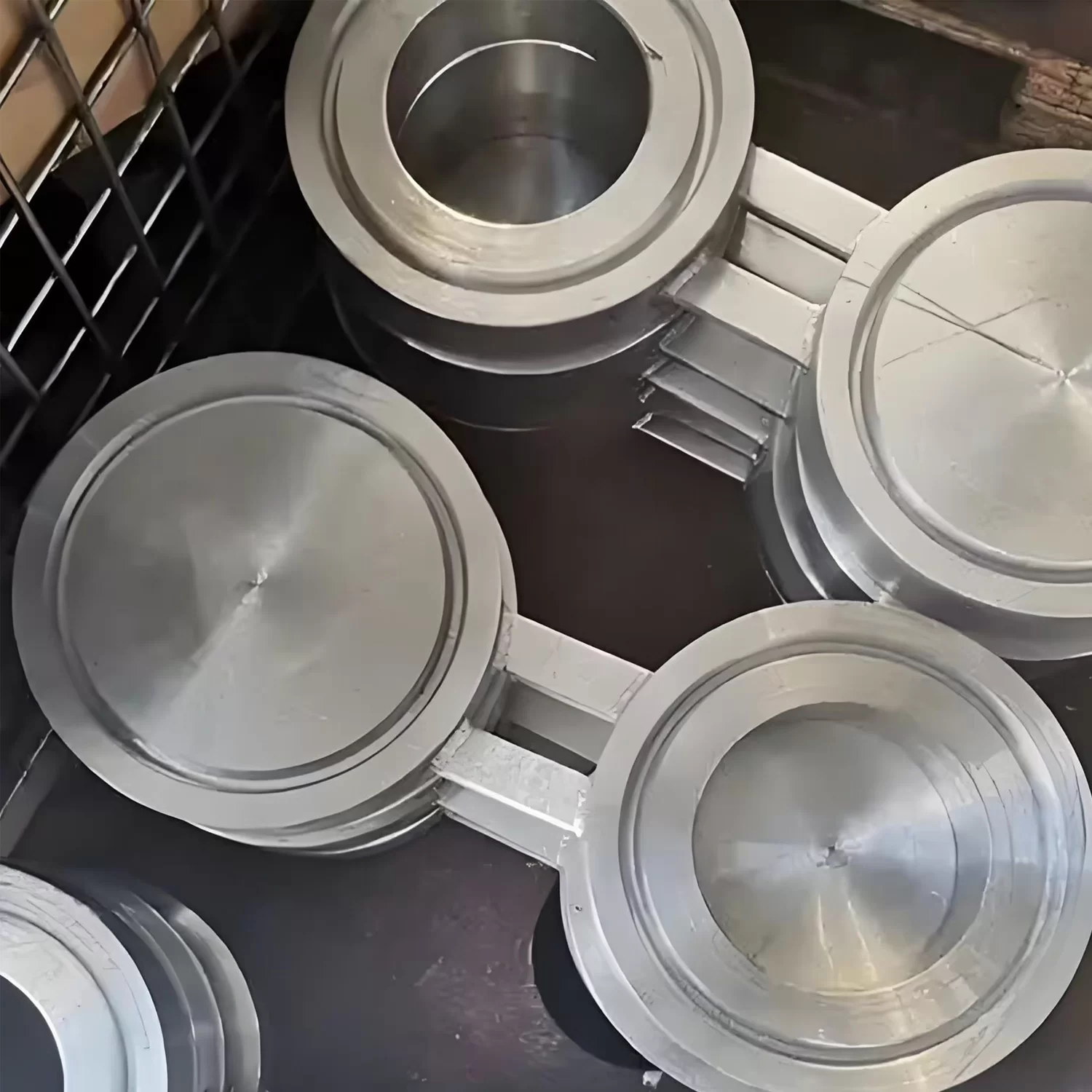
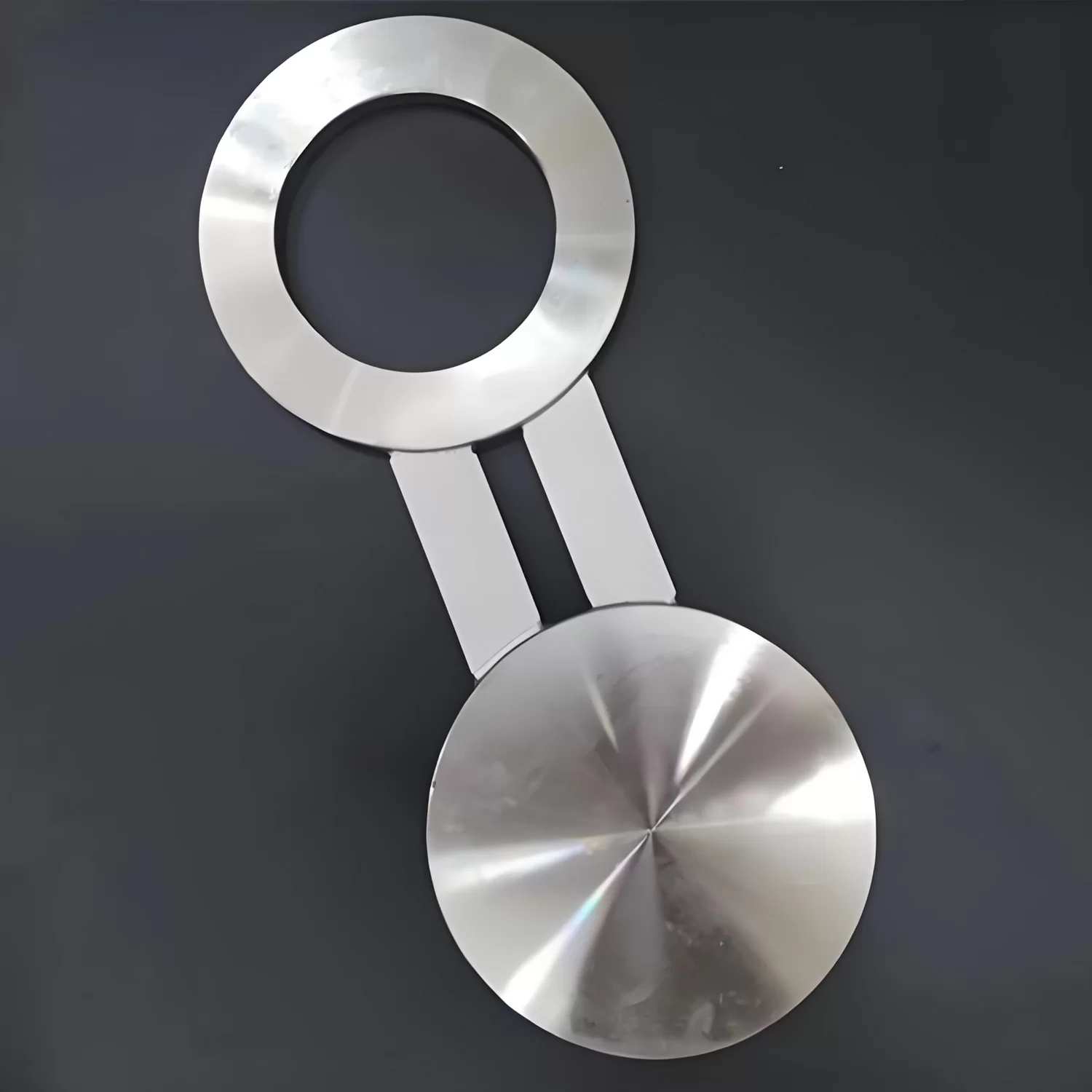
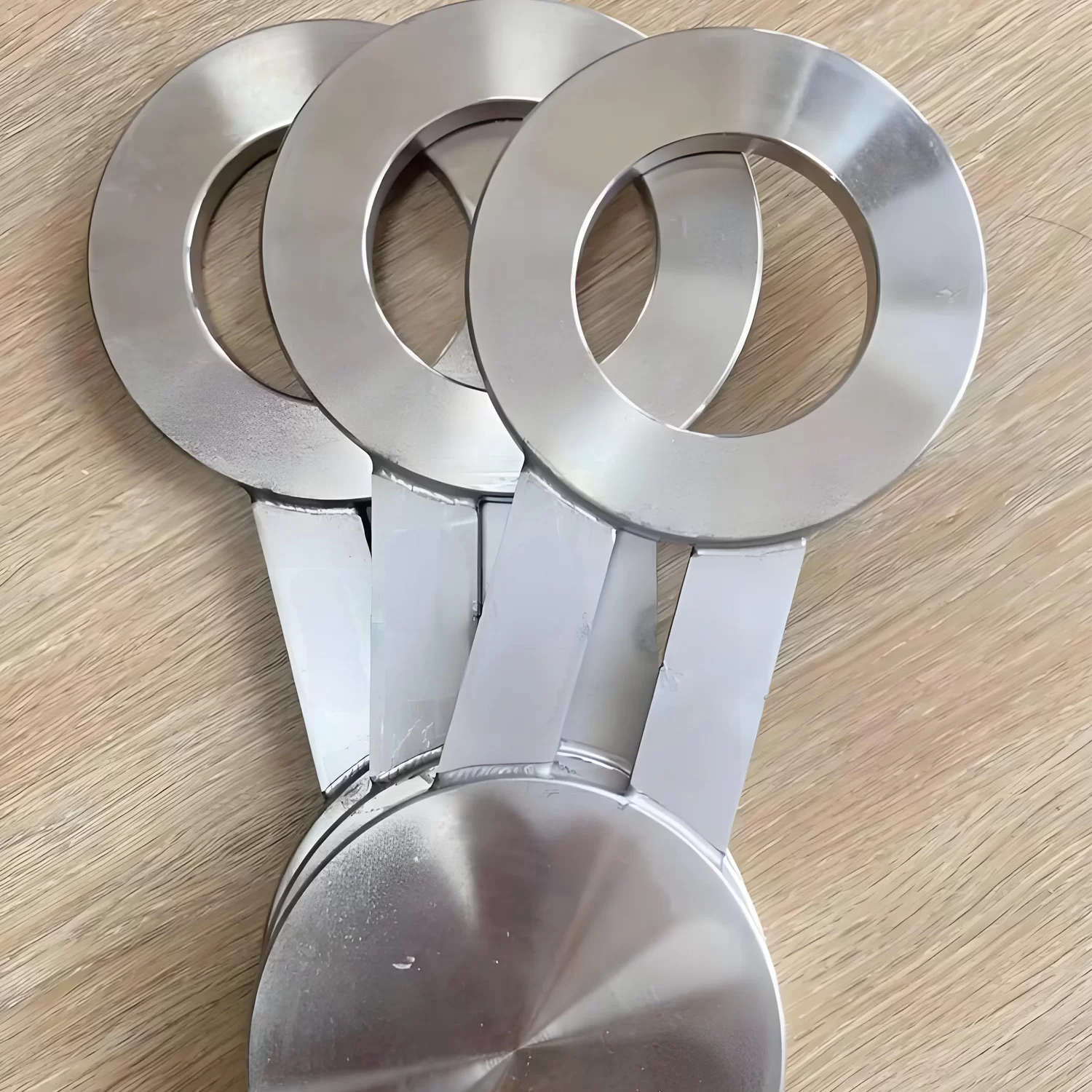
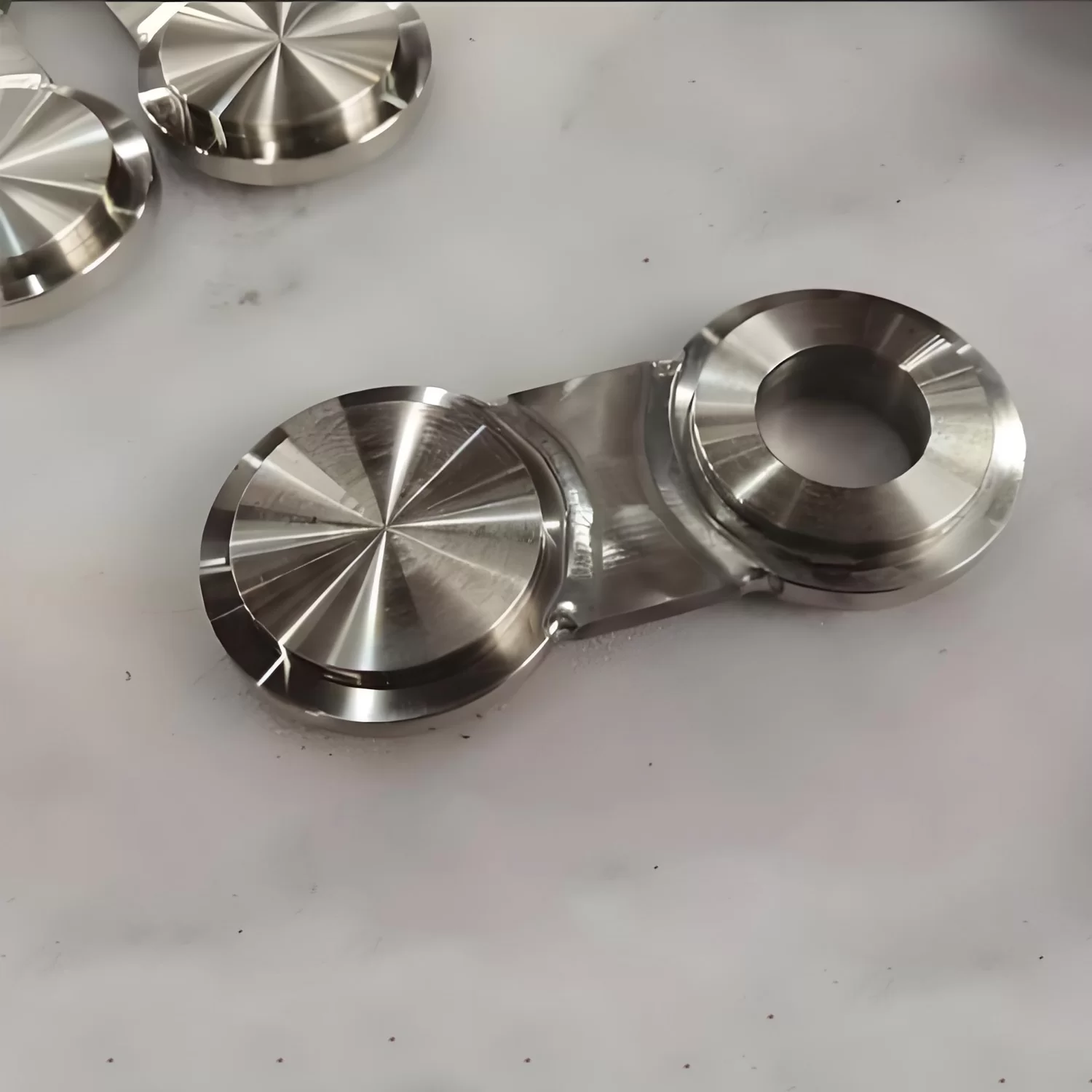
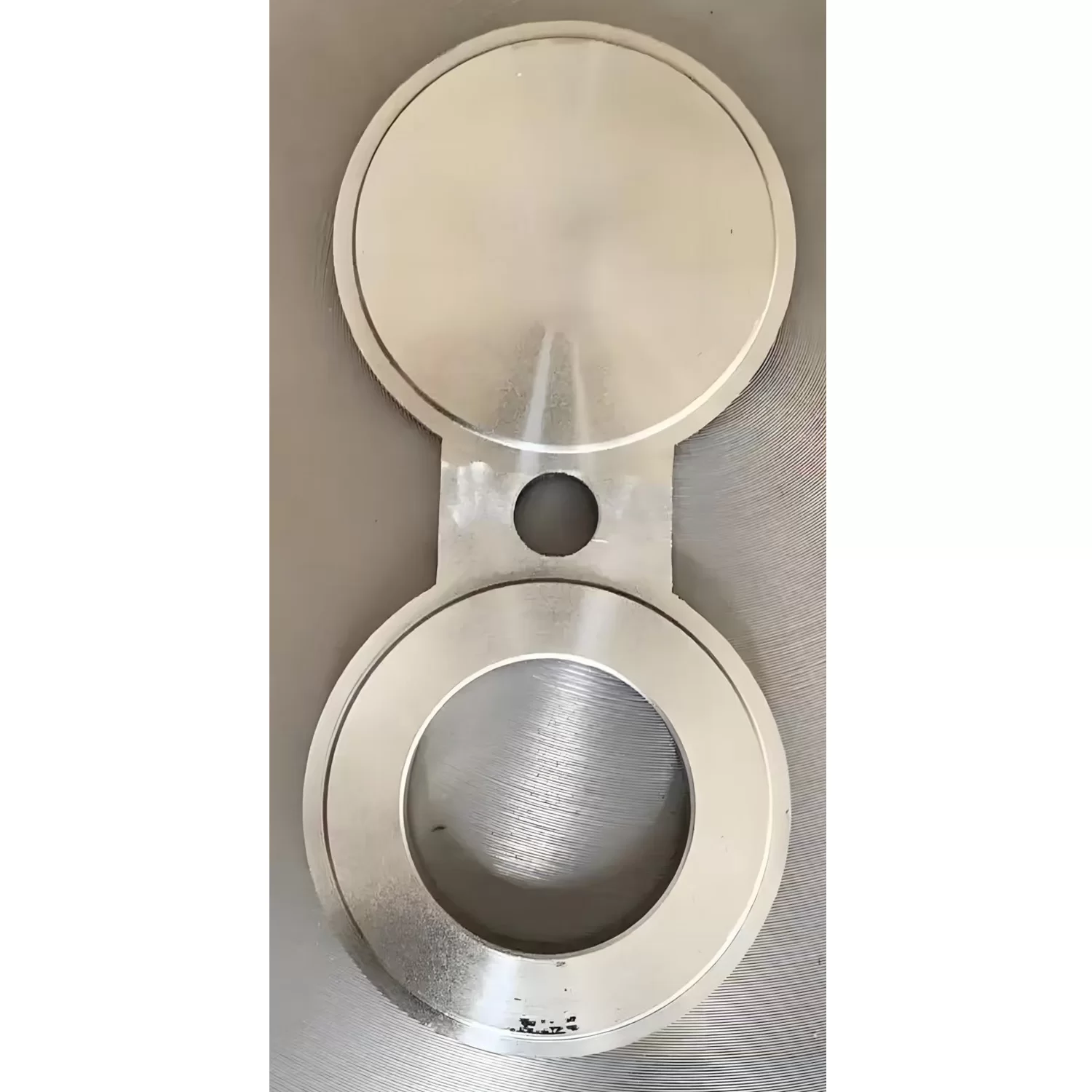
The figure 8 blind is fabricated from a metal plate shaped like the number "8", consisting of two main components:
1. Blind Section: A solid circular structure designed to fully isolate pipeline media, ensuring absolute shutoff of a specific pipeline section and preventing media leakage or mixing.
2. Spacer Ring Section (also known as "Orifice Plate"): An annular structure with a central hole matching the pipeline inner diameter. It maintains unobstructed pipeline flow when full isolation is unnecessary, serving only connection and positioning purposes.
I. Product Structure
The figure 8 blind is fabricated from a metal plate shaped like the number "8", consisting of two main components:
1. Blind Section: A solid circular structure designed to fully isolate pipeline media, ensuring absolute shutoff of a specific pipeline section and preventing media leakage or mixing.
2. Spacer Ring Section (also known as "Orifice Plate"): An annular structure with a central hole matching the pipeline inner diameter. It maintains unobstructed pipeline flow when full isolation is unnecessary, serving only connection and positioning purposes.
The two sections are integrally formed via a central connecting rib. Common materials include carbon steel (e.g., A105, A350 LF2), stainless steel (e.g., 304, 316L), and alloy steel (e.g., F11, F22), selected based on pipeline media characteristics (corrosiveness, temperature, pressure).
II. Working Principle
Working in conjunction with pipeline flanges, the figure 8 blind enables switching between "isolation" and "flow-through" states of the pipeline system:
Isolation State: Rotate the blind section between the flanges and fasten the flange bolts. The solid blind section completely blocks media flow, achieving absolute isolation. Suitable for equipment maintenance, replacement, or media switching scenarios.
Flow-through State: Rotate the spacer ring section between the flanges. The central hole aligns with the pipeline inner diameter, allowing unobstructed media flow. Applicable for normal pipeline operation.
By rotating the orientation of the figure 8 blind, rapid switching between the two states is achieved with simple operation and excellent sealing performance.
III. Key Features
1. Integrated Dual Functions: Combines blind (isolation) and spacer ring (flow-through) functions in one component. Pipeline state switching is realized without disassembly or replacement, reducing downtime and improving operational efficiency.
2. Reliable Sealing Performance: The contact surface between the blind section and flange is typically machined with seal grooves (e.g., Raised Face (RF), Flat Face (FF), Ring Type Joint (RTJ)), which, when paired with gaskets (e.g., spiral wound gaskets, graphite gaskets), ensure reliable sealing under high pressure and prevent media leakage.
3. High Strength and Pressure Resistance: Manufactured by forging or cutting a single metal block, it boasts high structural strength. It can withstand working pressures ranging from ANSI Class 150 to 2500 (corresponding to PN20 to PN420) and a wide temperature range (-29℃ to 650℃, depending on material).
4. Standardized Design: Dimensions (outer diameter, thickness, number and spacing of bolt holes) strictly comply with ASME B16.48 and other American standards, ensuring full compatibility and interchangeability with flanges of the same standard.
5. Clear Safety Identification: The blind and spacer ring sections are usually marked with "BLIND" and "SPACER" respectively, or distinguished by color or engraving to avoid operational errors.
IV. Technical Parameters
Executive Standards: ASME B16.5 (Pipe Flanges and Flanged Fittings), ASME B16.48 (Steel Line Blanks), etc.
Pressure Rating: ANSI Class 150, 300, 600, 900, 1500, 2500.
Nominal Diameter (DN): 1/2 inch to 48 inches (corresponding to DN15 to DN1200).
Flange Facing Type: Raised Face (RF), Flat Face (FF), Ring Type Joint (RTJ), etc., to meet different sealing requirements.
Material Options:
●Carbon Steel: A105 (ambient temperature), A350 LF2 (low temperature);
●Stainless Steel: 304/304L, 316/316L, 321, 347;
●Alloy Steel: F11, F22, F91;
●Special Alloys: Hastelloy, Monel, Titanium Alloy (for highly corrosive media).
V. Application Scenarios
Figure 8 blinds are widely used in industrial pipeline systems requiring frequent switching between isolation and flow-through states. Typical applications include:
Petrochemical Industry: Maintenance isolation of reactors, towers, heat exchangers, and other equipment;
Natural Gas and Fuel Gas: Media shutoff and flow-through in long-distance pipelines and pressure regulating stations;
Power Industry: Safety isolation of steam pipelines and boiler systems;
Pharmaceutical and Food Industry: Aseptic switching and maintenance of clean pipeline systems;
Water Treatment: Media isolation in acid-base pipelines and sewage treatment systems.
They are particularly suitable for pipeline systems transporting high-pressure, high-temperature, toxic, flammable, explosive, or other hazardous media, significantly enhancing operational safety and convenience.
Dec 02,25
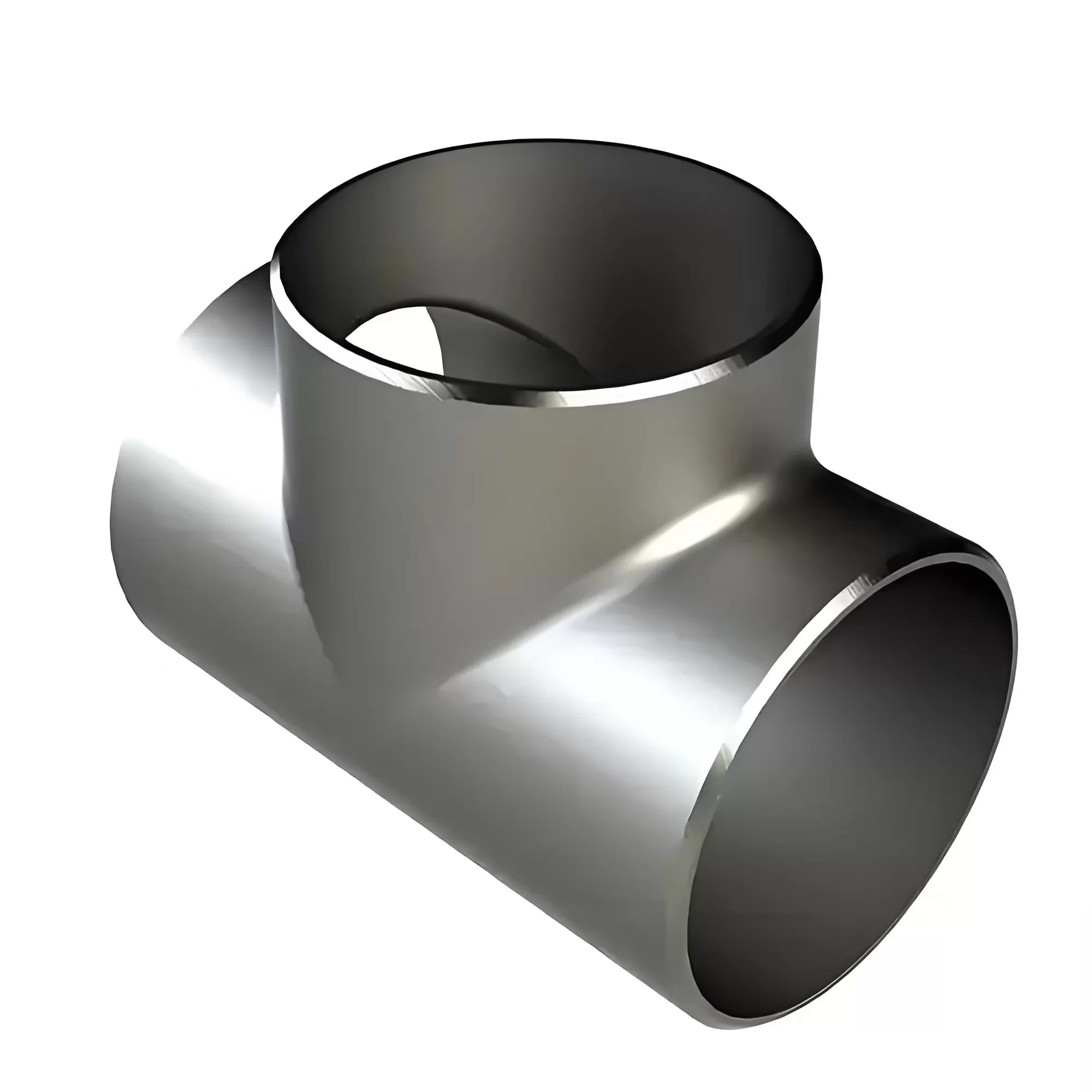
The Core Role Of The Tee In Pipeline Systems
In the complex architecture of modern pipeline systems—spanning petrochemical plants, municipal waterworks, HVAC networks, and power generation facilities—the tee fitting is arguably one of the most critical and universally employed components.
Dec 02,25
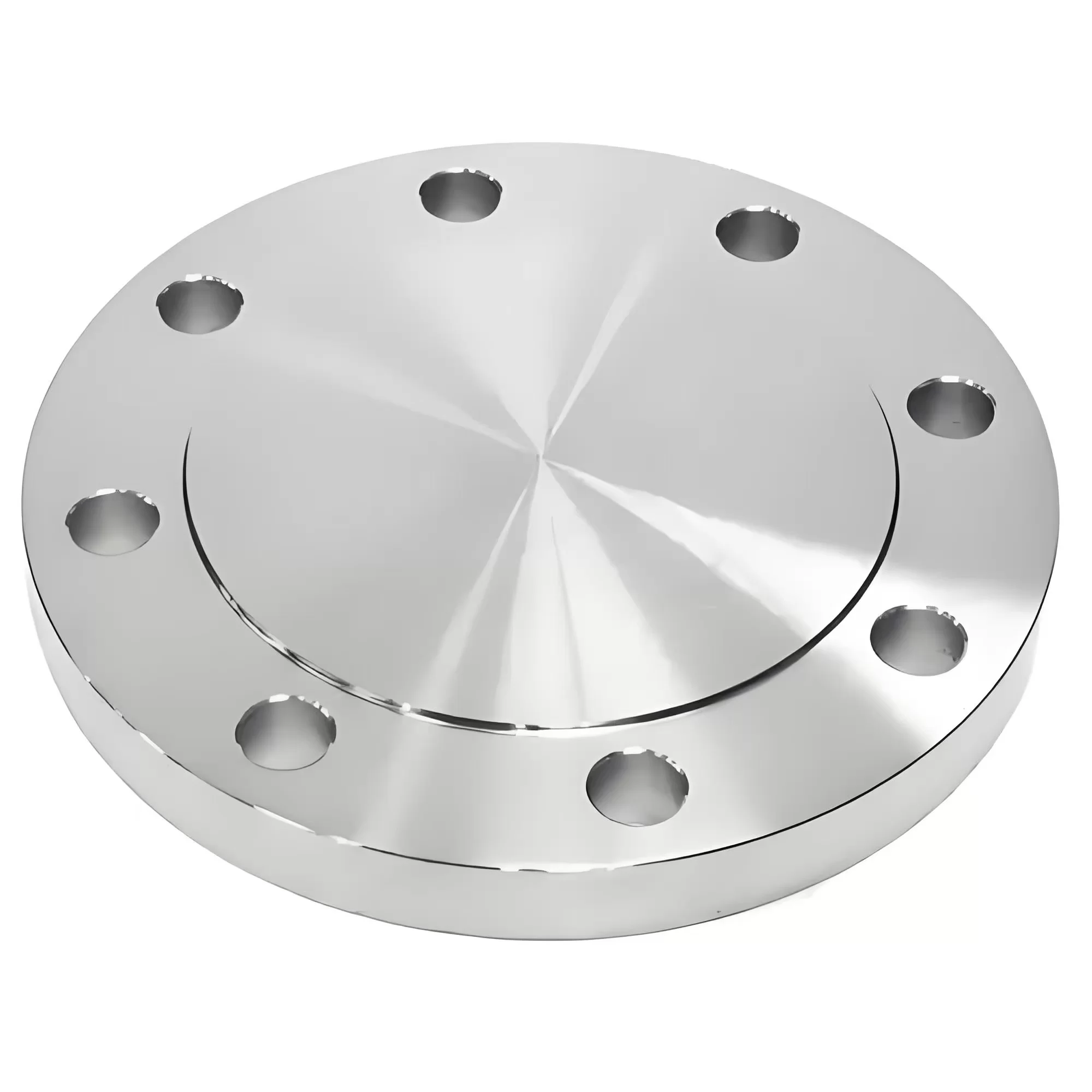
Corrosion-Resistant Flanges For Chemical And Marine Industries
Flanges are indispensable components in piping systems, serving as the critical junctions that allow for connections, maintenance, and isolation of flow.
Dec 02,25
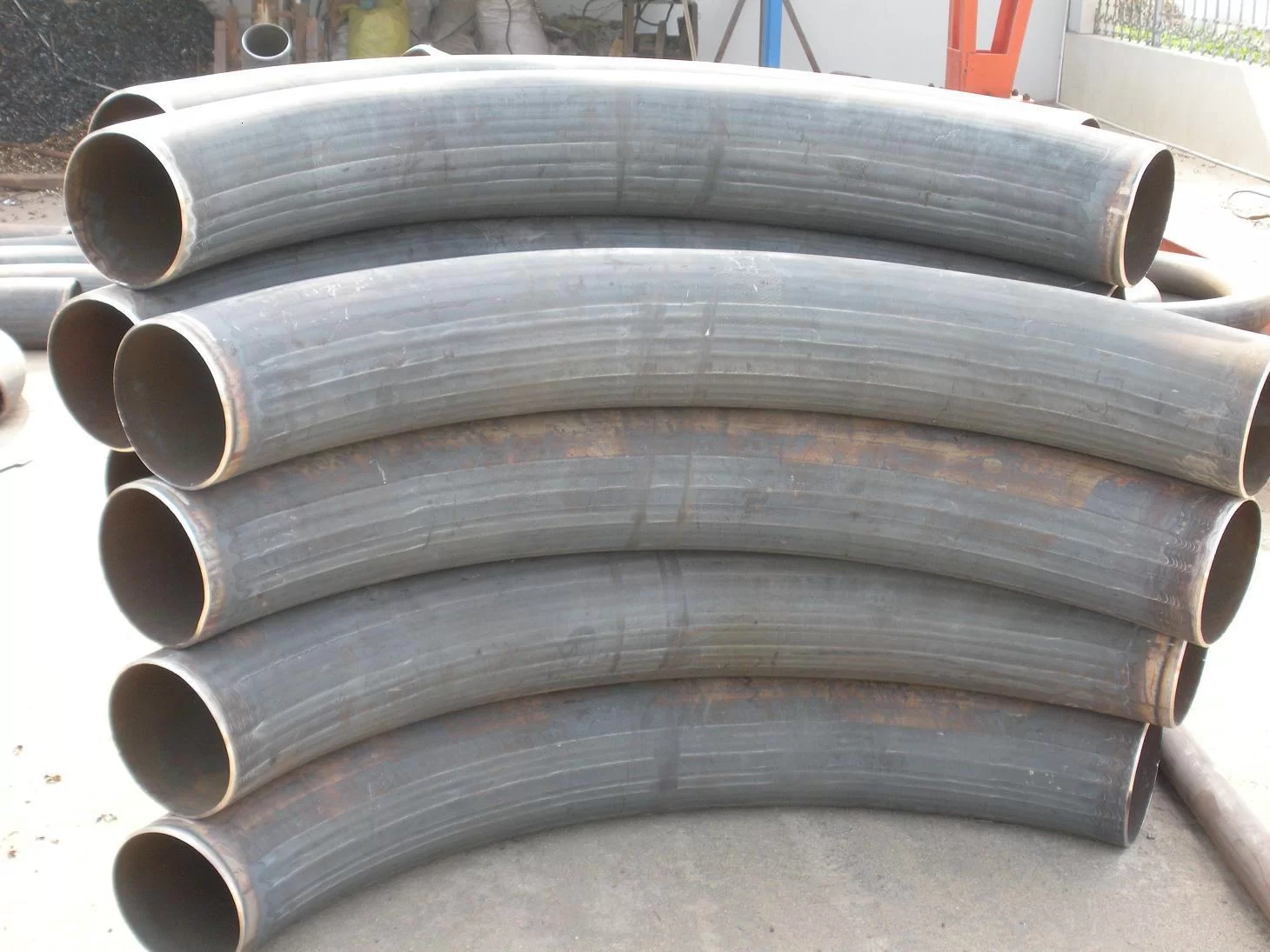
Characteristics And Common Applications Of Carbon Steel Bending Pipe
The use of bent piping is an essential practice in industrial construction, allowing fluid transfer lines to navigate complex routes, compensate for thermal expansion, and eliminate the need for numerous welded elbow fittings.
SUBSCRIBE NEWSLETTER