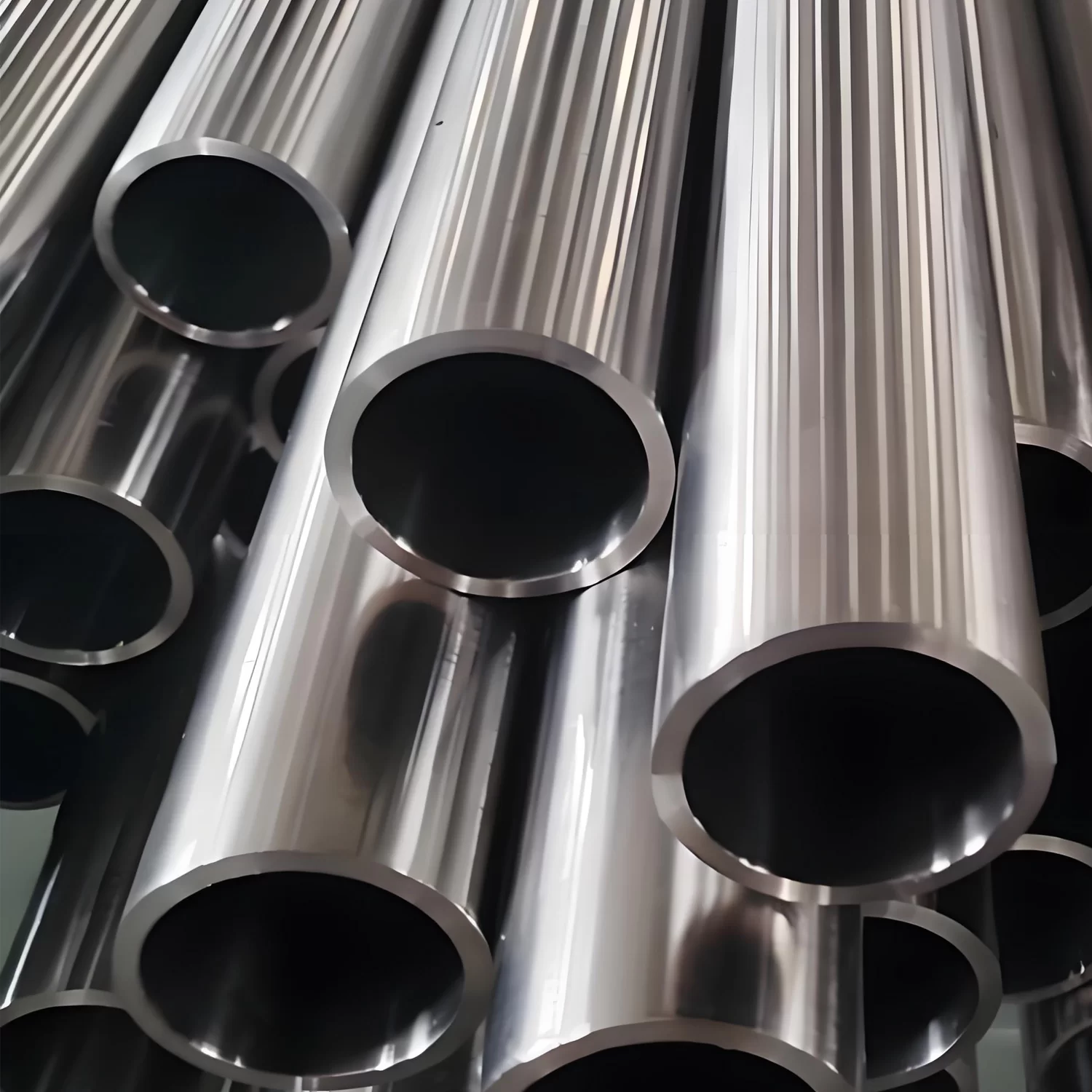
Characteristics And Common Applications Of Carbon Steel Bending Pipe
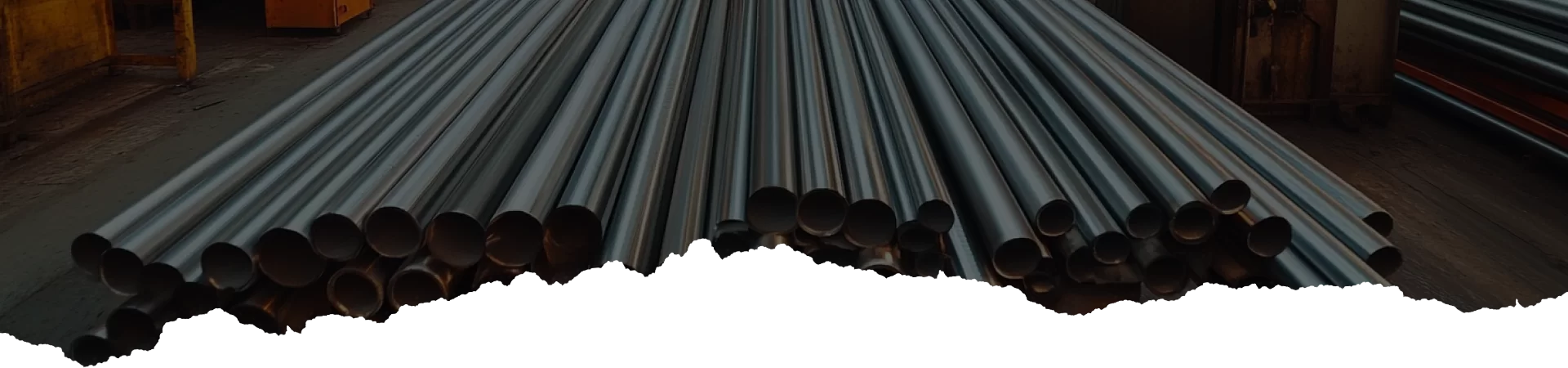
The use of bent piping is an essential practice in industrial construction, allowing fluid transfer lines to navigate complex routes, compensate for thermal expansion, and eliminate the need for numerous welded elbow fittings. Among the materials utilized for this purpose, carbon steel bending pipe stands out as the most ubiquitous and cost-effective solution across diverse industries. Its unique combination of mechanical strength, weldability, and affordability makes it ideal for pipelines operating under moderate pressure and temperature conditions.
Defining the Characteristics of Carbon Steel Pipe for Bending
Carbon steel, fundamentally an alloy of iron and carbon (typically less than 2.0% carbon content), provides a balance of properties that lend themselves exceptionally well to cold and hot bending processes.
1. Mechanical Strength and Load-Bearing Capacity
Carbon steel exhibits high tensile strength and yield strength, making it capable of withstanding significant internal fluid pressure and external loads.
Pressure Handling: Standard grades (e.g., API 5L, ASTM A106, A53) are rated for high-pressure service, which is vital in oil, gas, and power generation where process security is paramount. The strength ensures that the pipe maintains its dimensional integrity even after the bending process, provided the bending radius adheres to established standards.
Weldability: The low carbon content in standard pipe grades (mild steel) ensures excellent weldability. This is crucial because bent pipe sections must still be welded to straight runs, flanges, or other fittings. Good weldability minimizes pre- and post-weld treatment requirements, streamlining fabrication.
2. Ductility and Formability
Ductility is the key characteristic that allows carbon steel to be successfully bent. It is the measure of a material's ability to undergo plastic deformation without fracturing.
Cold Bending: Most pipe bending is performed cold, meaning at ambient temperature. The ductility of the steel allows the pipe to be plastically deformed over a mandrel or die without cracking or excessive thinning of the pipe wall on the outside radius of the bend.
Hot Bending: For larger diameter or thick-walled pipes, or when extremely tight radii are required, the pipe may be heated (hot bending). Heating enhances the ductility, allowing the steel to be formed with less stress and strain, though it requires precise temperature control to maintain the pipe's mechanical properties.
3. Cost-Effectiveness and Availability
Carbon steel is significantly more economical than stainless steel or exotic alloys. Its widespread use ensures high availability and competitive pricing, making it the default choice for large-scale infrastructure projects where corrosion resistance is not the primary constraint.
The Advantages of Bending Over Elbow Fittings
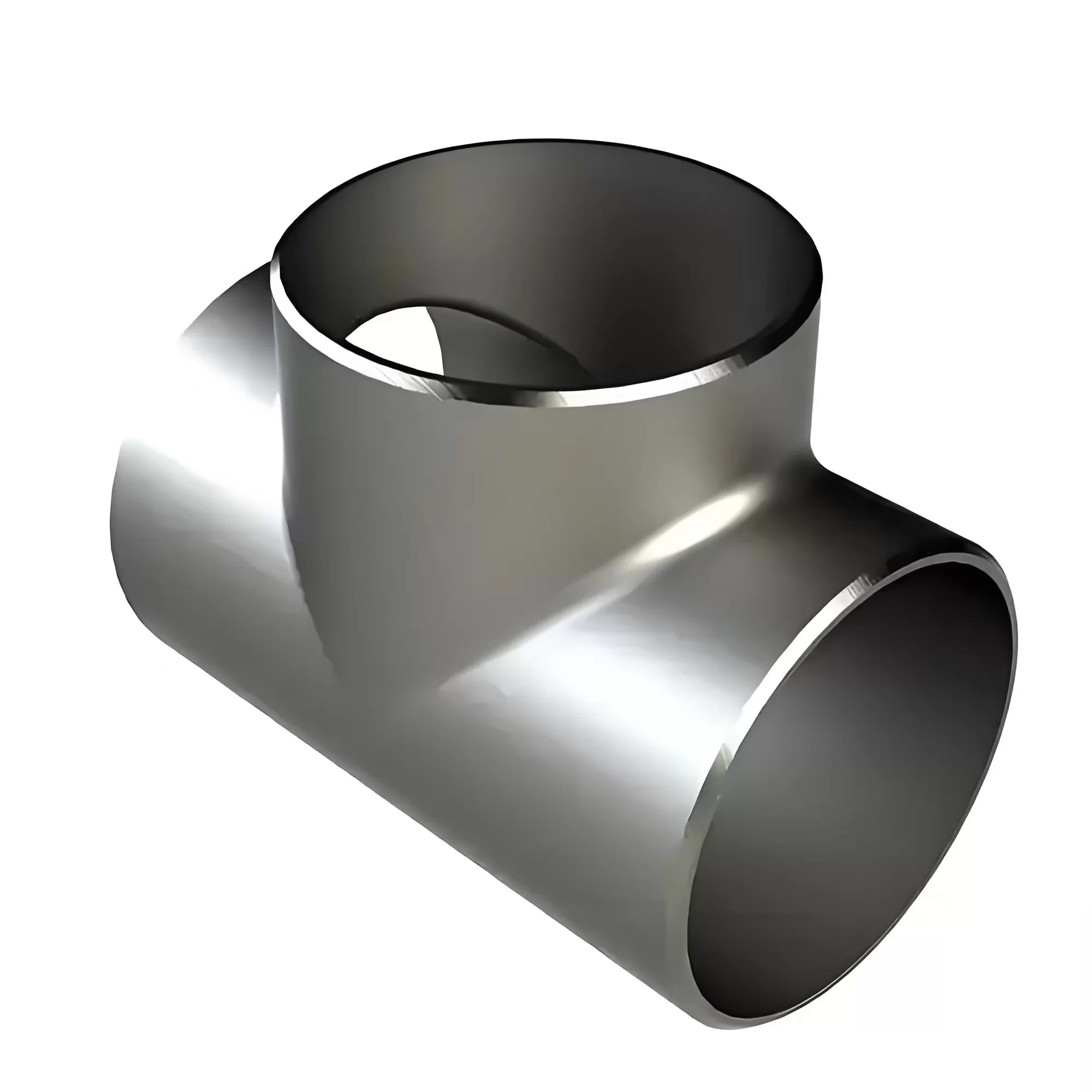
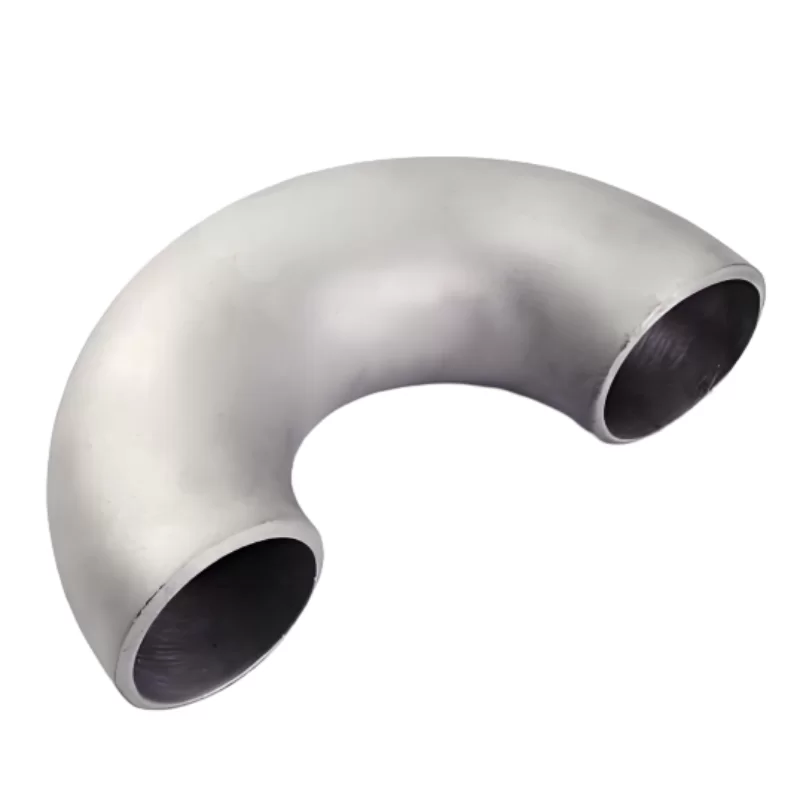
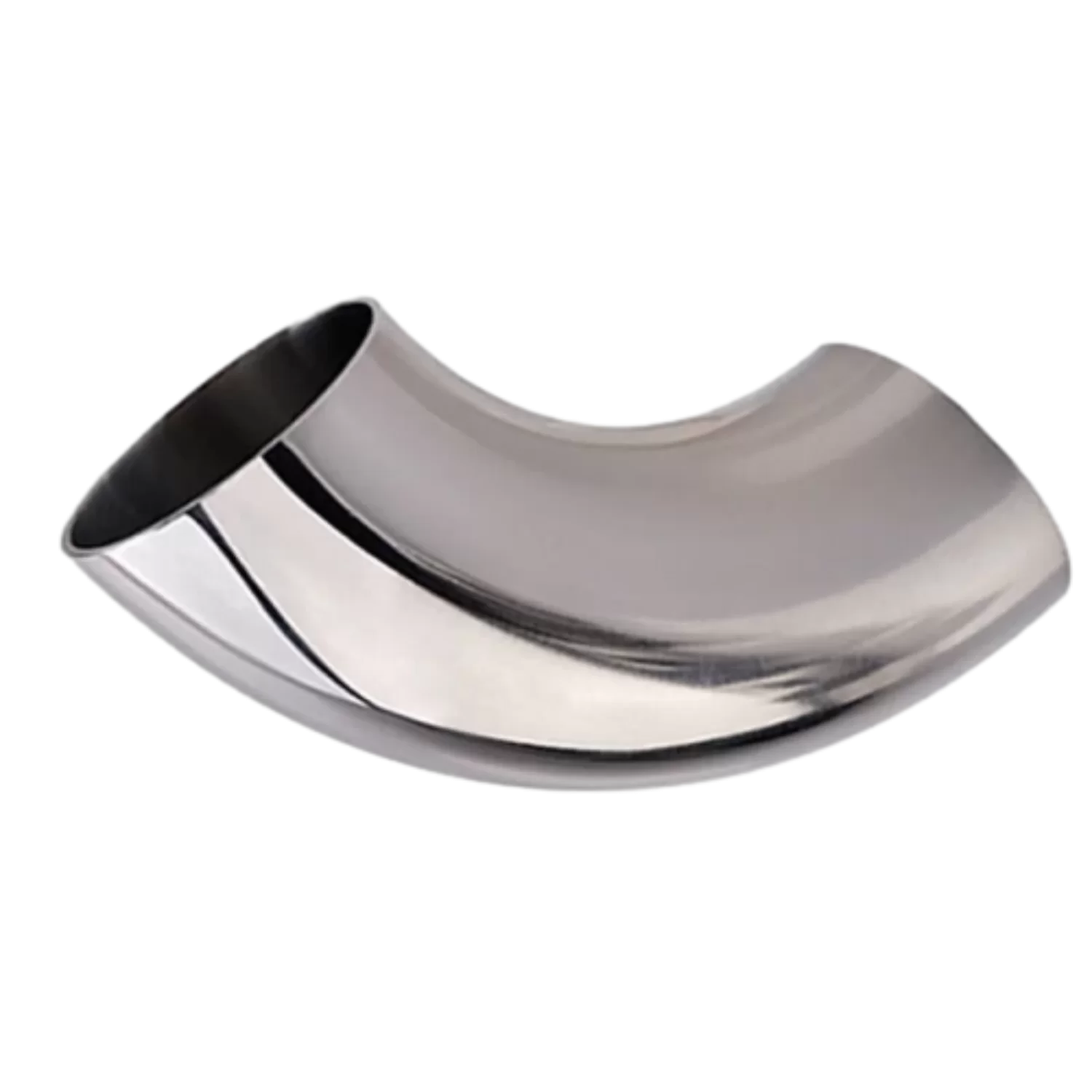
The choice to use a carbon steel bending pipe instead of welding two straight pipe segments together with an elbow fitting (a 90° or 45° prefabricated bend) is driven by several engineering advantages:
Reduced Pressure Drop and Turbulence: A smooth, gradual pipe bend creates significantly less friction and turbulence in the fluid flow compared to the abrupt change in direction caused by a welded elbow. This reduces pumping energy costs and minimizes wear (erosion/corrosion) inside the pipe.
Minimized Welding and Inspection Costs: Every welded joint is a potential leak point and requires expensive non-destructive testing (NDT), such as radiography or ultrasonic inspection. By replacing one or more elbows and associated field welds with a single bent pipe section, fabrication time, material costs, and quality control expenses are drastically reduced.
Enhanced Structural Integrity: A bent pipe is a single, continuous piece of material, eliminating the structural discontinuity and stress concentration associated with a welded joint. This is particularly advantageous in high-pressure or high-vibration service.
Common Applications of Carbon Steel Bending Pipe
The broad utility of bent carbon steel piping spans nearly every sector of heavy industry and infrastructure.
1. Oil and Gas Transmission and Processing
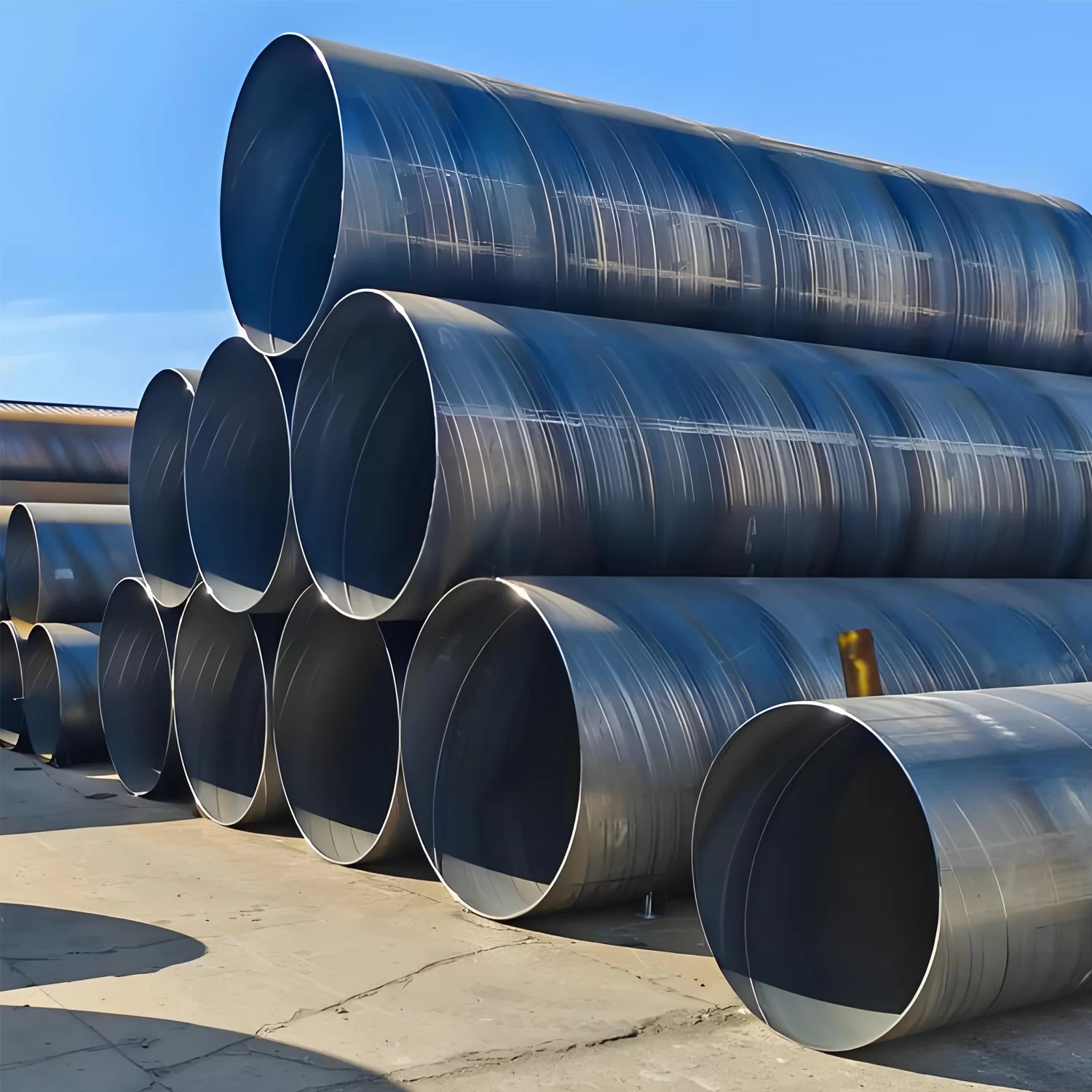
This industry is perhaps the largest consumer of large-diameter bent carbon steel pipe.
Pipeline Routing: Bent sections are indispensable for navigating geographical obstacles (rivers, mountains, existing structures) during the installation of long-distance crude oil and natural gas transmission lines.
Pigging Operations: Pipeline Inspection Gauges (PIGs) are routinely sent through pipelines to clean and inspect them. Smooth, gradual bends are mandatory to allow the PIGs to pass unimpeded, whereas sharp, welded elbows can trap or damage the instruments.
Manifold and Header Systems: In refineries and processing facilities, bent pipe is used to create compact, highly efficient manifold systems that distribute products to various units.
2. Power Generation
Bent carbon steel pipe is used for transporting steam, water, and fuel within thermal and nuclear power plants.
High-Pressure Steam Lines: The ability of bent pipe to accommodate thermal expansion is critical. When steam lines heat up from ambient to operating temperature (which can be several hundred degrees Celsius), they expand significantly. Custom-engineered pipe bends or "loops" absorb this movement, protecting expensive equipment like turbines and boilers from damaging forces.
Boiler Tubing: Although often smaller diameter, the intricate and tight bends required for boiler water walls and superheaters are achieved through specialized hot-bending techniques using alloyed carbon steel.
3. HVAC and Industrial Plant Utilities
For general utility and service lines within industrial complexes, bent carbon steel pipe offers a reliable, maintainable solution.
Chilled and Hot Water Lines: Used extensively for large-diameter distribution lines that snake through crowded plant areas, providing smooth, space-saving transitions around equipment and structural members.
Compressed Air Systems: The smooth interior of a bent pipe helps maintain air pressure and velocity more effectively than multiple fittings, leading to improved system efficiency.
Quality Control and Specification
Successful deployment of carbon steel bending pipe depends entirely on rigorous adherence to quality control during the bending process.
Dimensional Tolerance: The final bend angle and radius must precisely match engineering drawings to ensure alignment at the weld points.
Wall Thinning Control: The pipe wall on the outer radius of the bend naturally thins during deformation. Standards like ASME B16.49 define acceptable limits for this thinning to ensure the pipe's pressure rating is not compromised.
Ovality: The cross-section of the pipe after bending must remain nearly circular. Excessive ovality can impede flow and weaken the pipe structurally.
In summary, the role of carbon steel bending pipe is pivotal in the construction of robust fluid transfer systems. Its combination of high strength, bendability, and economy allows engineers to design systems that are not only structurally sound but also hydraulically efficient, minimizing operational costs and maximizing the service life of industrial infrastructure.