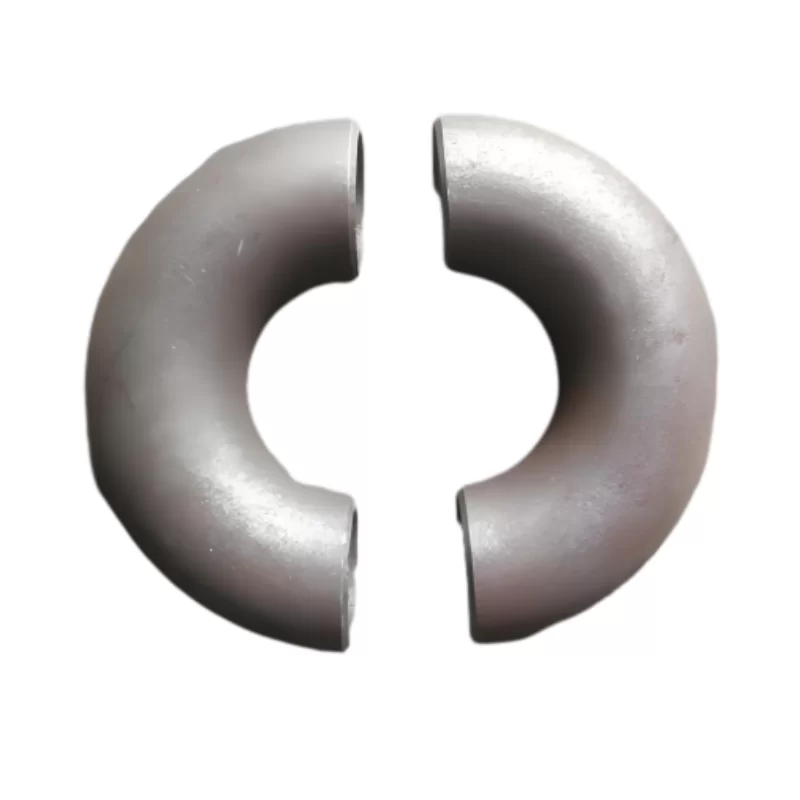
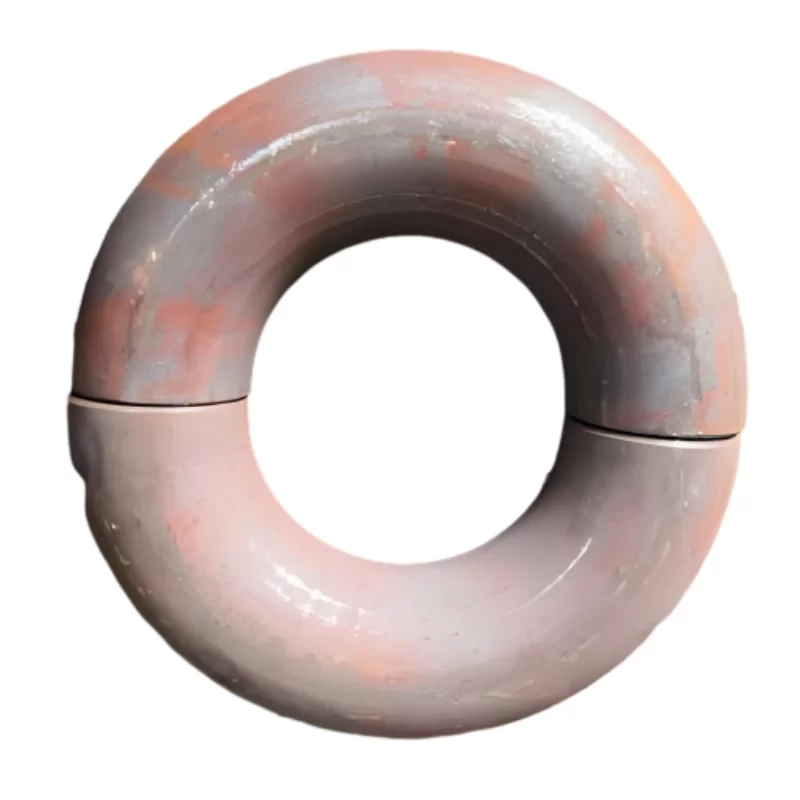
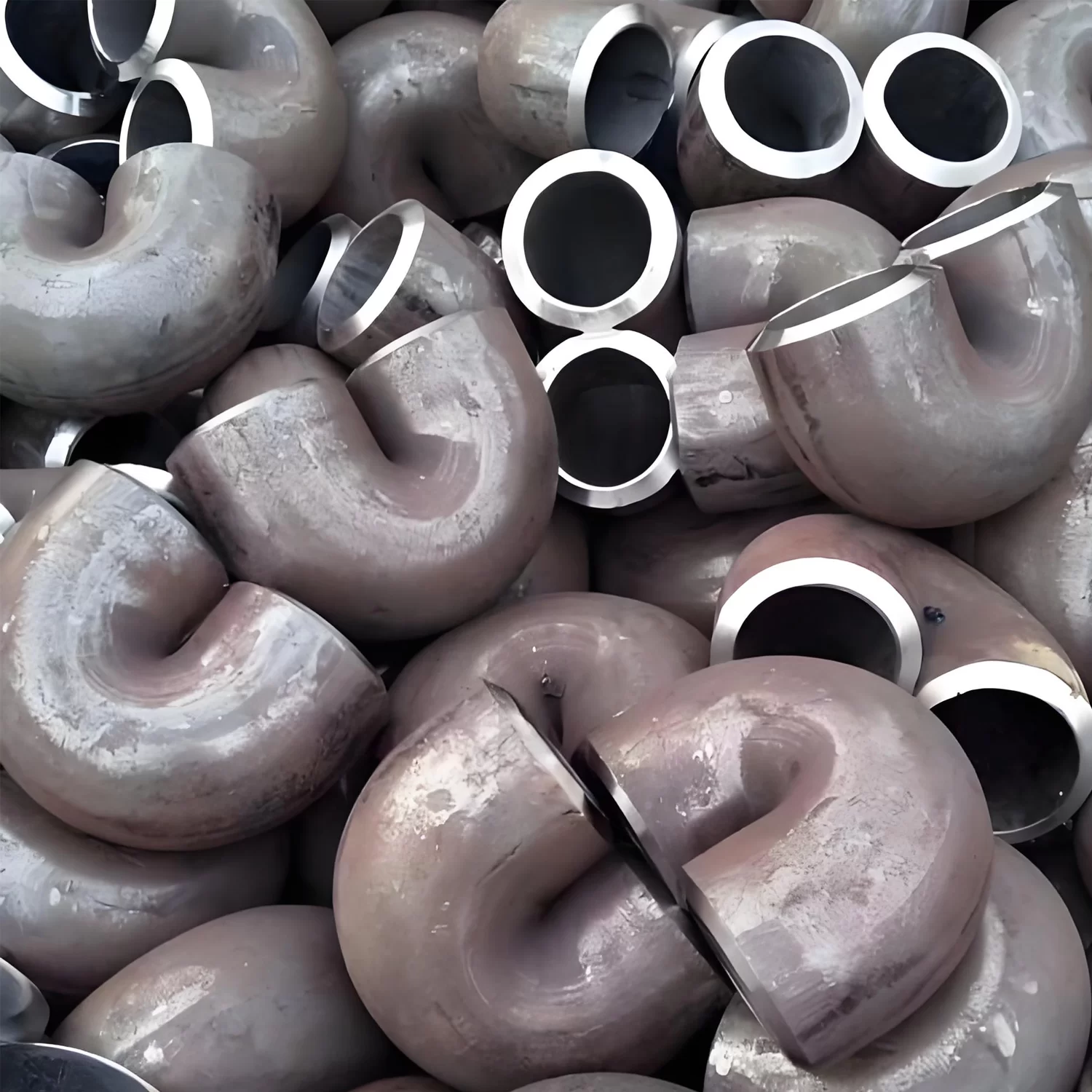
Strictly comply with relevant standards of the American Society of Mechanical Engineers (ASME), including ASME B16.9 (Factory-Made Wrought Steel Butt-Welding Fittings), ASME B16.5 (Pipe Flanges and Flanged Fittings), and ASME B36.10M (Welded and Seamless Wrought Steel Pipe). These standards ensure the product’s dimensions, pressure ratings, material properties, and other key indicators meet international industrial norms.
I. Basic Product Parameters and Specifications
1. Executive Standards
Strictly comply with relevant standards of the American Society of Mechanical Engineers (ASME), including ASME B16.9 (Factory-Made Wrought Steel Butt-Welding Fittings), ASME B16.5 (Pipe Flanges and Flanged Fittings), and ASME B36.10M (Welded and Seamless Wrought Steel Pipe). These standards ensure the product’s dimensions, pressure ratings, material properties, and other key indicators meet international industrial norms.
2. Nominal Diameter (DN/NPS)
Covers a wide size range to meet flow requirements of different pipeline systems. Common Nominal Pipe Sizes (NPS) and corresponding DN include: 1/2 inch (DN15), 3/4 inch (DN20), 1 inch (DN25), 2 inches (DN50), 4 inches (DN100), 6 inches (DN150), 10 inches (DN250), etc. The maximum size can reach NPS 48 (DN1200) or larger.
3. Pressure Ratings
Classified by the working pressure of pipeline systems, following ASME B16.5 standards (e.g., Class 150, 300, 600, 900, 1500, 2500). Each pressure rating corresponds to specific wall thickness and structural strength, ensuring safe operation under rated pressure and preventing leakage or burst.
4. Connection Methods
●Butt Welding (BW): Suitable for medium and high-pressure pipelines. Forms an integral structure with pipes via welding, offering high strength and excellent sealing.
●Socket Welding (SW): Ideal for small-diameter, high-pressure pipelines, featuring easy installation.
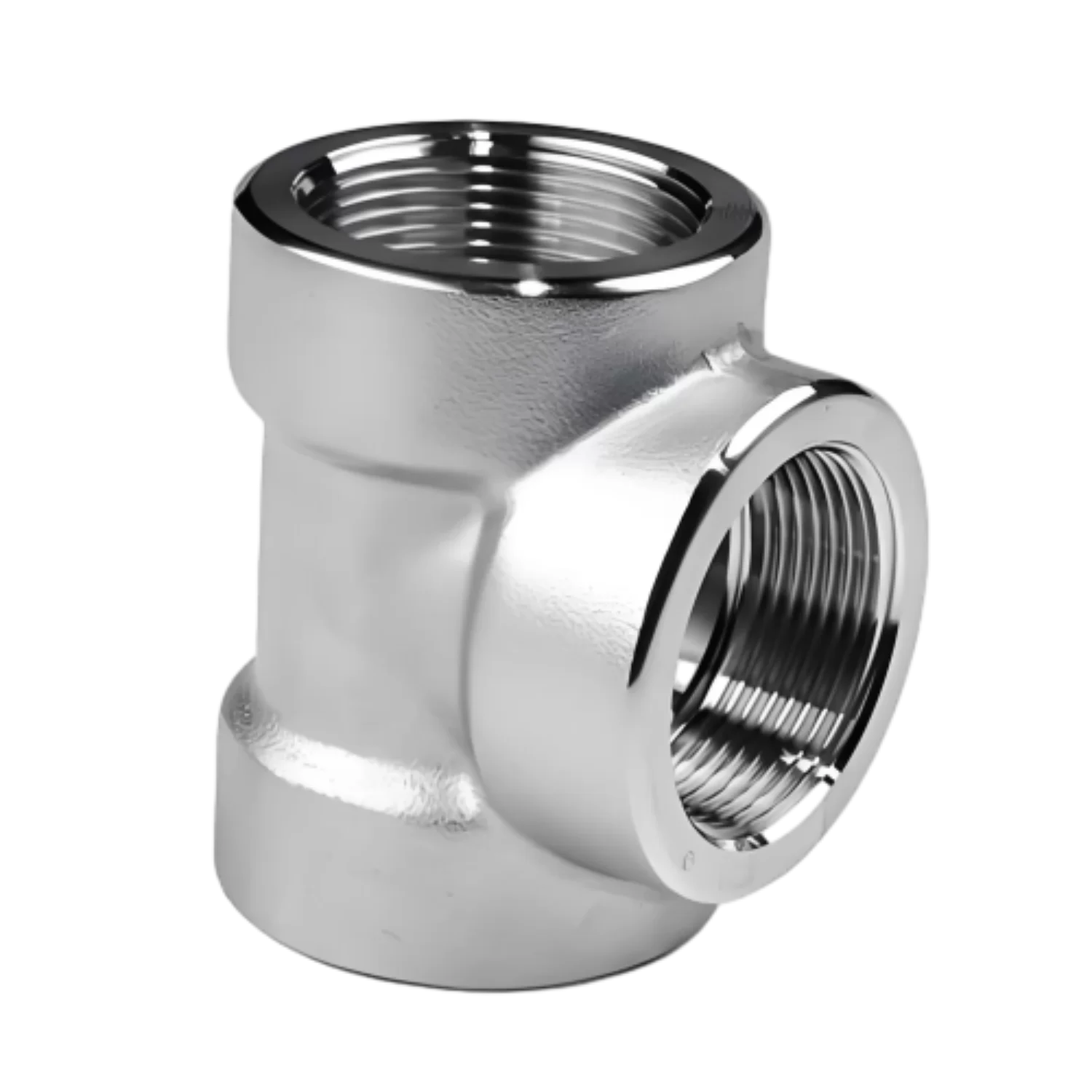
●Threaded (NPT/PT): Applicable to low-pressure, small-diameter pipelines, enabling convenient disassembly and maintenance.
5. Bending Radius (R)
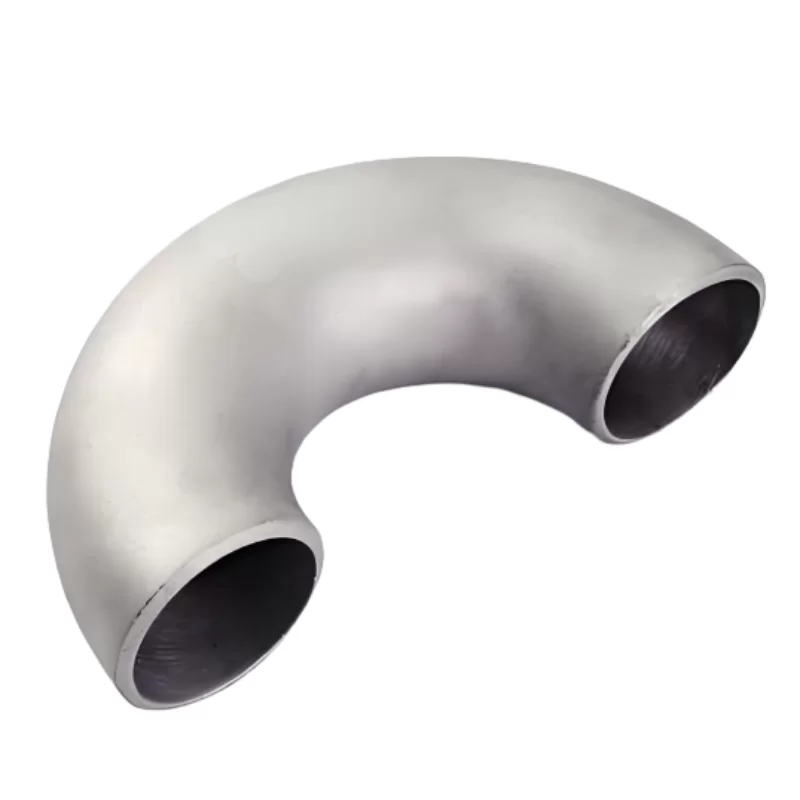
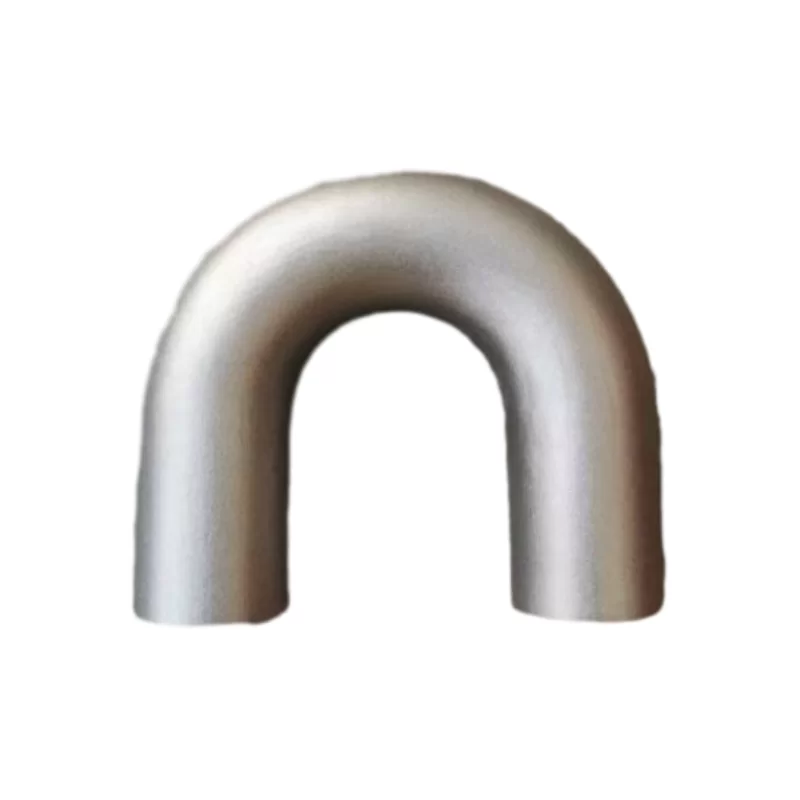
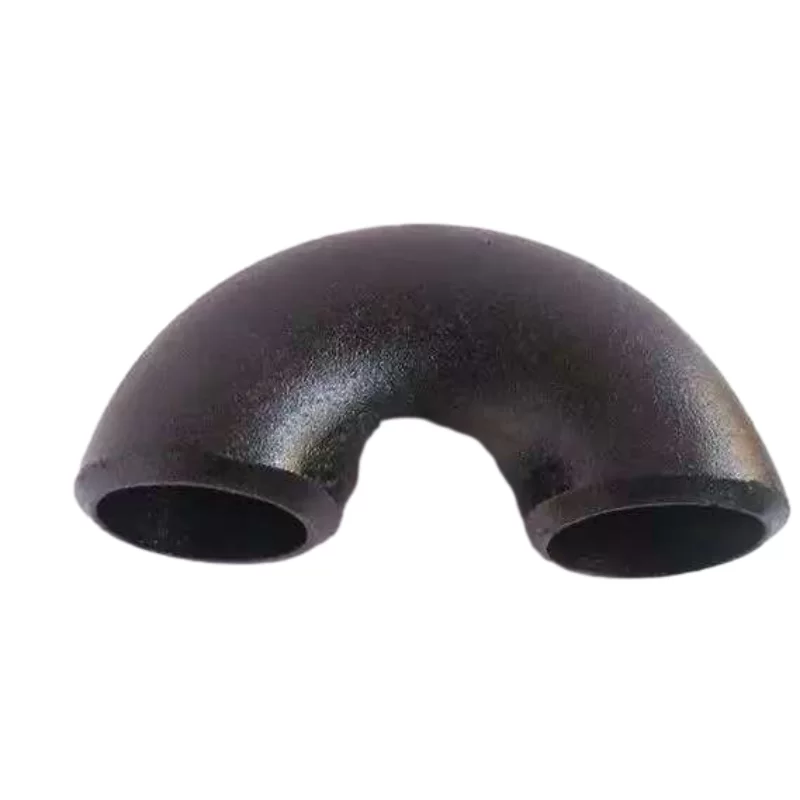
●Long Radius (LR): R = 1.5DN. Low fluid resistance and good flowability, making it the most commonly used type.
●Short Radius (SR): R = 1.0DN. Compact design for space-constrained installations, with relatively higher fluid resistance.
II. Material Selection
Material selection for 180° elbows depends on the properties of the conveyed medium (e.g., corrosiveness, temperature, pressure) and environmental conditions. Common materials include:
1. Carbon Steel
e.g., A234 WPB, A420 WPL6. Offers good strength, toughness, and cost-effectiveness. Suitable for normal or medium-temperature pipelines conveying non-corrosive media (e.g., water, steam, air).
2. Stainless Steel
e.g., 304 (A182 F304), 304L (A182 F304L), 316 (A182 F316), 316L (A182 F316L). Exhibits excellent corrosion and oxidation resistance. Ideal for pipelines conveying corrosive media (e.g., acids, alkalis, salt solutions), food-grade media, or operating in high-temperature and high-pressure environments.
3. Alloy Steel
e.g., A234 WP5, WP9, WP11, WP22, WP91. Enhanced high-temperature strength, creep resistance, and corrosion resistance via alloying elements (e.g., chromium, molybdenum, vanadium). Suitable for harsh conditions such as high-temperature and high-pressure steam pipelines in power plants and petrochemical cracking units.
4. Other Special Materials
Duplex steel, nickel-based alloys (e.g., Hastelloy, Monel), and titanium alloys are available for extreme environments (e.g., severe corrosion, ultra-high temperature, ultra-low temperature).
III. Structural Features and Performance Advantages
1. Streamlined Design
Smooth inner wall and precise bending forming ensure stable fluid flow, minimizing eddy currents and pressure loss to improve pipeline conveying efficiency.
2. High Strength and Rigidity
Reasonable wall thickness design based on pressure ratings, combined with strict heat treatment (e.g., normalizing, tempering, quenching), ensures sufficient mechanical strength, hardness, and toughness. Capable of withstanding axial force, radial force, and bending moment of pipeline systems to prevent deformation or damage.
3. Excellent Sealing Performance
●Butt welding/socket welding: Tight connection via precise bevel processing and welding techniques.
●Threaded connection: Enhanced sealing with thread sealant or Teflon tape, effectively preventing medium leakage.
4. Corrosion and Wear Resistance
●Corrosion resistance: Achieved via corrosion-resistant materials or surface treatments (e.g., galvanizing, plastic coating, lining).
●Wear resistance: Wear-resistant materials (e.g., high-chromium cast iron) or increased wall thickness for pipelines conveying solid-containing media, extending service life.
IV. Application Scenarios
1. Oil and Gas Industry: Used in oil and gas exploration, gathering, transportation, and refining pipelines to adjust conveying direction for complex wellsite and plant layouts.
2. Chemical Industry: Applied in raw material transportation, reactor connections, and process switching pipelines of chemical plants, conveying various corrosive chemical media.
3. Power Industry: Suitable for high-temperature and high-pressure pipelines such as steam pipelines, water circulation systems in thermal power plants, and cooling systems in nuclear power plants.
4. Water Treatment Industry: Used for pipeline redirection in water supply, sewage treatment, and seawater desalination systems.
5. Marine and Offshore Engineering: Applicable to ship power systems, fuel systems, ballast water systems, and oil/gas conveying pipelines on offshore platforms.
6. Construction and Municipal Engineering: Utilized in building water supply and drainage, HVAC pipelines, as well as municipal gas and thermal pipelines.
V. Manufacturing Processes
1. Push Forming Process
Suitable for medium and large-sized butt-welding elbows. Steel billets are heated to a plastic state and pushed into the desired shape via a push machine. Advantages: High production efficiency, low cost, and uniform wall thickness.
2. Press Forming Process
Applicable to small-diameter or thick-walled elbows. Steel plates or billets are cut into sector blanks, heated, and pressed into shape with molds on a press. Capable of producing short-radius elbows or special-shaped fittings.
3. Forging Process
Used for high-pressure, small-diameter socket-welding or threaded elbows. Forging densifies the material structure and enhances strength, ensuring safety under high-pressure conditions.
4. Welding Process
For large-diameter or special-material elbows, steel plates are rolled and welded into shape. Weld quality and overall performance are guaranteed via reasonable welding techniques and heat treatment.
Dec 02,25
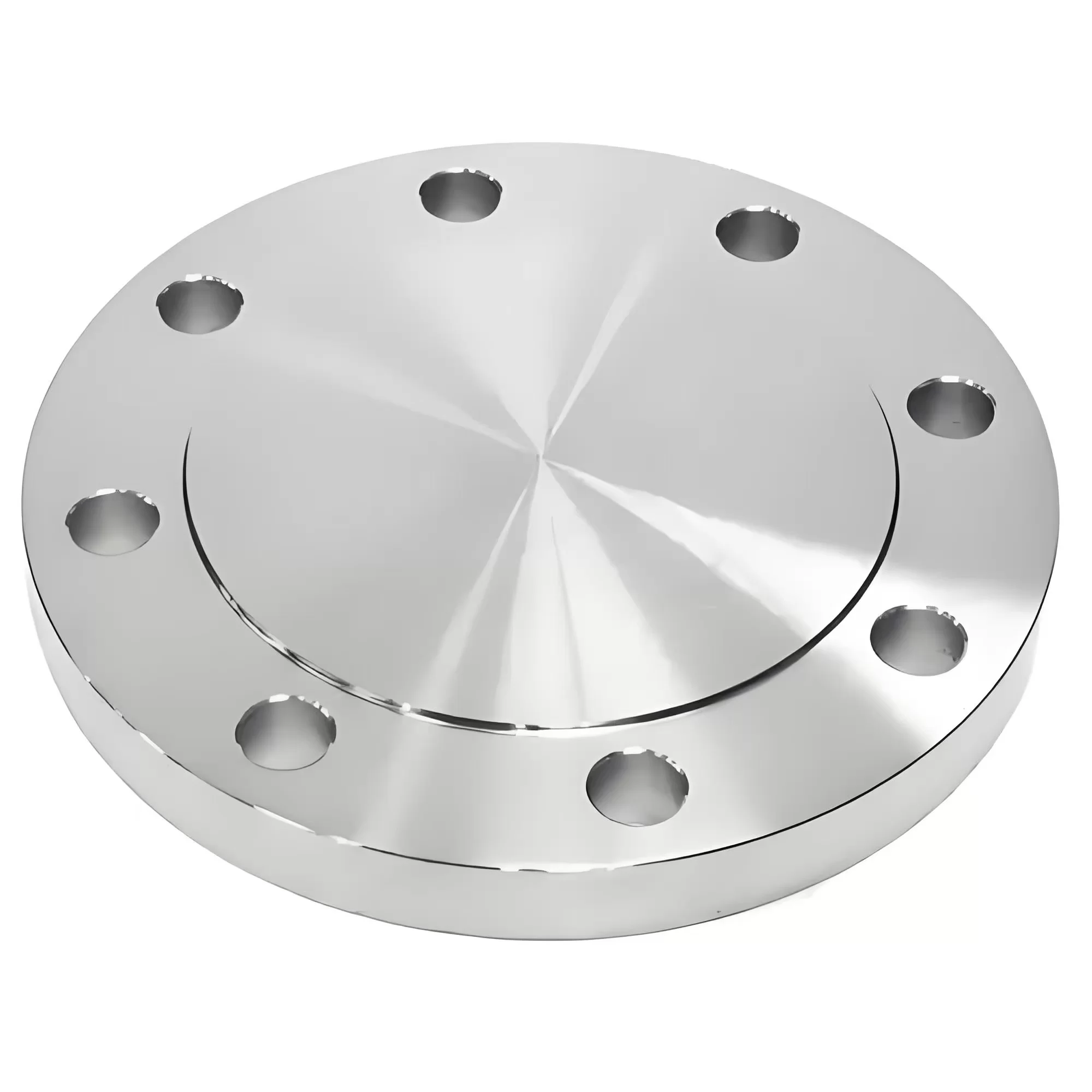
Corrosion-Resistant Flanges For Chemical And Marine Industries
Flanges are indispensable components in piping systems, serving as the critical junctions that allow for connections, maintenance, and isolation of flow.
Dec 02,25
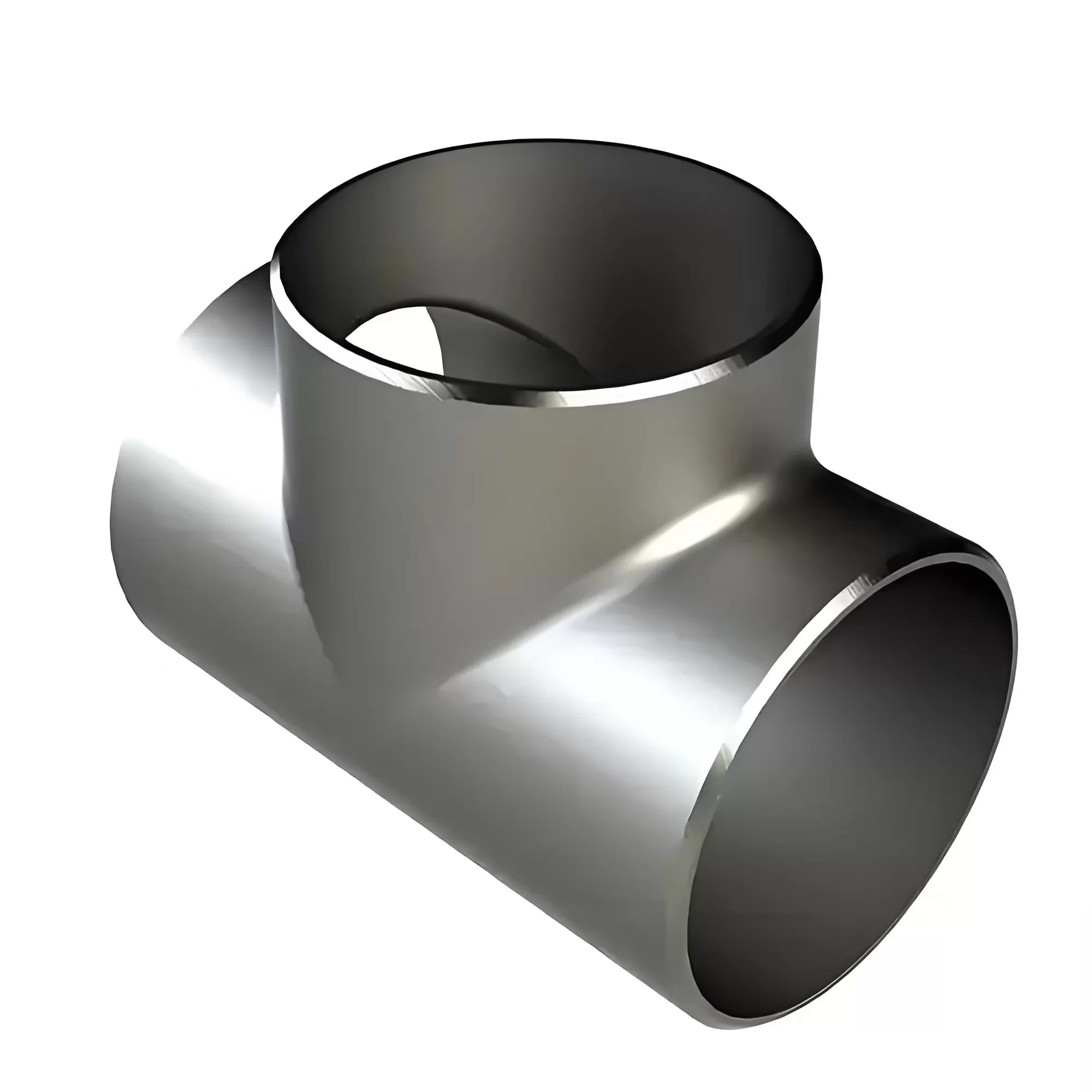
The Core Role Of The Tee In Pipeline Systems
In the complex architecture of modern pipeline systems—spanning petrochemical plants, municipal waterworks, HVAC networks, and power generation facilities—the tee fitting is arguably one of the most critical and universally employed components.
Dec 02,25
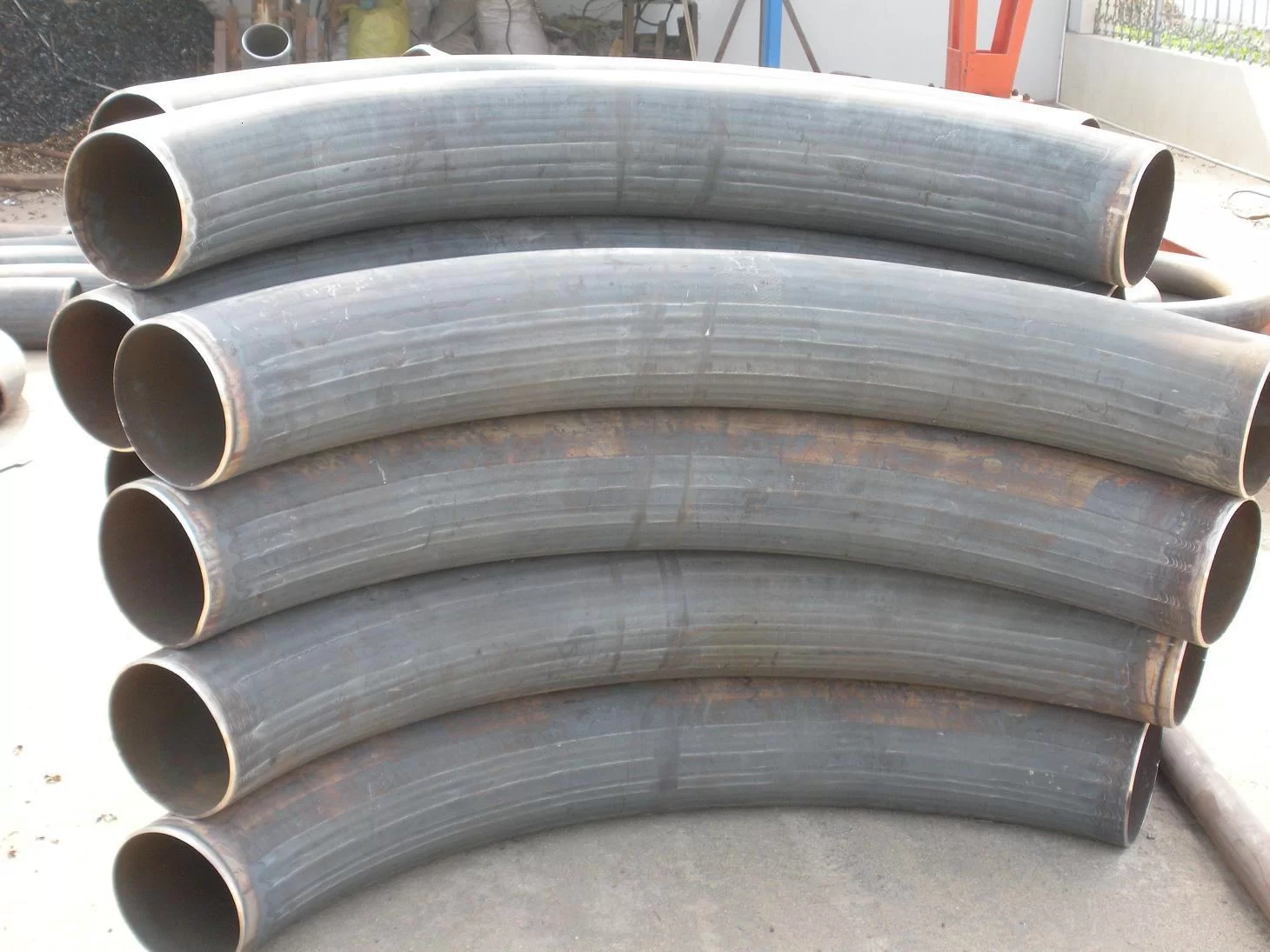
Characteristics And Common Applications Of Carbon Steel Bending Pipe
The use of bent piping is an essential practice in industrial construction, allowing fluid transfer lines to navigate complex routes, compensate for thermal expansion, and eliminate the need for numerous welded elbow fittings.
SUBSCRIBE NEWSLETTER