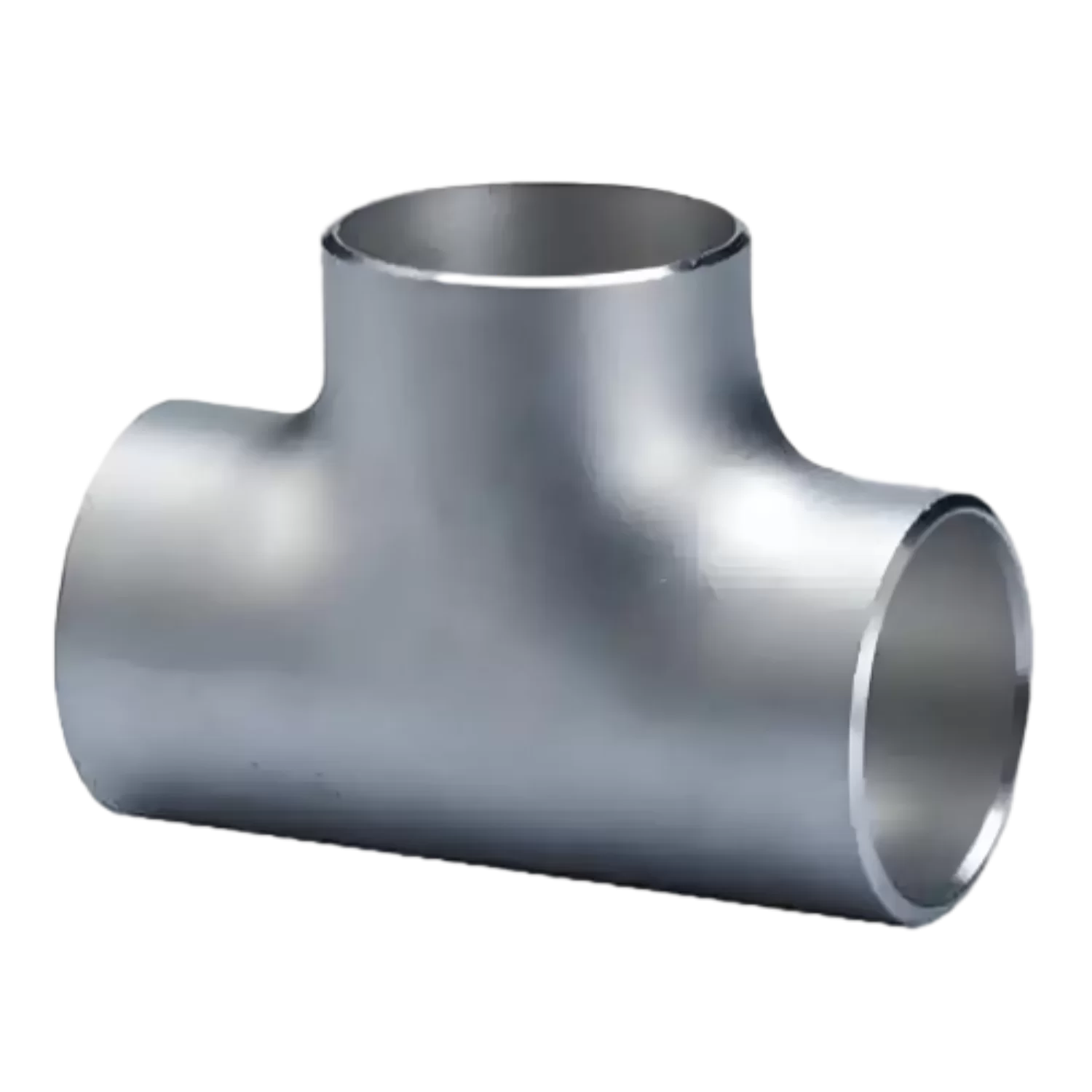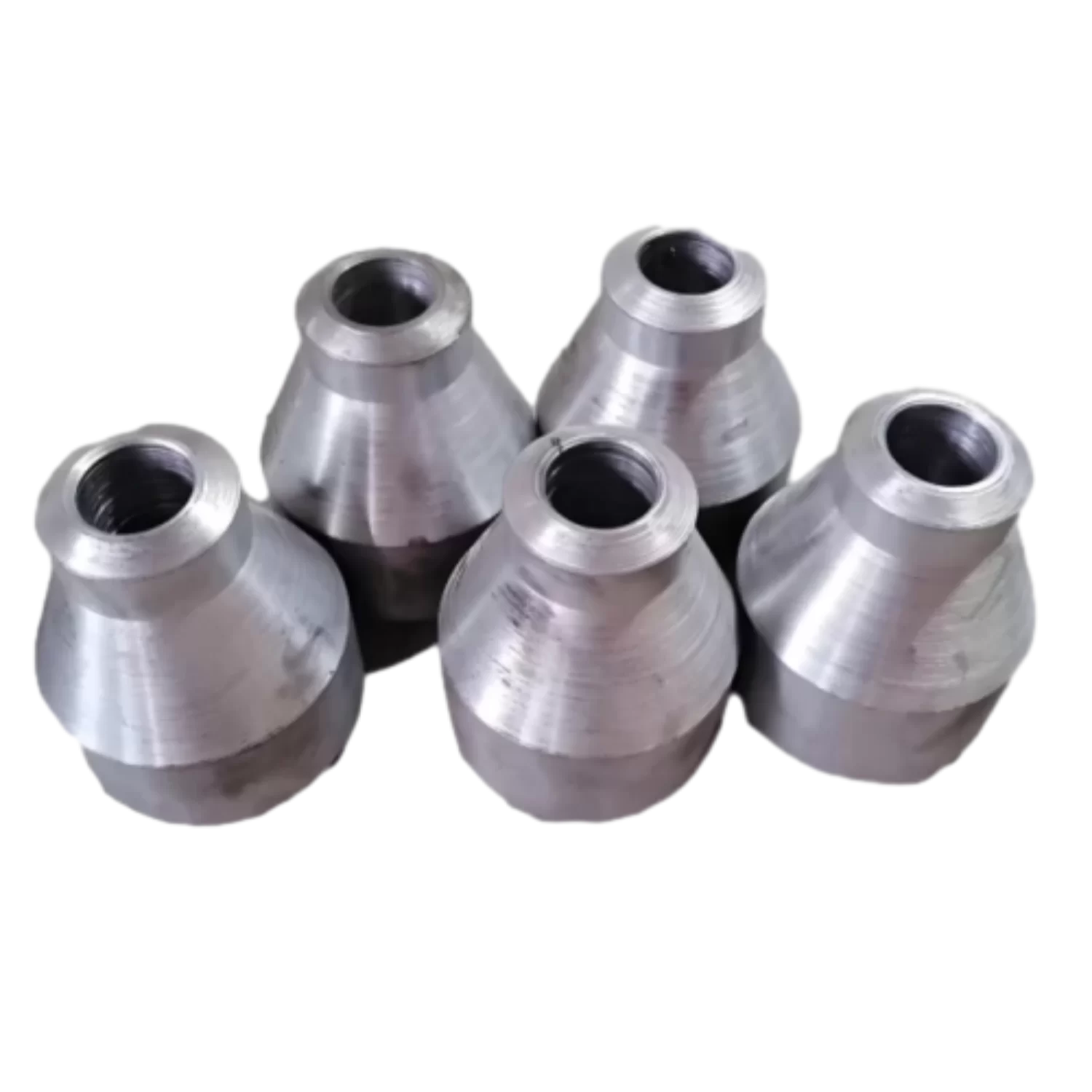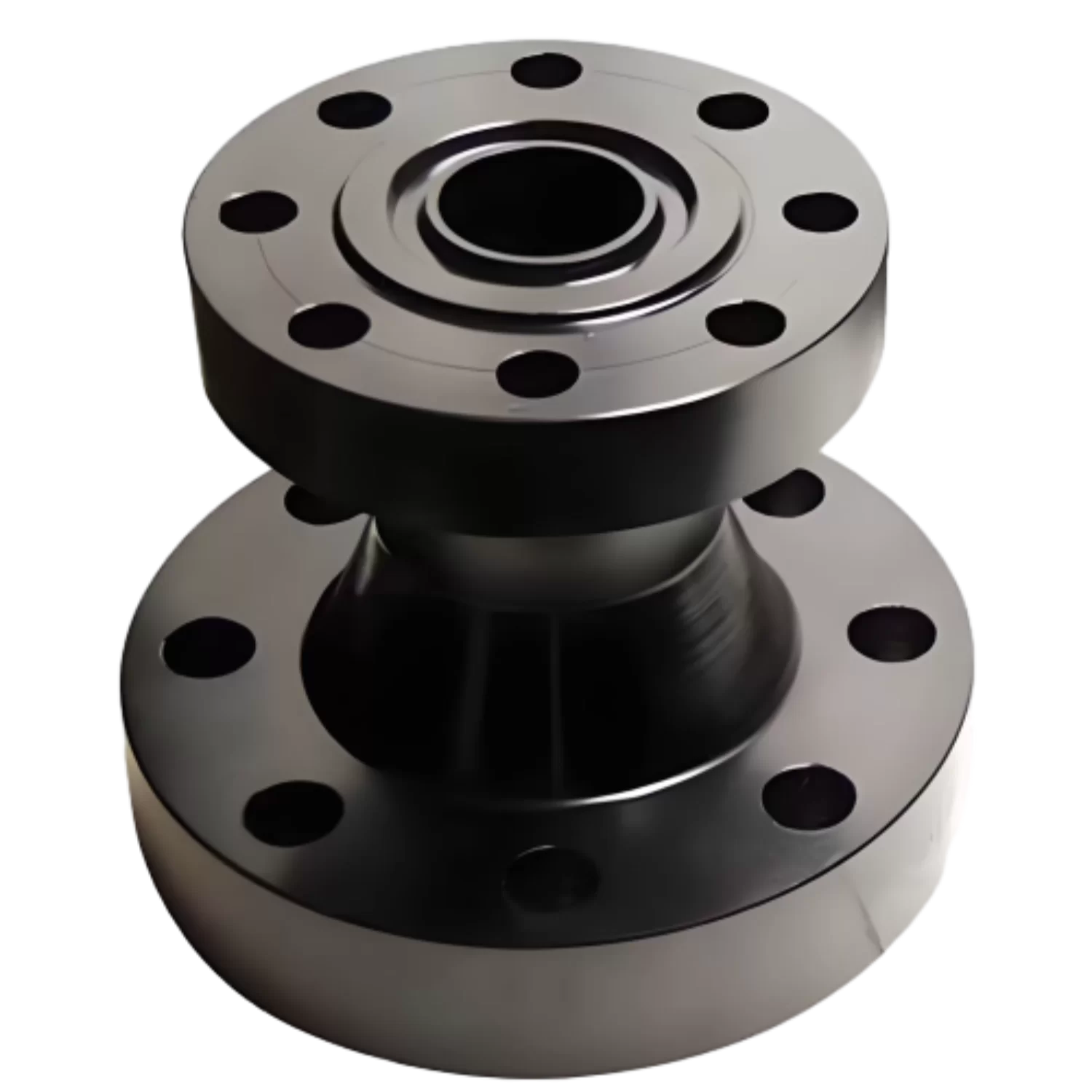
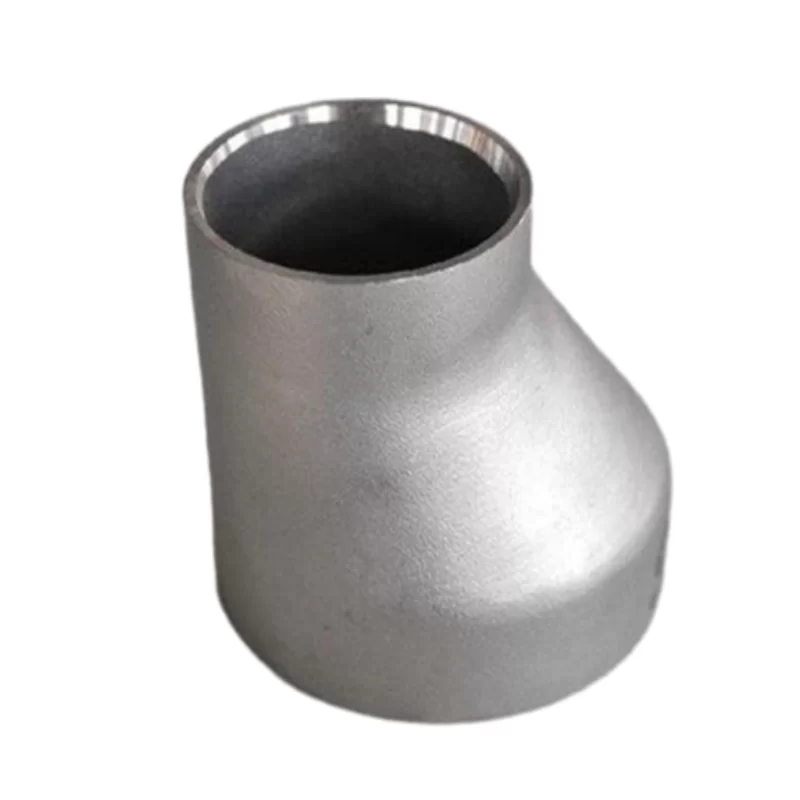
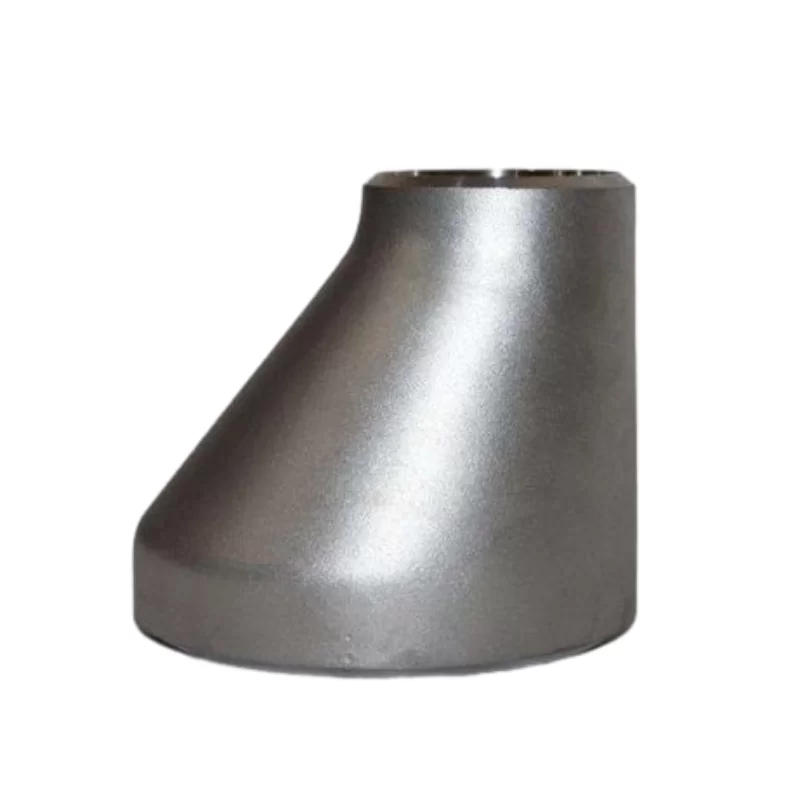
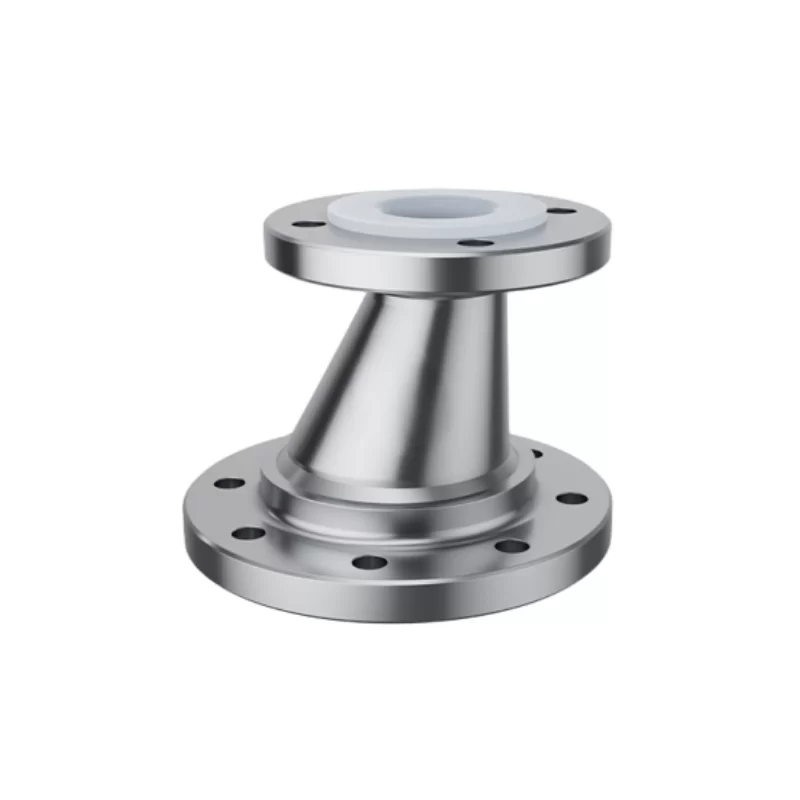
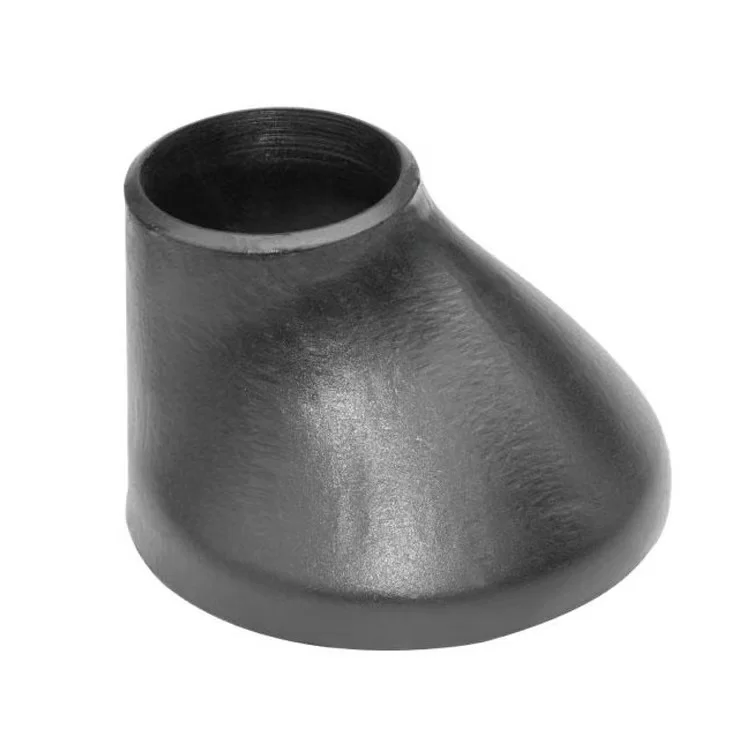
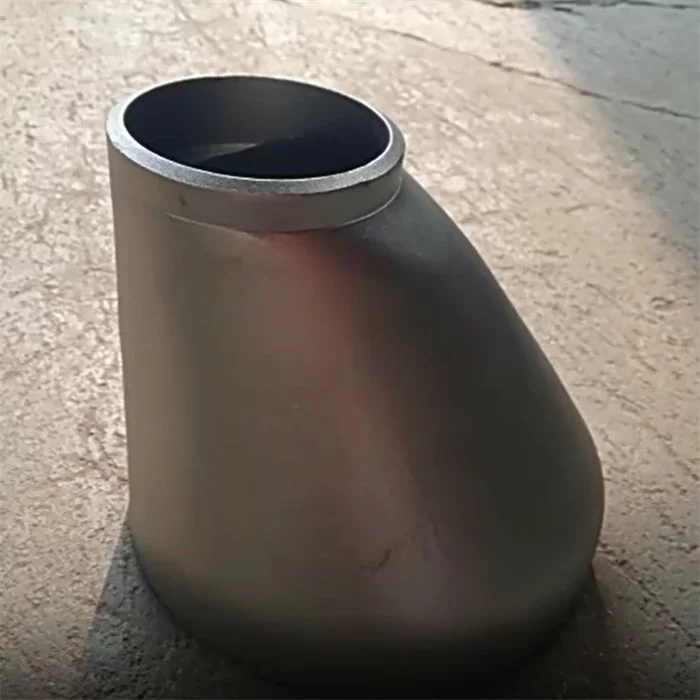
The Eccentric Reducer is a pipe fitting used to connect pipelines of different diameters, featuring an offset centerline between its two ends to form an eccentric structure. Widely applied in industrial pipeline systems such as oil, chemical, natural gas, water treatment, and power industries, its main functions are to achieve smooth transition of fluid media between pipelines of varying diameters and effectively avoid liquid accumulation at the bottom or gas trapping at the top of the pipeline.
The Eccentric Reducer is a pipe fitting used to connect pipelines of different diameters, featuring an offset centerline between its two ends to form an eccentric structure. Widely applied in industrial pipeline systems such as oil, chemical, natural gas, water treatment, and power industries, its main functions are to achieve smooth transition of fluid media between pipelines of varying diameters and effectively avoid liquid accumulation at the bottom or gas trapping at the top of the pipeline.
Structural Features
1. Eccentric Design
The centerlines of the two ends are offset to form an eccentricity (e). According to installation requirements, it is divided into two common types: "Concentric at Top (COT)" and "Concentric at Bottom (COB)". The COT type is suitable for preventing gas trapping at the top of the pipeline, while the COB type is designed to avoid liquid accumulation at the bottom, ensuring unobstructed medium conveyance.
2. Transition Form
Adopts a conical transition structure with an inclined side surface. The inclination angle is designed based on the diameter difference between the two ends and standard requirements, ensuring low resistance, stable flow velocity during fluid passage, and minimizing eddy currents and pressure loss.
3. Connection Methods
Typically features Butt Welding (BW) with beveled ports for easy welding to pipelines, forming a rigid connection. For small-diameter products, Socket Welding (SW) or Threaded Connection (NPT) can also be adopted to meet the needs of different installation scenarios.
Technical Parameters
1. Executive Standards
●Manufacturing Standard: ANSI/ASME B16.9 "Factory-Made Wrought Steel Butt-Welding Fittings"
●Pressure Rating: Complies with ASME B16.5 pressure class requirements, including Class 150, 300, 600, 900, 1500, 2500, etc.
●Size Range: DN15 (1/2") ~ DN1200 (48"), with Nominal Pipe Size (NPS) from 1/2 inch to 48 inches. Wall thickness schedules include Sch 10, Sch 20, Sch 40, Sch 80, Sch 160, XXS, etc.
2. Material Selection
●ASTM A234 Carbon Steel: 20#, A234 WPB, A105, etc. Suitable for general media under normal temperature and low pressure.
●ASTM A403 Stainless Steel: 304/304L, 316/316L, 321, etc. Ideal for corrosive media or sanitary applications.
●ASTM B366 Alloy Steel: Cr-Mo steel (e.g., A234 WP5, WP9, WP11, WP22), nickel-based alloys (e.g., Monel 400, Inconel 600), titanium alloys, etc. Suitable for high-temperature and high-pressure working conditions.
3. Key Dimensional Parameters
●Eccentricity (e): Calculated as e = (D – d)/2, where D is the outer diameter of the large end and d is the outer diameter of the small end, ensuring compliance with standard-specified offset values.
●Length (L): Center distance from the end face of the large end to the end face of the small end. According to standard tables, different pipe diameters and wall thickness schedules correspond to different length values.
●Bevel Dimensions: Complies with ASME B16.25 standard, with a bevel angle of 37.5°±2.5° and a root face thickness of 1.6mm±0.8mm to ensure welding strength.
Application Scenarios
1. Pipeline Diameter Transition: Used to connect two pipelines of different diameters, realizing adjustment of medium flow rate or velocity.
2. Pump and Equipment Inlets: COB-type eccentric reducers are adopted to prevent liquid accumulation at the pump inlet (which may cause cavitation) and protect the safe operation of the pump.
3. Installation of Control Valves and Flow Meters: COT-type eccentric reducers ensure uniform fluid flow through measuring elements, improving measurement accuracy.
4. Steam Pipeline Systems: Avoids water hammer caused by water accumulation at the bottom of the pipeline, reducing pipeline vibration and noise.
5. Chemical and Petrochemical Refining Units: Serves as a key connector for process pipelines under corrosive media or high-temperature and high-pressure conditions, ensuring stable production processes.
Dec 02,25
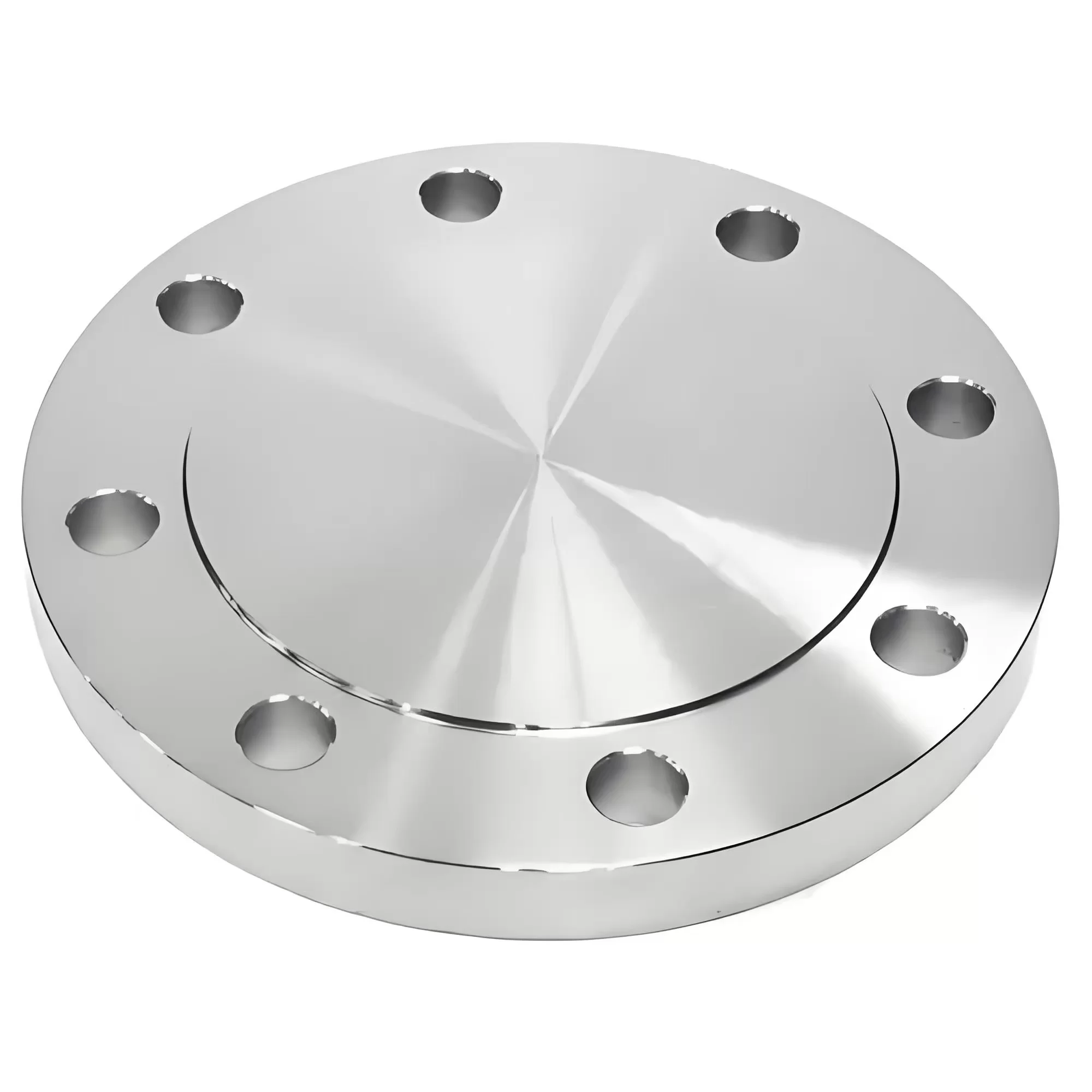
Corrosion-Resistant Flanges For Chemical And Marine Industries
Flanges are indispensable components in piping systems, serving as the critical junctions that allow for connections, maintenance, and isolation of flow.
Dec 02,25
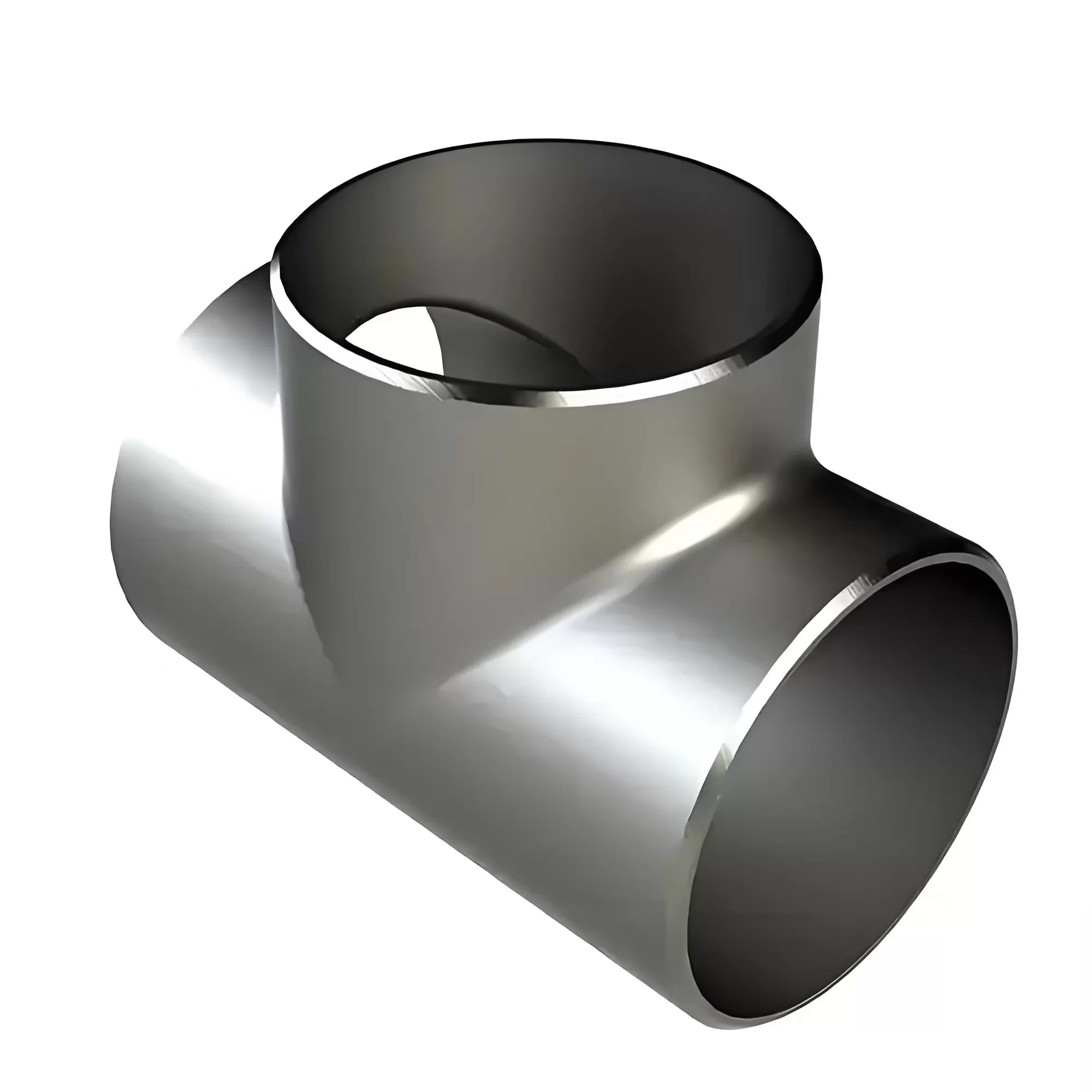
The Core Role Of The Tee In Pipeline Systems
In the complex architecture of modern pipeline systems—spanning petrochemical plants, municipal waterworks, HVAC networks, and power generation facilities—the tee fitting is arguably one of the most critical and universally employed components.
Dec 02,25
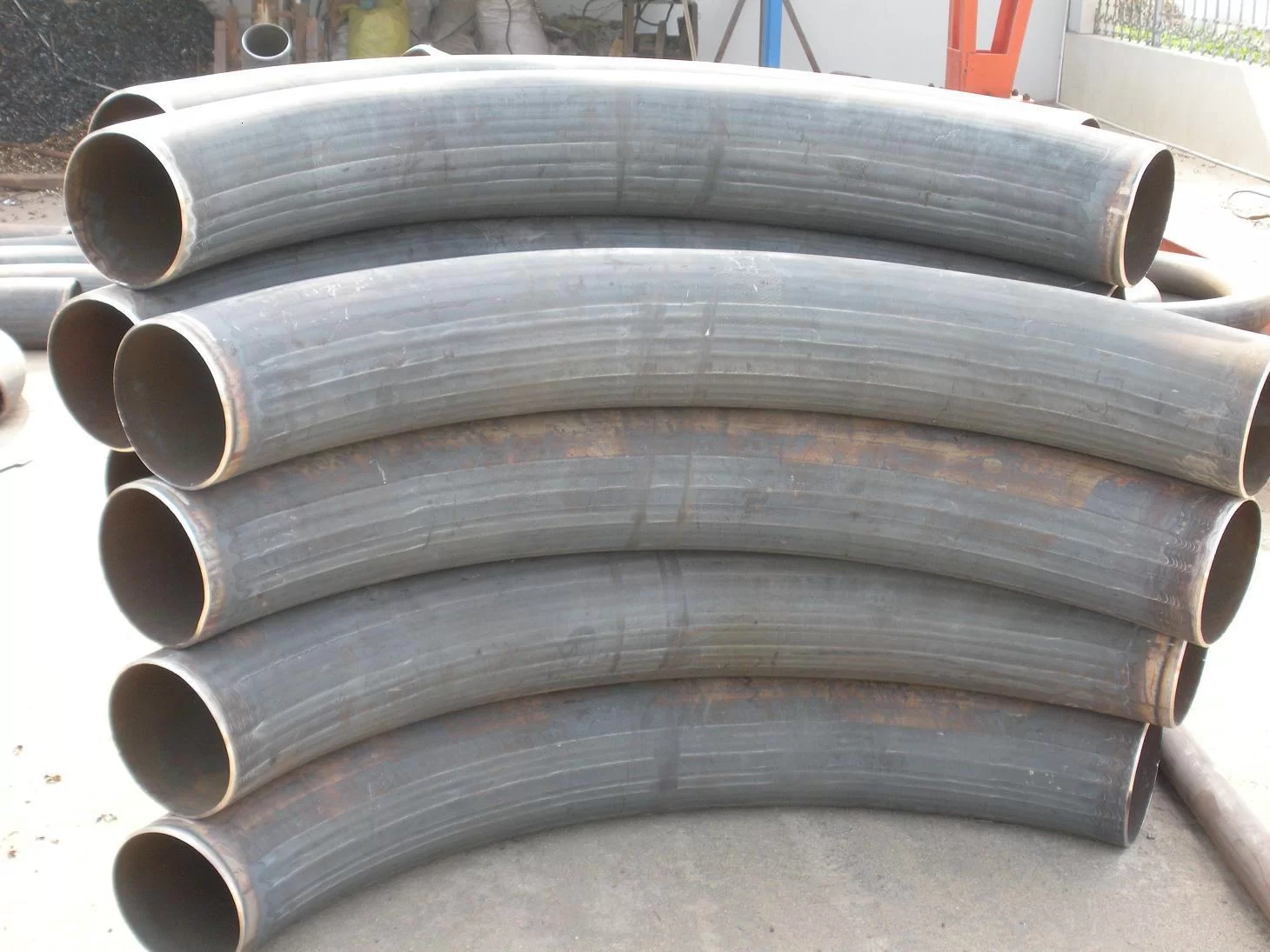
Characteristics And Common Applications Of Carbon Steel Bending Pipe
The use of bent piping is an essential practice in industrial construction, allowing fluid transfer lines to navigate complex routes, compensate for thermal expansion, and eliminate the need for numerous welded elbow fittings.
SUBSCRIBE NEWSLETTER