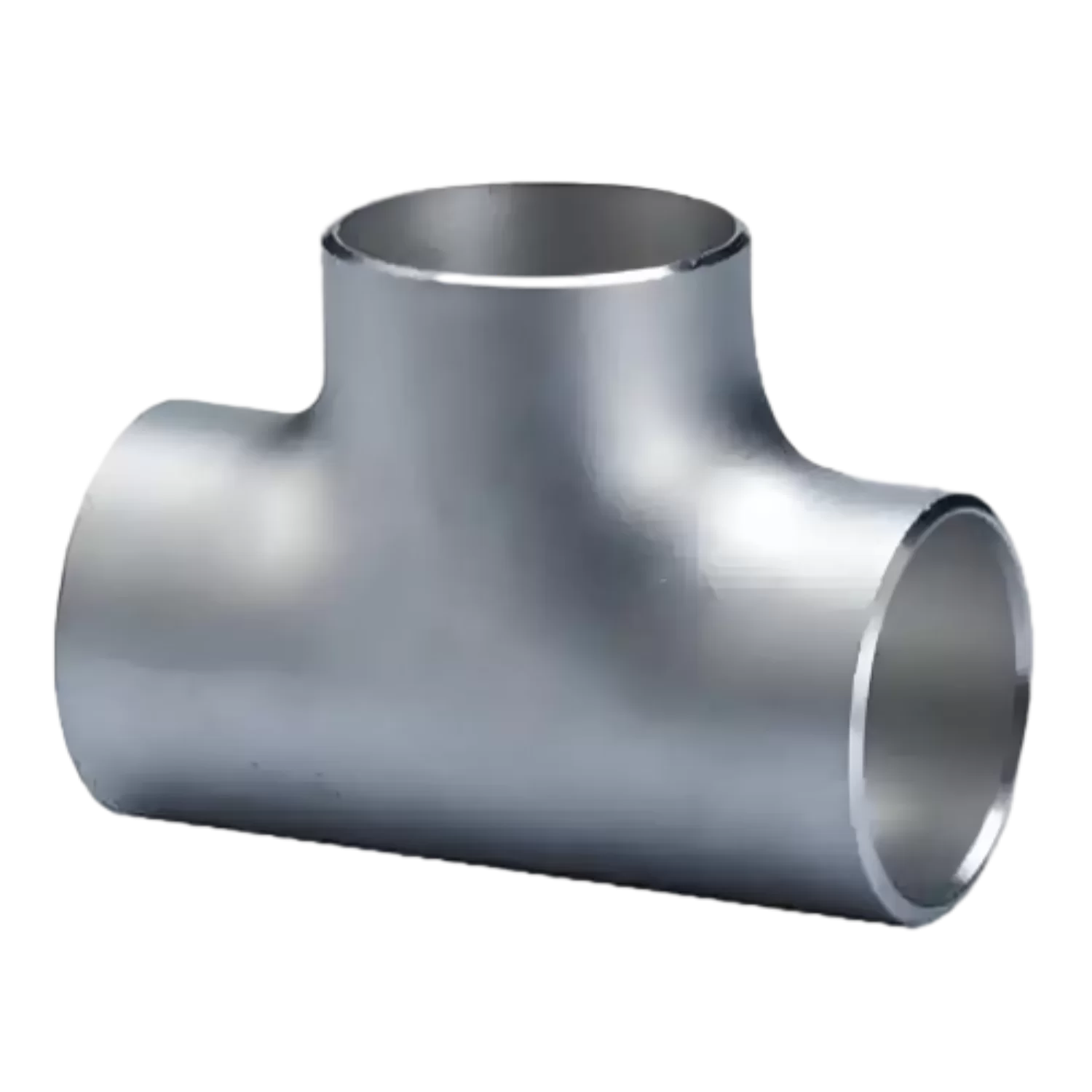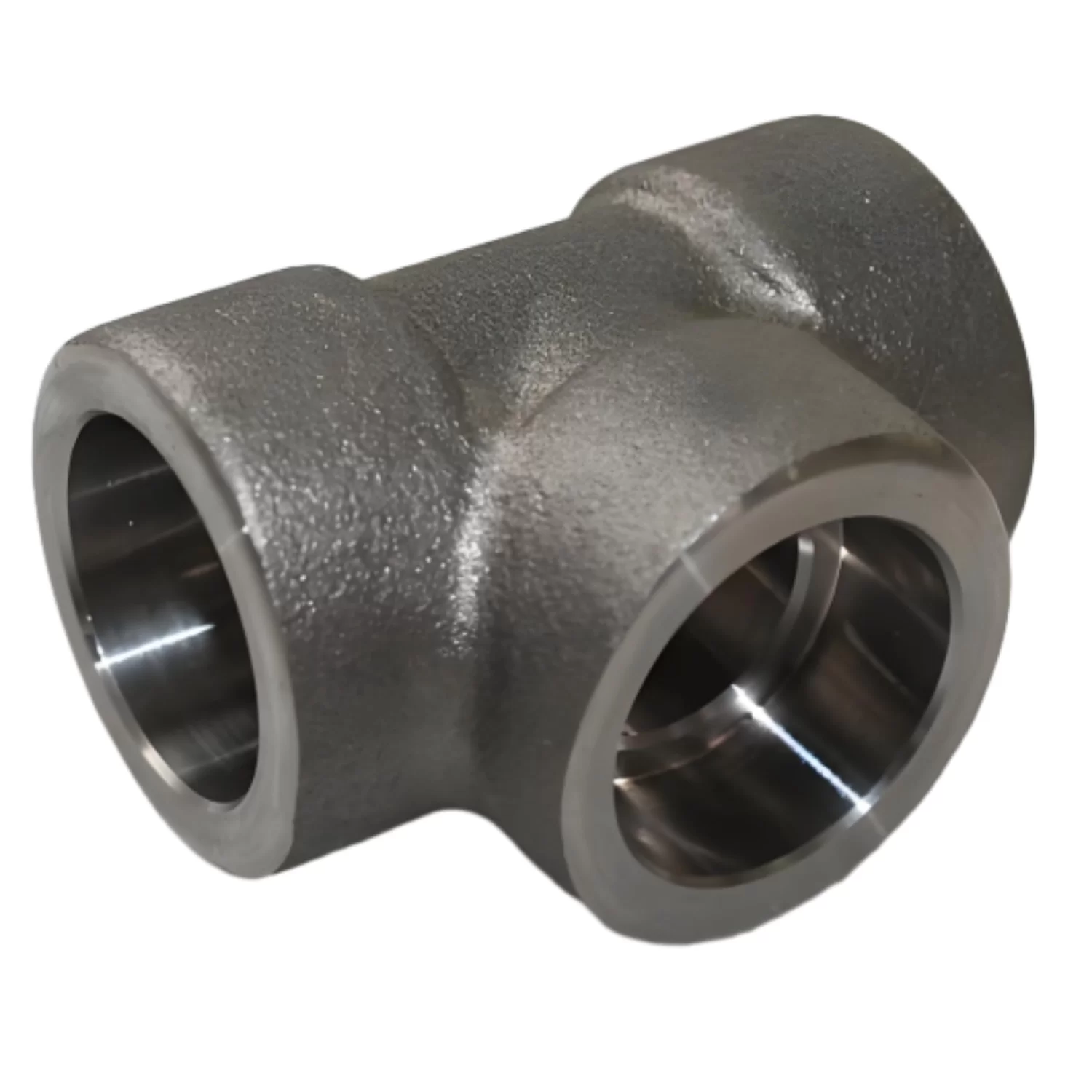
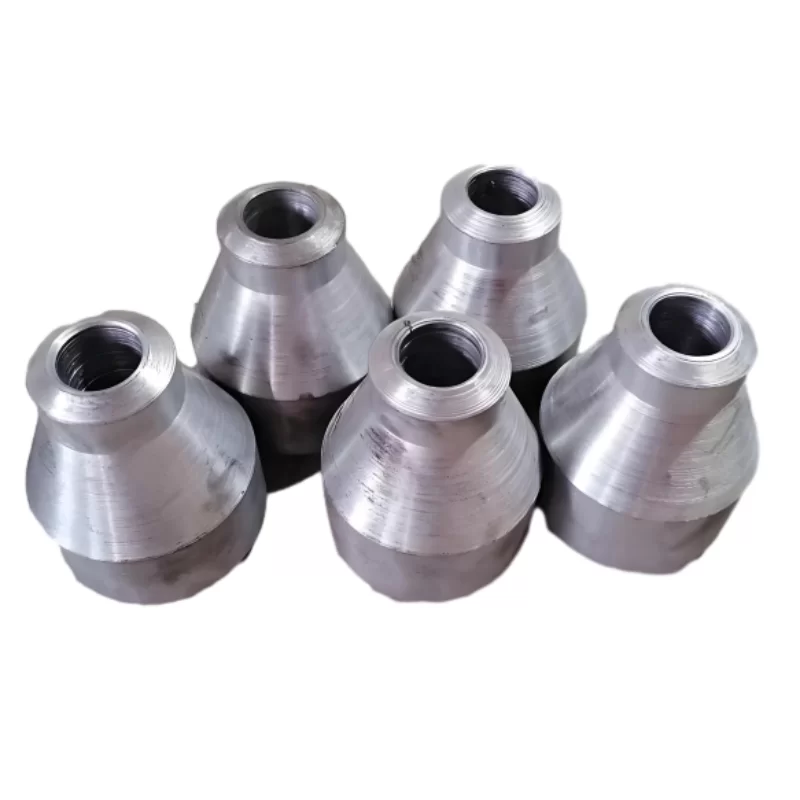
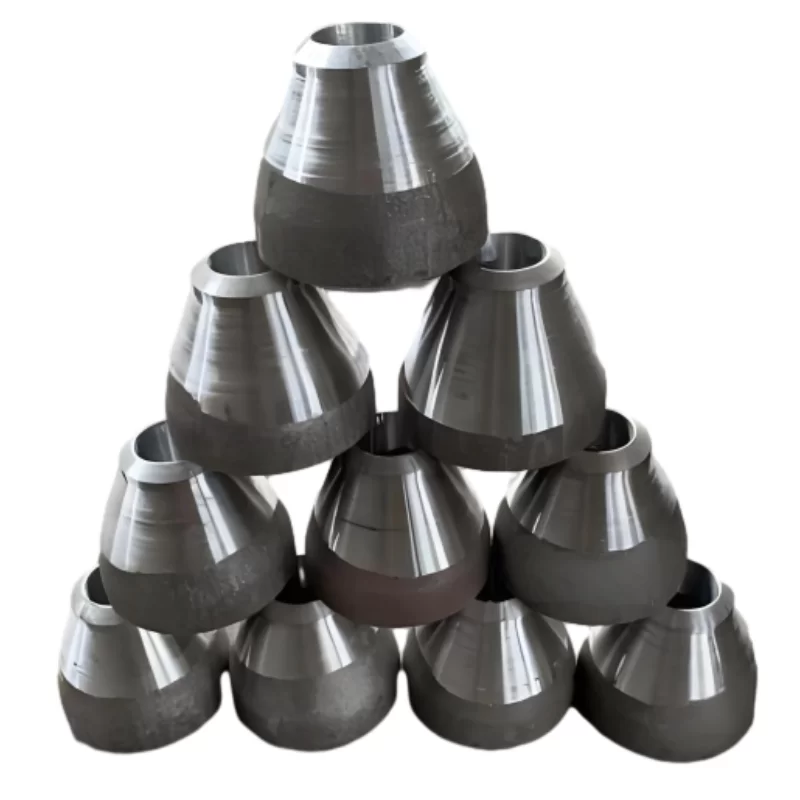
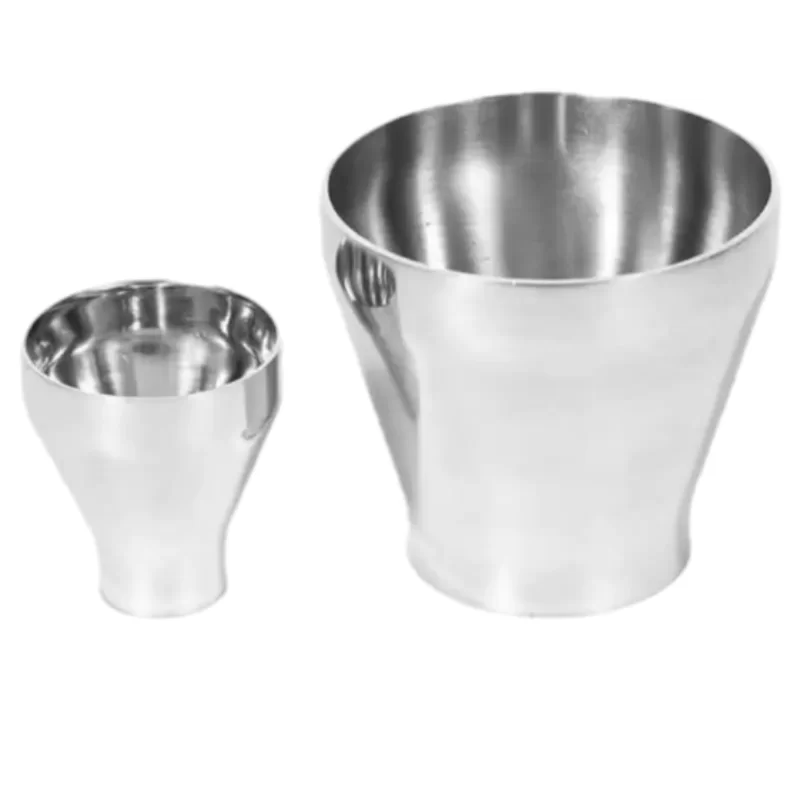
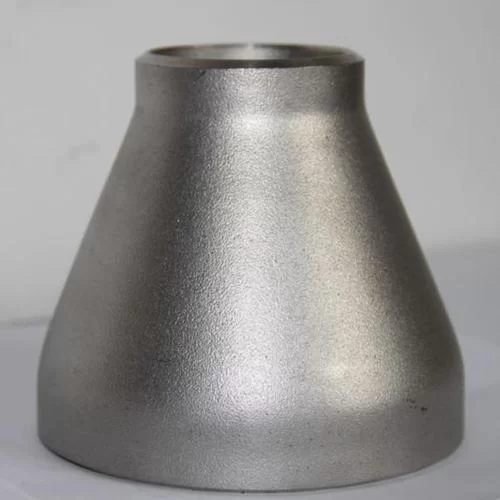
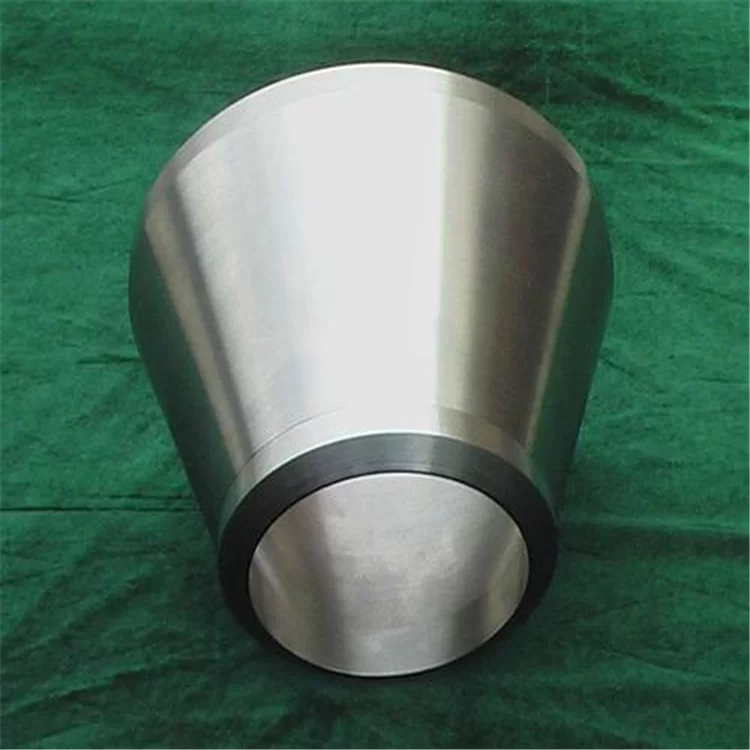
Adopts a conical shape (with concentric design where the centers of both ends are aligned on the same straight line). The small end connects to small-diameter pipelines, and the large end connects to large-diameter pipelines. The inner wall features a smooth transition to ensure stable medium flow and reduce eddy currents and turbulence.
I. Product Structure and Design Standards
1. Structural Features
●Adopts a conical shape (with concentric design where the centers of both ends are aligned on the same straight line). The small end connects to small-diameter pipelines, and the large end connects to large-diameter pipelines. The inner wall features a smooth transition to ensure stable medium flow and reduce eddy currents and turbulence.
●Materials can be selected based on application scenarios, including carbon steel (e.g., A234 WPB, A420 WPL6), stainless steel (e.g., A403 WP304/316), and alloy steel (e.g., A234 WP91/92), meeting requirements for different pressures, temperatures, and medium corrosiveness.
2. Executive Standards
●Dimensional Standards: Complies with ASME B16.9 (Factory-Made Wrought Steel Butt-Welding Fittings), covering DN15~DN1200 (NPS 1/2~48). Wall thickness schedules include Sch 10, Sch 40, Sch 80, Sch 160, XXS, etc., with a maximum pressure rating of Class 2500.
●Flange connection optional: ASME B16.5 (Pipe Flanges and Flanged Fittings), ensuring compatibility with American Standard pipeline systems.
II. Core Functions and Application Advantages
1. Fluid Conveyance Optimization
●Reduces medium flow resistance and energy loss through smooth diameter transition, suitable for various fluids such as water, oil, gas, and steam. Particularly advantageous in high-pressure and high-velocity systems.
●Concentric design avoids gas-liquid separation or solid deposition that may occur with eccentric structures, making it suitable for conveying pure media or scenarios requiring low disturbance (e.g., chemical precision reaction pipelines, food-grade fluid conveyance).
2. System Adaptability
●Customizable length (standard is center-to-end distance, such as the "L" value specified in ASME B16.9) to meet space-constrained or special installation conditions.
●Supports multiple installation methods including welding (butt welding, socket welding) and flange connection. Welding ends adopt a beveled design to ensure welding strength and sealing performance.
●Pressure resistance complies with ASME B31 series pipeline codes (e.g., B31.1 Power Piping, B31.3 Process Piping).
III. Application Scenarios
●Petrochemical Industry: Crude oil transmission pipelines, process pipelines of refining units;
●Power Energy: Steam pipelines of thermal power plants, nuclear power cooling systems;
●Municipal Engineering: Urban water supply and drainage, main natural gas transmission pipelines;
●Marine and Offshore Engineering: Ship power systems, offshore platform pipelines;
●Food and Pharmaceutical Industry: Sanitary-grade stainless steel reducers for pharmaceutical and beverage production lines.
IV. Quality Control and Certifications
●Production Processes: Adopts forging, stamping, or welding forming. Key processes (e.g., heat treatment, non-destructive testing) comply with ASME BPVC Section IX Welding and Brazing Qualifications, ensuring stable grain structure and qualified mechanical properties.
●Testing Standards: Prior to delivery, products undergo hydrostatic testing (1.5 times the design pressure), Ultrasonic Testing (UT), Radiographic Testing (RT), Penetrant Testing (PT), etc. Material Test Reports (MTR) comply with EN 10204 3.1/B standard.
●Certification Systems: Supports ASME U Stamp, PED 2014/68/EU CE Certification, and ISO 9001 Quality Management System Certification, meeting international engineering procurement requirements.
Dec 02,25
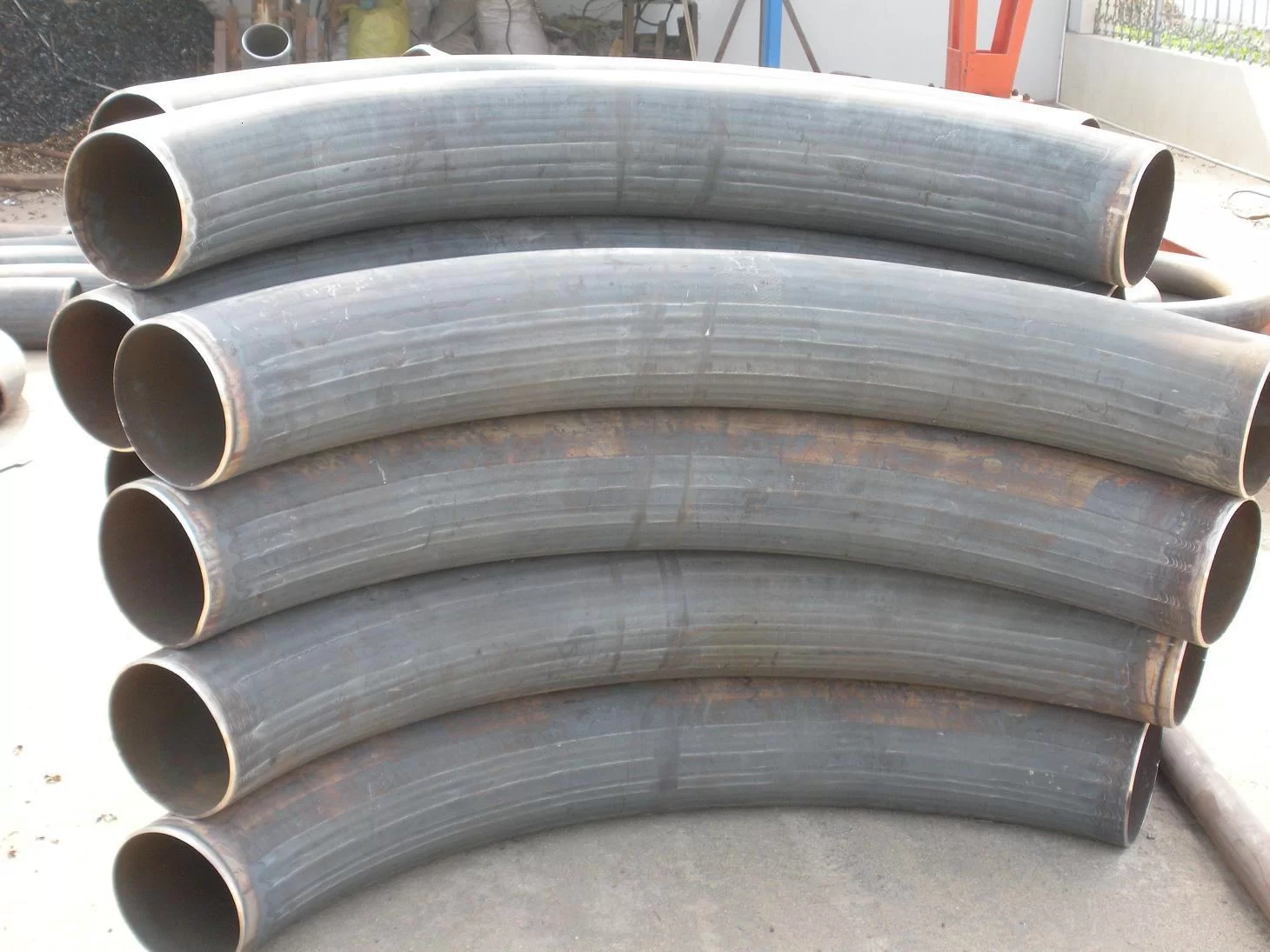
Characteristics And Common Applications Of Carbon Steel Bending Pipe
The use of bent piping is an essential practice in industrial construction, allowing fluid transfer lines to navigate complex routes, compensate for thermal expansion, and eliminate the need for numerous welded elbow fittings.
Dec 02,25
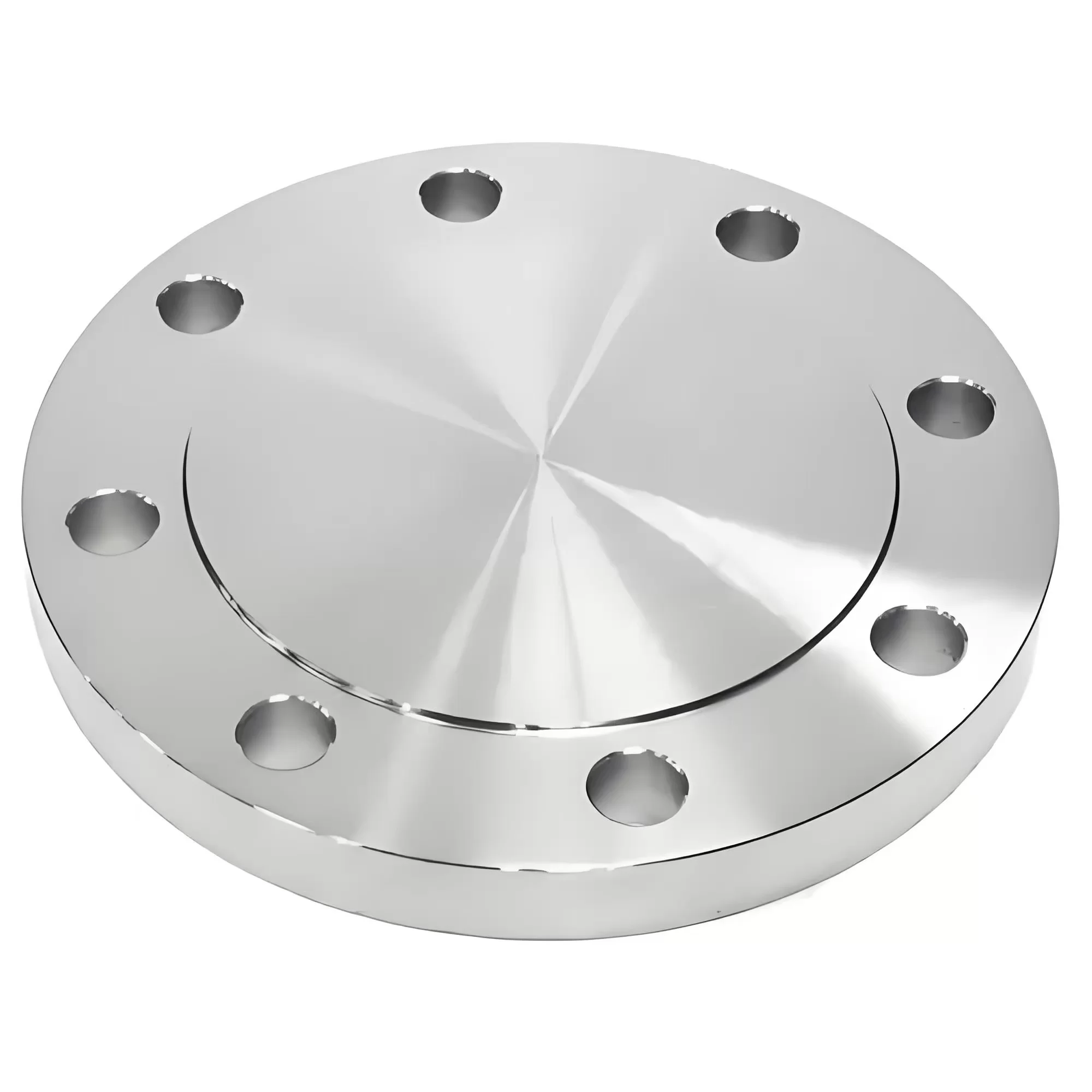
Corrosion-Resistant Flanges For Chemical And Marine Industries
Flanges are indispensable components in piping systems, serving as the critical junctions that allow for connections, maintenance, and isolation of flow.
Dec 02,25
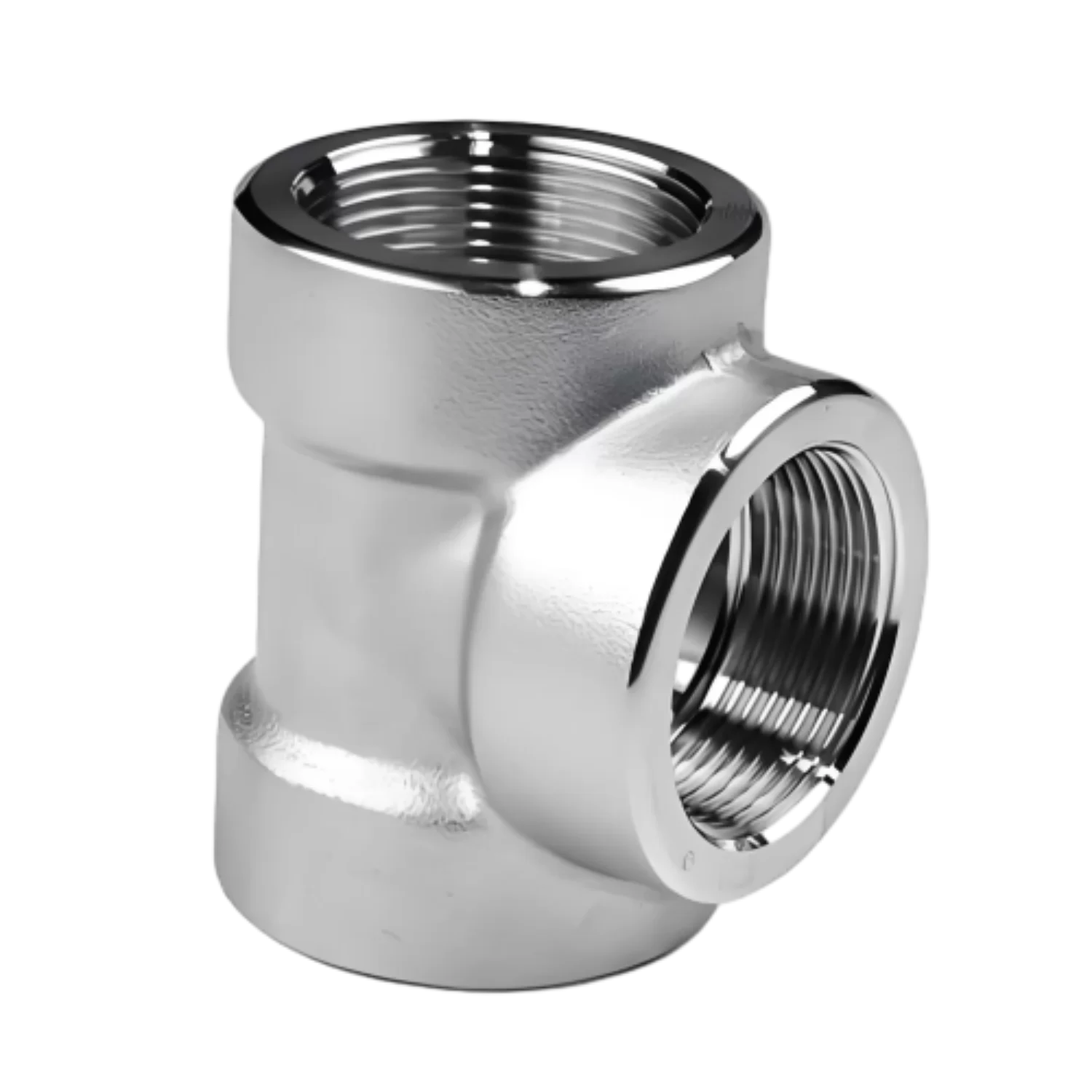
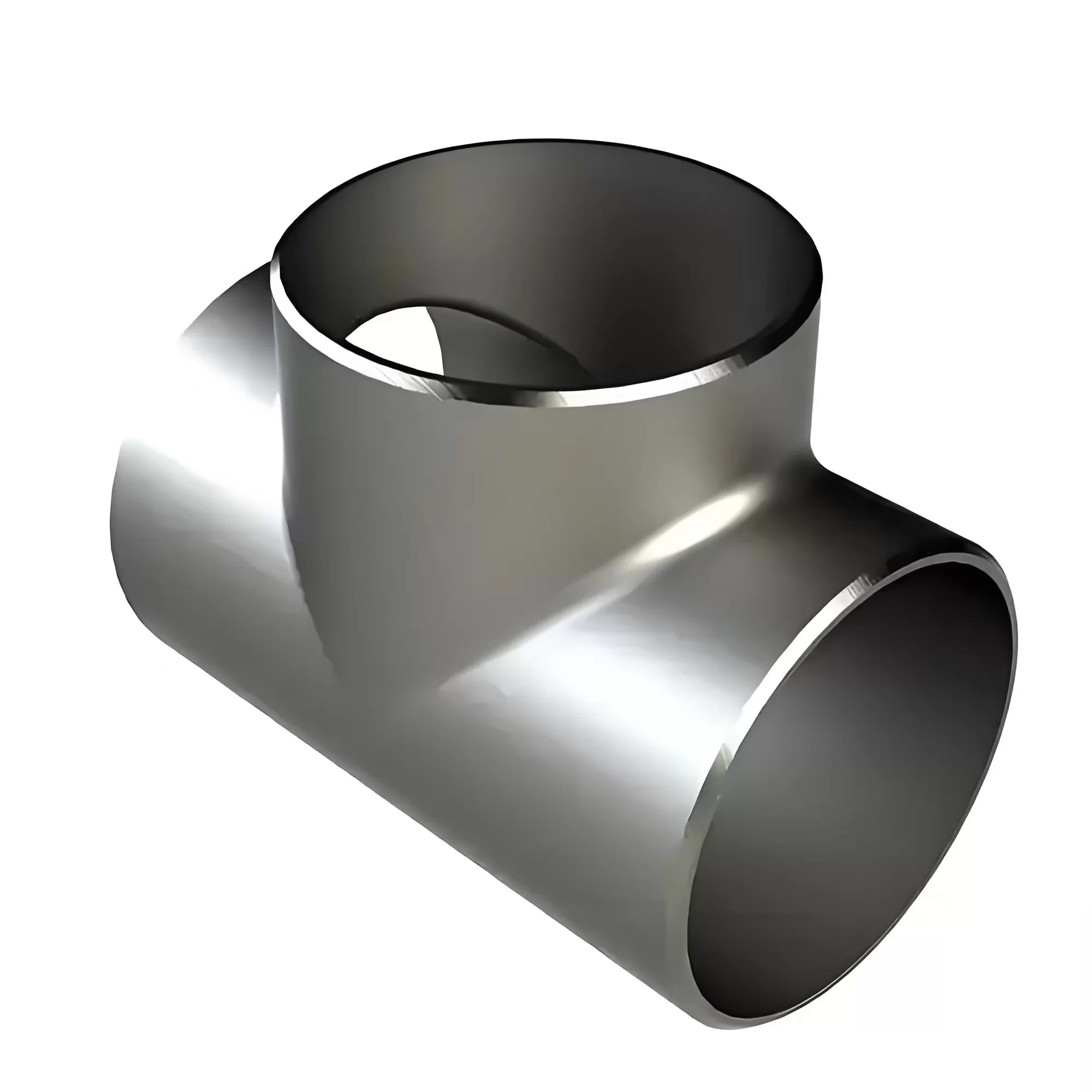
The Core Role Of The Tee In Pipeline Systems
In the complex architecture of modern pipeline systems—spanning petrochemical plants, municipal waterworks, HVAC networks, and power generation facilities—the tee fitting is arguably one of the most critical and universally employed components.
SUBSCRIBE NEWSLETTER