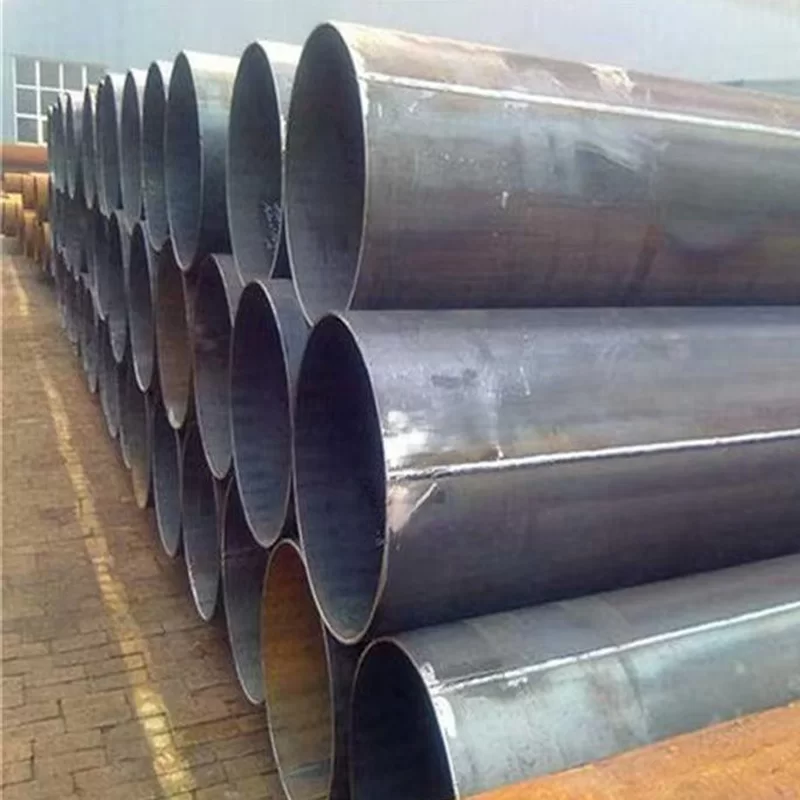
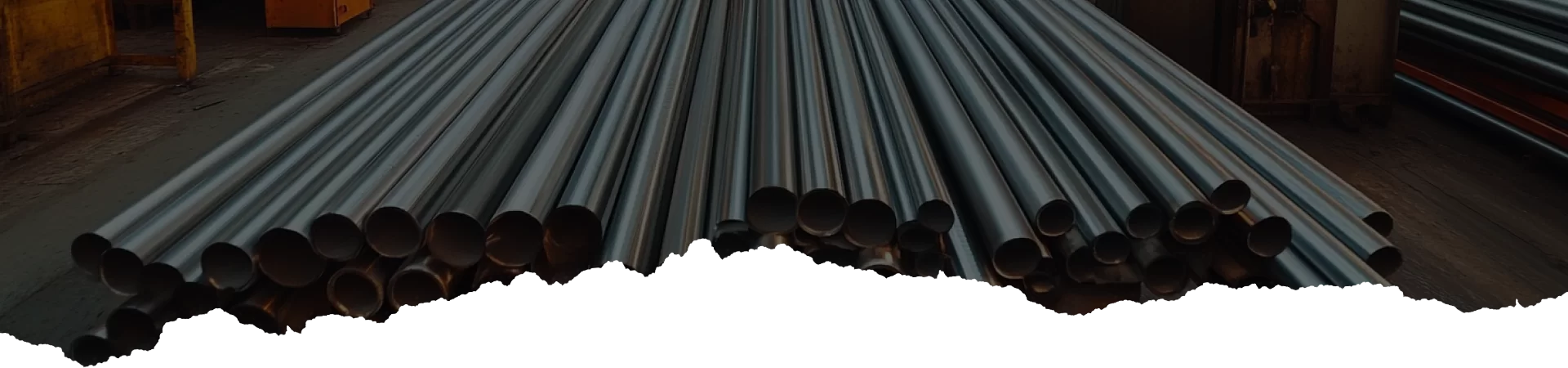
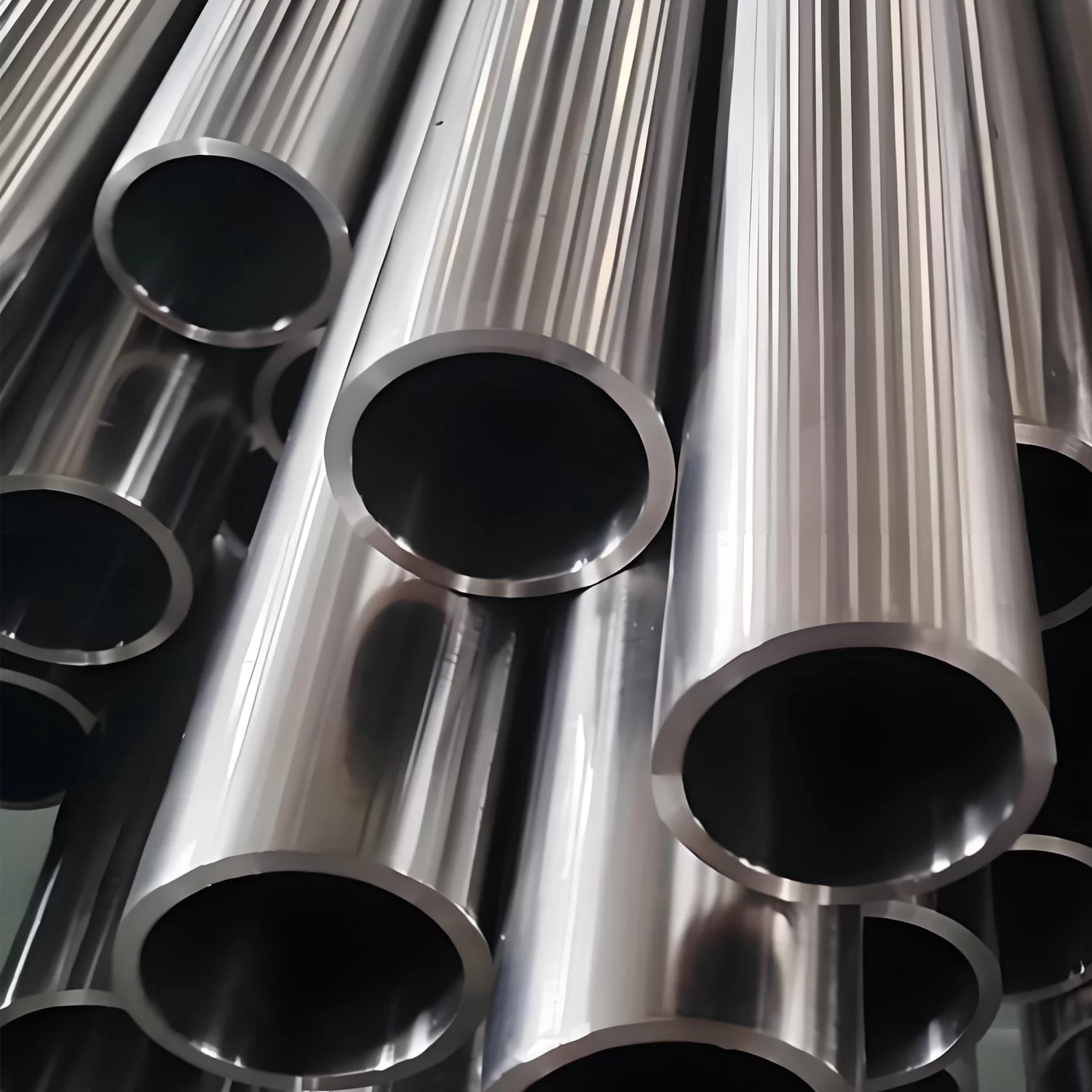
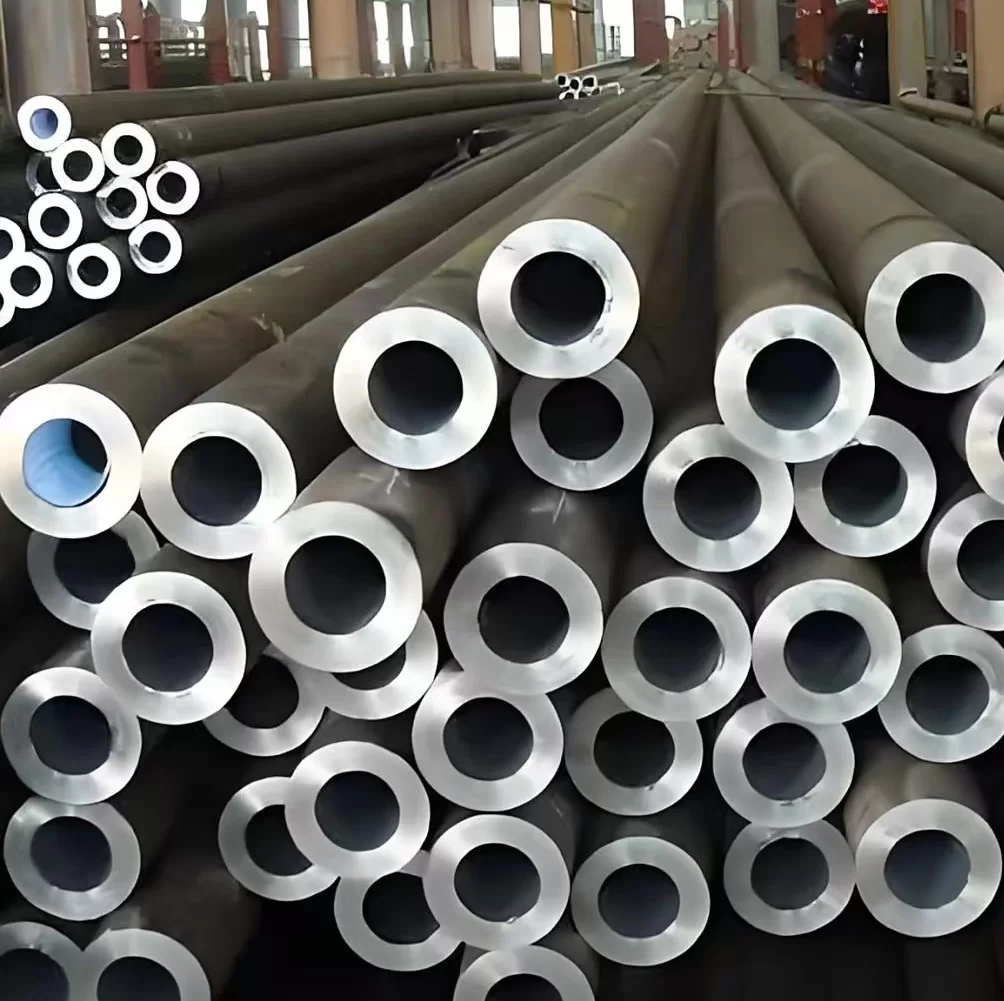
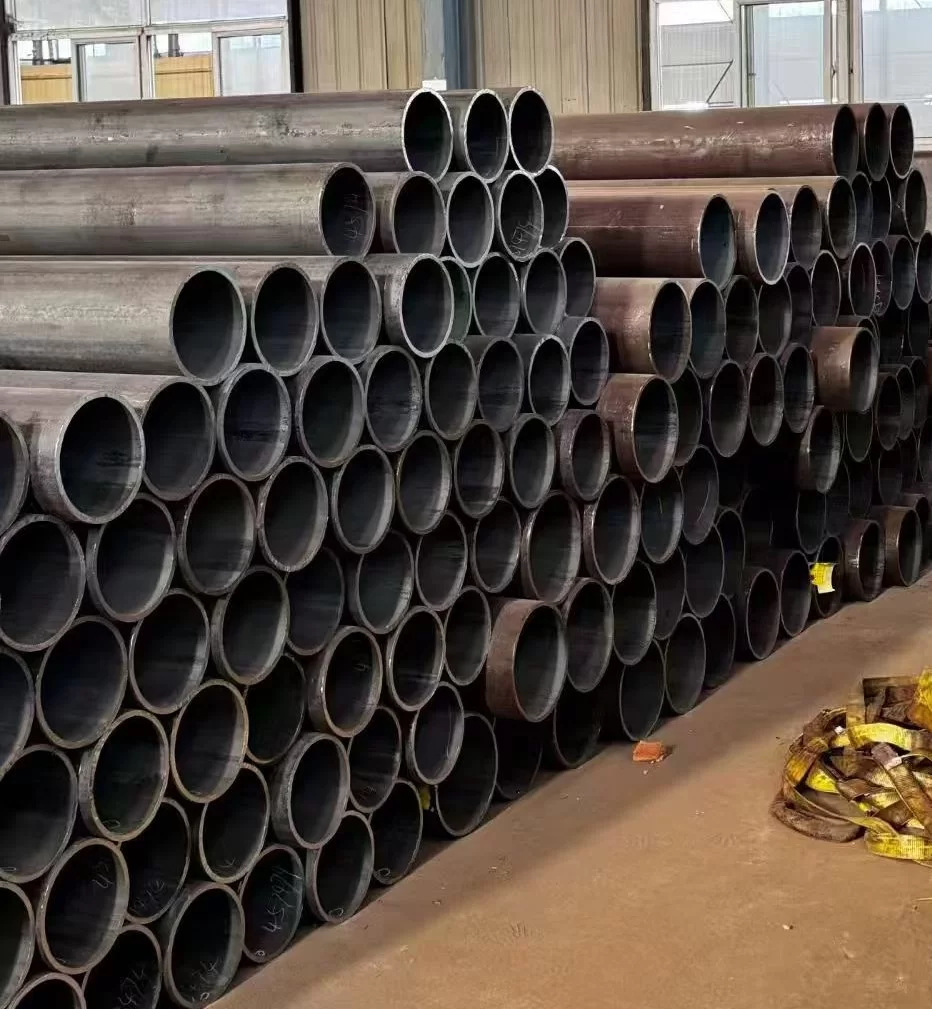
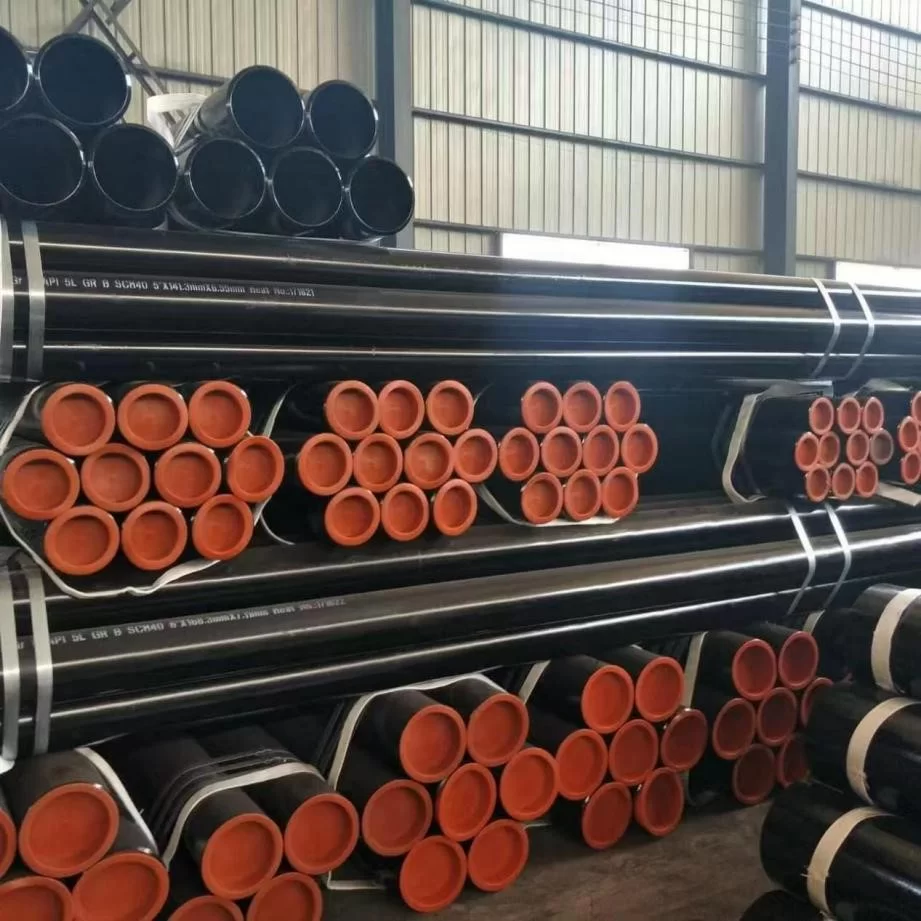
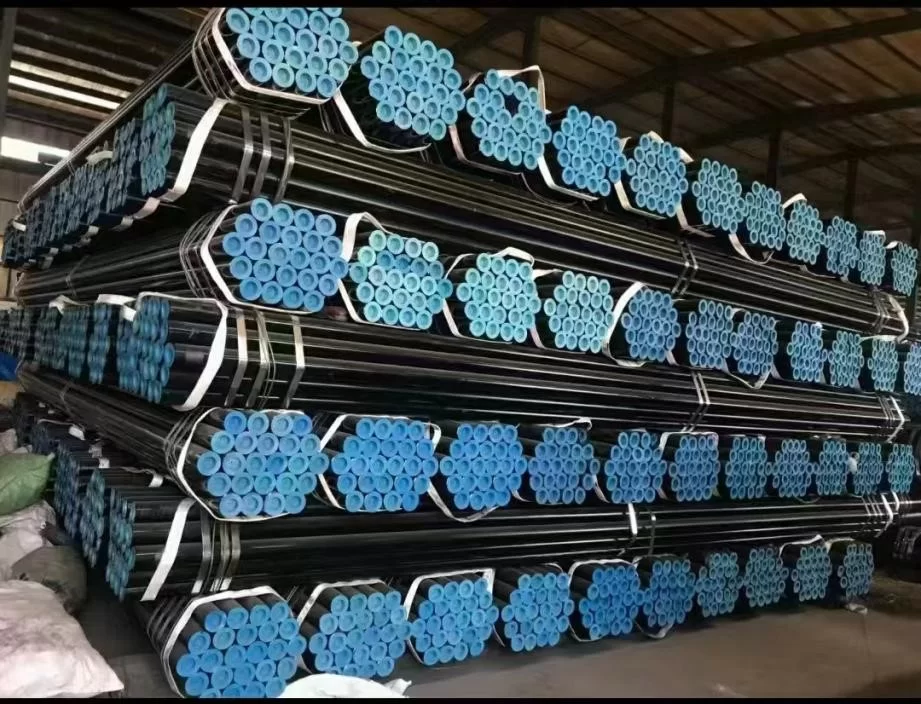
Manufacturing Process: Produced from solid billets through piercing followed by hot rolling, cold rolling, or cold drawing, with no welded joints.
Performance Characteristics: Features high strength, toughness, and structural integrity; capable of withstanding high pressure and temperature; and exhibits good corrosion resistance.
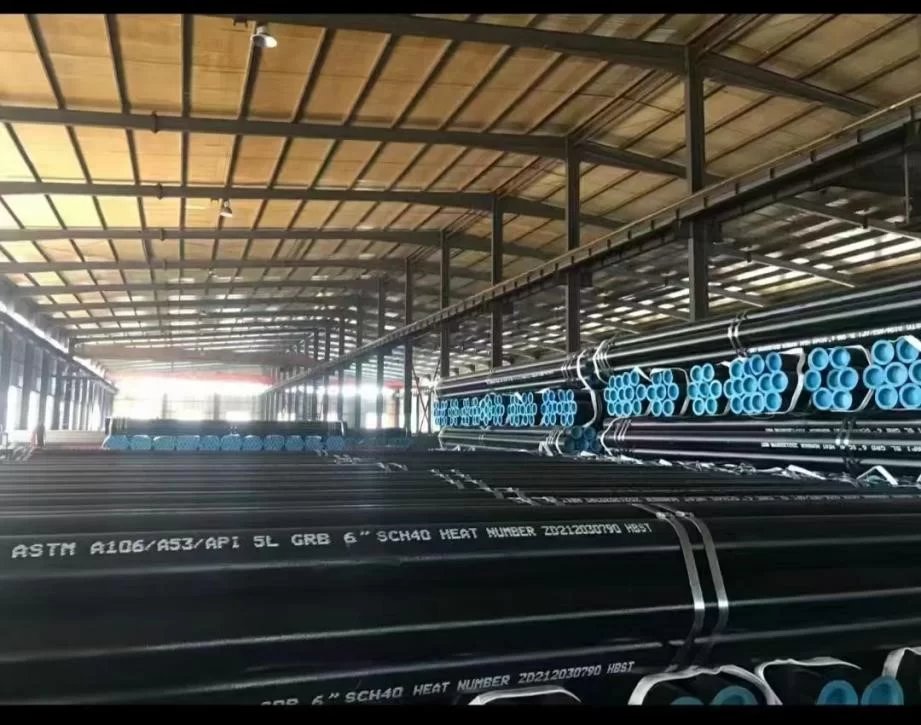
Main Standards: ASTM A53 (for pressure and non-pressure piping), ASTM A106 (carbon steel pipes for high-temperature service), ASTM A333 (seamless and welded steel pipes for low-temperature service), ASTM A335 (alloy steel pipes for high-temperature service), etc.
Classification by Application
1. Piping Steel Pipes
Characteristics: Mainly used for conveying various fluid media, with specific requirements for pressure resistance, sealing performance, and corrosion resistance.
Common Standards: ASTM A53 (pressure and non-pressure piping), ASTM A106 (high-temperature pressure piping), ASTM A333 (low-temperature piping), ASTM A312 (seamless and welded austenitic stainless steel piping), etc.
Specific Applications: Long-distance transmission pipelines for oil, natural gas, water, steam, chemical raw materials, etc., and process piping in industrial installations.
2. Structural Steel Pipes
Characteristics: Used for structural support in construction, bridges, machinery manufacturing, etc., with emphasis on strength, rigidity, and stability.
Common Standards: ASTM A500 (cold-formed welded and seamless carbon steel structural pipes, round and shaped), ASTM A501 (hot-formed welded and seamless carbon steel structural pipes), etc.
Specific Applications: Building frames, bridge components, machinery supports, iron towers, pressure vessel shells, etc.
3. Boiler Steel Pipes
Characteristics: Operate under high-temperature and high-pressure conditions, requiring excellent high-temperature strength, oxidation resistance, and microstructural stability.
Common Standards: ASTM A192 (seamless carbon steel boiler tubes for boiler heating surfaces), ASTM A213 (alloy steel tubes for boilers, superheaters, and heat exchangers), etc.
Specific Applications: Heating surface pipelines such as water walls, superheaters, reheaters, and economizers in power station boilers.
4. Pressure Vessel Steel Pipes
Characteristics: Used for manufacturing pressure vessels, which must withstand internal medium pressure; strict requirements are imposed on material purity, strength, toughness, and weldability.
Common Standards: ASTM A335 (alloy steel pipes for high-temperature service, commonly used in pressure vessels), ASTM A519 (seamless carbon and alloy steel mechanical tubing, some grades applicable to pressure vessel components), etc. Compliance with the ASME BPVC Code is usually also required.
Specific Applications: Pressure vessels such as reactors, storage tanks, and heat exchangers in chemical, petroleum, pharmaceutical, and other industries.
5. Machining Steel Pipes
Characteristics: Used for manufacturing mechanical parts such as shafts, gears, sleeves, etc., requiring high dimensional accuracy and good surface quality; heat treatment is required for some grades to improve performance.
Common Standards: ASTM A519 (seamless carbon and alloy steel mechanical tubing).
Specific Applications: Parts processing in automotive manufacturing, machine tool manufacturing, agricultural machinery, general machinery, and other fields.
Classification by Material
1. Carbon Steel Pipes
Composition: Mainly composed of carbon, with small amounts of silicon, manganese, sulfur, phosphorus, etc.; carbon content generally ranges from 0.02% to 2.11%.
Characteristics: Low cost, moderate strength, good plasticity, excellent weldability, but poor corrosion resistance.
Common Standards: ASTM A53, ASTM A106, ASTM A500, etc.
2. Alloy Steel Pipes
Composition: Based on carbon steel, with one or more alloying elements (such as chromium, molybdenum, nickel, vanadium, etc.) added to improve steel performance.
Characteristics: Depending on the type and content of alloying elements, special properties such as high strength, high toughness, high-temperature resistance, and corrosion resistance can be achieved.
Common Standards: ASTM A335 (e.g., alloy steel pipes like P11, P22, P91, for high-temperature and high-pressure applications), ASTM A333 (some grades are alloy steel, for low-temperature service), etc.
3. Stainless Steel Pipes
Composition: Mainly containing chromium, usually with nickel, molybdenum, and other elements, providing good corrosion resistance.
Characteristics: Excellent corrosion resistance, stable in atmospheric, aqueous, acidic, alkaline, and other environments; also possesses certain strength and plasticity.
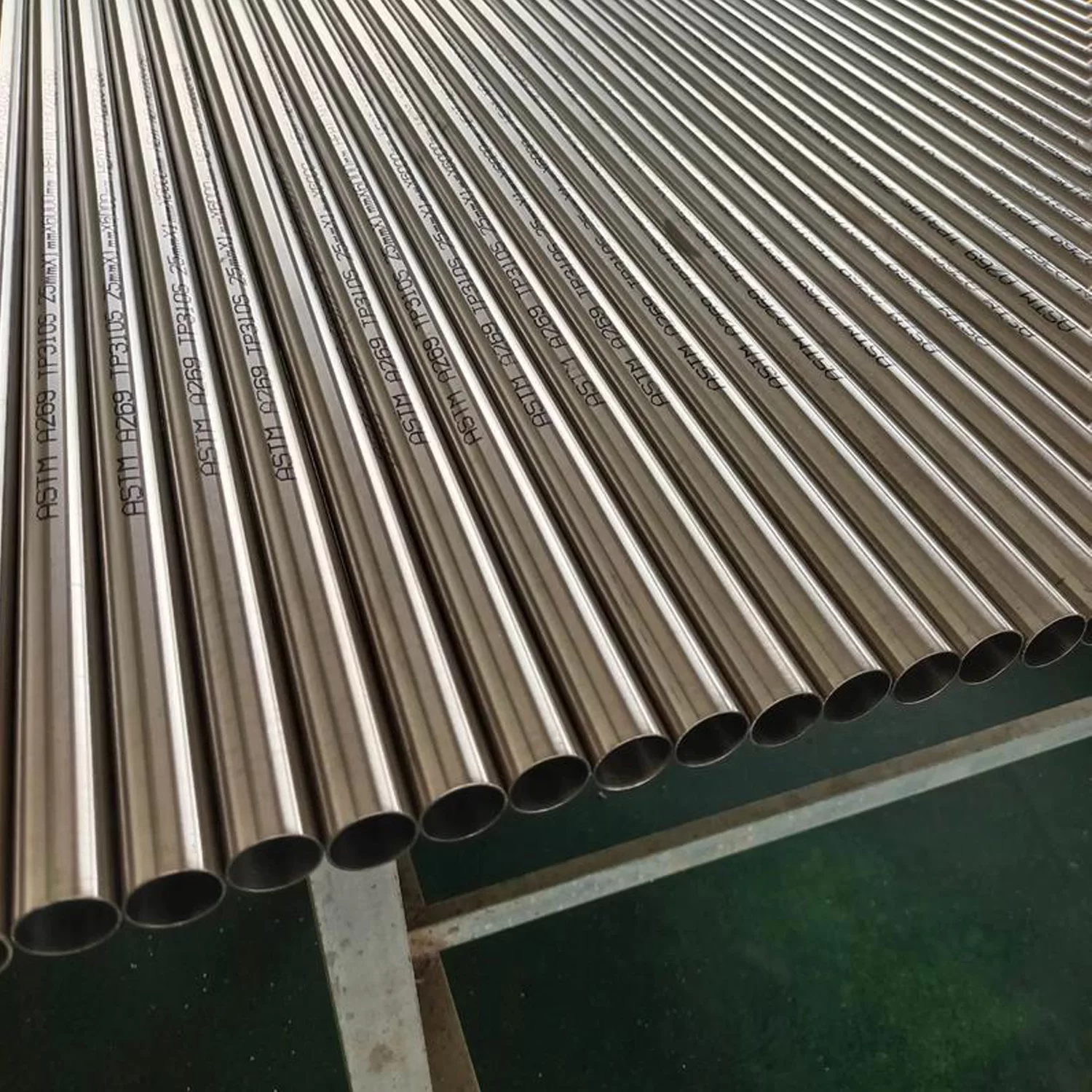
Common Standards: ASTM A312 (austenitic stainless steel piping), ASTM A213 (austenitic and ferritic stainless steel boiler tubes), ASTM A269 (seamless and welded austenitic stainless steel tubing for general service), etc.
Classification by Dimension Specification Expression
The dimension specifications of seamless steel pipes are usually expressed by Nominal Pipe Size (NPS) and Schedule (Sch).
1. Nominal Pipe Size (NPS): A standardized diameter for convenient design, manufacturing, and installation; it does not represent the actual inner or outer diameter of the pipe, and the number following NPS does not directly indicate the size value.
2. Schedule (Sch): Represents the wall thickness rating of the pipe; common grades include Sch 5, Sch 10, Sch 20, Sch 30, Sch 40 (STD), Sch 60, Sch 80 (XS), Sch 100, Sch 120, Sch 140, Sch 160 (XXS), etc. For pipes of the same NPS, a higher Sch number indicates a thicker wall thickness and stronger pressure-bearing capacity.
Classification by Delivery Condition
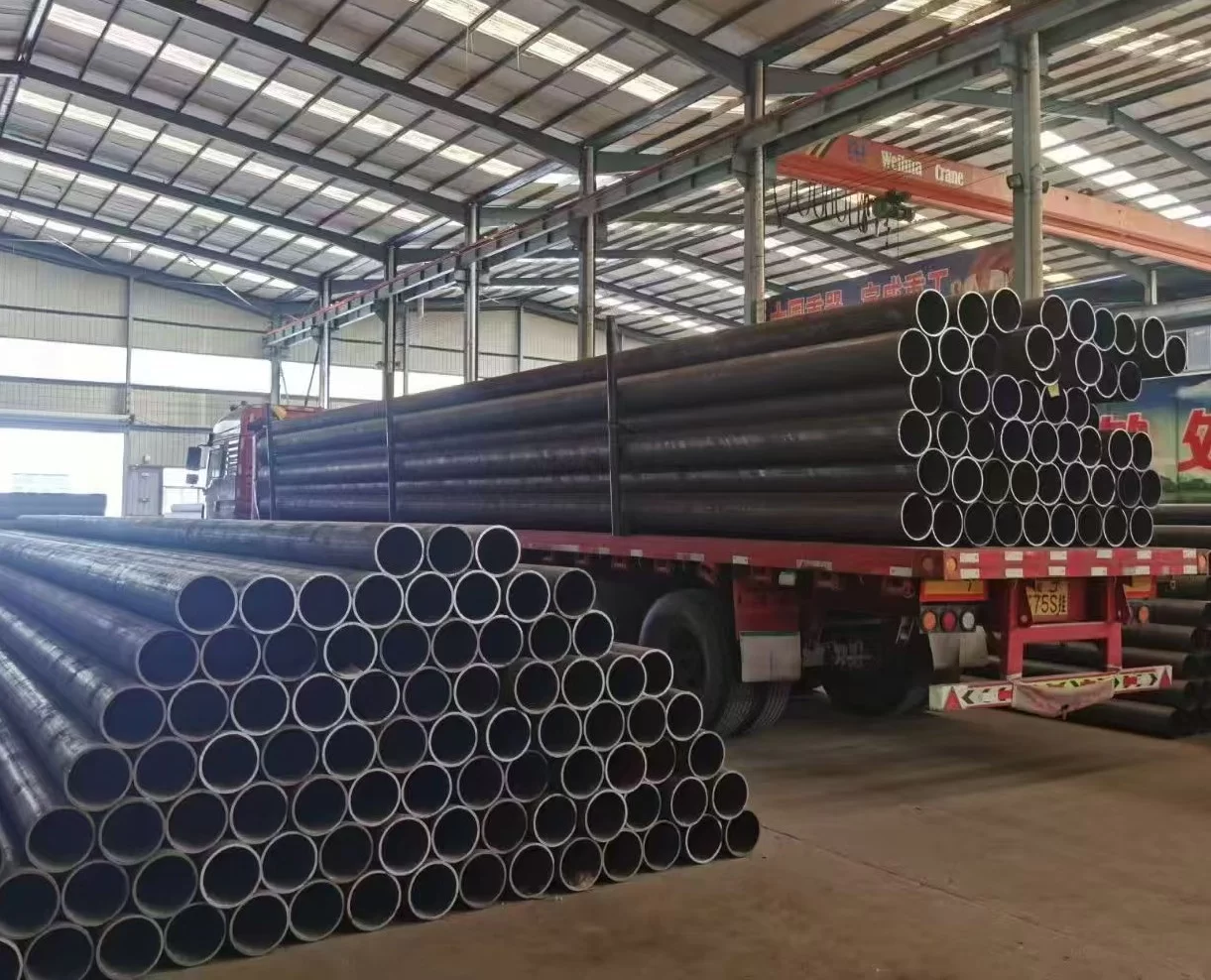
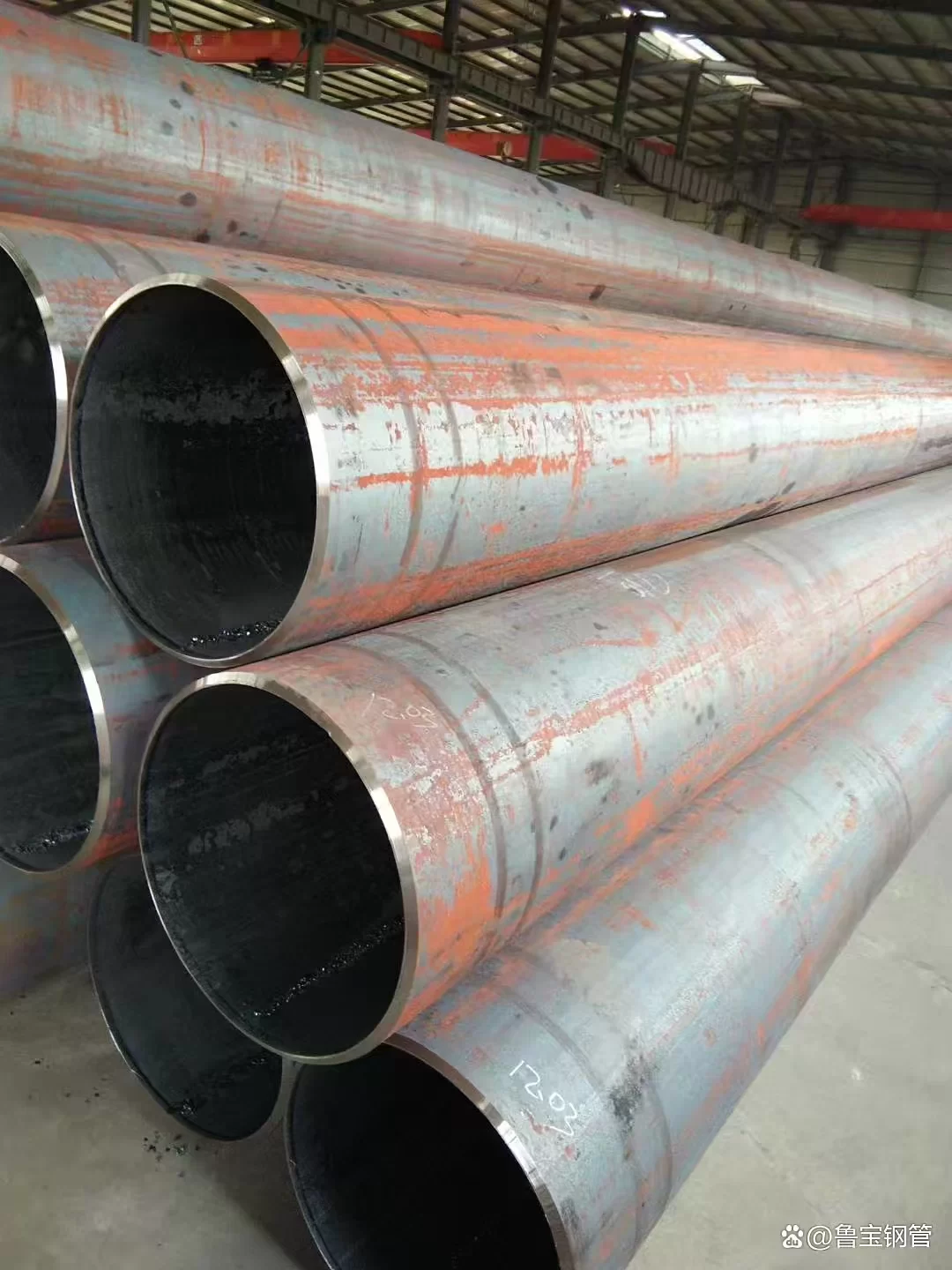
1. Hot Finished: Pipes rolled at high temperatures, featuring good microstructural properties but relatively low dimensional accuracy; commonly used for large-sized and structural steel pipes.
2. Cold Finished: Rolled at room temperature, with high dimensional accuracy and good surface quality; mechanical properties are enhanced through cold working; commonly used for small-sized, high-precision pipes requiring a smooth surface, such as machining steel pipes.
3. Normalized: Pipes heated to 30–50°C above Ac3 or Acm temperature, held at that temperature, and then cooled in air; this process refines grains, homogenizes the microstructure, and improves mechanical properties; commonly used for alloy steel pipes and carbon steel pipes requiring high performance.
4. Annealed: Pipes heated to an appropriate temperature, held at that temperature, and then slowly cooled to reduce hardness, eliminate internal stress, and improve workability; stainless steel pipes and some alloy steel pipes are often delivered in the annealed condition.
The above classifications demonstrate the diversity of seamless steel pipes from different perspectives. In practical applications, multiple classification factors need to be comprehensively considered to select suitable pipe products, while strict adherence to corresponding standards and specifications is required to ensure product quality and operational safety.
Dec 02,25
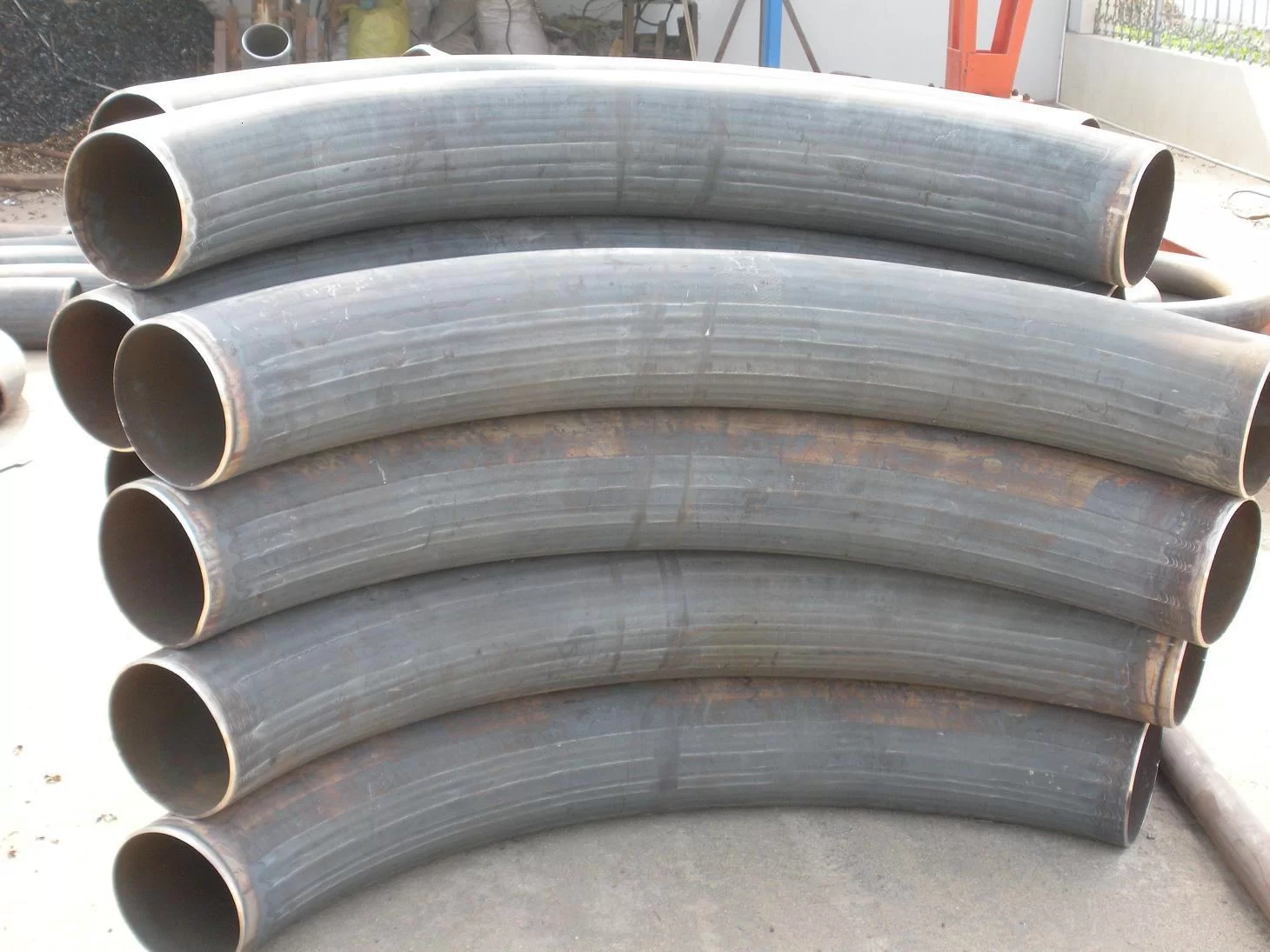
Characteristics And Common Applications Of Carbon Steel Bending Pipe
The use of bent piping is an essential practice in industrial construction, allowing fluid transfer lines to navigate complex routes, compensate for thermal expansion, and eliminate the need for numerous welded elbow fittings.
Dec 02,25
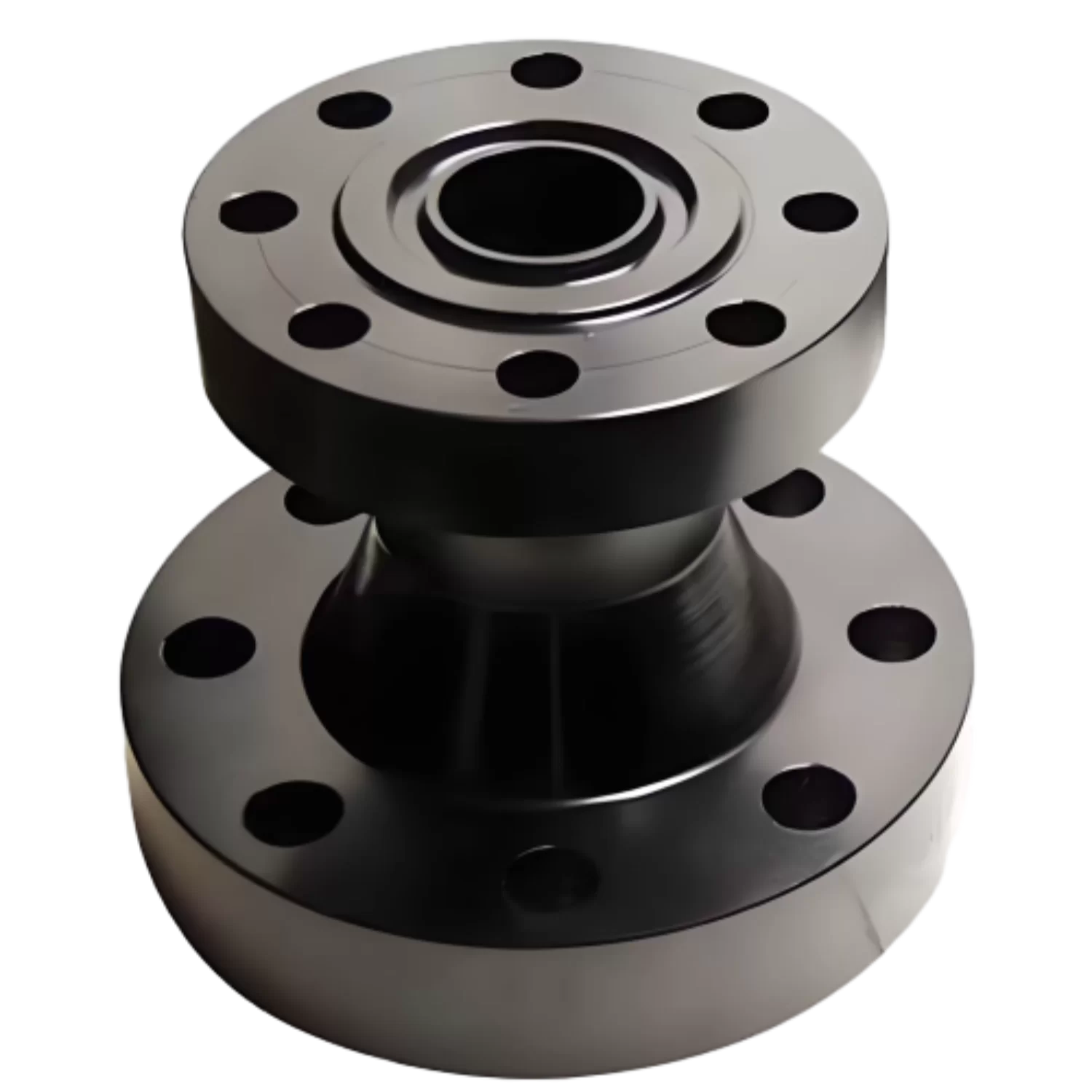
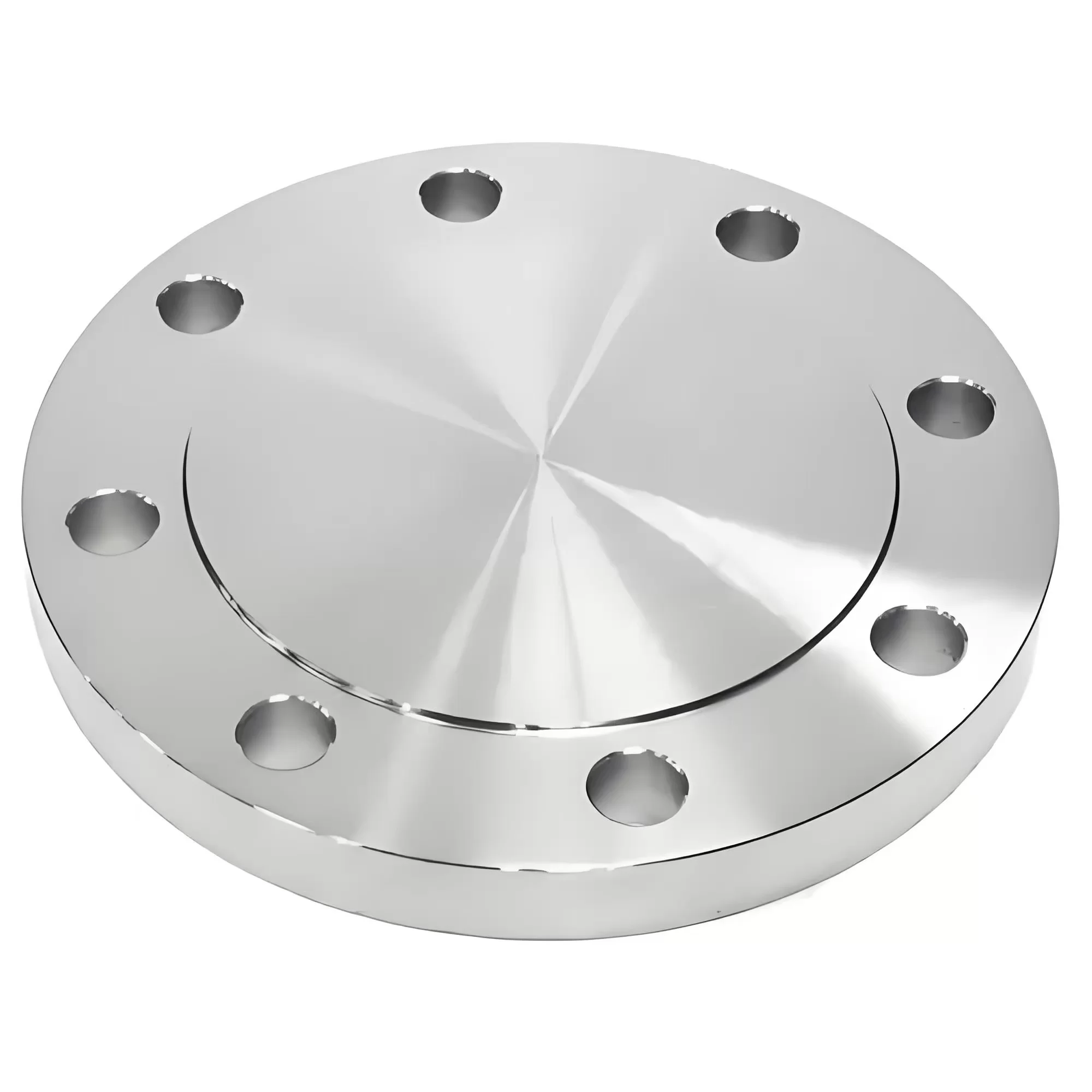
Corrosion-Resistant Flanges For Chemical And Marine Industries
Flanges are indispensable components in piping systems, serving as the critical junctions that allow for connections, maintenance, and isolation of flow.
Dec 02,25
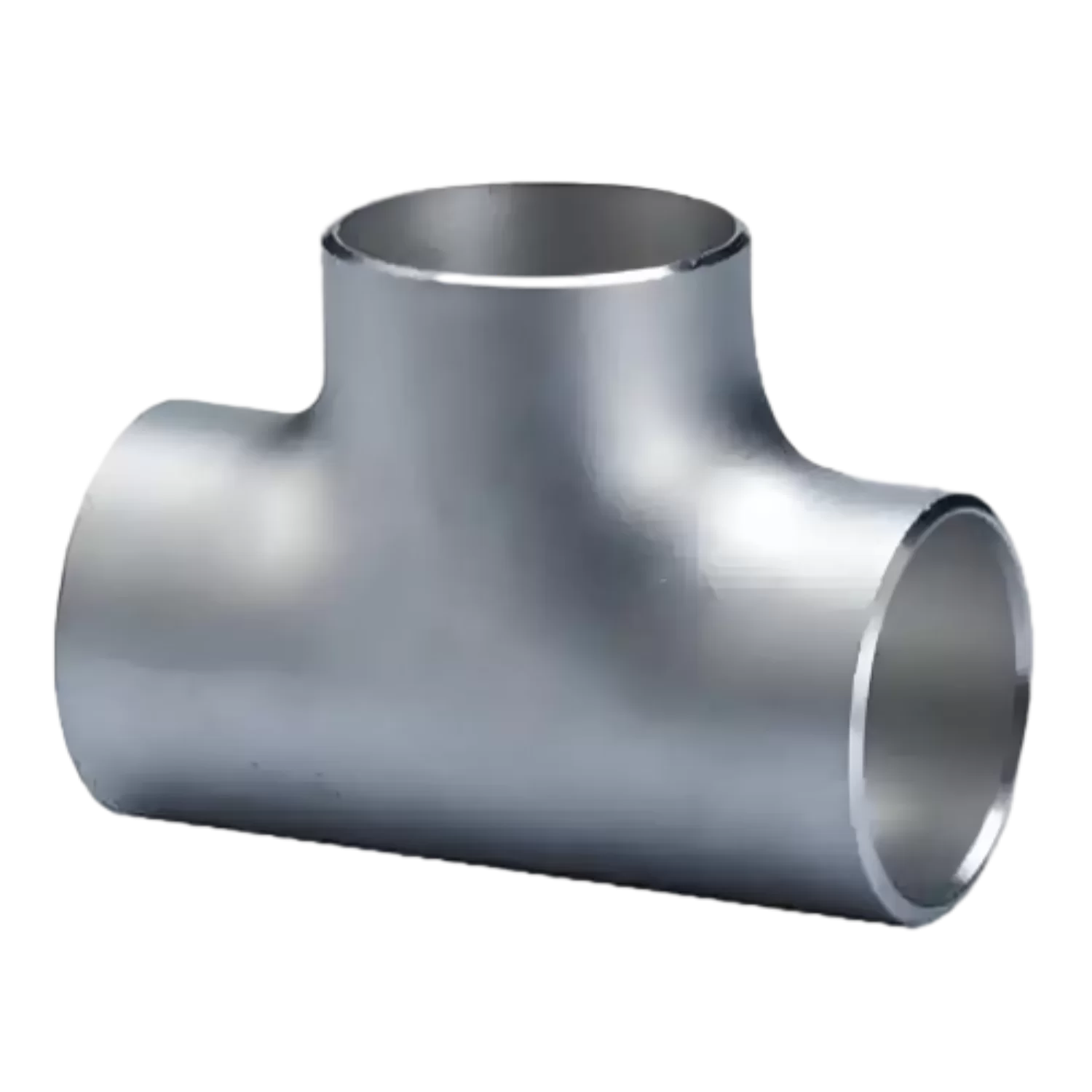
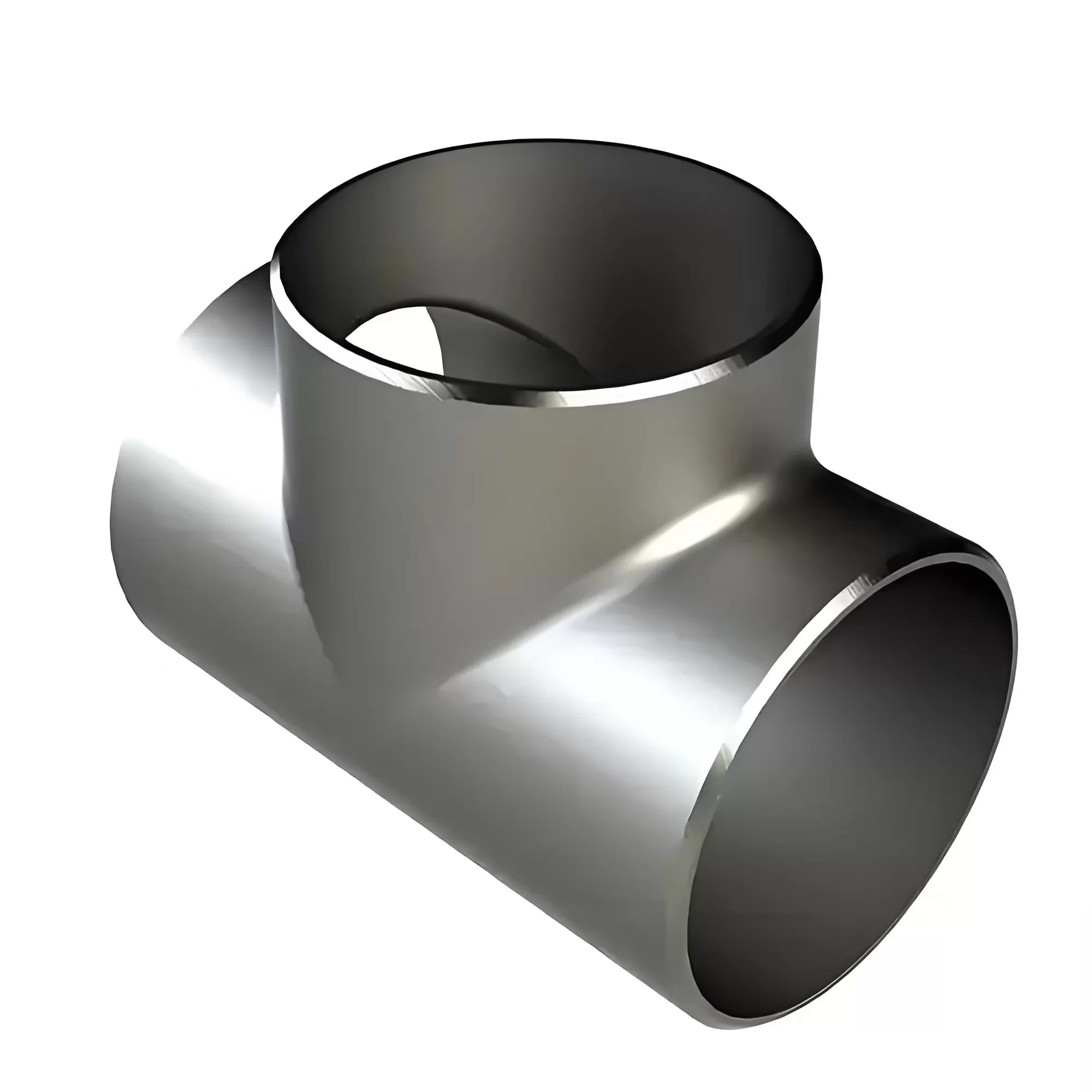
The Core Role Of The Tee In Pipeline Systems
In the complex architecture of modern pipeline systems—spanning petrochemical plants, municipal waterworks, HVAC networks, and power generation facilities—the tee fitting is arguably one of the most critical and universally employed components.
SUBSCRIBE NEWSLETTER