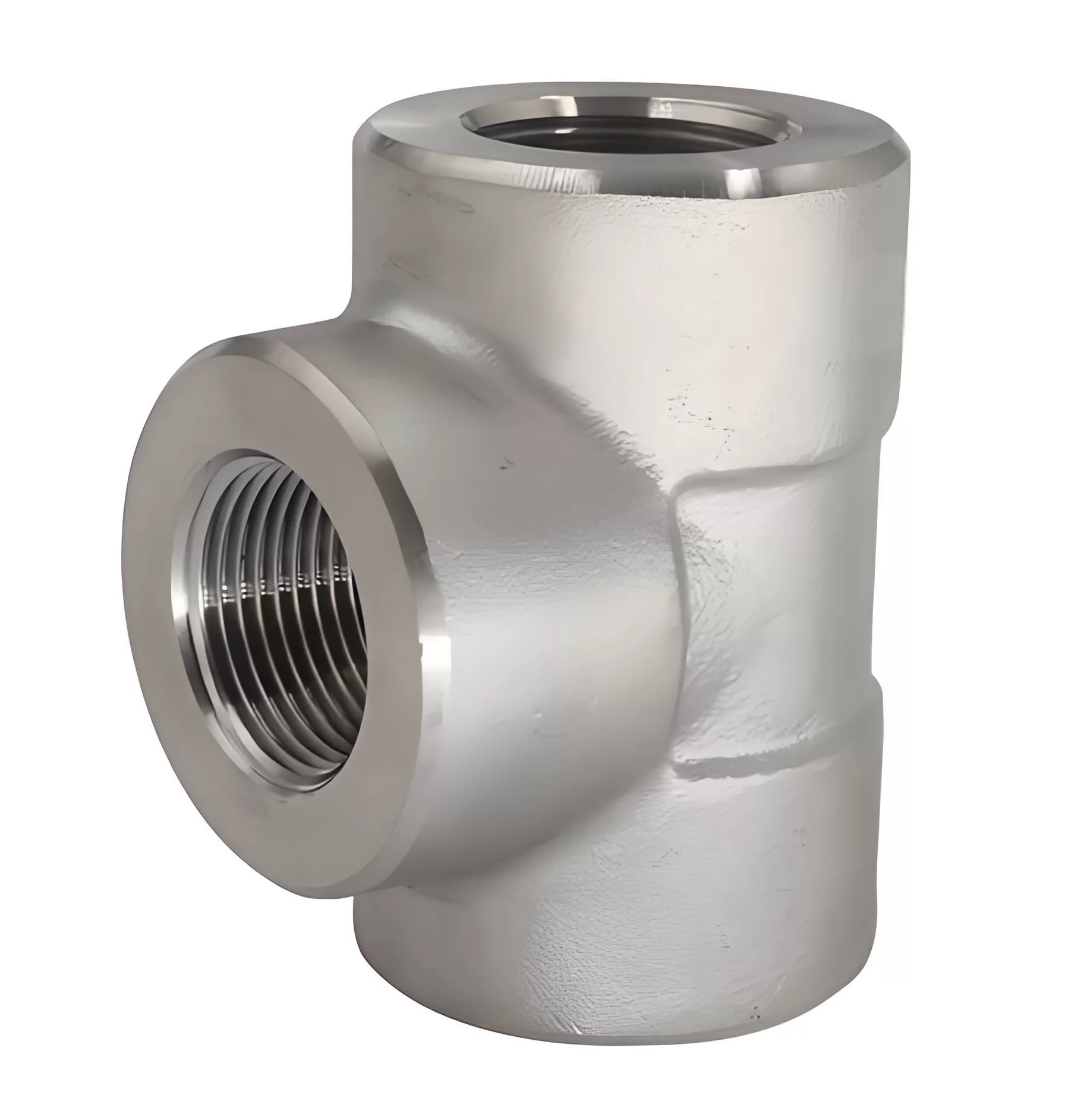
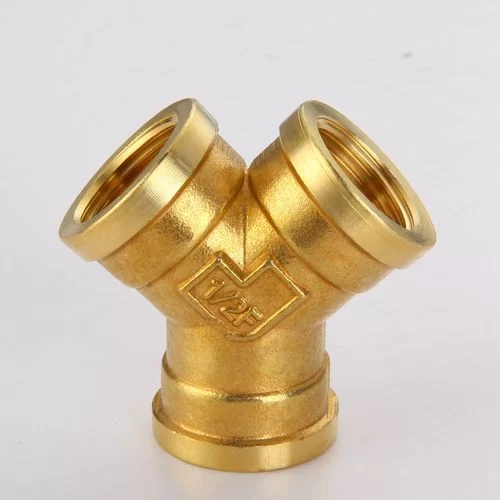
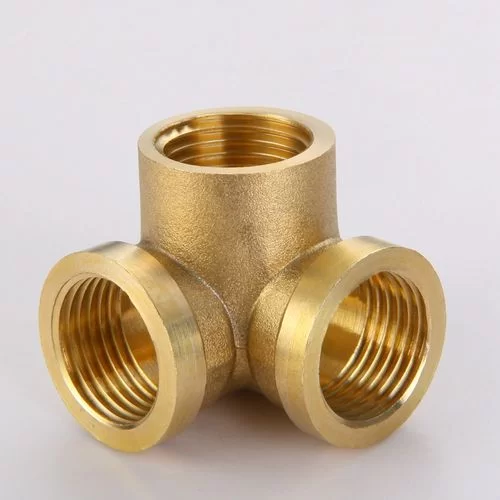
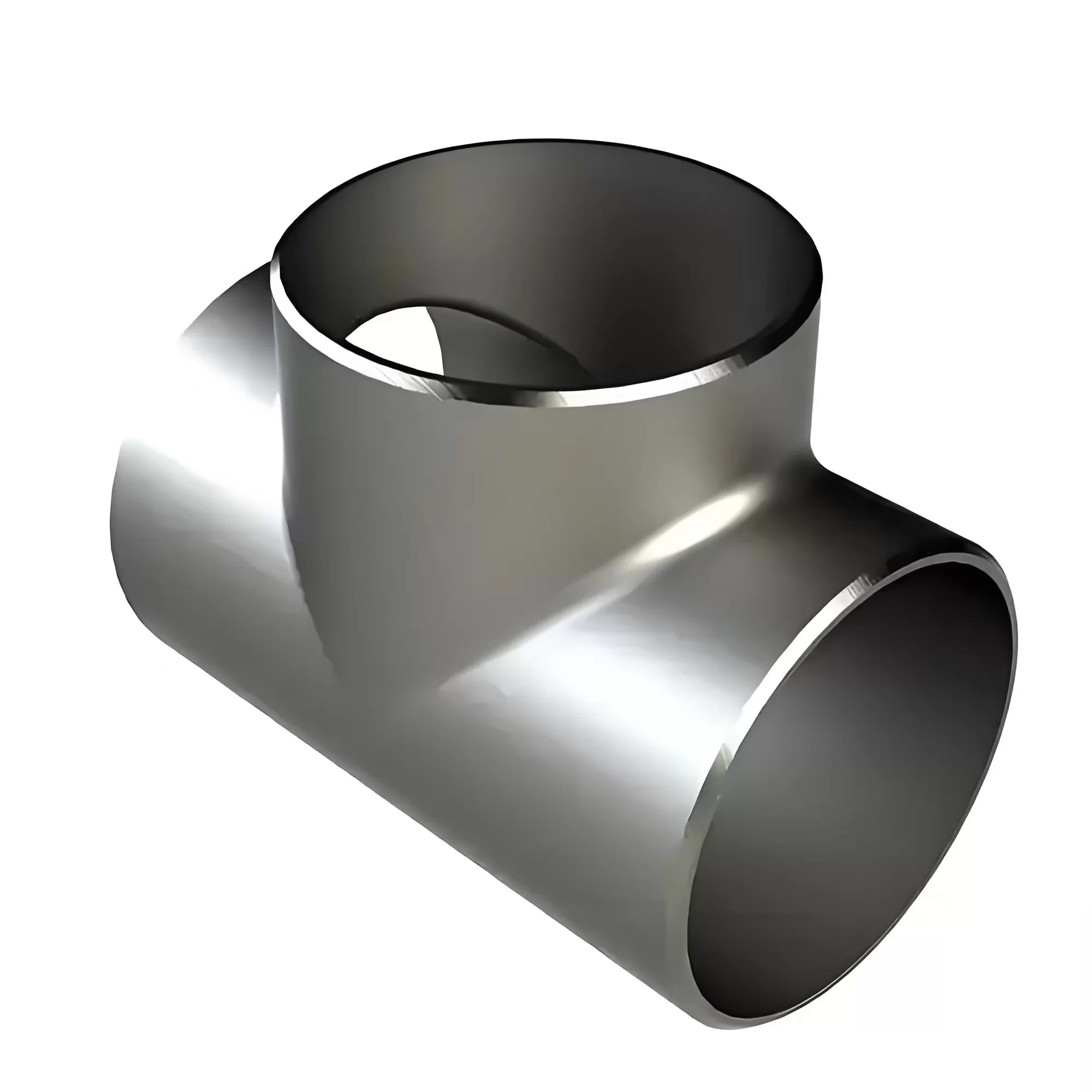
A threaded tee is a pipe fitting used in pipeline systems to split or combine fluid flow. Featuring a "T" shaped structure, it has three ports: one main port (usually the inlet) and two branch ports (usually the outlets). The inner or outer walls of the ports are processed with standard threads, enabling secure connection with pipes, valves, or other fittings via threaded fastening—no welding required. It offers easy installation and reliable sealing. Common materials include carbon steel, stainless steel (304/316), copper, PVC, and PPR, suitable for transporting various media such as water, gas, oil, and corrosive fluids.
I. Product Definition & Structure
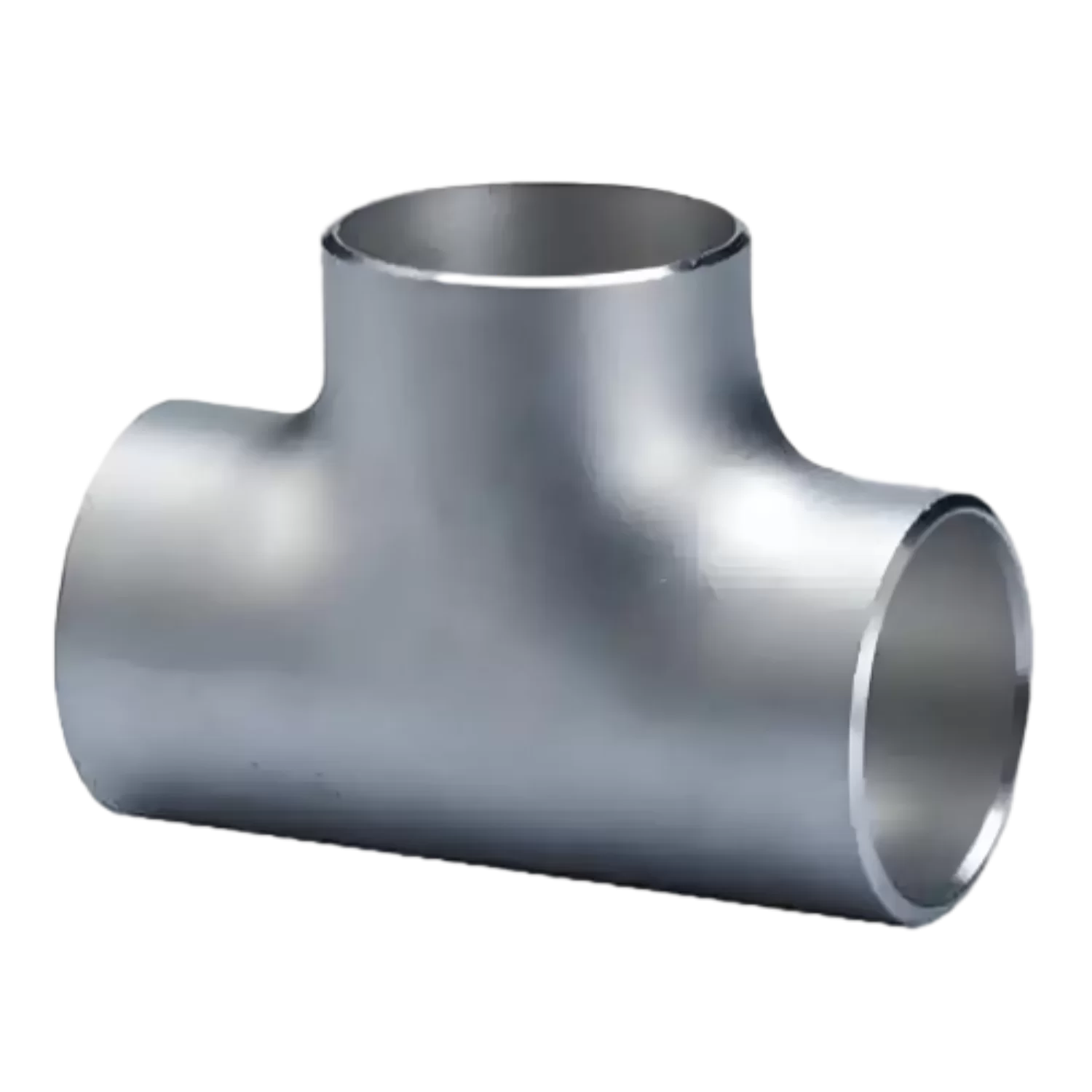
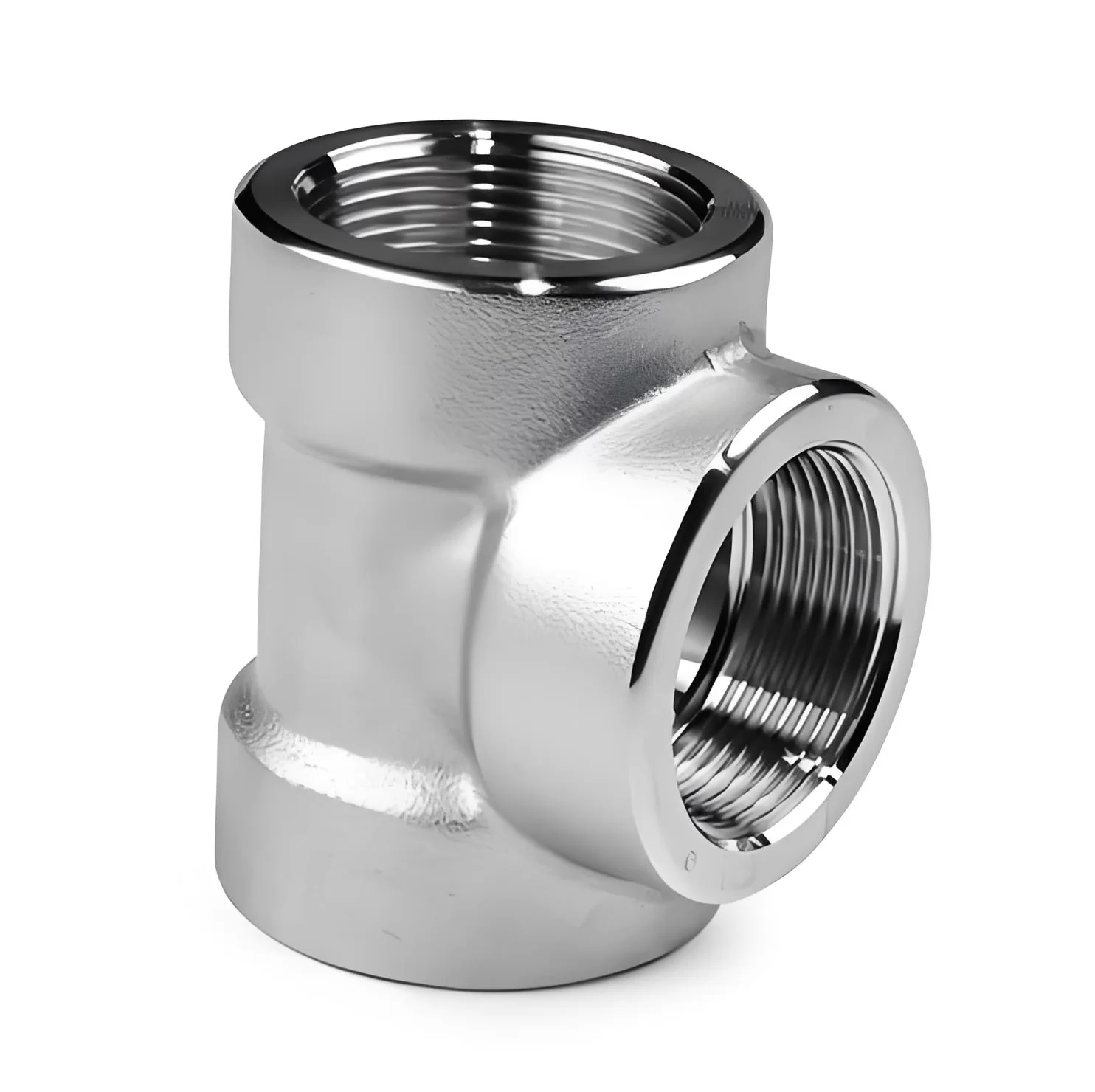
A threaded tee is a pipe fitting used in pipeline systems to split or combine fluid flow. Featuring a "T" shaped structure, it has three ports: one main port (usually the inlet) and two branch ports (usually the outlets). The inner or outer walls of the ports are processed with standard threads, enabling secure connection with pipes, valves, or other fittings via threaded fastening—no welding required. It offers easy installation and reliable sealing. Common materials include carbon steel, stainless steel (304/316), copper, PVC, and PPR, suitable for transporting various media such as water, gas, oil, and corrosive fluids.
II. Core Functions & Advantages
1. Flow Splitting & Combining: The "T" structure realizes splitting one fluid path into two or merging two paths into one, meeting the layout requirements of complex pipeline systems. Widely used in water supply and drainage, HVAC, chemical, petroleum, natural gas, and other fields.
2. Threaded Connection Features: Adopts standardized threads (e.g., NPT, G thread, PT thread). During connection, mechanical engagement between threads combined with thread seal tape/sealant ensures sealing. Flexible installation and disassembly facilitate later maintenance and pipeline modification, especially suitable for scenarios where welding is not advisable (e.g., flammable and explosive environments, thin-walled pipes).
3. Material Adaptability: Select materials based on medium properties:
●Stainless steel tees: Excellent corrosion resistance, suitable for chemical, food, and pharmaceutical industries;
●Carbon steel tees: High strength and low cost, suitable for conventional water and gas transmission;
●Plastic tees (PVC/PPR): Lightweight and acid-alkali resistant, commonly used in civil building water supply and drainage systems.
4. Structural Stability: The main body is manufactured via one-piece molding or forging process, ensuring fitting strength and pressure-bearing capacity to meet the pressure rating requirements of different pipeline systems.
III. Key Parameters & Specifications
1. Size Range: Nominal Diameter (DN) typically ranges from DN15 (1/2 inch) to DN300 (12 inches). Both equal tees (all three ports with the same diameter) and reducing tees (main port and branch ports with different diameters, e.g., DN50×DN40×DN50) are available to meet different flow distribution needs.
2. Thread Standards: Common thread types include American Standard NPT (National Pipe Tapered Thread), British Standard G (BSPP, British Standard Pipe Parallel), Japanese Standard PT (BSPT, British Standard Pipe Tapered), etc. Must match the thread standard of the pipeline system to ensure connection sealing and versatility.
3. Pressure Rating: Corresponding to different working pressure scenarios based on material and manufacturing process. For high-pressure applications, forged or seamless tees should be selected.
4. Temperature Range: Operating temperature depends on material:
●Plastic tees: Typically -20℃~100℃;
●Metal tees (carbon steel, stainless steel): Can withstand -200℃~600℃.
Material selection must align with medium temperature.
5. Material Properties:
●Carbon steel: ASTM A105 (ambient temperature), A350 LF2 (low temperature), A694 series (line pipe steel);
●Stainless steel: ASTM A182 F304/304L, F316/316L, F310S, F904L, etc., with excellent corrosion resistance;
●Alloy steel: ASTM A182 F11, F12, F22, F91, etc., suitable for high-temperature and high-pressure working conditions;
●Duplex steel: ASTM A182 F51, F53, F55, balancing strength and corrosion resistance, ideal for harsh environments.
6. Executive Standards: ASME B16.11, ANSI/ASME B1.20.1.
IV. Application Scenarios
1. Building Water Supply & Drainage: Used for cold and hot water pipeline splitting in residential and commercial buildings.
2. Industrial Piping Systems: Applied for process fluid splitting or combining in chemical, petroleum, and power industries.
3. Municipal Engineering: Node connections in urban tap water, gas, and heating pipeline networks to realize regional pipeline branch distribution.
4. Equipment Matching: Serves as a pipeline connector for mechanical equipment and instruments.
As a key connector in pipeline systems, threaded tees are indispensable in various industrial pipeline projects due to their easy installation, strong adaptability, and stable structure. During selection, factors such as medium, pressure, and size must be comprehensively considered to ensure the safe and efficient operation of the pipeline system.
Dec 02,25
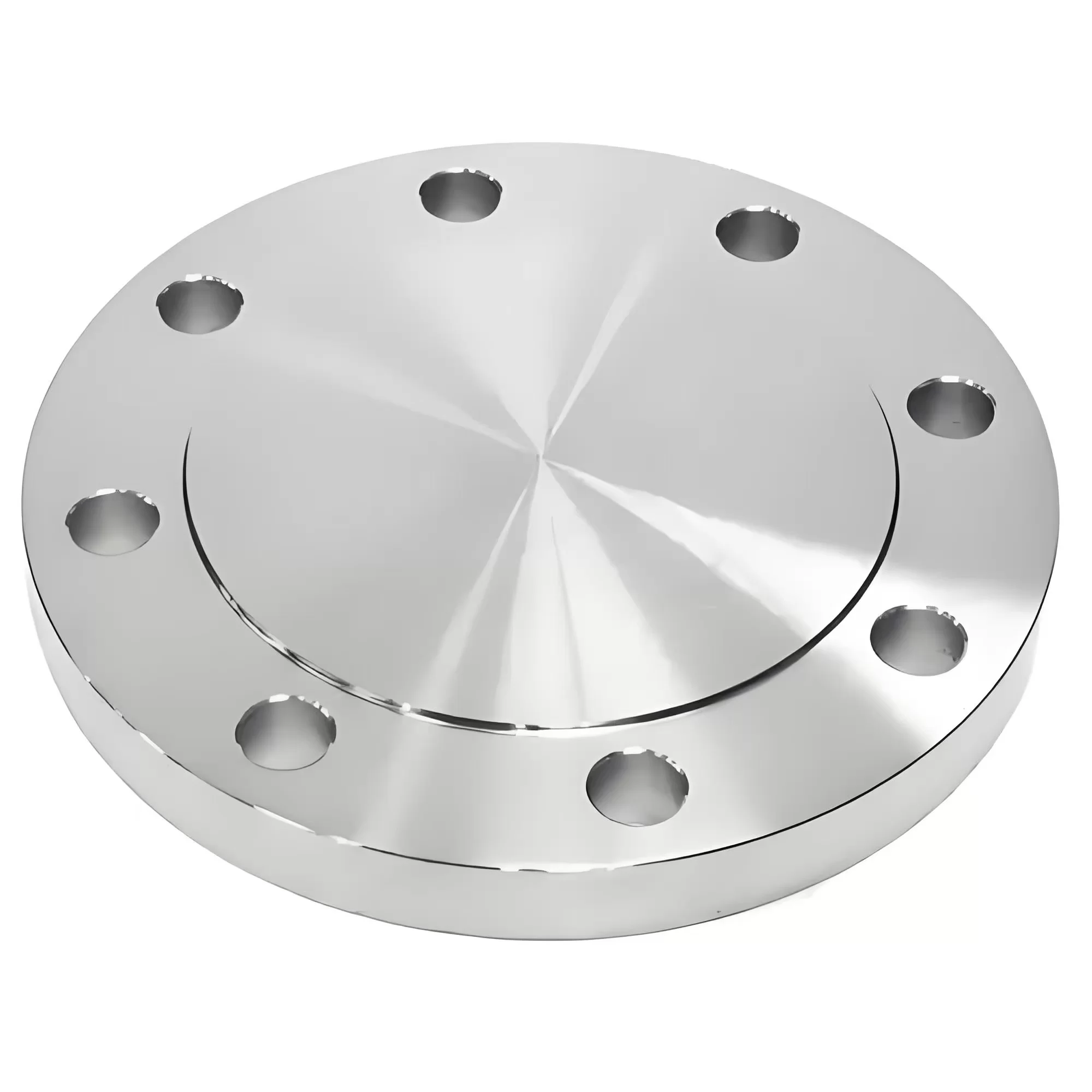
Corrosion-Resistant Flanges For Chemical And Marine Industries
Flanges are indispensable components in piping systems, serving as the critical junctions that allow for connections, maintenance, and isolation of flow.
Dec 02,25
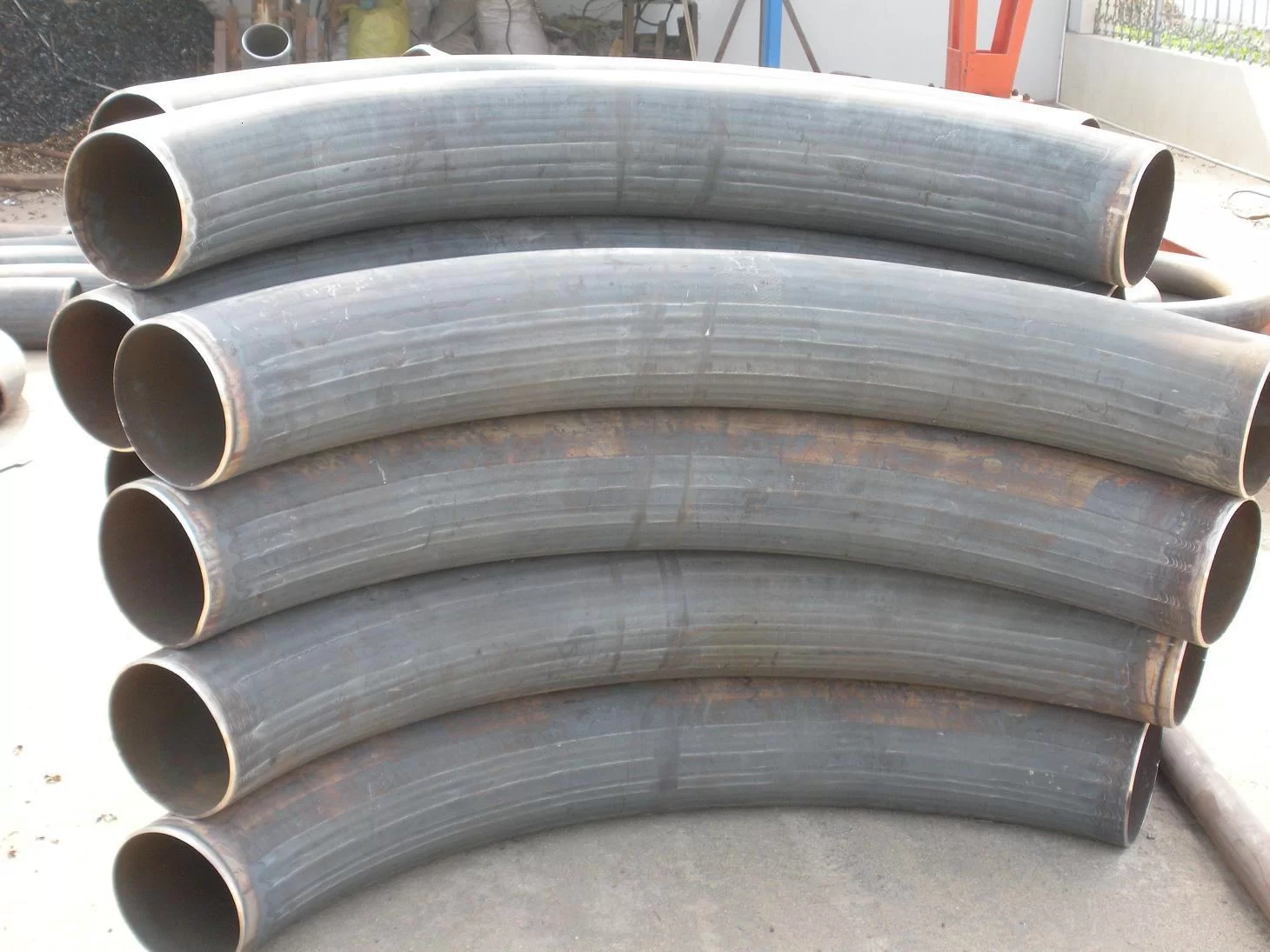
Characteristics And Common Applications Of Carbon Steel Bending Pipe
The use of bent piping is an essential practice in industrial construction, allowing fluid transfer lines to navigate complex routes, compensate for thermal expansion, and eliminate the need for numerous welded elbow fittings.
Dec 02,25
The Core Role Of The Tee In Pipeline Systems
In the complex architecture of modern pipeline systems—spanning petrochemical plants, municipal waterworks, HVAC networks, and power generation facilities—the tee fitting is arguably one of the most critical and universally employed components.
SUBSCRIBE NEWSLETTER