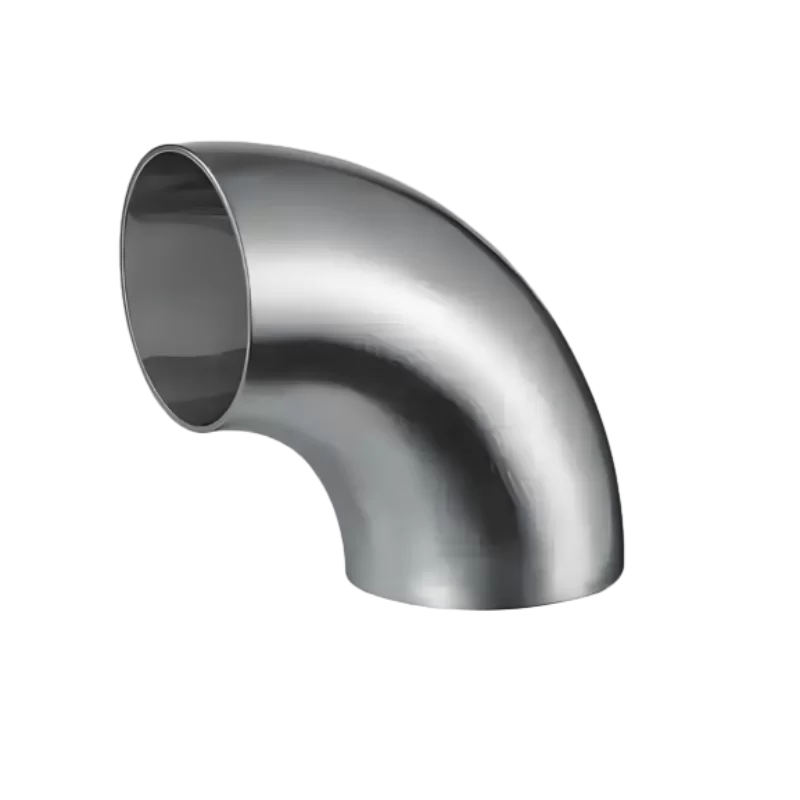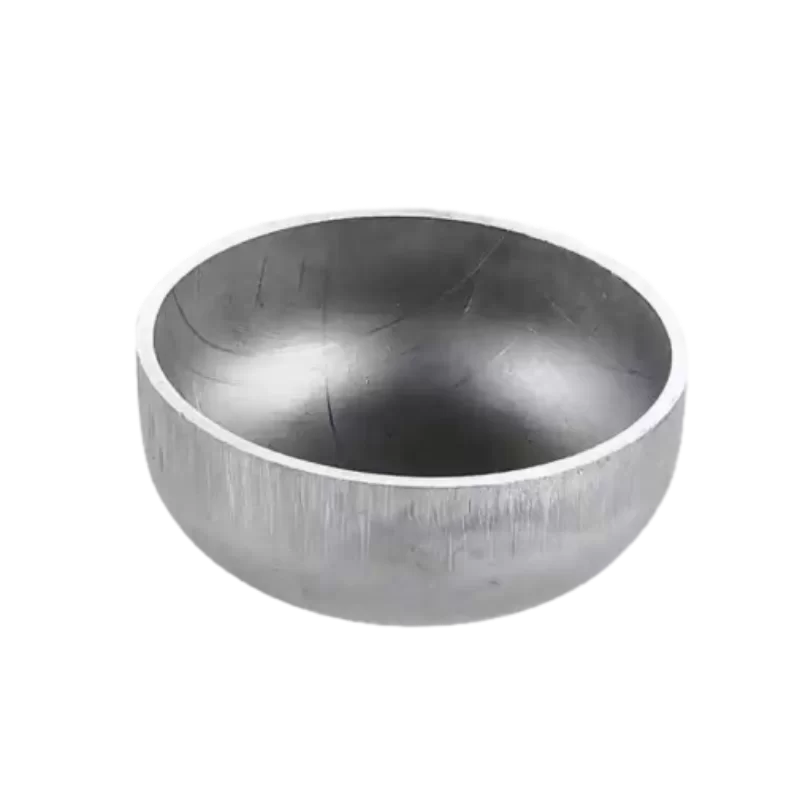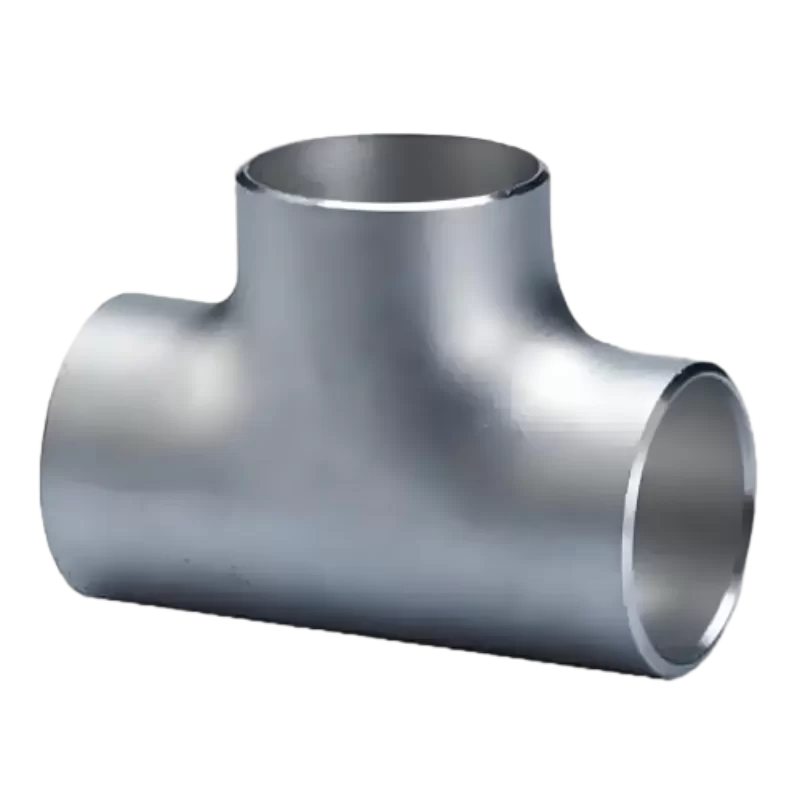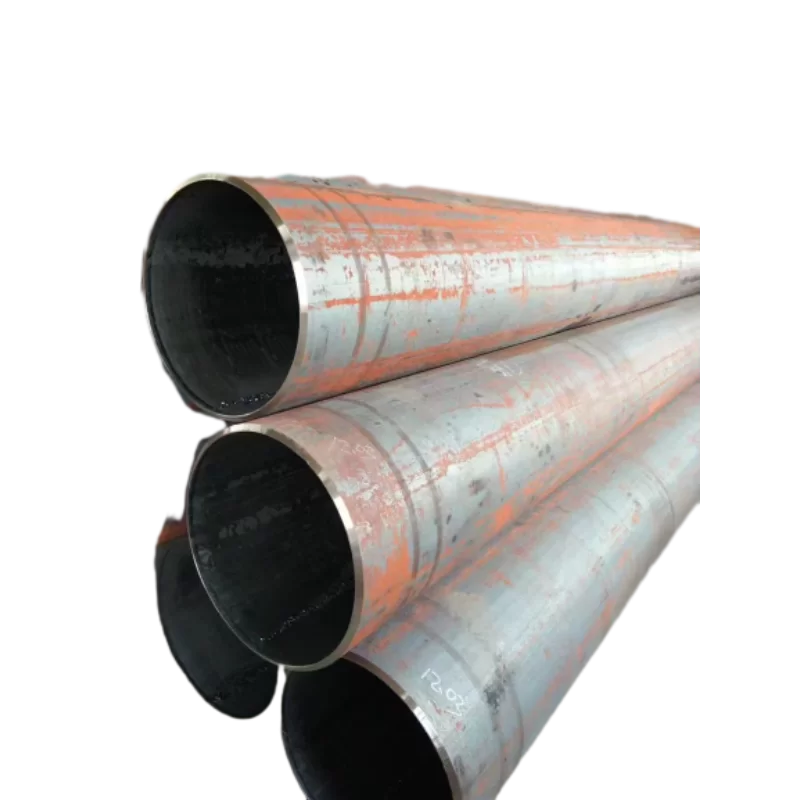
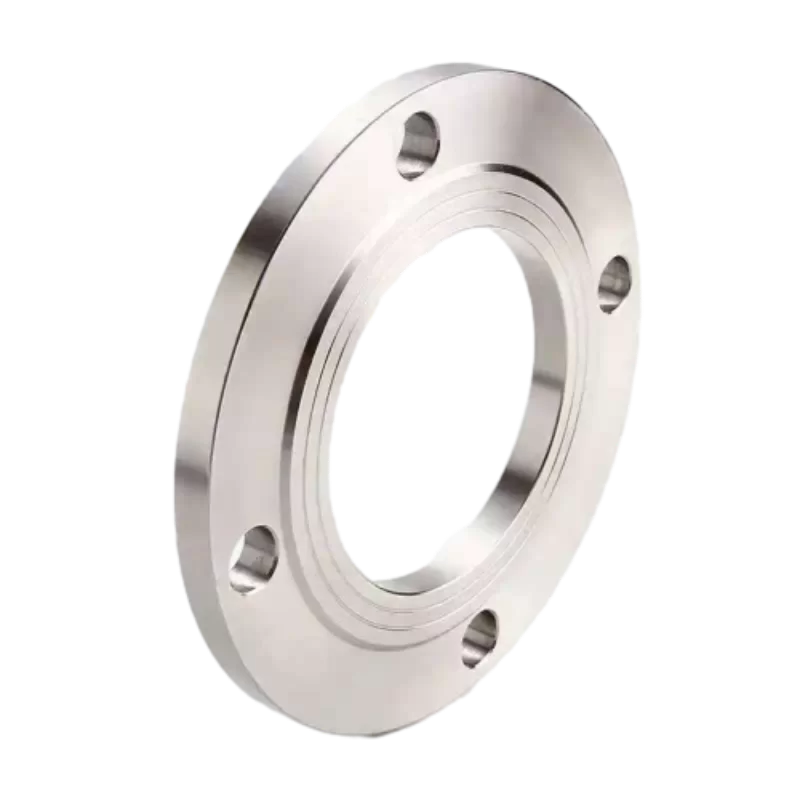
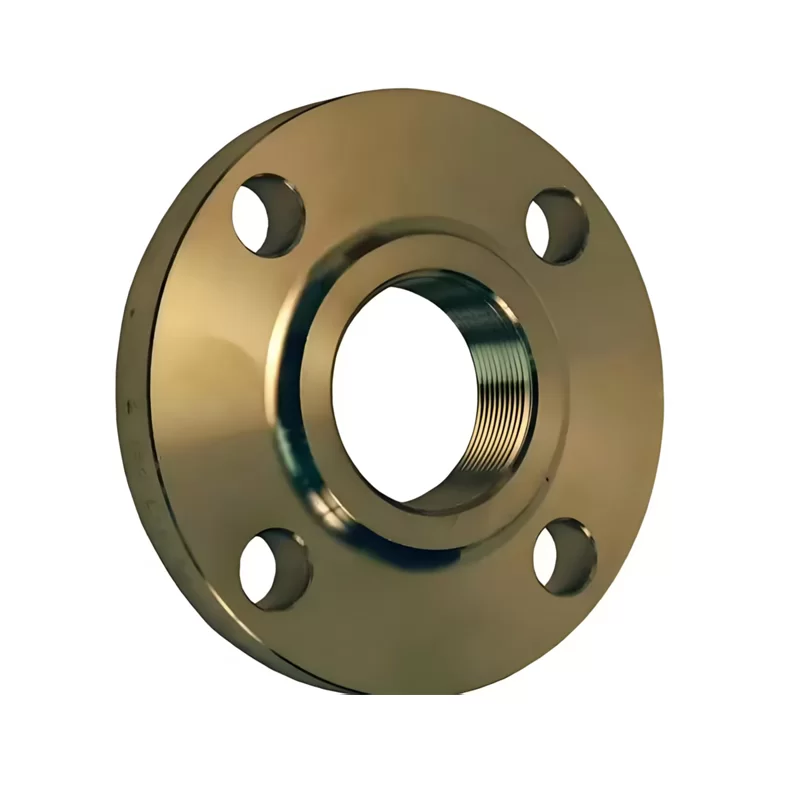
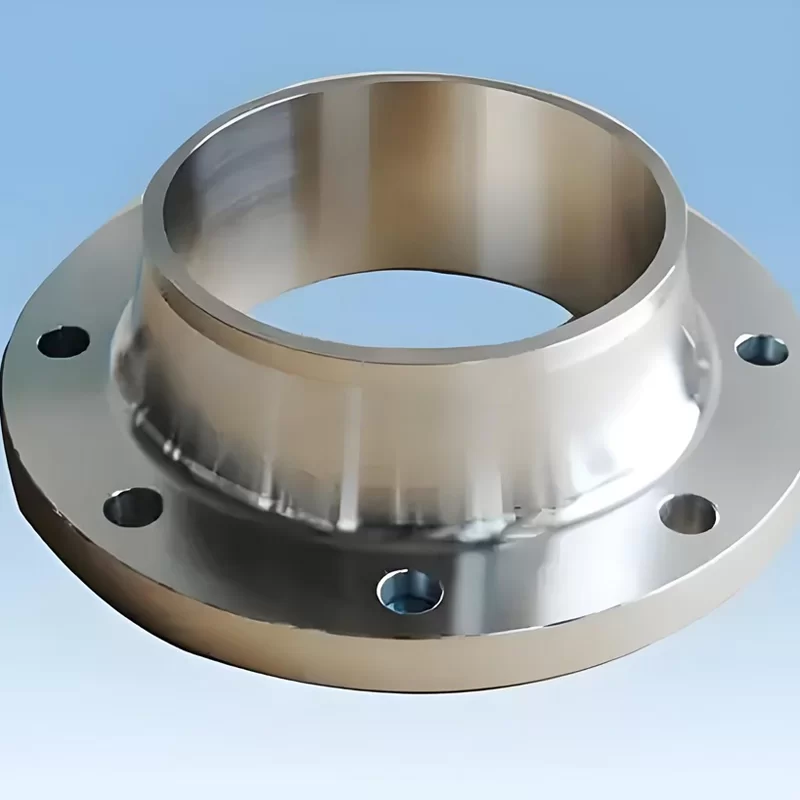
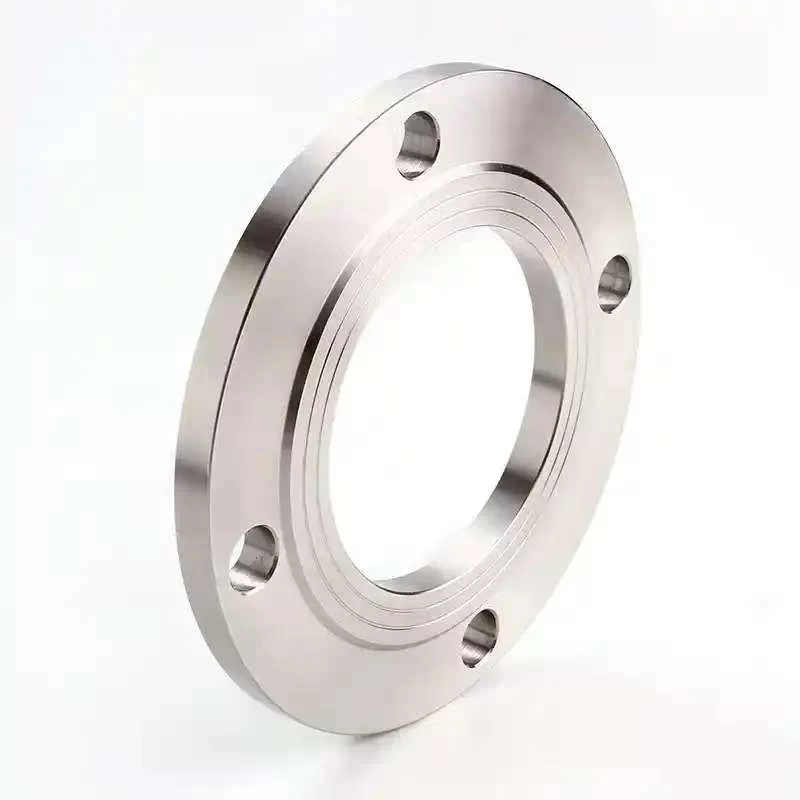
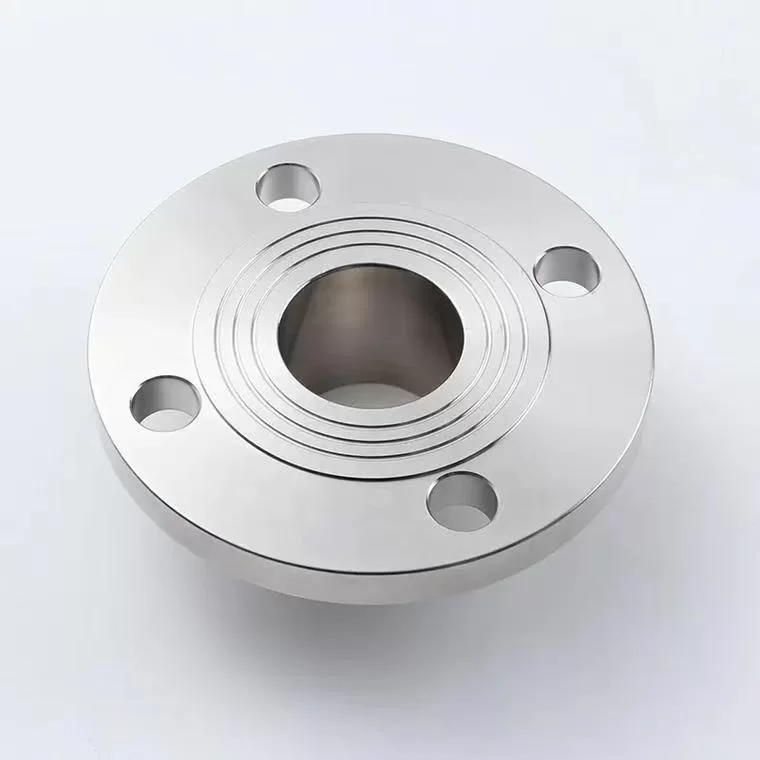
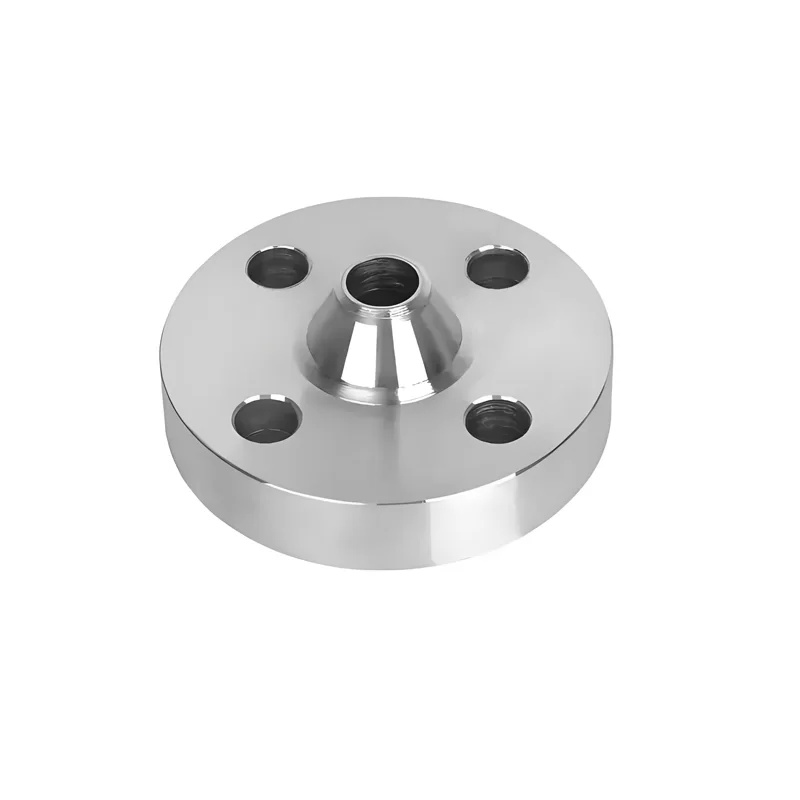
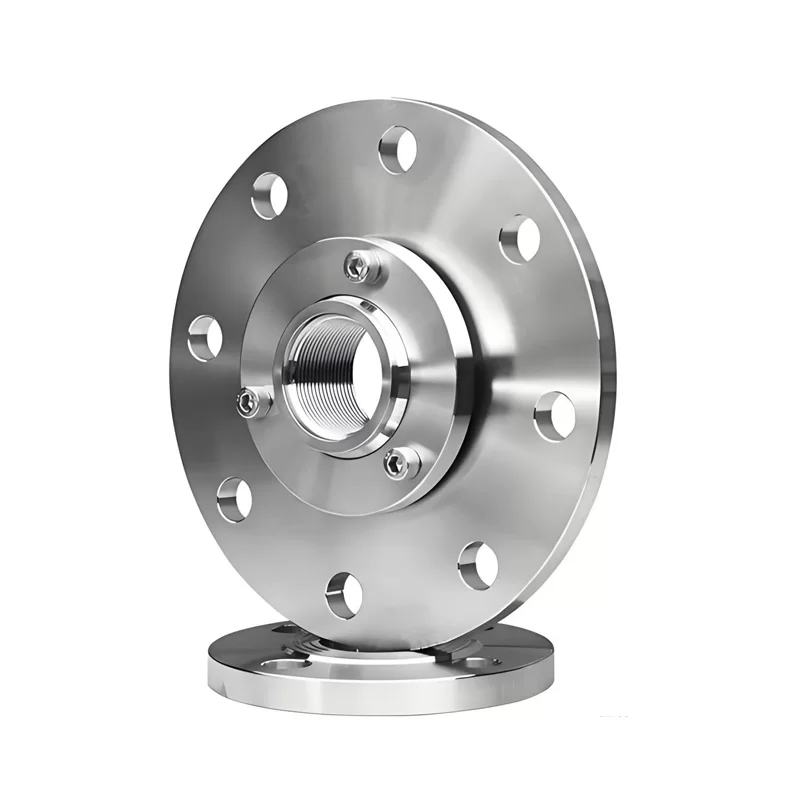
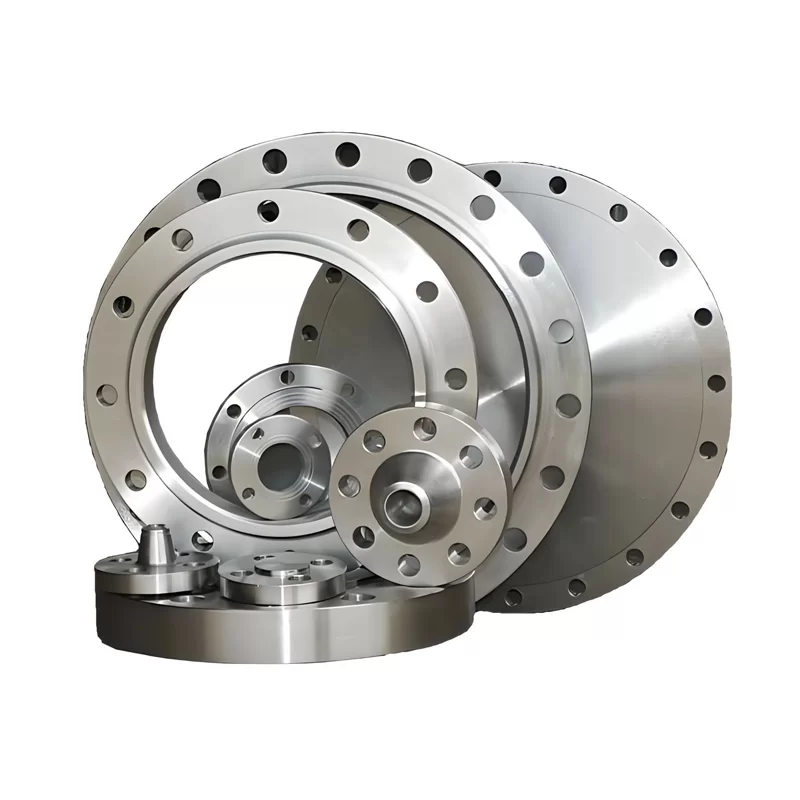
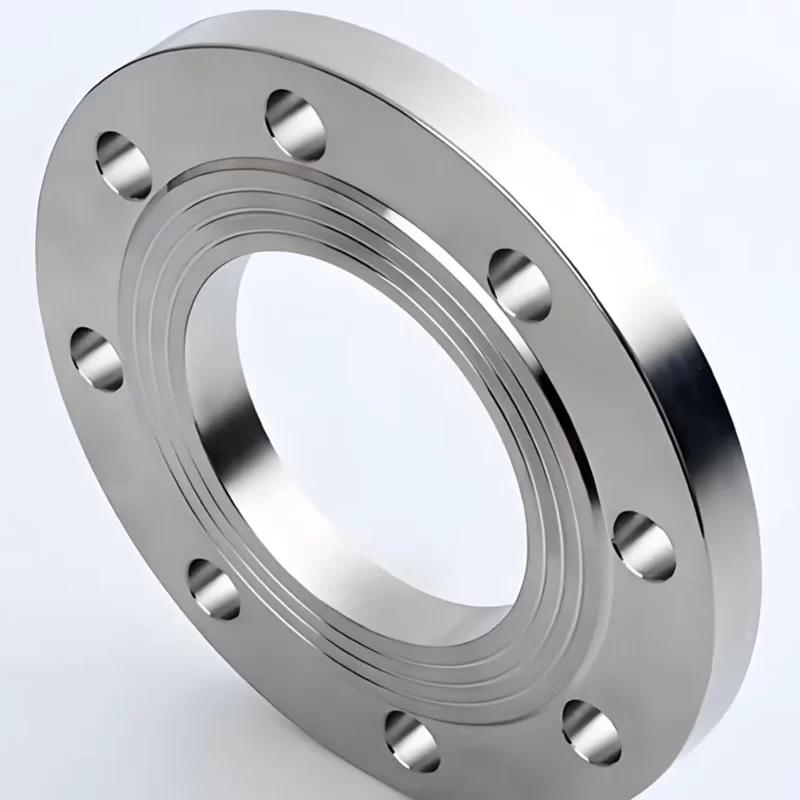
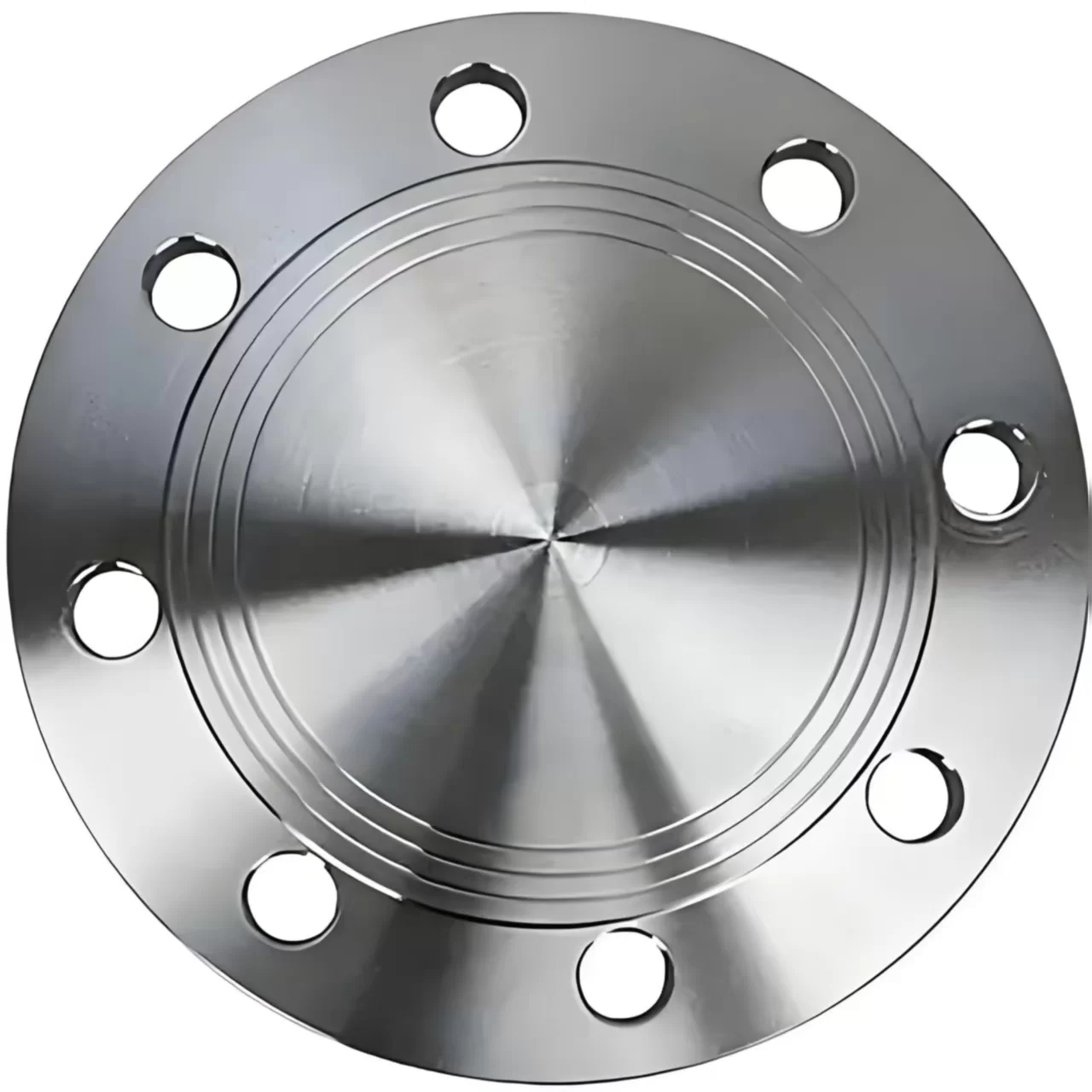
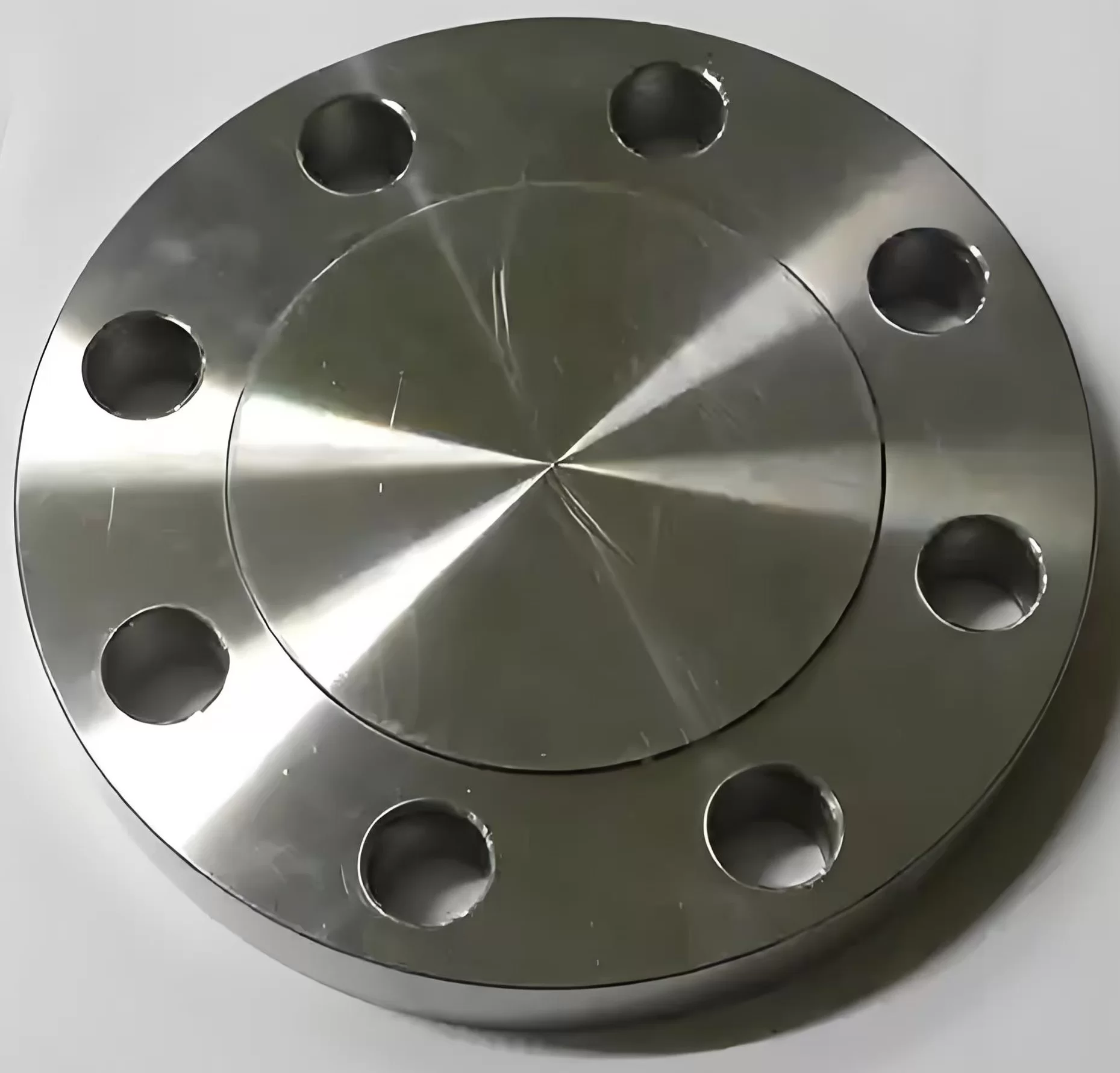
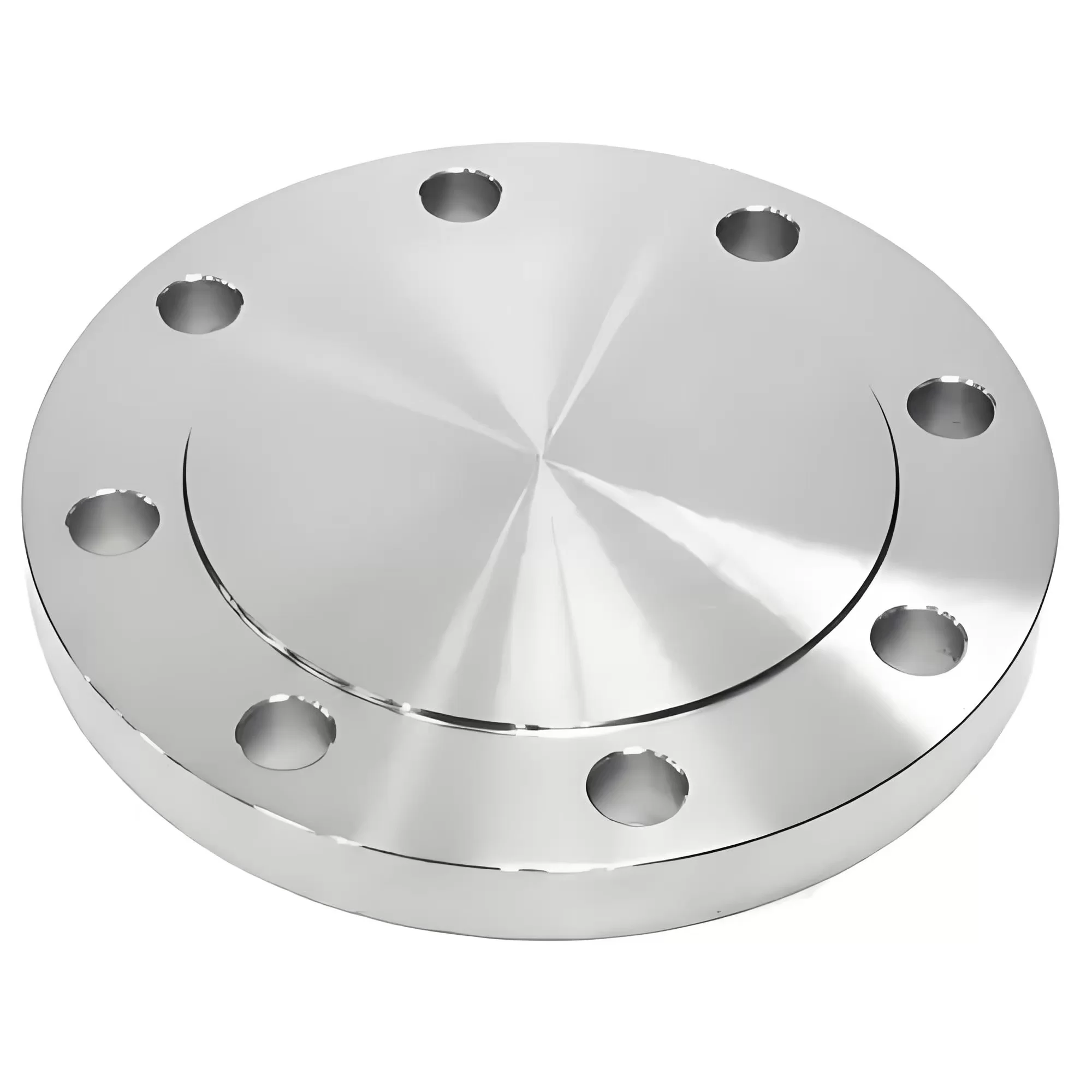
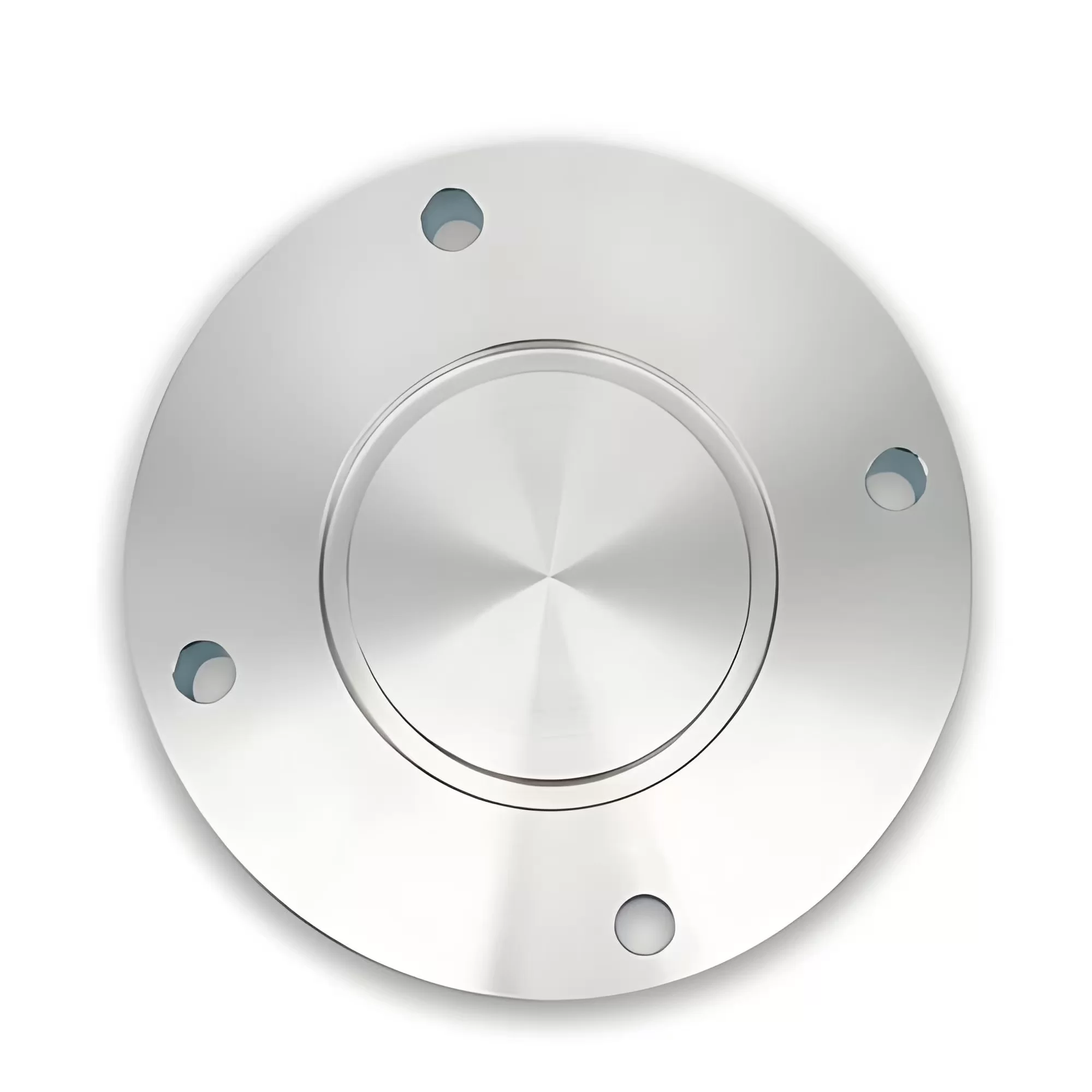
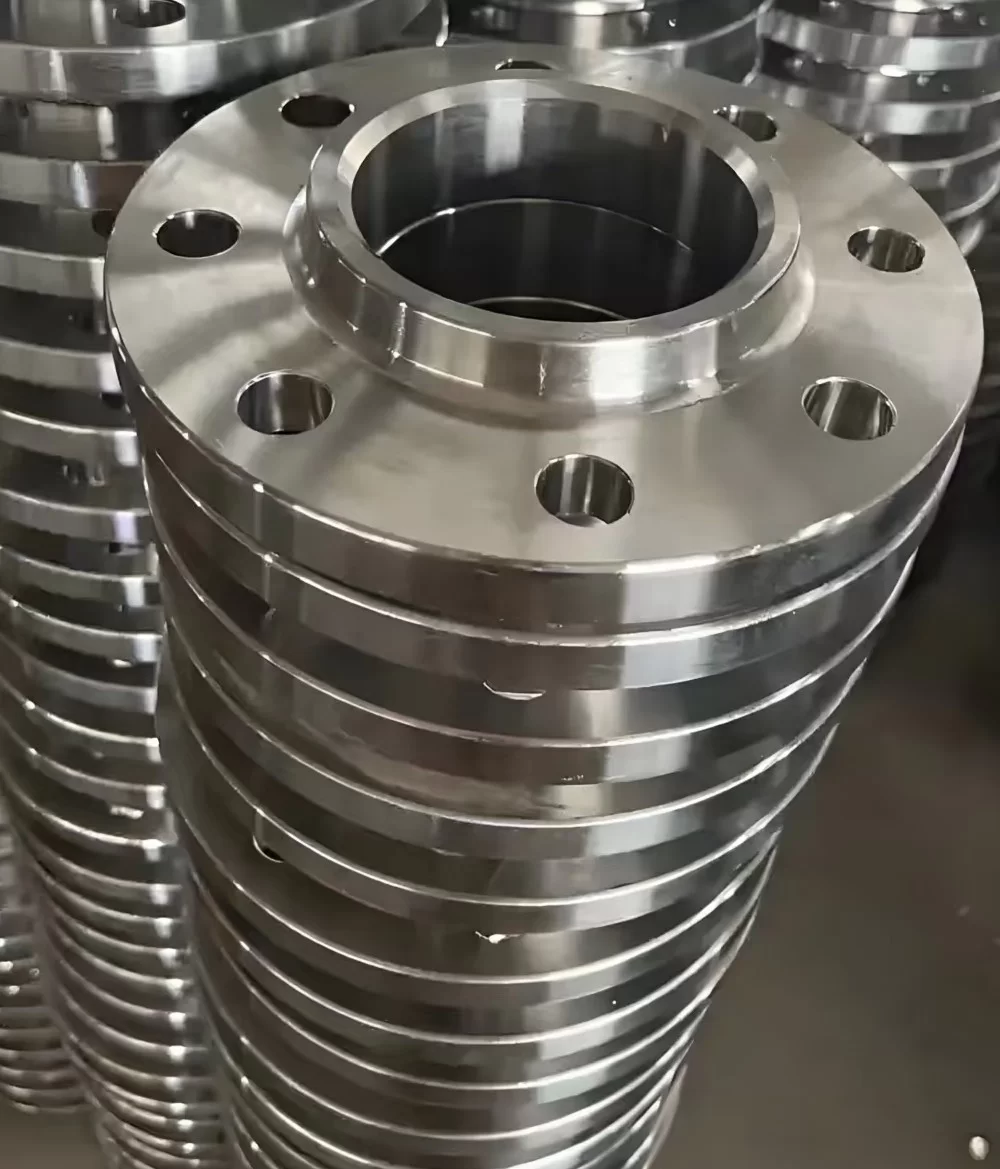
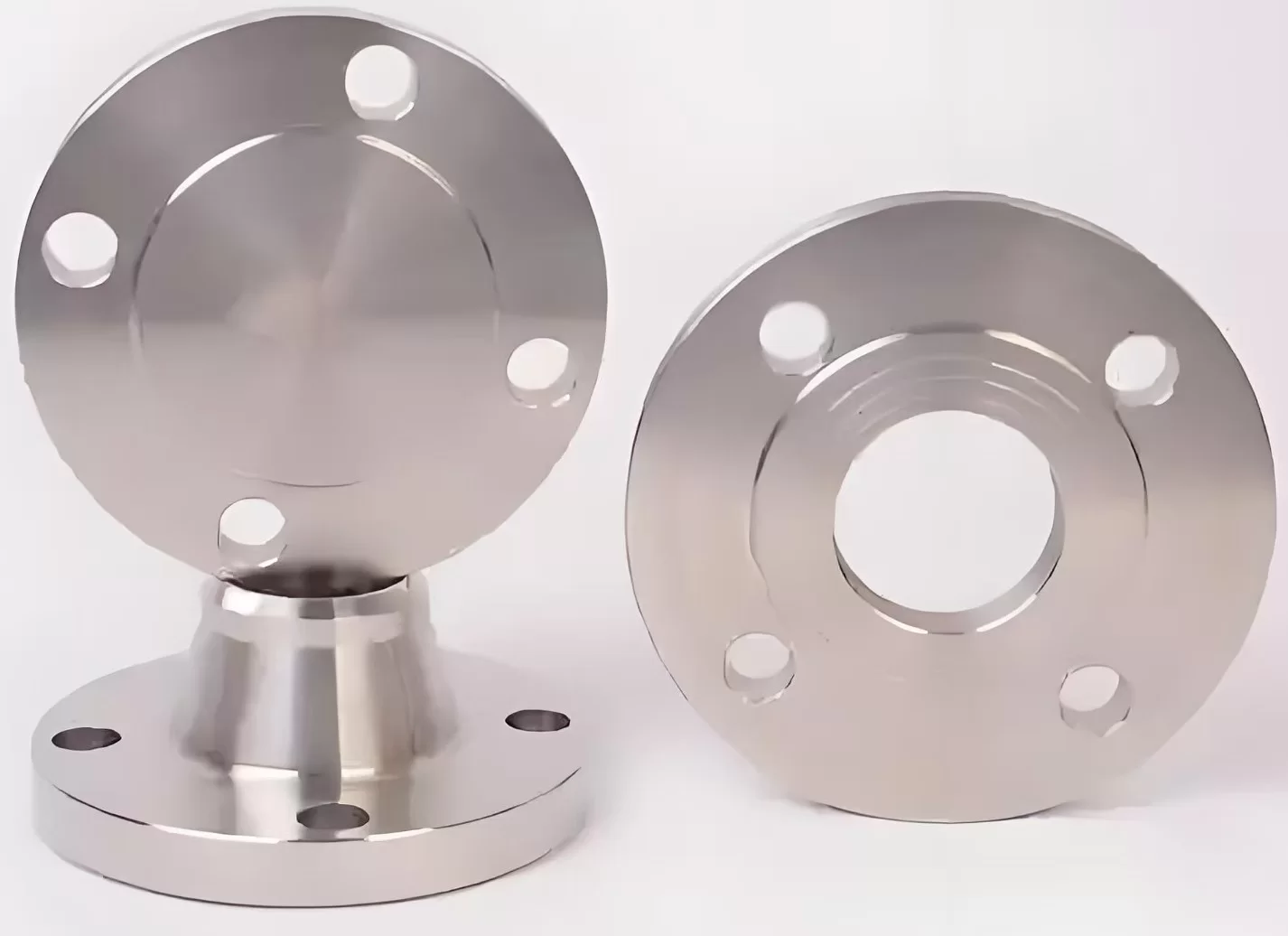
The flange, also known as a flange plate or flange collar, is a disc-shaped mechanical component designed for detachable connections between pipelines, equipment, or parts. It is used to join pipe ends and also installed at the inlets/outlets of equipment for connecting two pieces of equipment.
It forms a detachable combined sealing structure through the mutual connection of flanges, gaskets, and bolts. It facilitates installation, inspection, and maintenance, and can withstand high pressure, high temperature, and corrosive media.
Classification by Connection Method
●Threaded flange: Suitable for low-pressure pipelines (≤4MPa).
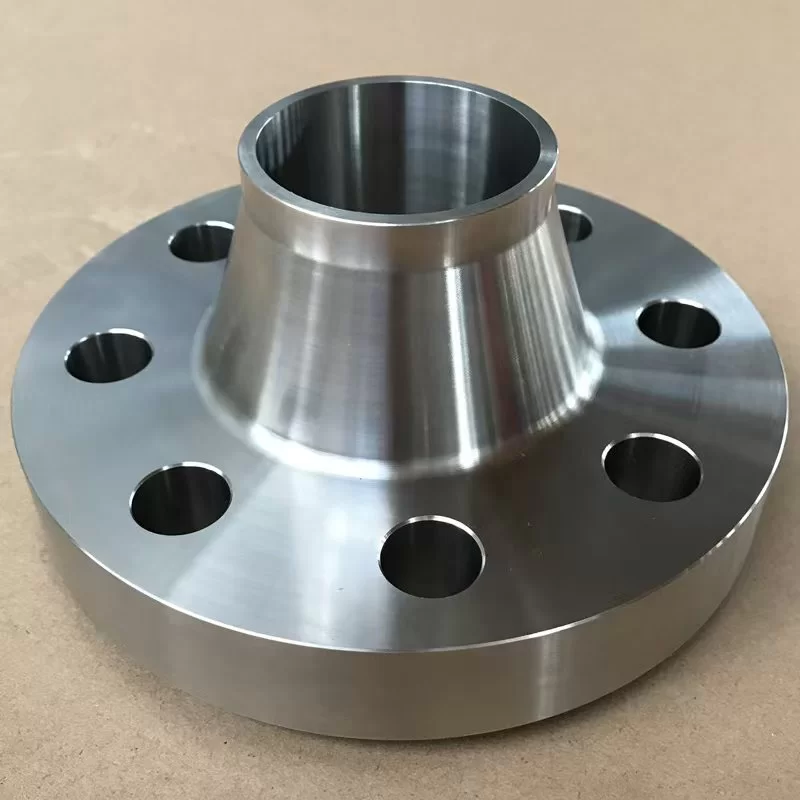
●Welded flange: Including slip-on flange (SO, pressure ≤4MPa) and weld neck flange (WN, for high-pressure and high-temperature working conditions).
●Lap joint flange: Used in corrosion-resistant environments.

Classification by Sealing Face
●Flat Face (FF): The sealing surface is a smooth plane, suitable for low-pressure and non-toxic medium applications.
●Raised Face (RF): The sealing surface is a raised flat face with a large contact area with the gasket. After pre-tightening, the gasket is prone to stretching or moving to both sides, making it suitable for low-pressure applications.
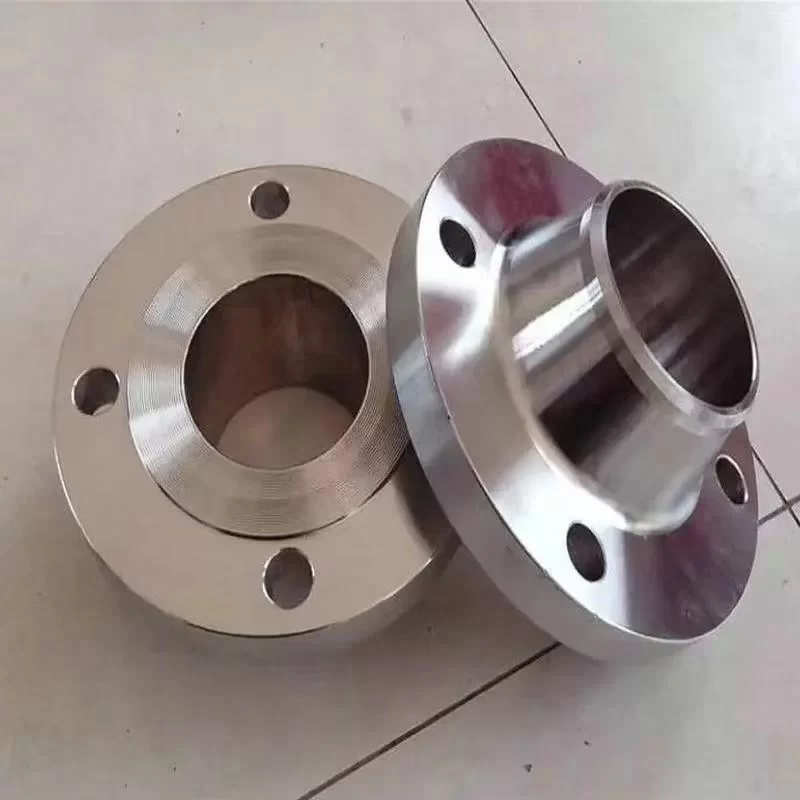
●Male-Female Face (MFM): Composed of a female face and a male face, which must be used in pairs during installation. It has better sealing performance than flat face flanges and is often used for medium-pressure pipeline connections.
●Tongue-and-Groove Face (TG): The sealing surface consists of a tongue and a groove, providing excellent sealing performance. It is generally used for connections involving flammable, explosive, toxic media, and high-pressure pipelines.
●Ring Joint Face (RJ): An annular trapezoidal groove is machined on the raised face of the flange as the sealing surface, which is matched with an octagonal or elliptical solid metal gasket. It has superior sealing performance and is suitable for high-temperature and high-pressure working conditions, but requires high precision in sealing processing.
Classification by Structure
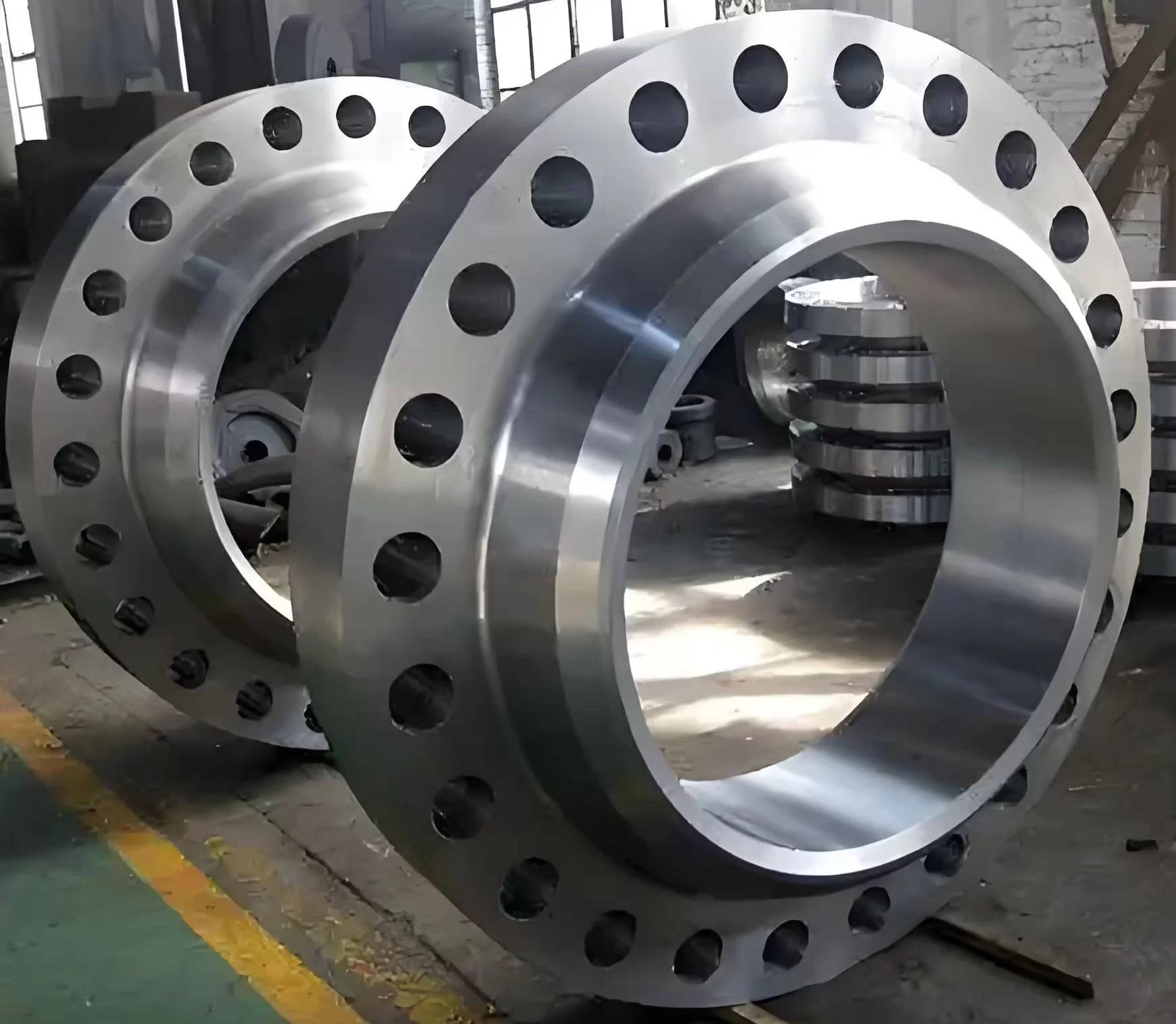
●Integral flange: High rigidity, used for high-pressure equipment.
●Loose flange: Easy to disassemble and maintain.
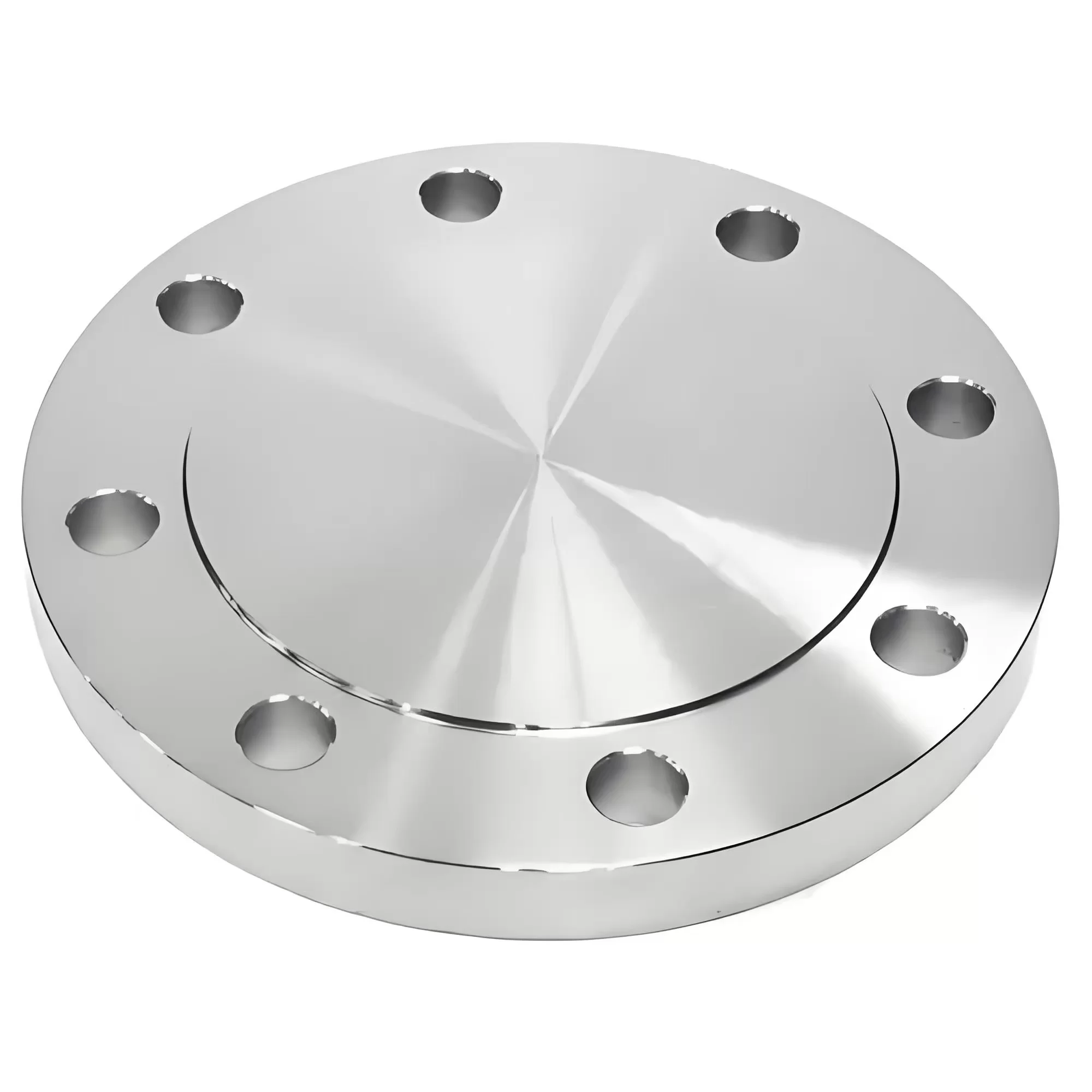
●Blind flange (blank flange): Used for plugging pipelines.
Classification by Material
●Common materials include carbon steel, stainless steel, alloy steel, etc., selected based on the corrosiveness of the medium, temperature, and pressure.
Common Standards
●American Standard (ASME), Russian Standard (GOST), Japanese Standard (JIS), German Standard (DIN), Chinese National Standard (GB), etc.
Application Fields
●Petrochemical, oil and gas exploration and transportation, electric power (thermal power/nuclear power), water treatment, shipbuilding, pharmaceutical, food processing, and other industries.
Dec 02,25
Characteristics And Common Applications Of Carbon Steel Bending Pipe
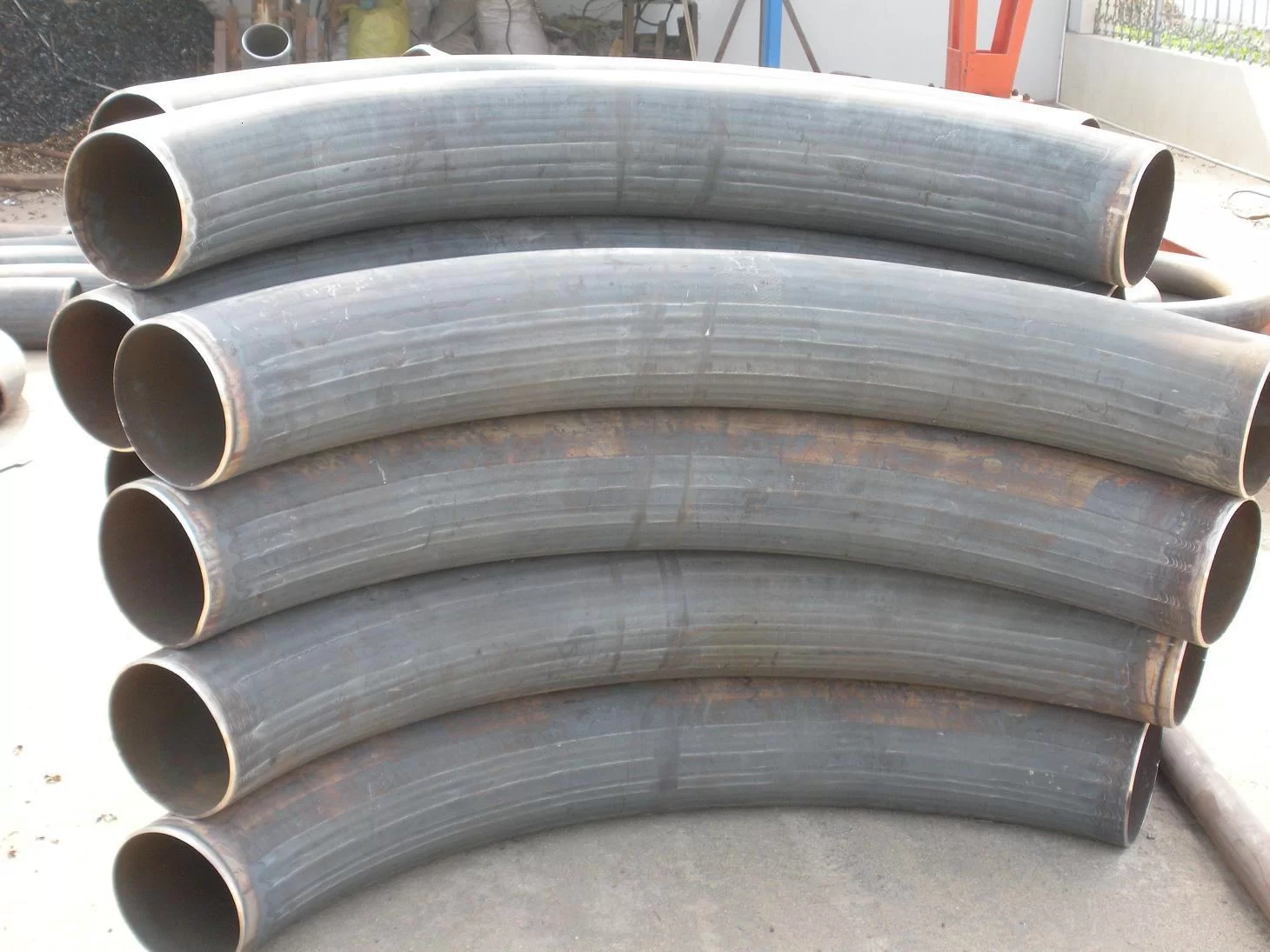
The use of bent piping is an essential practice in industrial construction, allowing fluid transfer lines to navigate complex routes, compensate for thermal expansion, and eliminate the need for numerous welded elbow fittings.
Dec 02,25
The Core Role Of The Tee In Pipeline Systems
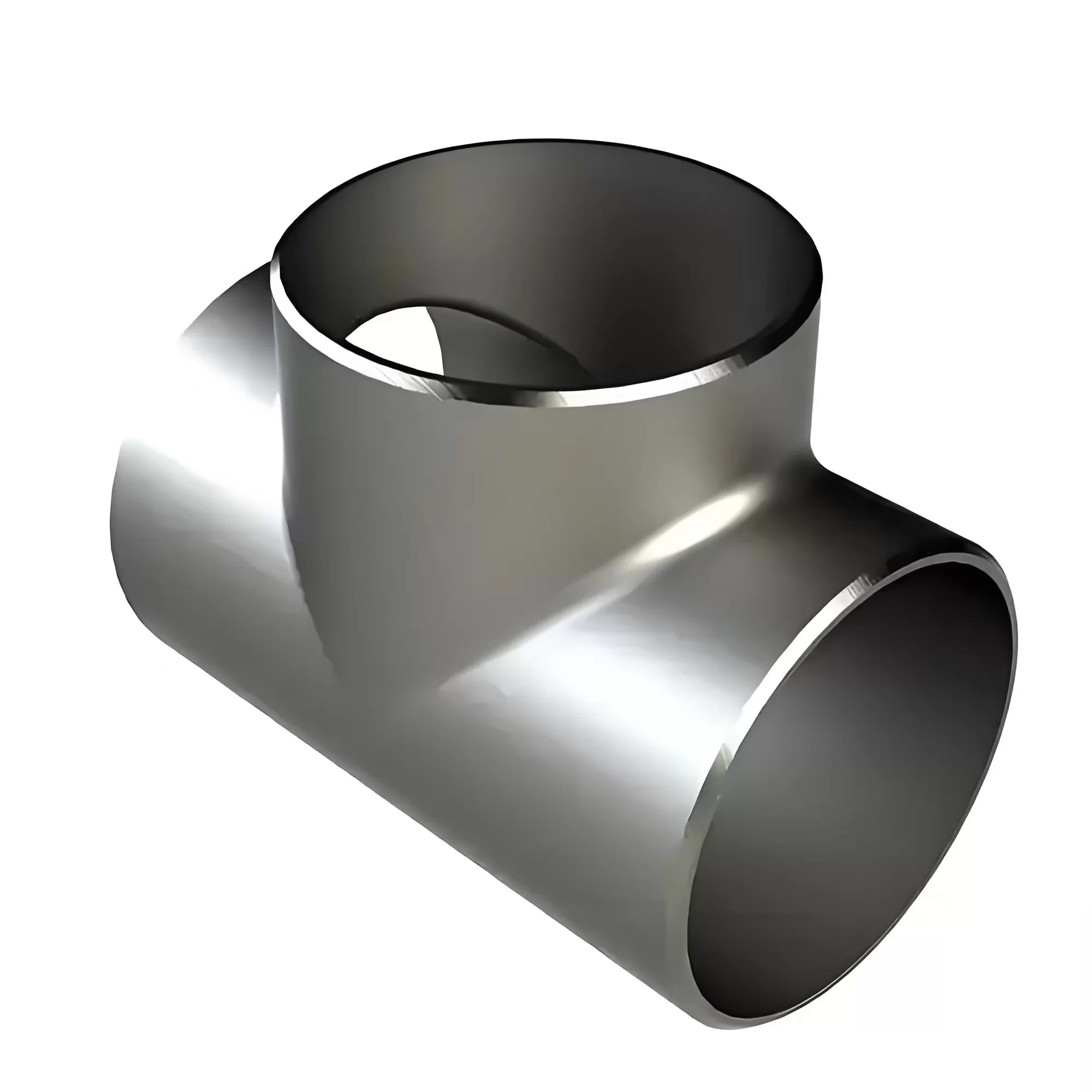
In the complex architecture of modern pipeline systems—spanning petrochemical plants, municipal waterworks, HVAC networks, and power generation facilities—the tee fitting is arguably one of the most critical and universally employed components.
Dec 02,25
Corrosion-Resistant Flanges For Chemical And Marine Industries
Flanges are indispensable components in piping systems, serving as the critical junctions that allow for connections, maintenance, and isolation of flow.
SUBSCRIBE NEWSLETTER