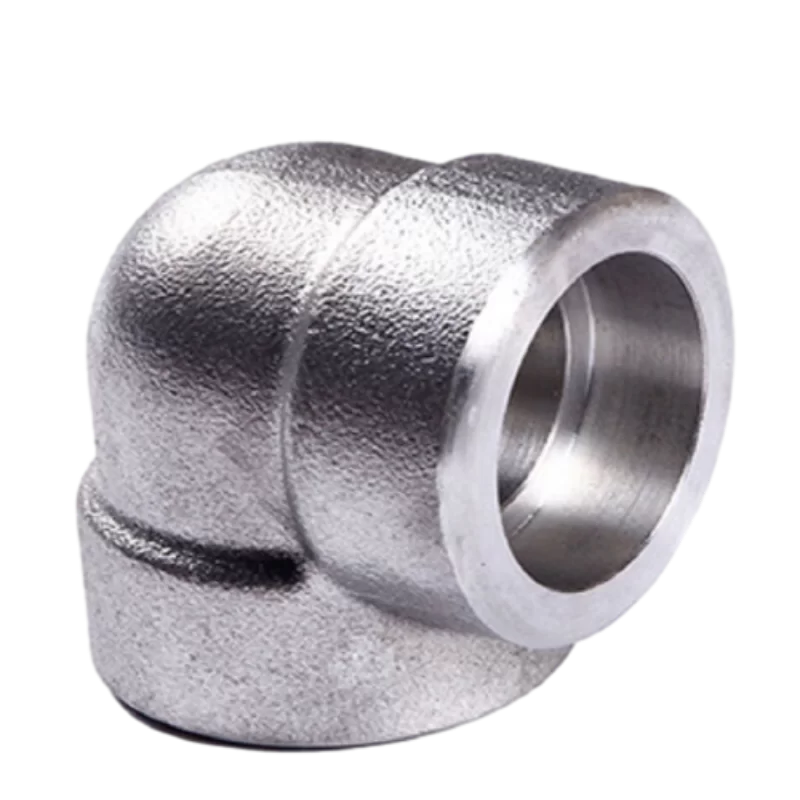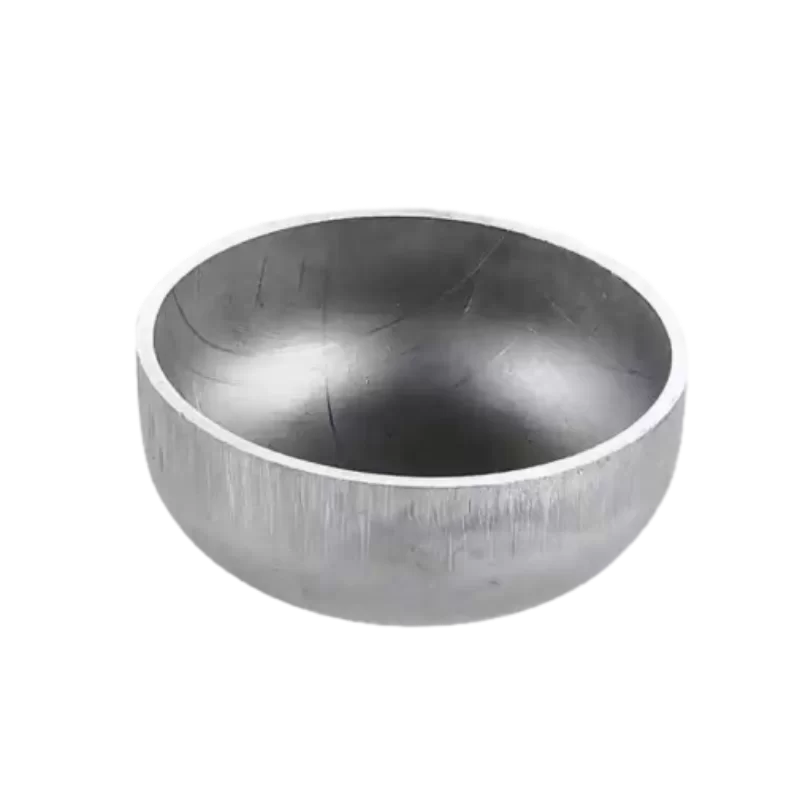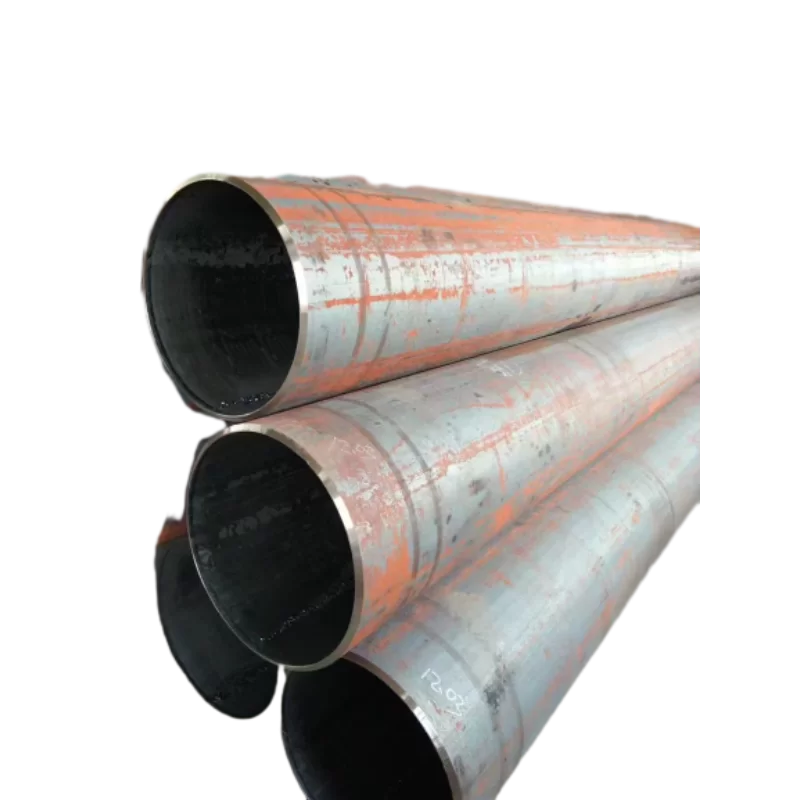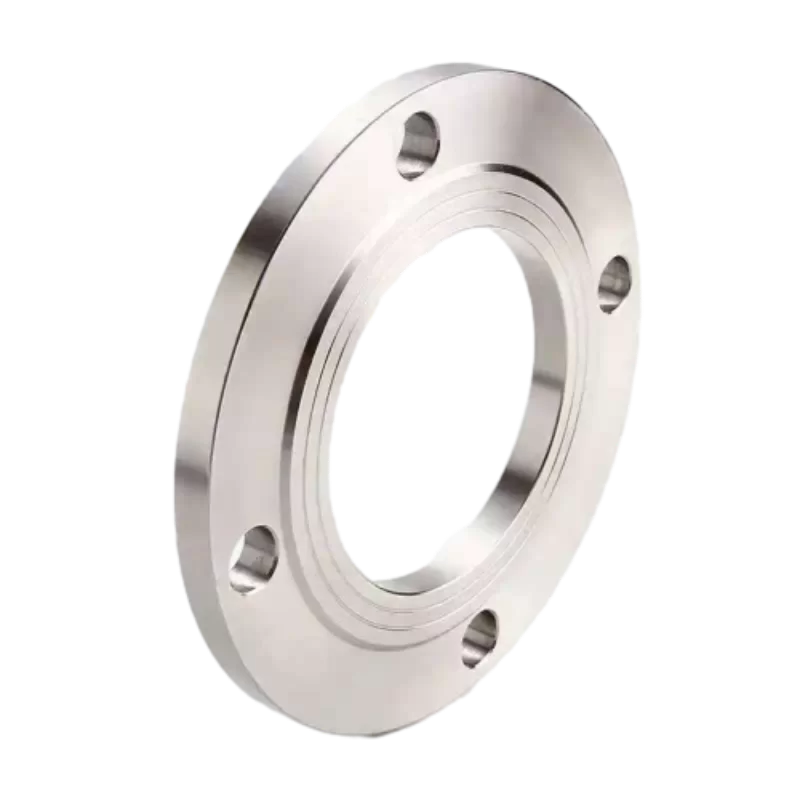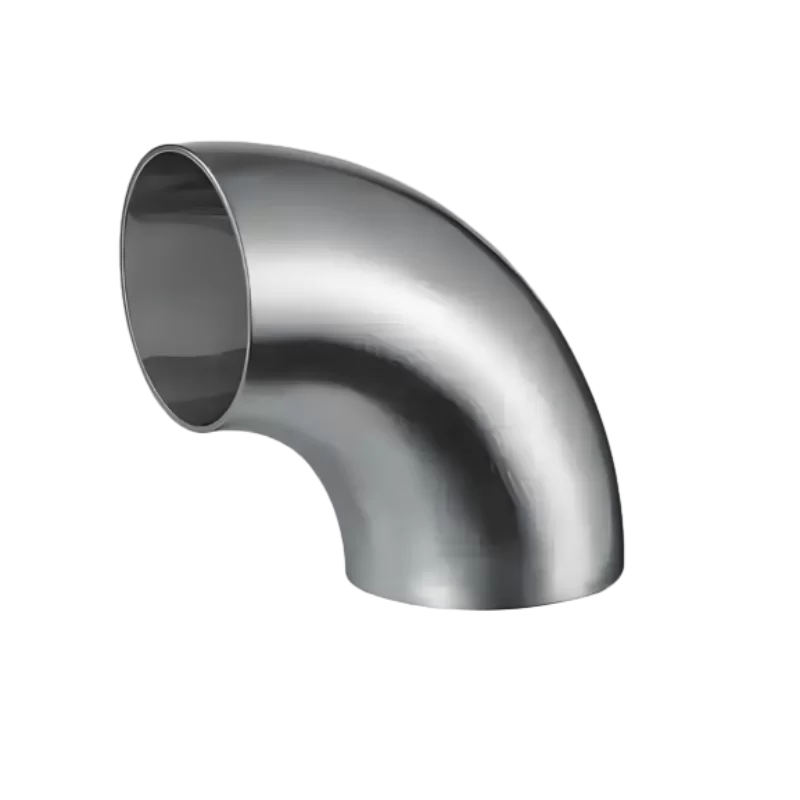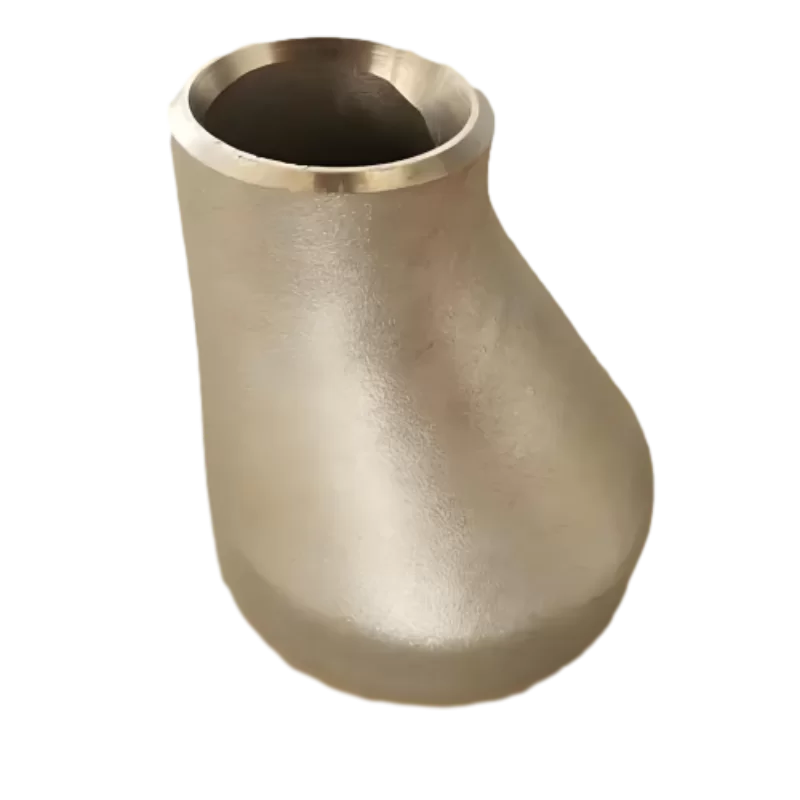
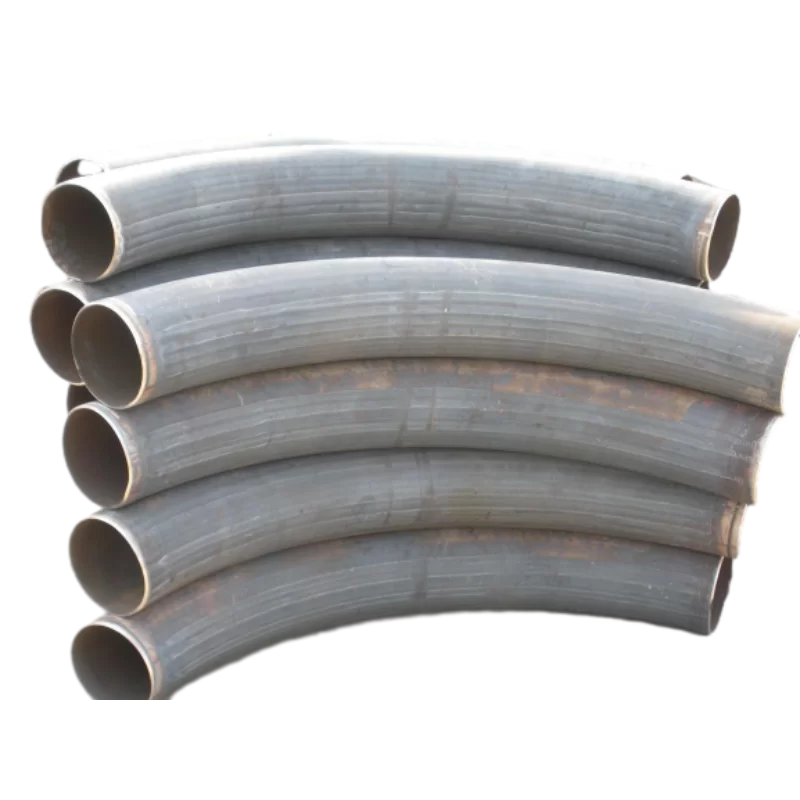
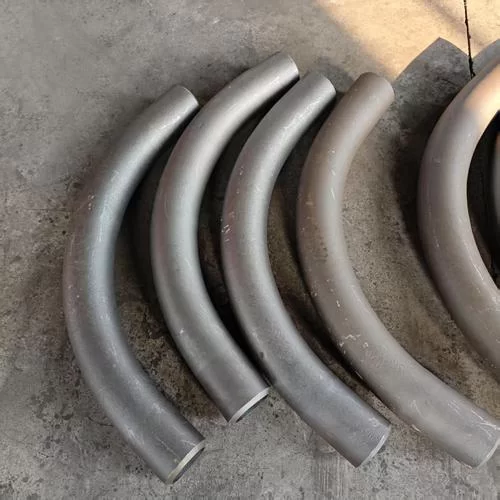
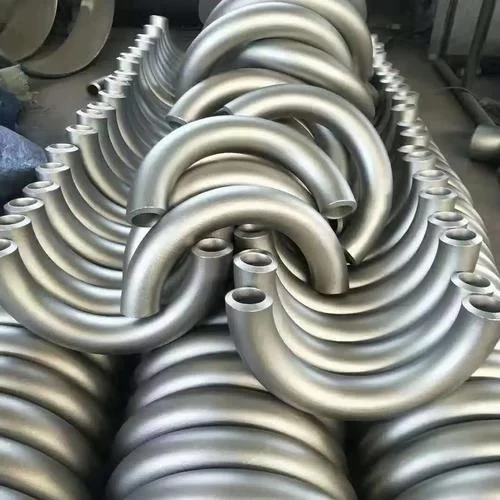
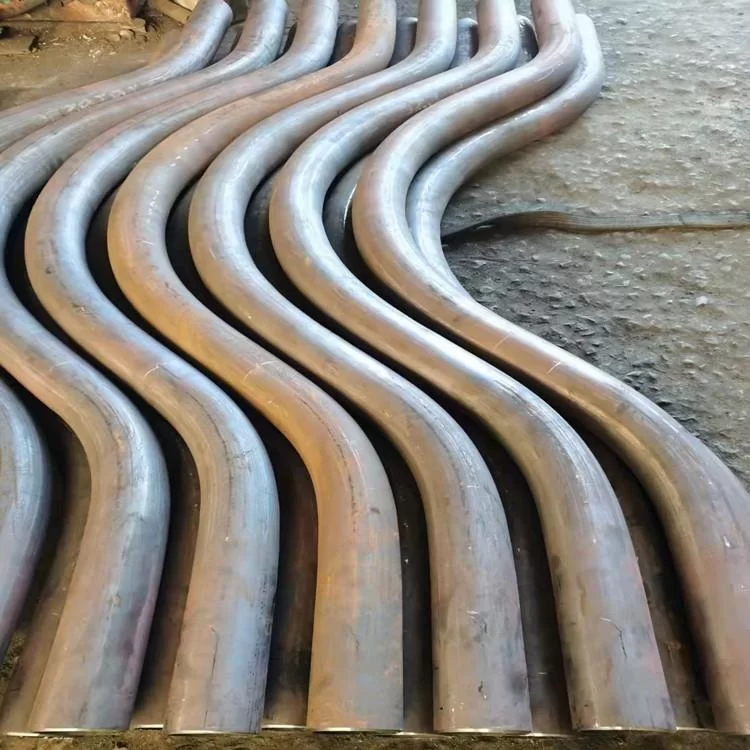
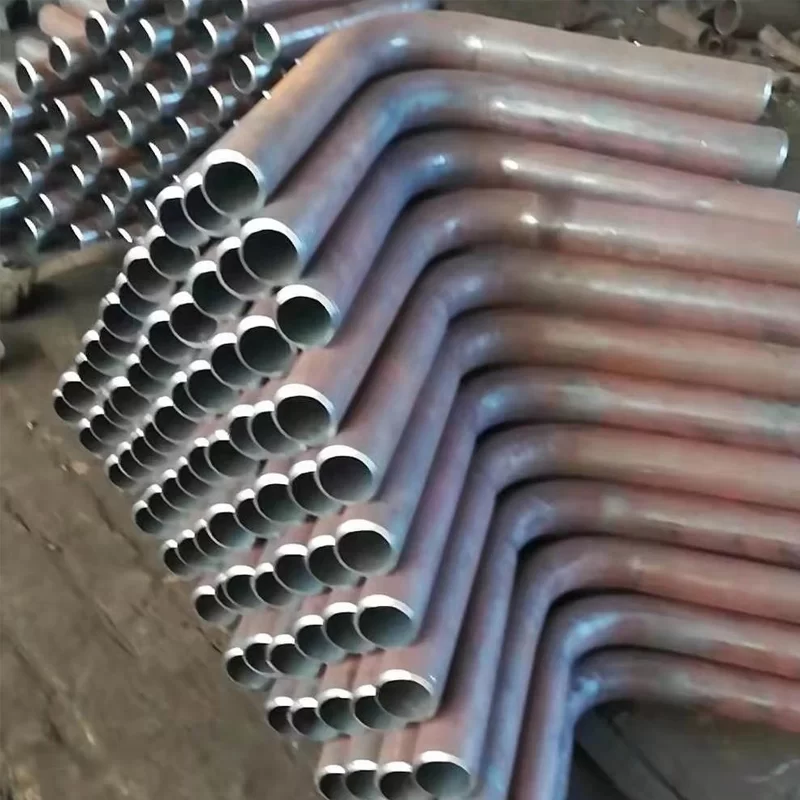
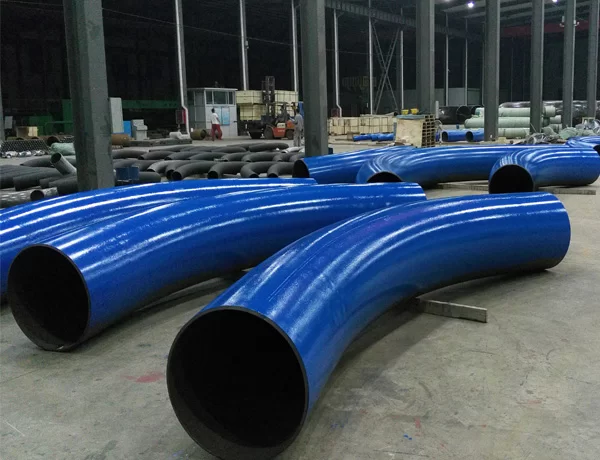
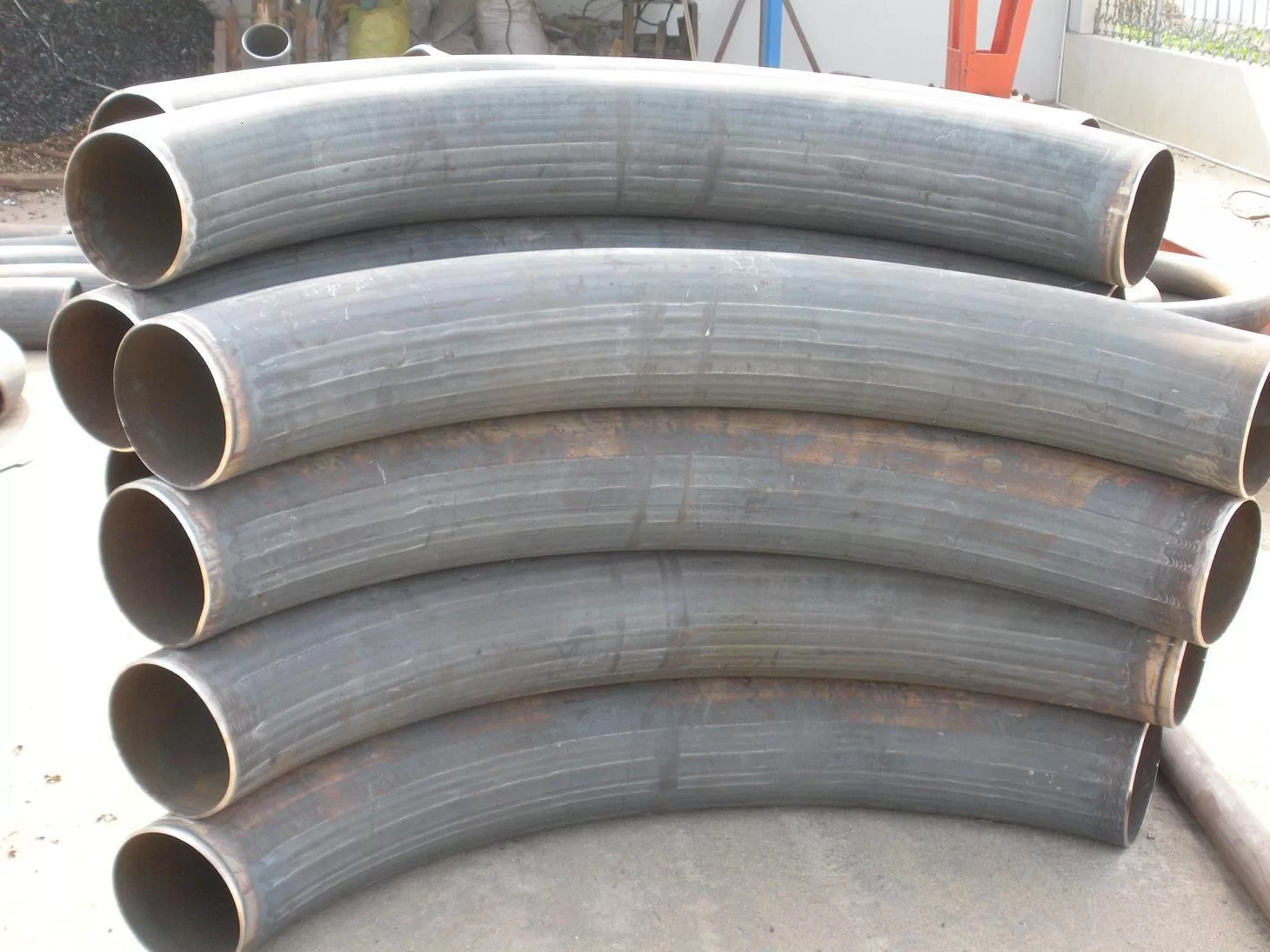
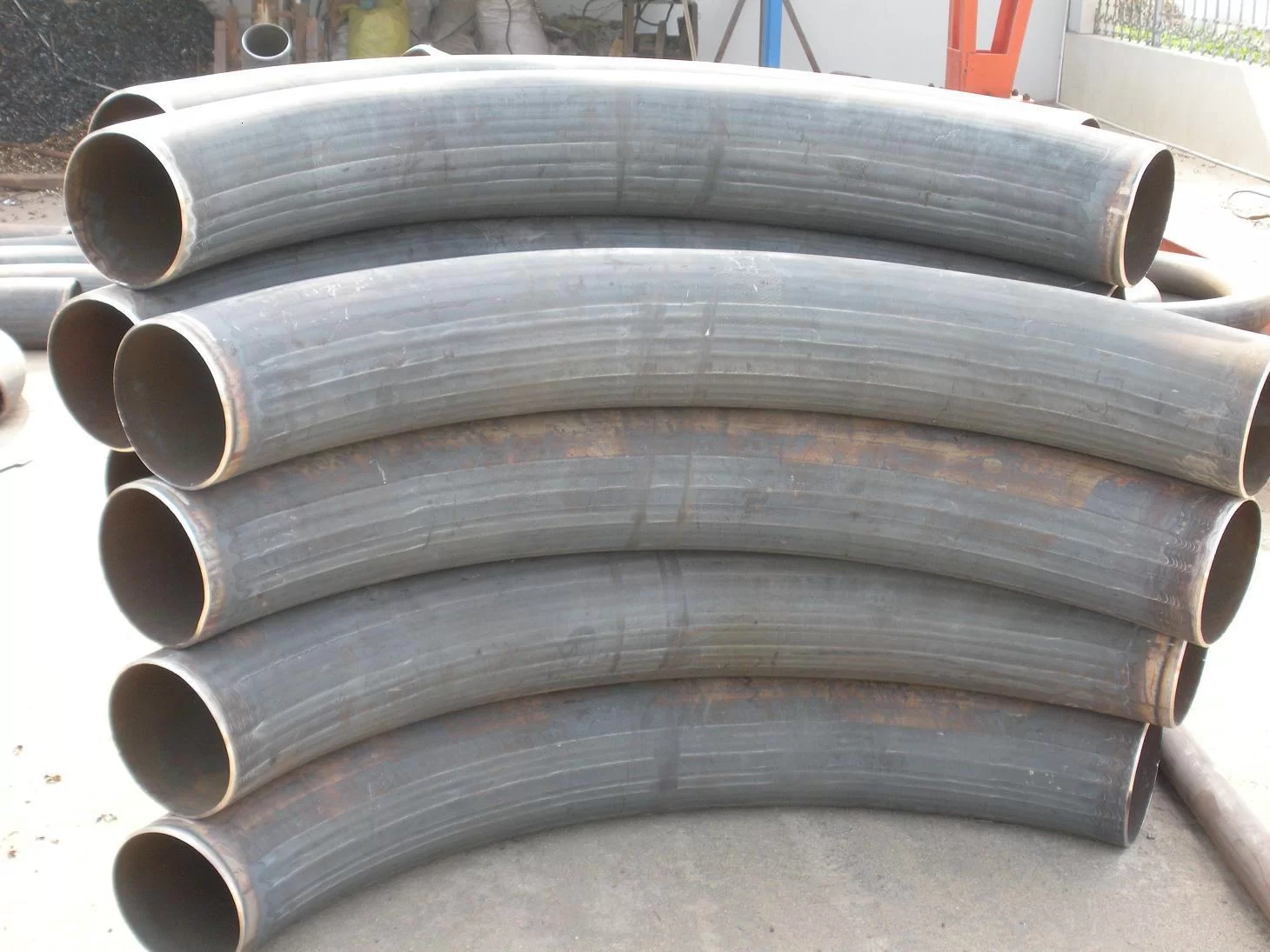
A pipe bend is a fitting that alters the direction of pipelines through bending processing. It is primarily used to adjust pipeline layout and adapt to spatial requirements, widely applied in various fluid transportation systems. Pipe bends are fabricated using complete sets of bending equipment, with two core manufacturing processes: cold bending and hot pushing .
Core Features
●Clear direction-changing capability: Available in standard angles such as 90°, 45°, and 180° (U-type), with customizable special angles on request.
●Low flow resistance: Adopts a continuous bending structure with a smooth inner wall, reducing fluid transportation resistance compared to direction changes via fitting splicing.
●High structural strength: One-piece forming (a small number are welded forming), compatible with pipeline pressure ratings, and resistant to leakage.
Difference Between Pipe Bends and Elbows
The key distinction lies in the bend radius (R):
●Elbows typically have a bend radius of 1–2 times the pipe diameter (DN), featuring a short length and classified as standardized prefabricated components.
●Pipe bends usually have a bend radius greater than 2 times the pipe diameter, with flexible and customizable lengths and non-standard radii, suitable for long-span applications.
Classification by Material
●Carbon steel: ASTM/ASME A234 WPB, WPC, etc.
●Alloy steel: ASTM/ASME A234 WP1, WP11, WP12, WP22, WP5, WP91, WP911; 15Mo3, 15CrMoV, 35CrMoV, etc.
●Stainless steel: ASTM/ASME A403 WP304, 304L, 304H, 304LN, 304N; ASTM/ASME A403 WP316, 316L, 316H, 316LN, 316N, 316Ti; ASTM/ASME A403 WP321, 321H; ASTM/ASME A403 WP347, 347H, etc.
●Low-temperature steel: ASTM/ASME A402 WPL3, WPL6.
●High-performance steel: ASTM/ASME A860 WPHY 42, 46, 52, 60, 65, 70.
●Cast steel, copper, PVC, PPR, reinforced polypropylene (RFPP), etc.
Classification by Manufacturing Process
●Push forming, press forming, forged forming, cast forming, etc.
Classification by Manufacturing Standard
●American Standard (ASME), German Standard (DIN), Chinese National Standard (GB/T), Electric Power Standard (DL/T), Marine Standard (CB/T), Chemical Industry Standard (HG/T), Water Supply & Drainage Standard (GB/T), Japanese Standard (JIS), Russian Standard (GOST), etc.
Application Fields
●Petrochemical industry: Oil and gas transmission pipelines, chemical medium pipelines.
●Electric power industry: Boiler steam pipelines, cooling water pipelines.
●Municipal engineering: Underground laying of water supply, drainage, and gas pipelines.
●Building HVAC: Air conditioning and heating pipeline systems, etc.
Dec 02,25
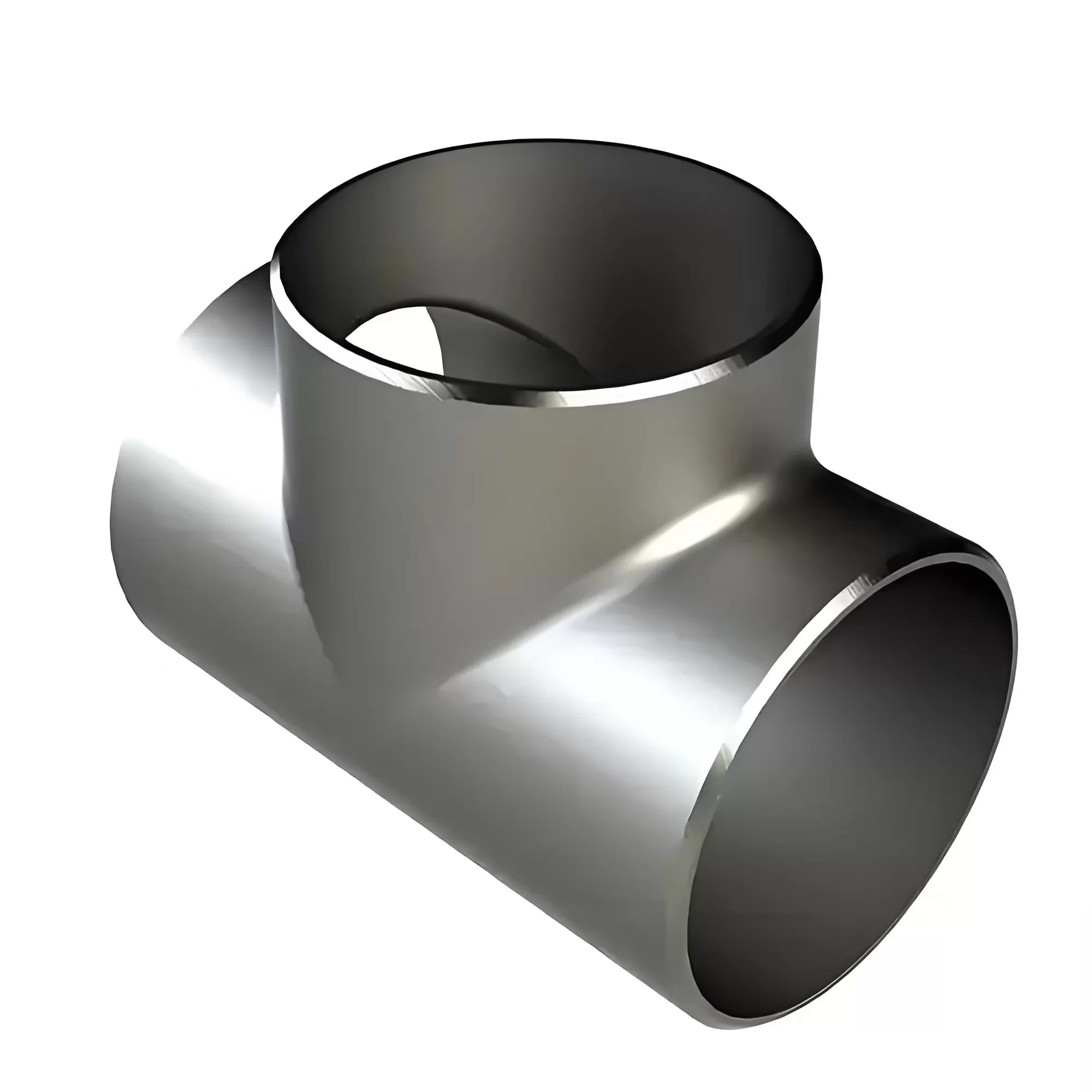
The Core Role Of The Tee In Pipeline Systems
In the complex architecture of modern pipeline systems—spanning petrochemical plants, municipal waterworks, HVAC networks, and power generation facilities—the tee fitting is arguably one of the most critical and universally employed components.
Dec 02,25
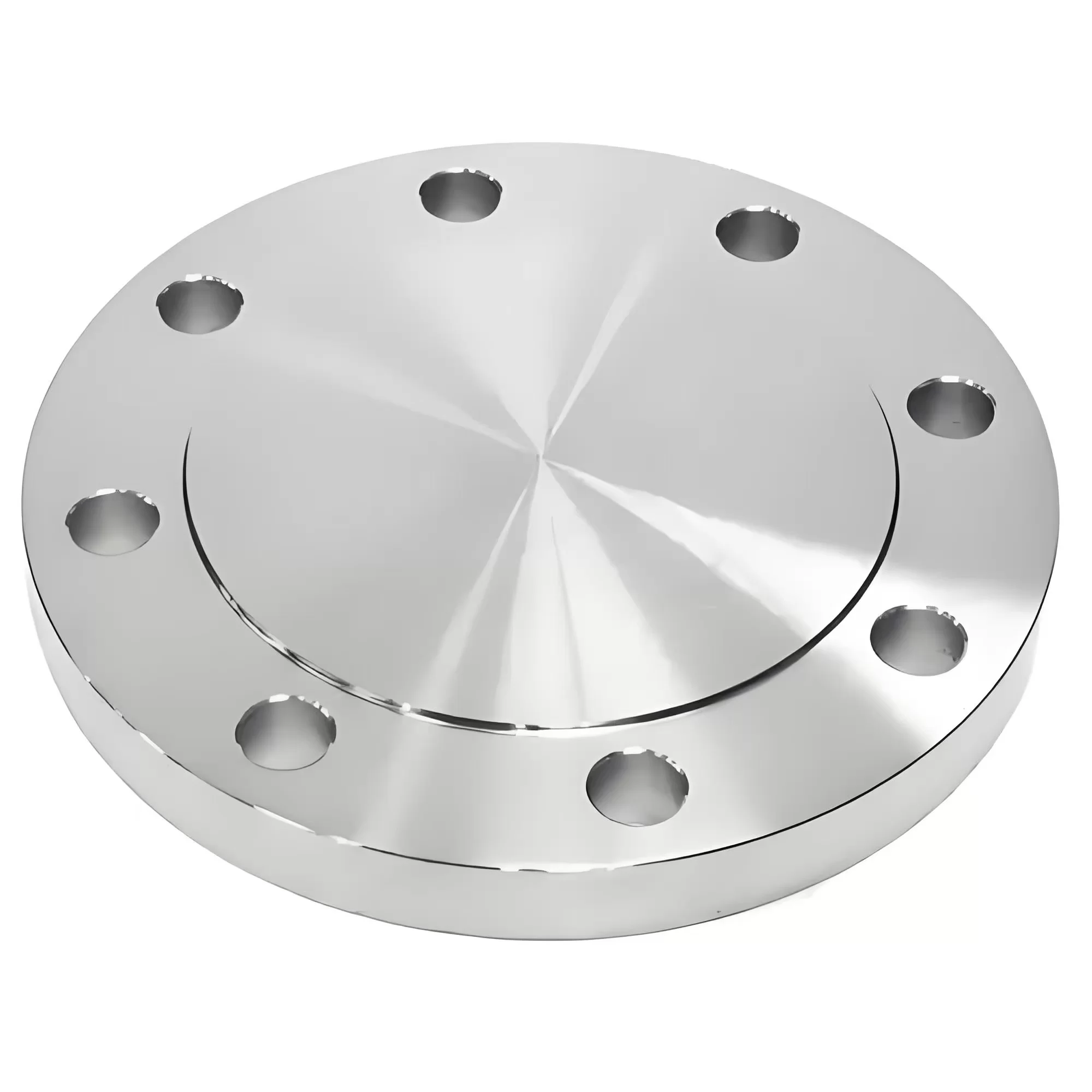
Corrosion-Resistant Flanges For Chemical And Marine Industries
Flanges are indispensable components in piping systems, serving as the critical junctions that allow for connections, maintenance, and isolation of flow.
Dec 02,25
Characteristics And Common Applications Of Carbon Steel Bending Pipe
The use of bent piping is an essential practice in industrial construction, allowing fluid transfer lines to navigate complex routes, compensate for thermal expansion, and eliminate the need for numerous welded elbow fittings.
SUBSCRIBE NEWSLETTER