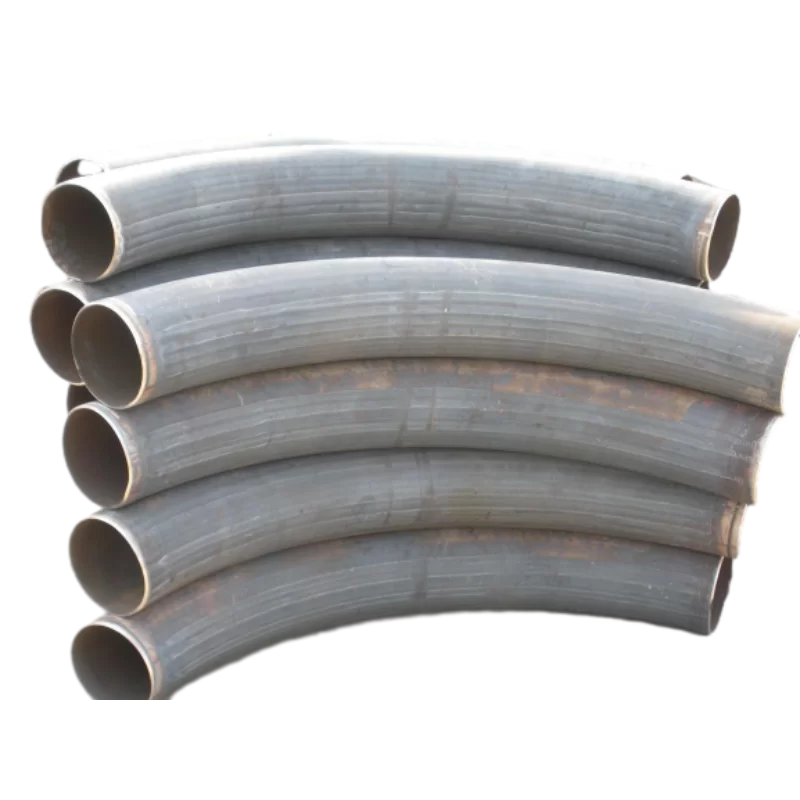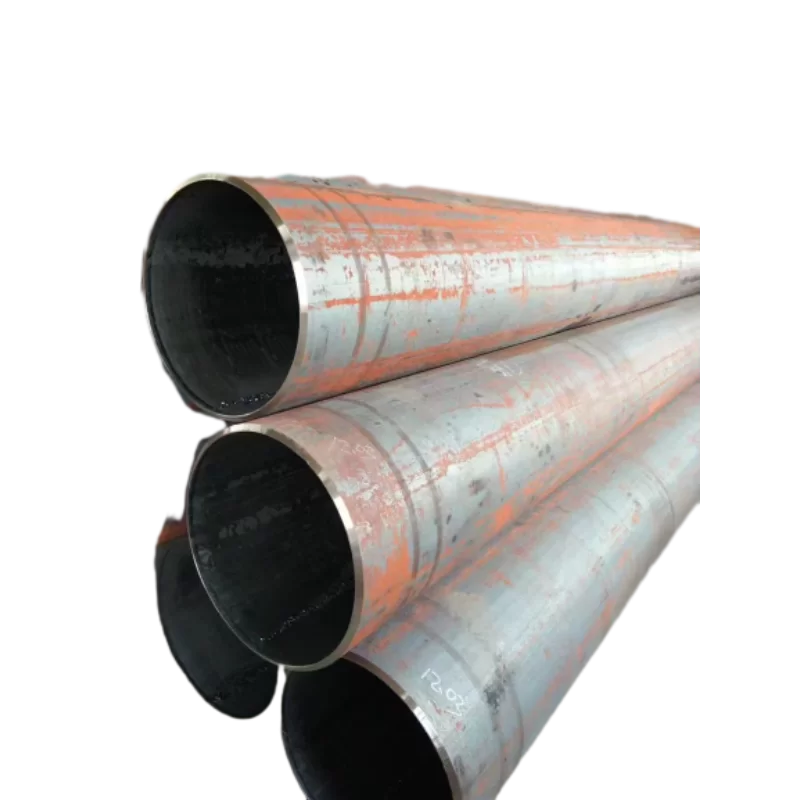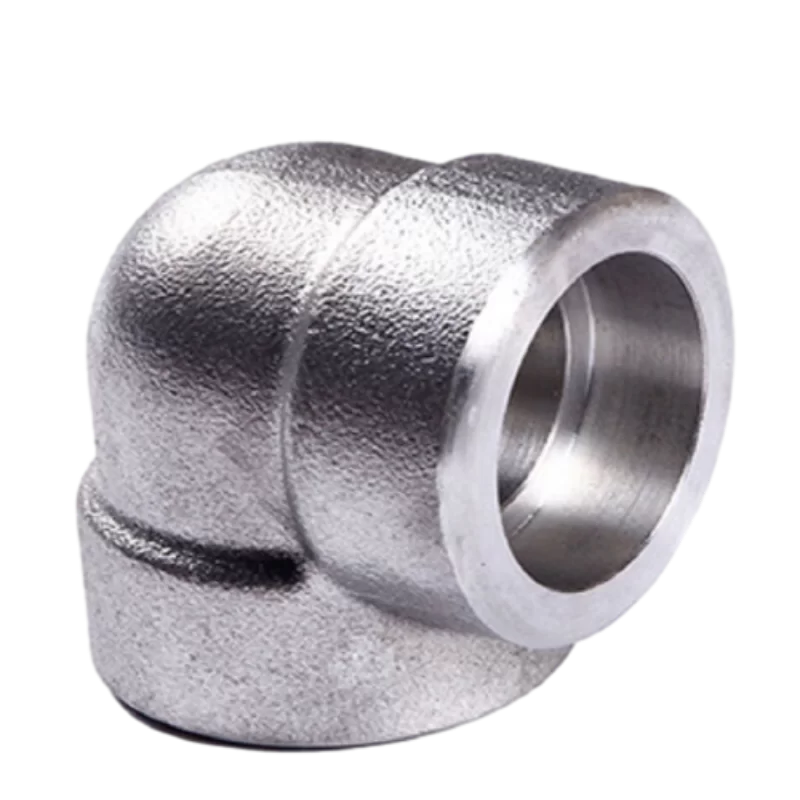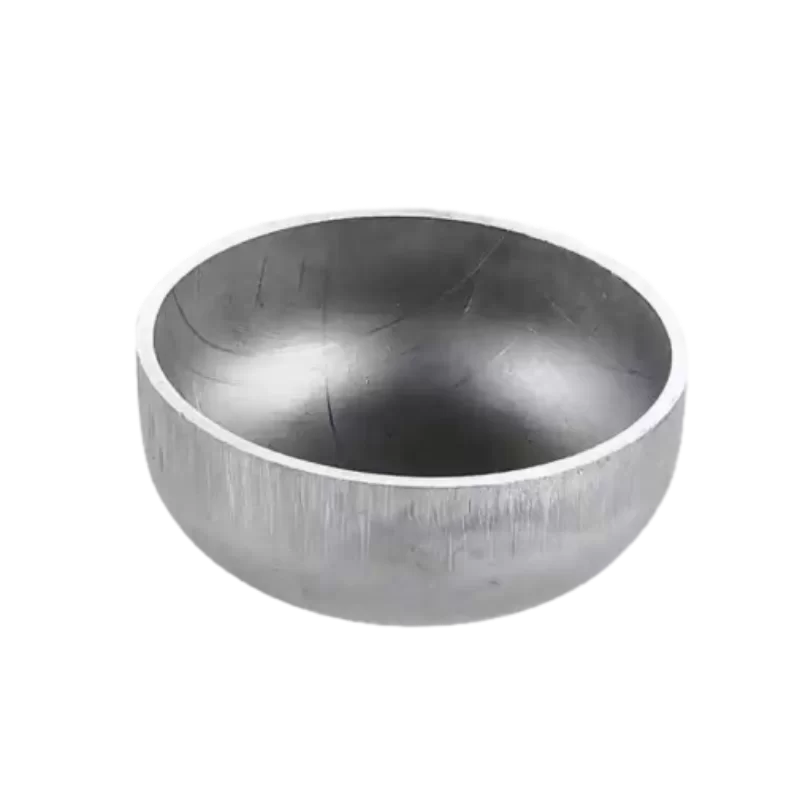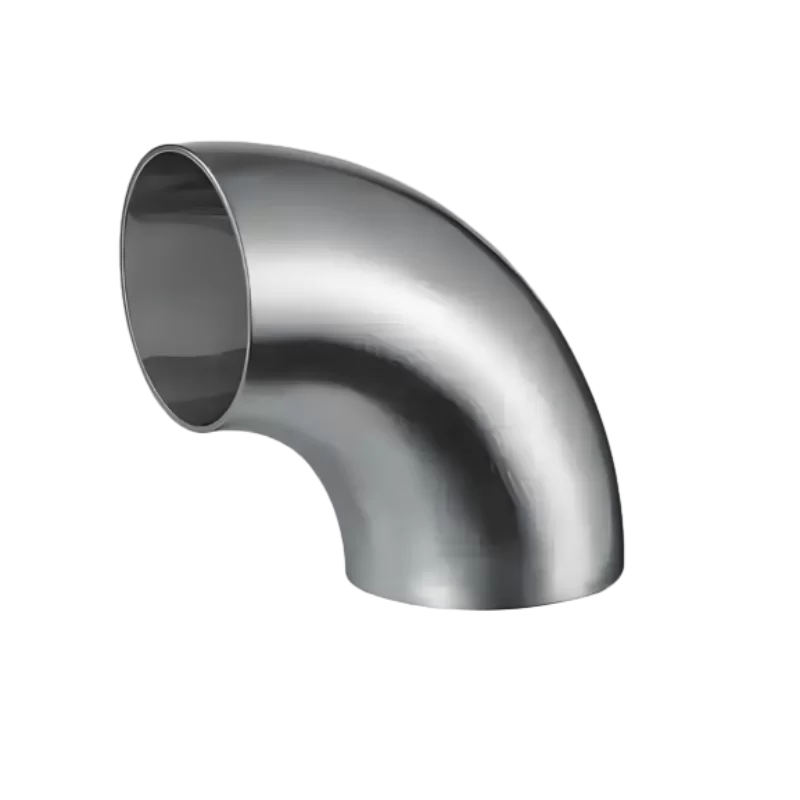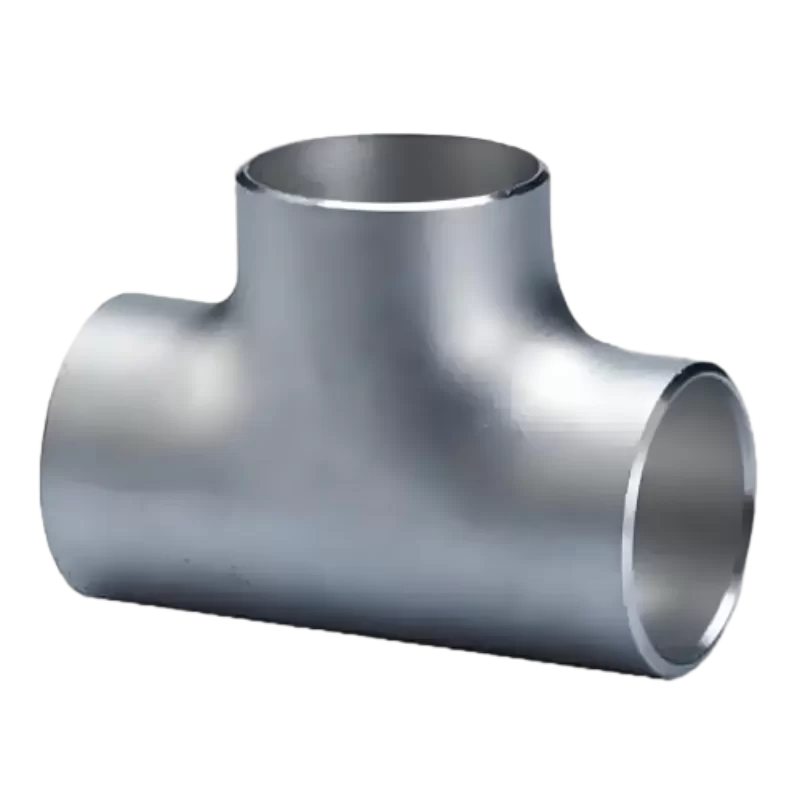
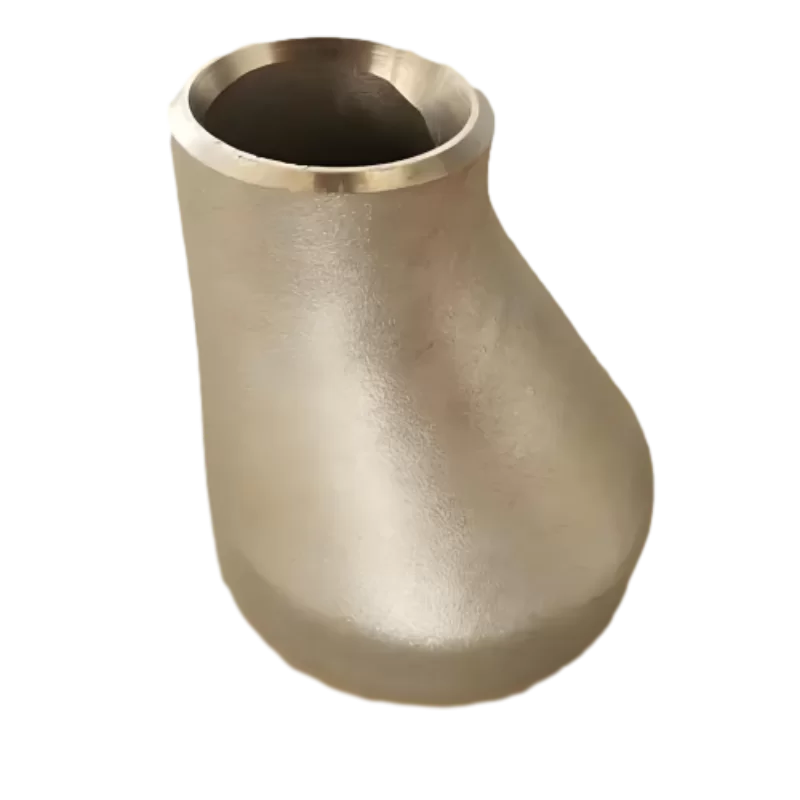


Reducers (also referred to as reducing adapters) are pipe fittings utilized in piping systems to connect pipes with different nominal diameters. By changing the caliber, they fulfill the functions of fluid flow regulation or transitional connection in the system, ensuring no leakage or blockage occurs during fluid transmission. Meanwhile, reducers can effectively reduce fluid resistance at pipe joints and enhance transmission efficiency.
Common Classifications
●By structure: Concentric reducers and eccentric reducers. The centers of both ends of a concentric reducer are on the same axis, suitable for vertical or horizontal pipes to avoid fluid eddy currents. The centers of both ends of an eccentric reducer are not aligned on the same axis; it is used for wall-mounted or floor-mounted installation to prevent liquid and gas accumulation in the pipe, and is often applied in horizontal pipes or inlets of pumps and valves.
●By production process: Reducing pressing, expanding pressing, stamping forming, etc.
●By connection method: Welded connection, flange connection, threaded connection, socket connection, etc. The welded type is suitable for large-diameter pipes, while the threaded type is mostly used for small-diameter and low-pressure scenarios.
●By material: Consistent with the materials of tees and elbows, including carbon steel, stainless steel, alloy steel, copper, plastics, cast iron, etc. Material selection must match the pipe medium and operating conditions.
●By manufacturing standard: American Standard (ASME B16.9), German Standard (DIN), etc., to ensure compatibility with the piping system.


Application Scenarios
Petrochemical industry, water supply and drainage & municipal engineering, power industry, metallurgy and mining industry, food and pharmaceutical industry, construction industry, etc.
Dec 02,25
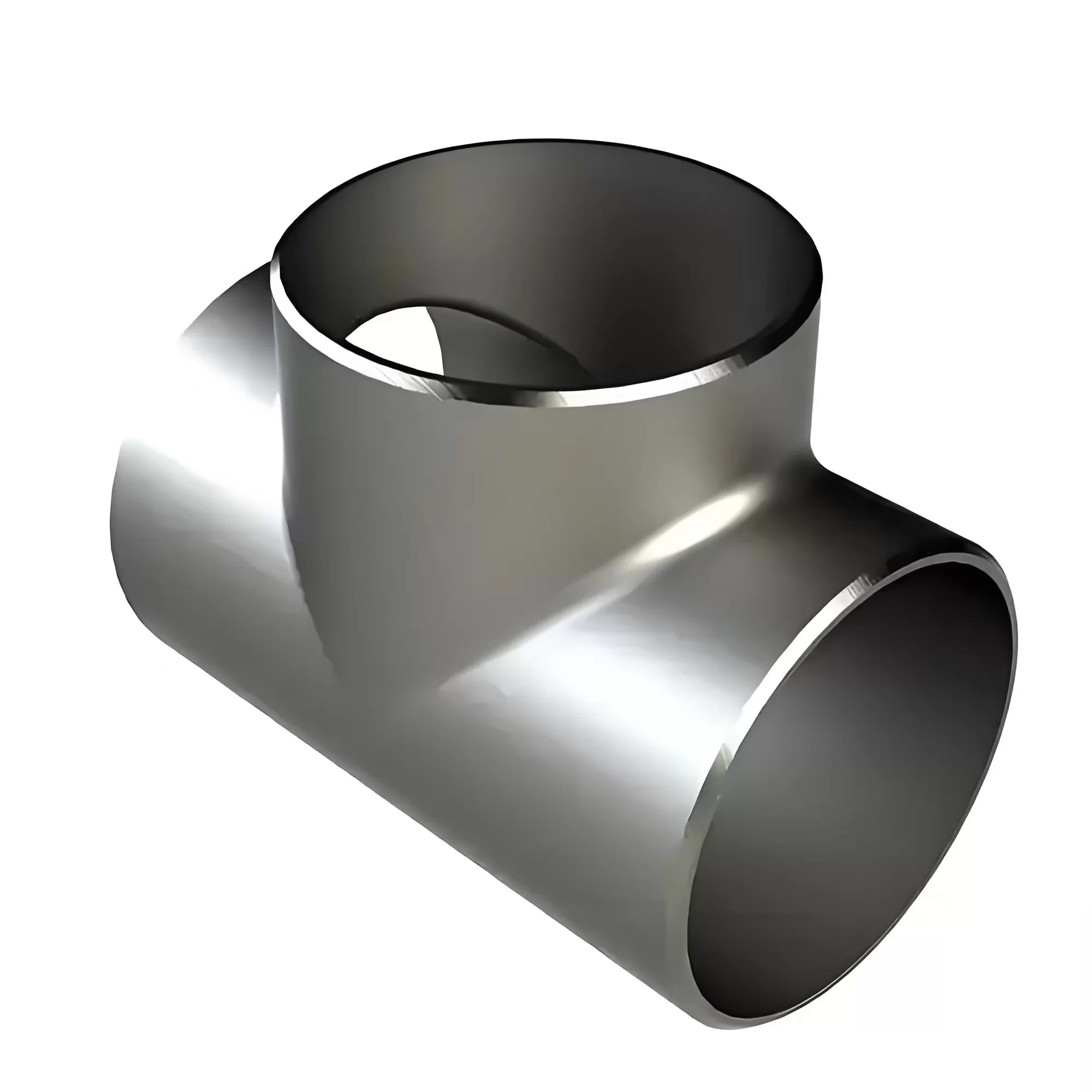
The Core Role Of The Tee In Pipeline Systems
In the complex architecture of modern pipeline systems—spanning petrochemical plants, municipal waterworks, HVAC networks, and power generation facilities—the tee fitting is arguably one of the most critical and universally employed components.
Dec 02,25
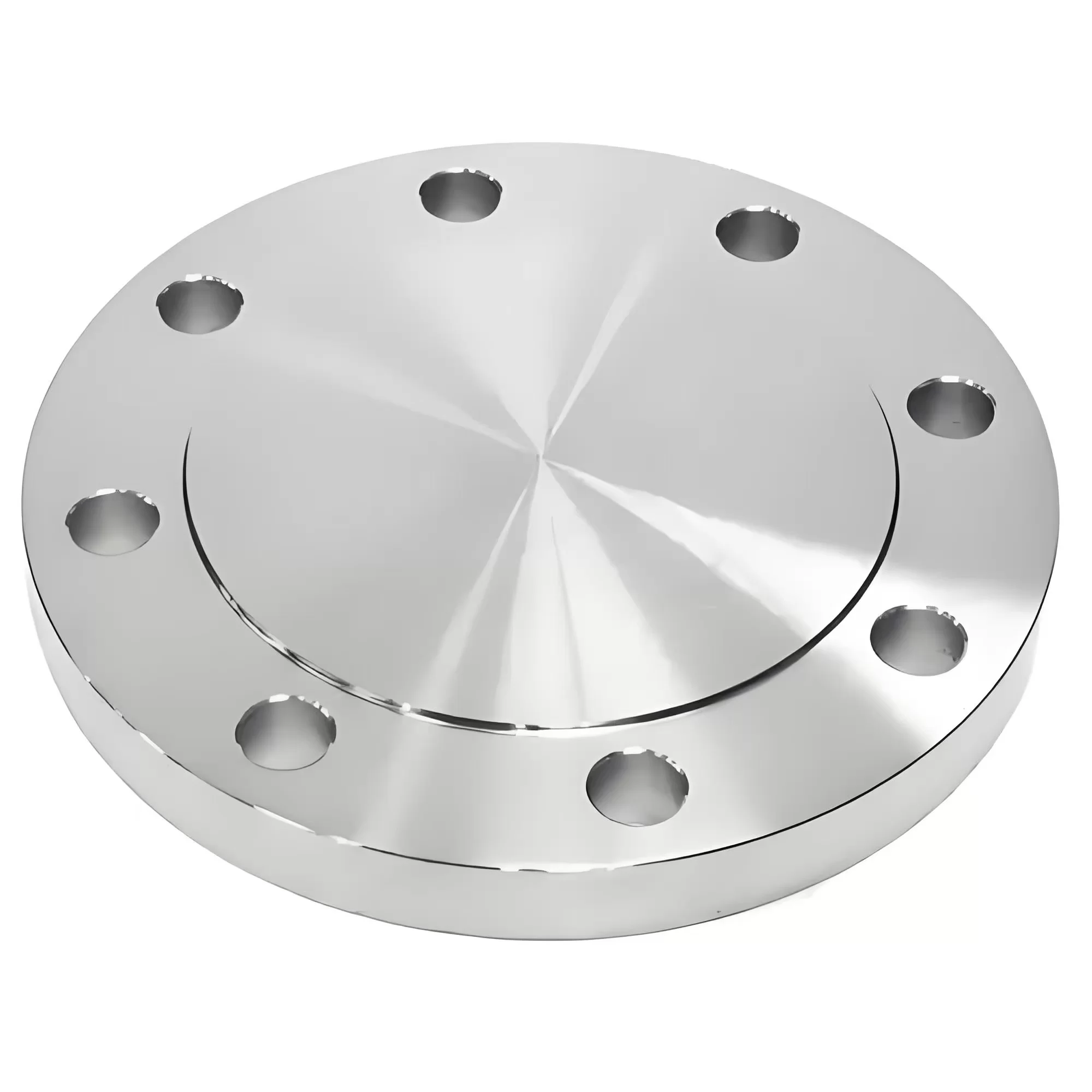
Corrosion-Resistant Flanges For Chemical And Marine Industries
Flanges are indispensable components in piping systems, serving as the critical junctions that allow for connections, maintenance, and isolation of flow.
Dec 02,25
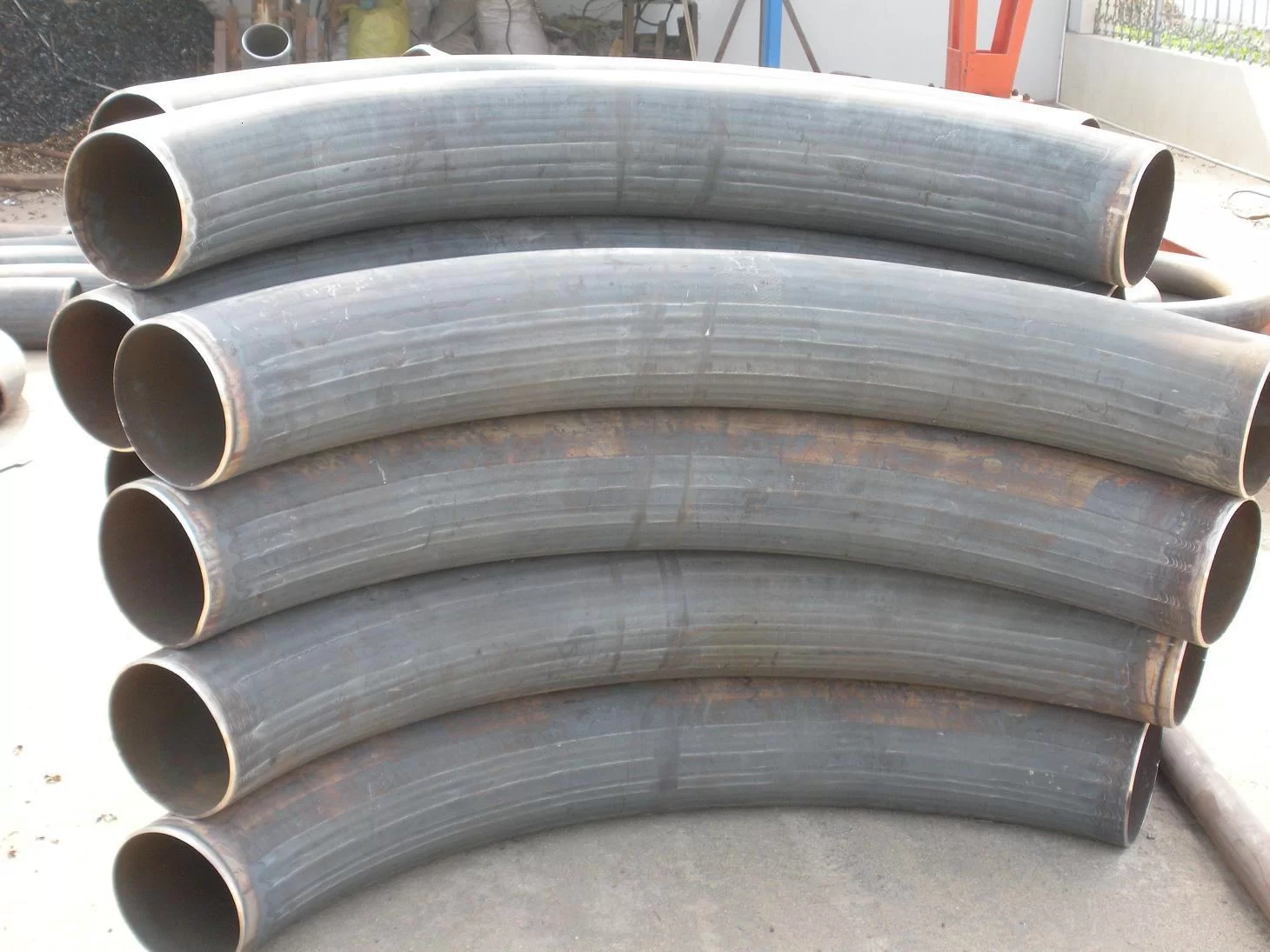
Characteristics And Common Applications Of Carbon Steel Bending Pipe
The use of bent piping is an essential practice in industrial construction, allowing fluid transfer lines to navigate complex routes, compensate for thermal expansion, and eliminate the need for numerous welded elbow fittings.
SUBSCRIBE NEWSLETTER