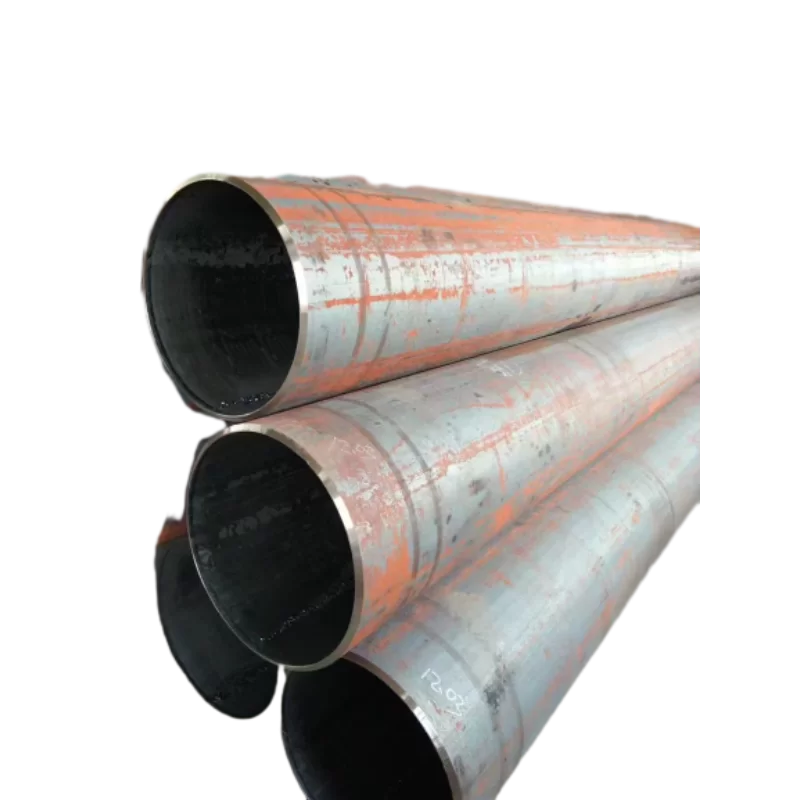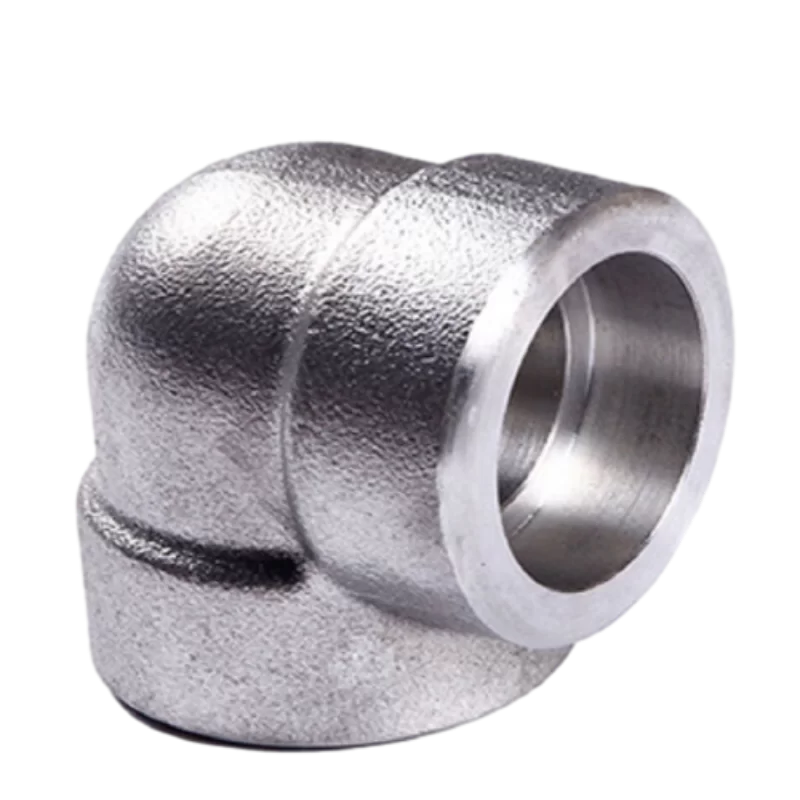
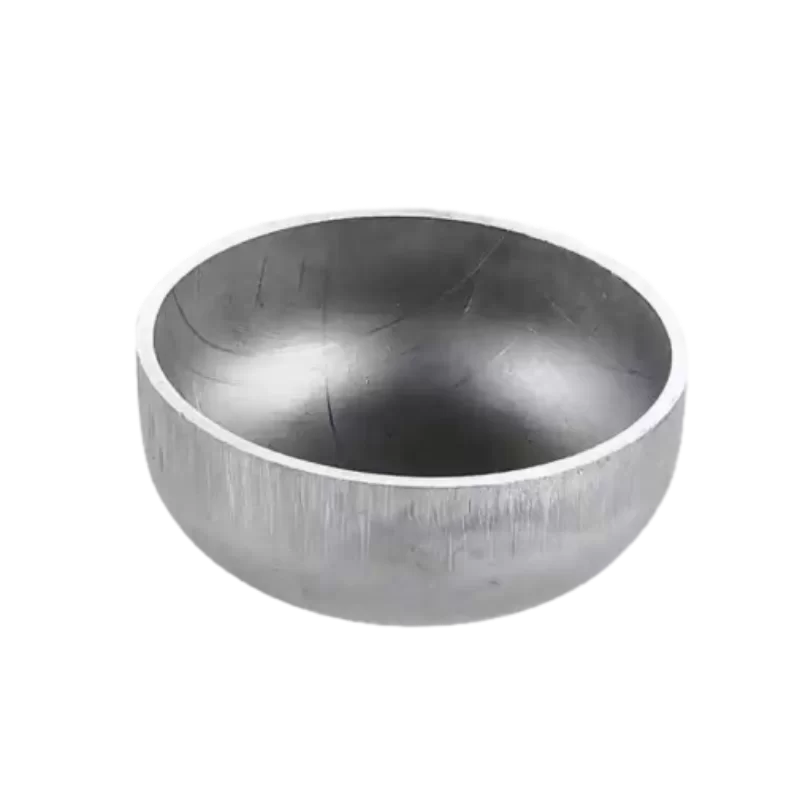
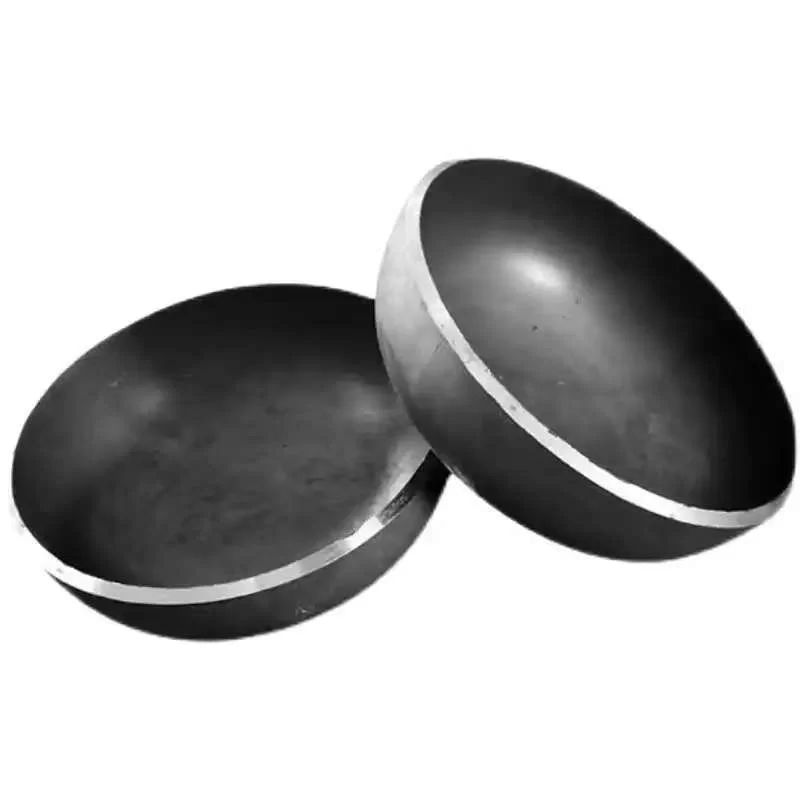
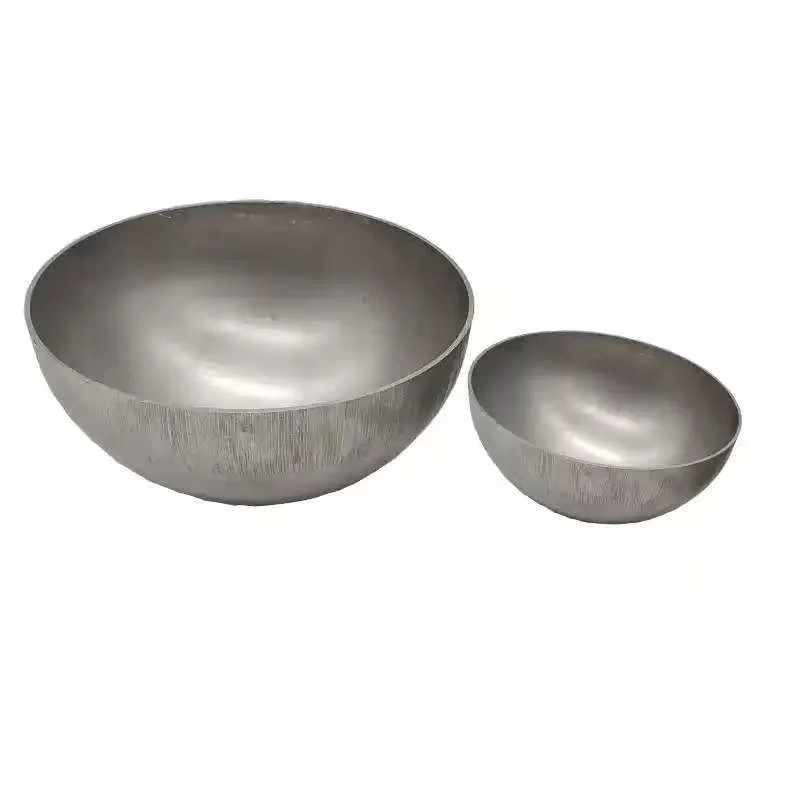
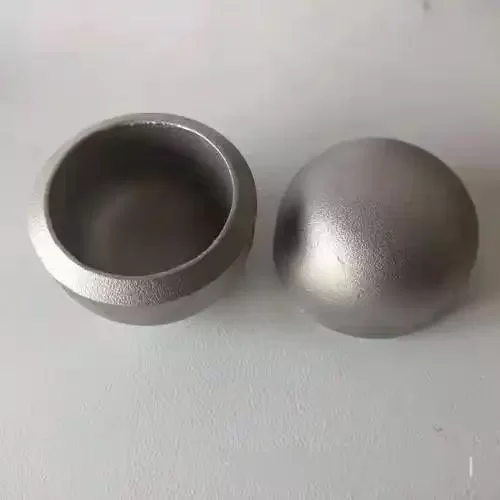
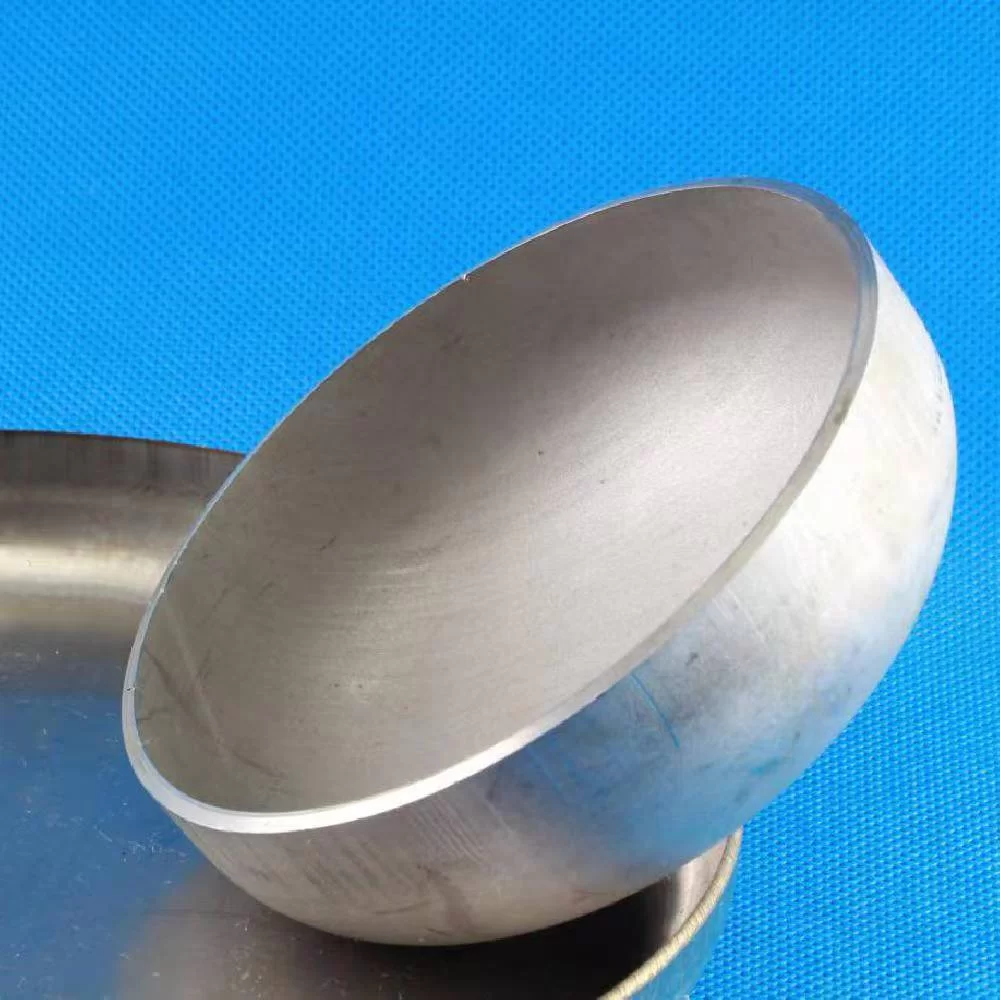
Pipe caps and heads are two components commonly used to seal the ends of pipelines or vessels, with distinct differences in definition, manufacturing standards, pressure-bearing capacity, connection methods, and other aspects.
Definitions
●Pipe Cap: Also known as a plug or end cap, it is a pipe fitting welded to the pipe end or mounted on the external thread of the pipe end to seal the pipeline. It serves the same function as a pipe plug and is similar in form to a blind flange. Welded pipe caps are non-removable.
●Head: Also referred to as an end cover, it is a component used to seal the end of a vessel and isolate internal and external media. It is an indispensable core component of pressure vessels.
Common Materials
●Carbon steel, stainless steel, alloy steel, etc.
Common Implementation Standards
Pipe Cap
●ASME B16.9 "Factory-Made Wrought Buttwelding Fittings"
●EN 10253 (European Harmonized Standard)
●Other relevant international and national standards
Head
●ASME Section VIII Div.1 "Boiler and Pressure Vessel Code (BPVC) Section VIII Division 1"
●EN 13445-3
●DIN series
●Other relevant pressure vessel design standards
Pressure-Bearing Capacity
Pipe Cap
●Suitable for low-pressure service below PN16, generally not intended for high-risk media.
●Typically adopts Class or PN rating matching the pipeline system; no separate strength calculation is required, but it must be compatible with the pipeline's pressure rating.
Head
●Features a wide pressure-bearing range (PN16 to PN400 or higher).
●Requires verification through stress analysis and burst testing, and must be designed in accordance with pressure vessel design standards.
●Has strict requirements for materials and welding processes; material certificates and non-destructive testing (NDT) certificates must be provided.
Connection Methods
Pipe Cap
●Butt welding: Suitable for pipeline systems subjected to higher pressure and temperature.
●Socket weld: Suitable for small to medium diameters and medium to low pressure pipeline systems.
●Threaded connection: Suitable for small diameters and low pressure pipeline systems; easy to disassemble but with relatively lower sealing performance and strength.
Head
●Must be welded to the pressure vessel shell to ensure the strength and tightness of the entire vessel.
●Common welding methods include butt welding and fillet welding.
Application Fields
Pipe Cap
●Mainly used at the ends of various pipeline systems to seal pipelines, prevent medium leakage or the entry of foreign objects.
●Also commonly used for temporarily sealing unused pipelines.
●Widely applied in pipeline systems of petrochemical, electric power, construction, and other industries.
Head
●Mainly used at the ends of various pressure vessels, storage tanks, boilers, reactors, towers, and other equipment.
●Plays a key role in reaction vessels and storage tanks in the petrochemical industry, boilers in the electric power industry, and pressure vessels in the pharmaceutical, food, and other industries.
Dec 02,25
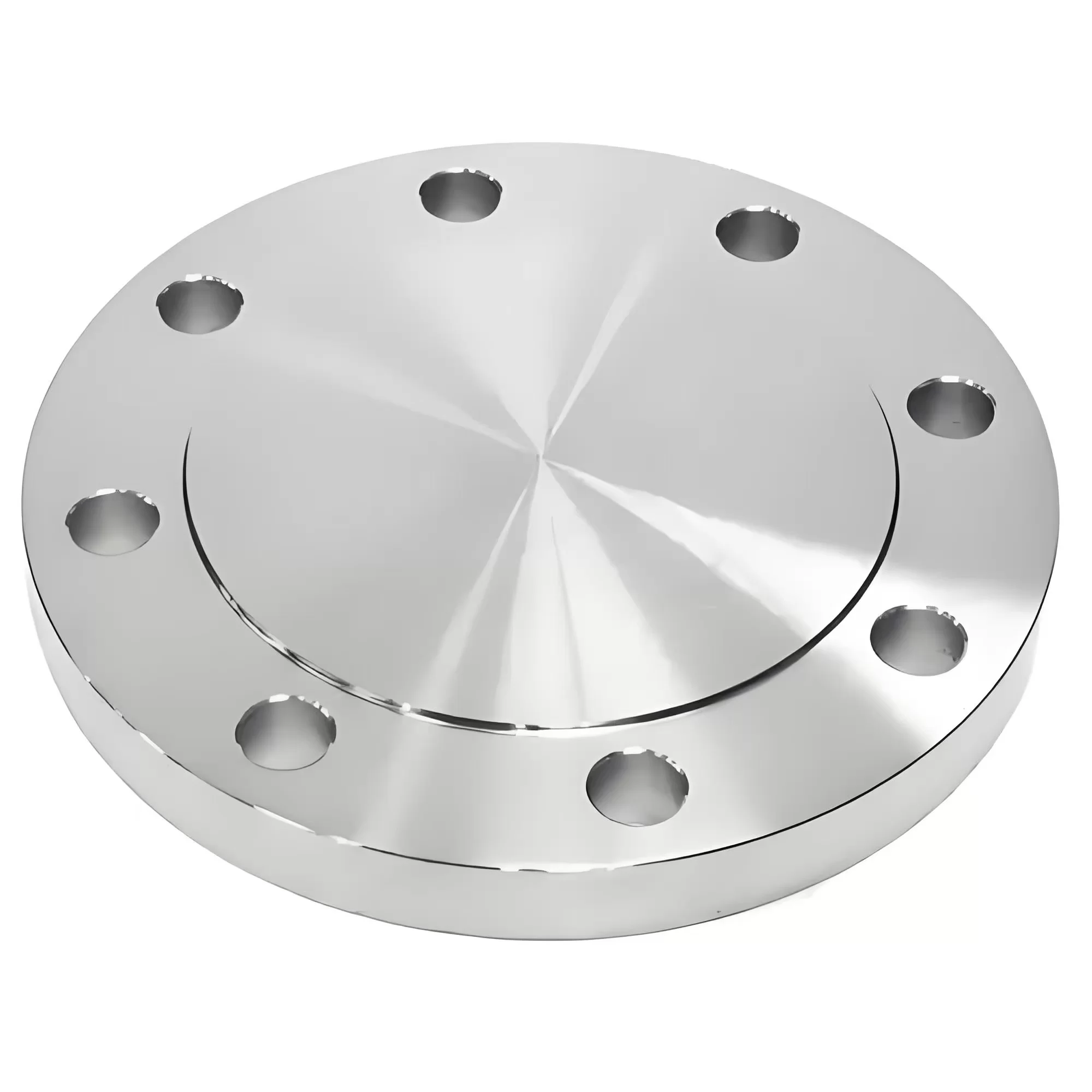
Corrosion-Resistant Flanges For Chemical And Marine Industries
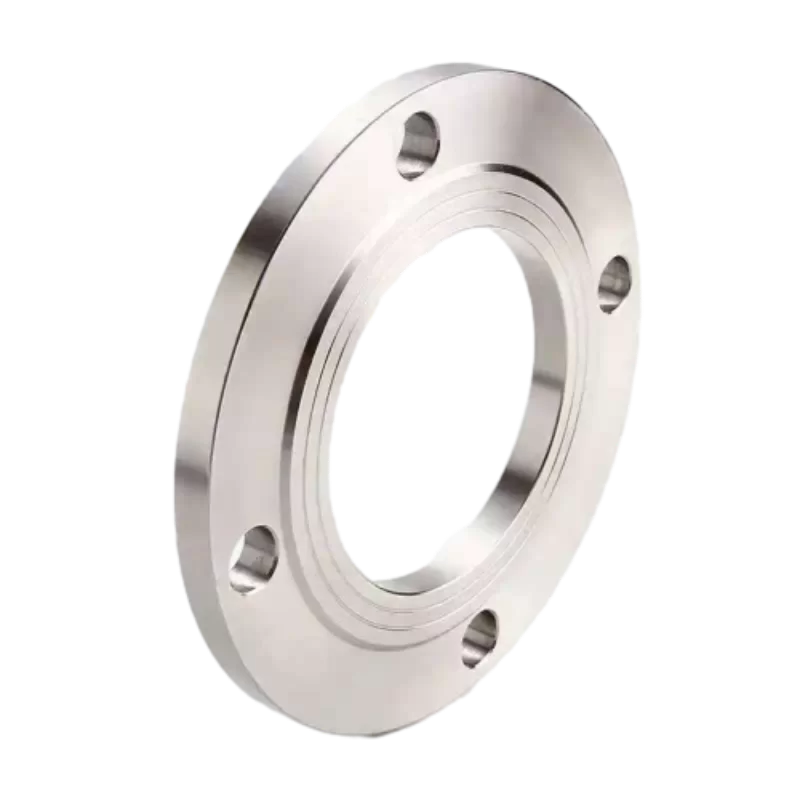
Flanges are indispensable components in piping systems, serving as the critical junctions that allow for connections, maintenance, and isolation of flow.
Dec 02,25
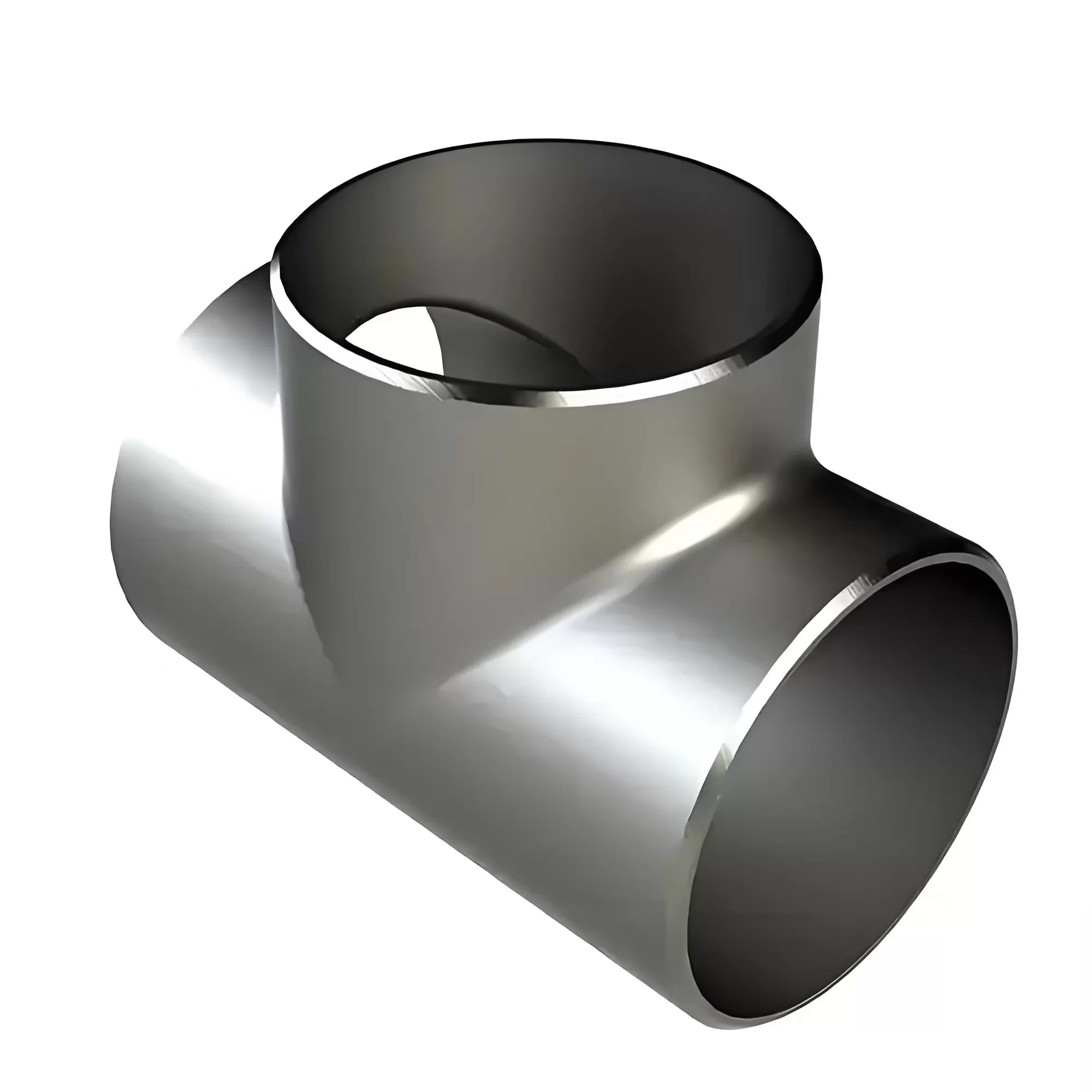
The Core Role Of The Tee In Pipeline Systems
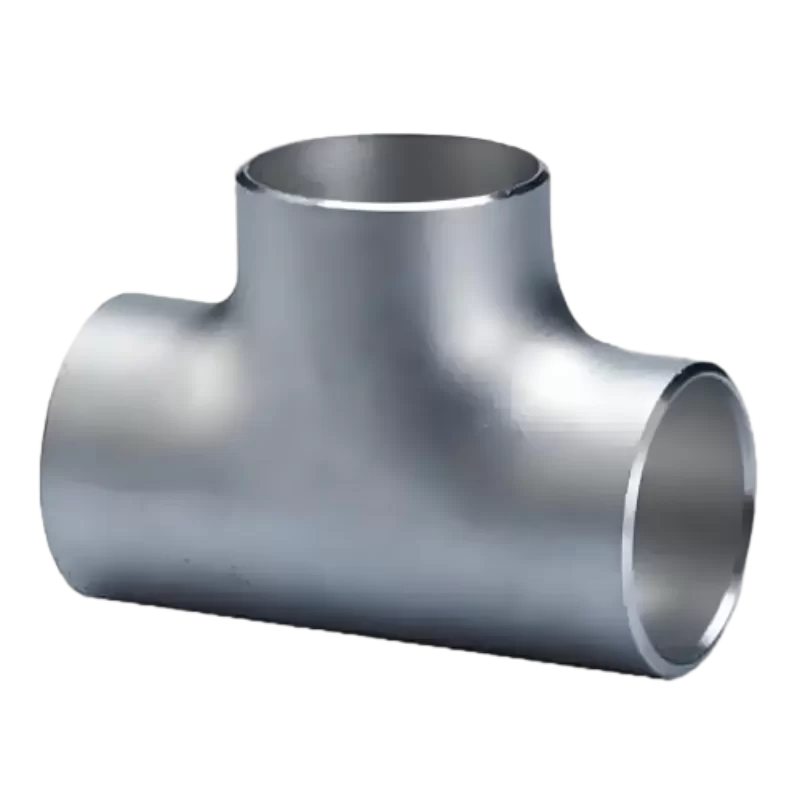
In the complex architecture of modern pipeline systems—spanning petrochemical plants, municipal waterworks, HVAC networks, and power generation facilities—the tee fitting is arguably one of the most critical and universally employed components.
Dec 02,25
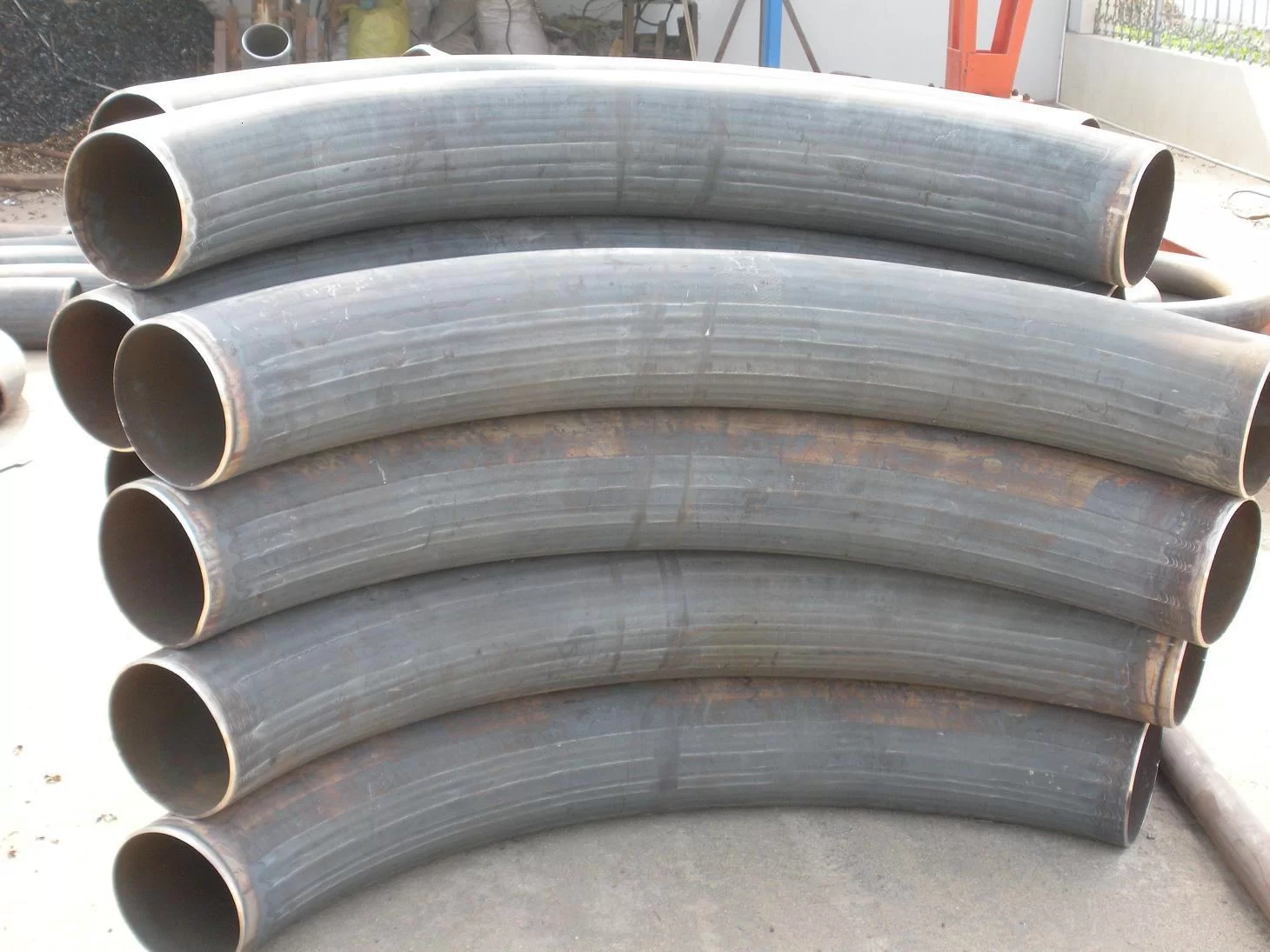
Characteristics And Common Applications Of Carbon Steel Bending Pipe
The use of bent piping is an essential practice in industrial construction, allowing fluid transfer lines to navigate complex routes, compensate for thermal expansion, and eliminate the need for numerous welded elbow fittings.
SUBSCRIBE NEWSLETTER